
Discover expert insights, practical guides, and the latest developments in plastic recycling, waste management, and environmental sustainability. Explore how businesses can reduce waste, recover valuable resources, and contribute to a circular economy.
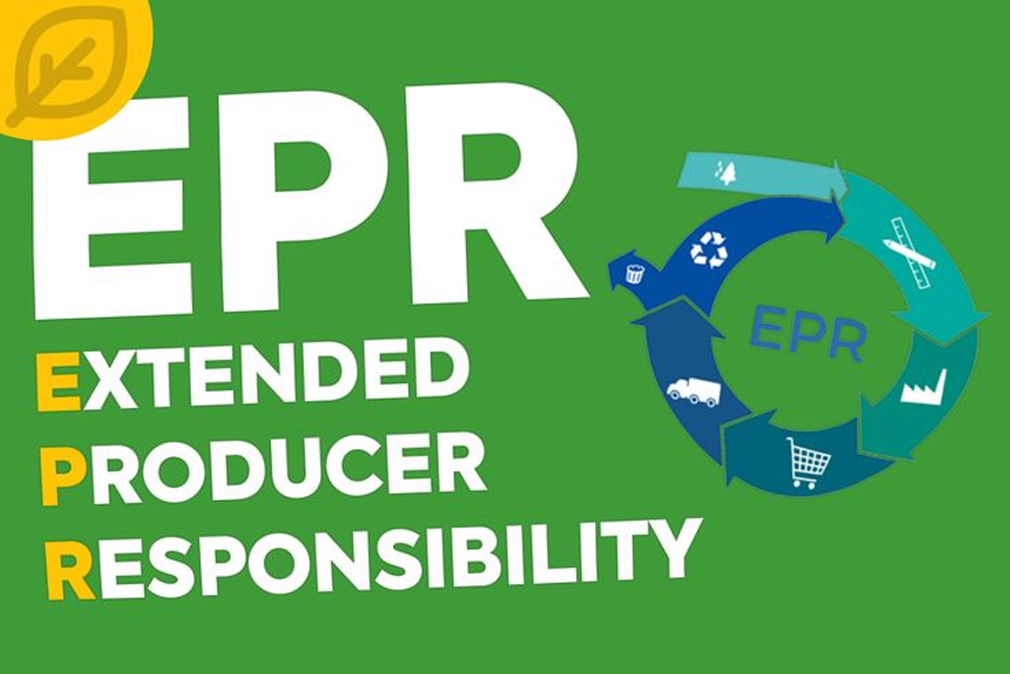
Overcoming Roadblocks in EPR: Real-World Strategies for Producers and Recyclers
Navigating the Complexities of Extended Producer Responsibility Extended Producer Responsibility (EPR) has emerged as a critical policy tool to shift the burden of post-consumer waste management from municipalities to the producers themselves. In India, this framework has gained significant traction, especially under the Ministry of Environment, Forest and Climate Change (MoEFCC) and the Central Pollution Control Board (CPCB), which mandate producers to take back, recycle, or dispose of their products in an environmentally responsible manner. However, the promise of EPR often collides with ground-level challenges, making its implementation more complex than intended. At the heart of this complexity lies the
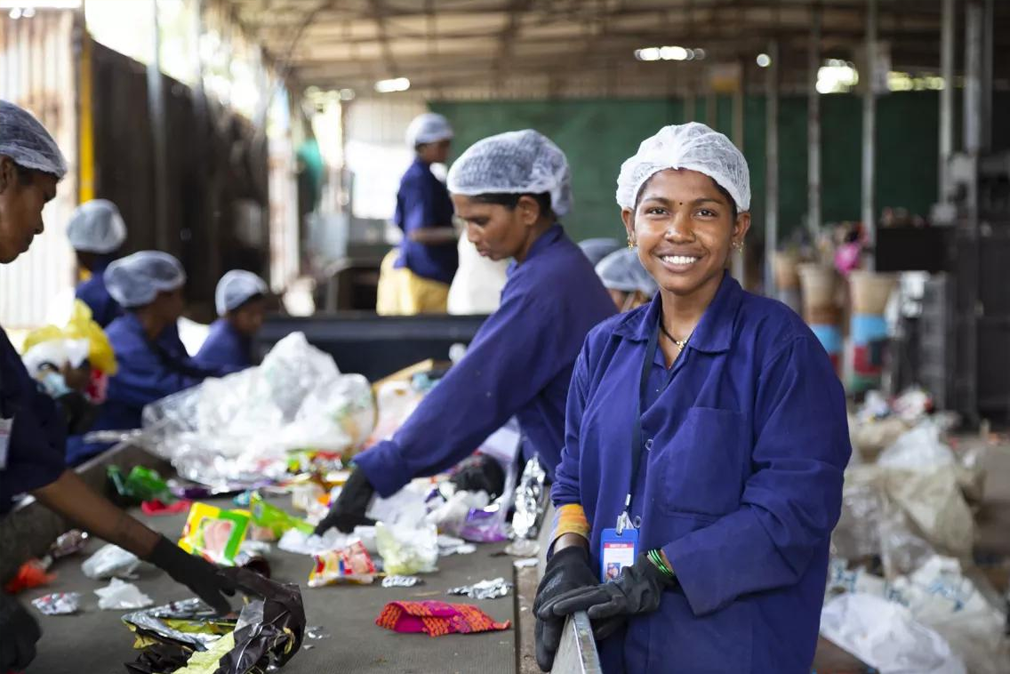
Bridging the Gap: How Informal Waste Collectors Enhance Responsible Recycling
Understanding the Vital Role of Informal Waste Collectors in Modern Recycling Informal waste collectors are an indispensable part of the recycling landscape, especially in developing countries where formal waste management infrastructure is often limited or overburdened. These workers, often operating outside official municipal systems, collect, segregate, and sell recyclable materials, forming the foundational layer of urban and rural waste management. Their efforts contribute significantly to diverting waste from landfills and reducing environmental pollution. In India, for example, informal waste workers are estimated to handle between 15% and 25% of municipal solid waste. This is a staggering volume given that many
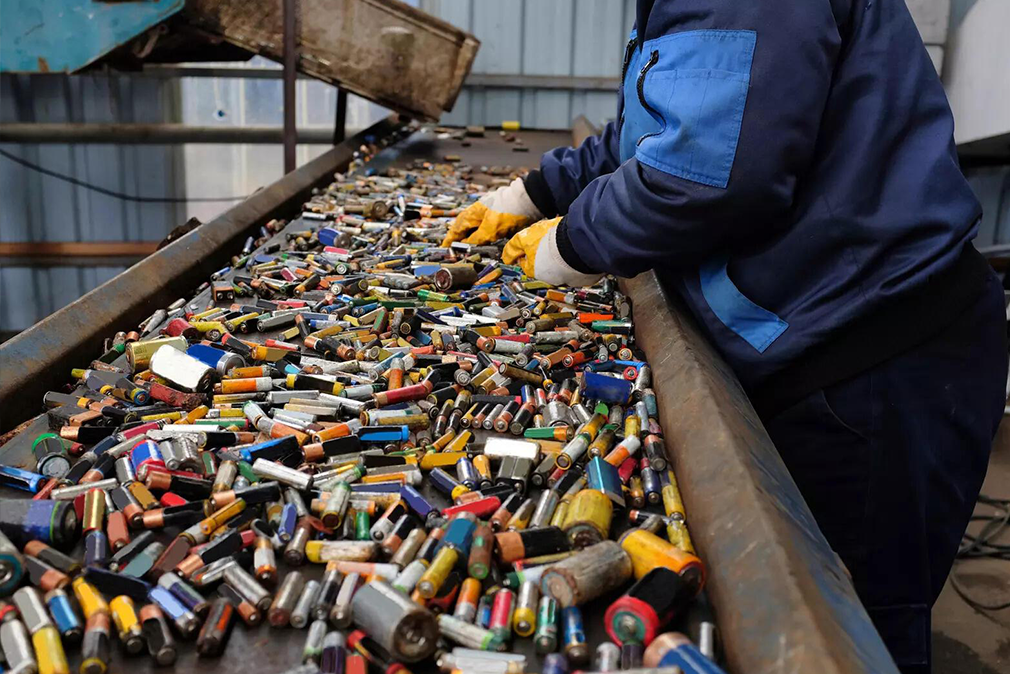
Extending EPR Beyond Phones: Addressing the Complexities of Diverse Battery Types
Why EPR Must Evolve to Cover All Battery Varieties Extended Producer Responsibility (EPR) is a critical environmental policy approach that places the accountability for the end-of-life management of products, including batteries, on the producers. Historically, EPR efforts in battery waste management have centered largely around small consumer electronics such as smartphones, given their widespread use and the public’s growing awareness of their environmental impact. However, the battery ecosystem today is far more diverse and expansive, spanning from miniature button cells to massive electric vehicle (EV) battery packs. This evolution calls for an urgent broadening of EPR frameworks to comprehensively address
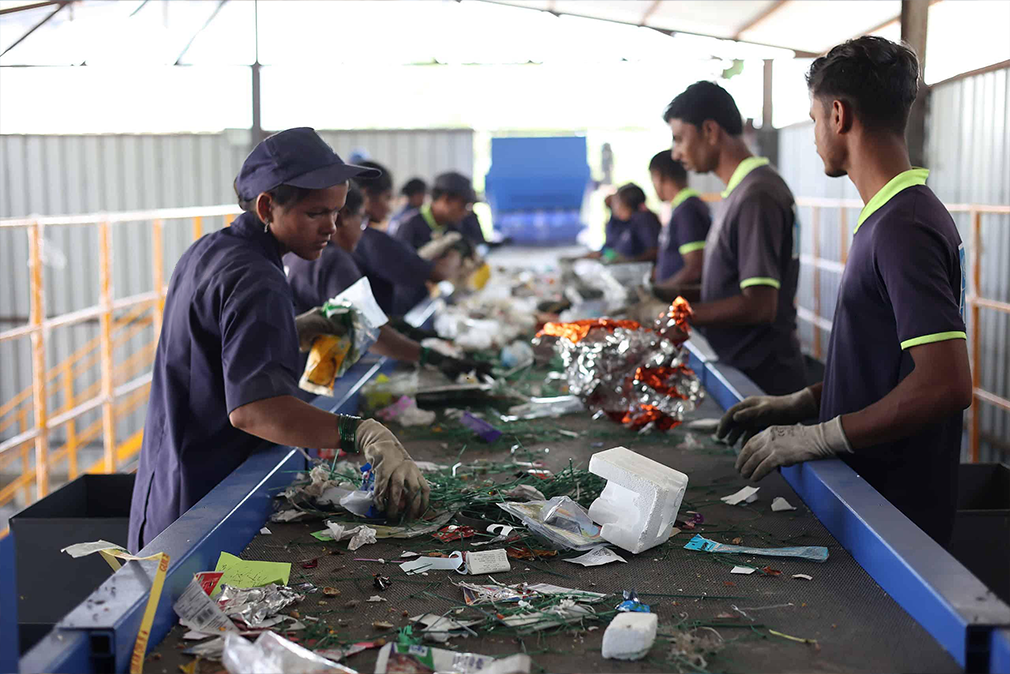
Navigating Extended Producer Responsibility for Global Brands Entering India
Understanding the Landscape of Extended Producer Responsibility in India for International Companies Extended Producer Responsibility (EPR) is a policy approach that holds producers accountable for the entire lifecycle of their products, especially the take-back, recycling, and final disposal of post-consumer waste. In India, EPR has gained significant importance as the government intensifies efforts to manage growing waste streams amid rapid urbanization and increased consumption. For international companies looking to enter the Indian market, understanding this regulatory environment is critical, not only for legal compliance but also for contributing to sustainable development goals and enhancing brand reputation. India’s EPR framework is
Navigating Extended Producer Responsibility for Lithium-Ion Batteries in India’s Electric Future
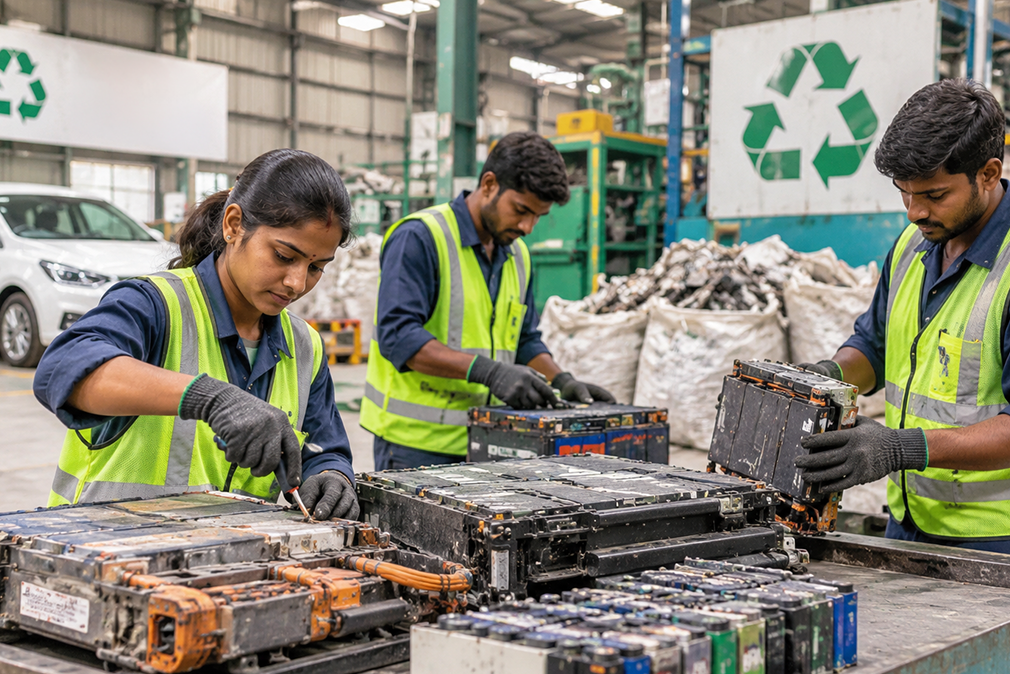
The Growing Importance of Responsible Battery Management in India’s EV Ecosystem India is rapidly emerging as a global hub for electric vehicle (EV) adoption, driven by ambitious government targets, growing consumer interest, and investments in EV infrastructure. At the heart of this transformation are lithium-ion batteries, which power a majority of EVs due to their high energy density, efficiency, and declining costs. However, as EV penetration deepens, the challenge of managing used and end-of-life lithium-ion batteries becomes increasingly urgent. Improper disposal or handling of these batteries poses serious environmental and health risks, given their toxic and flammable components. Responsible battery
Empowering a Cleaner Tomorrow: The Role of EPR in Managing Small-Format Battery Waste
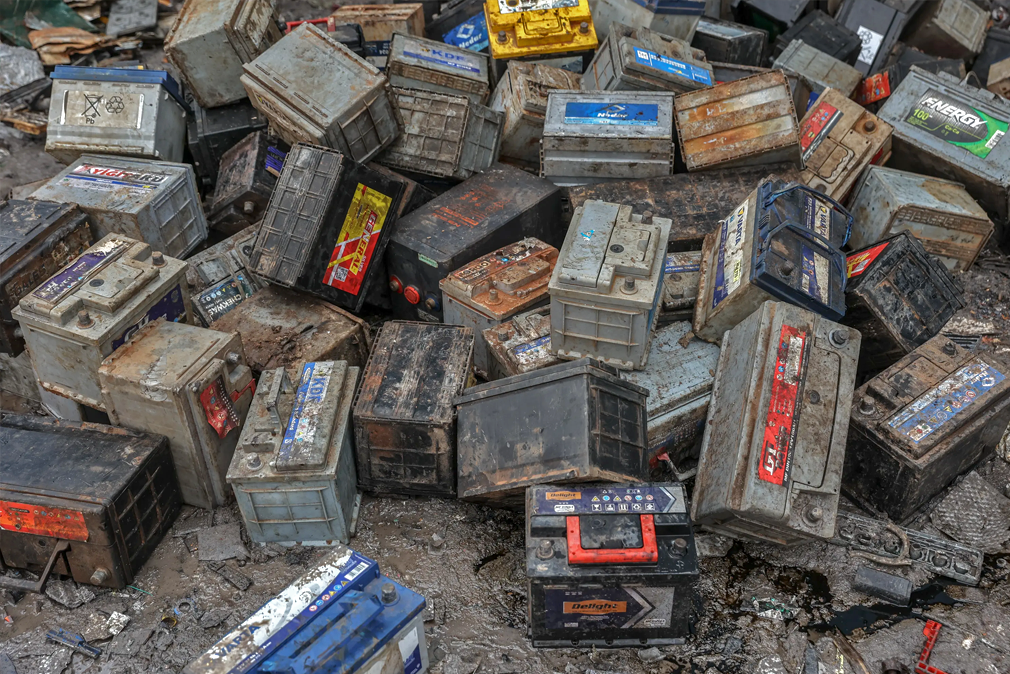
Understanding the Growing Impact of Small-Format Batteries on Sustainability Small-format batteries are an essential part of modern life, powering everything from remote controls and wireless mice to hearing aids, fitness trackers, and portable medical devices. These batteries, typically ranging from button cells and coin batteries to AA and AAA sizes, are favored for their convenience and portability. As consumer electronics continue to proliferate, the demand for small-format batteries has surged globally, driving significant growth in production and, inevitably, waste generation. Despite their relatively small size, the cumulative environmental impact of discarded small-format batteries is substantial. When improperly disposed of in