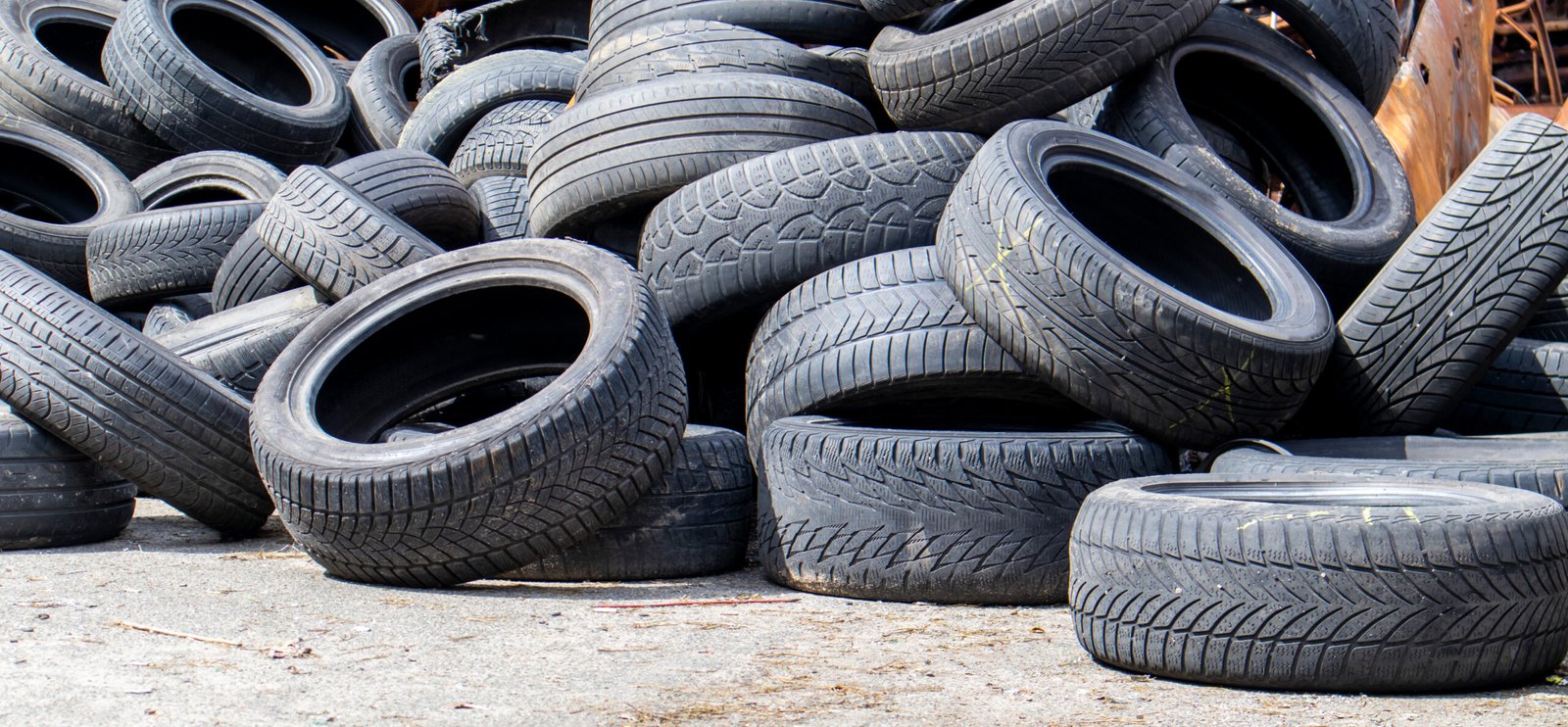
Turning End-of-Life Tyres into Opportunity: The Role of Pyrolysis and Policy
The disposal of end-of-life tyres has become an urgent environmental issue across the globe, with India facing its own mounting challenge. Rapid urbanization, increasing vehicle ownership, and expanding industrial activities have led to a significant rise in tyre waste generation. These discarded tyres, if not managed properly, pose severe environmental hazards including land pollution, blockage of drainage systems, fire risks, and toxic emissions when burnt openly. In this context, innovative solutions like tyre pyrolysis have emerged as a transformative approach, converting waste tyres into valuable resources while mitigating environmental harm.
Tyre pyrolysis is a thermochemical process that breaks down used tyres in an oxygen-free environment to produce pyrolysis oil, carbon black, steel, and gas. These outputs have substantial commercial value, enabling the conversion of what was once considered waste into raw materials for various industries. The process not only addresses the volume problem but also contributes to resource efficiency and circular economy goals. With India’s expanding tyre waste stream, pyrolysis offers an attractive alternative to traditional disposal methods such as landfilling or uncontrolled burning, which have detrimental environmental and health impacts.
Alongside technological advancements, regulatory frameworks play a critical role in driving sustainable tyre waste management. India’s Extended Producer Responsibility (EPR) policy holds tyre manufacturers and importers accountable for the entire lifecycle of their products. Under this policy, producers must ensure that tyres are collected and recycled through authorized channels, thus fostering a more systematic and responsible approach to waste management. The EPR framework acts as a key enabler for the adoption of technologies like pyrolysis by creating demand for certified recycling facilities and encouraging investments in sustainable practices.
The integration of tyre pyrolysis technology with EPR compliance creates a symbiotic relationship that benefits multiple stakeholders—from producers and recyclers to regulators and the environment. Producers benefit by fulfilling their recycling obligations efficiently, while pyrolysis operators gain access to consistent feedstock and opportunities to commercialize recovered products. Meanwhile, the environment benefits from reduced tyre stockpiles, lower pollution levels, and the conservation of natural resources through material recovery.
- Pyrolysis converts waste tyres into valuable products like oil, carbon black, and steel.
- EPR policies assign responsibility to producers for tyre collection and recycling.
- Combining technology with regulation promotes sustainable, circular tyre management.
- Proper tyre waste management mitigates environmental hazards such as fires and pollution.
- Economic opportunities arise from resource recovery and material reuse.
Overall, turning end-of-life tyres into economic and environmental opportunities depends on the successful collaboration between innovative technologies like pyrolysis and well-structured policies such as EPR. This dual approach holds promise to reshape tyre waste management in India, addressing ecological concerns while creating pathways for greener growth and circular economy development.
As India grapples with the challenge of managing its growing mountain of tyre waste, pyrolysis technology is emerging as a game-changing solution. At the same time, Extended Producer Responsibility (EPR) regulations are pushing producers to take ownership of their end-of-life tyres. Together, these forces are transforming the landscape of waste tyre management, offering both environmental promise and regulatory complexity.
What is Tyre Pyrolysis and How Does It Work?
Tyre pyrolysis is a specialized thermal decomposition process that transforms scrap tyres into useful products by heating them in an oxygen-free environment. Unlike combustion, which burns tyres releasing harmful pollutants, pyrolysis breaks down the complex polymers and additives in tyres into simpler chemical compounds without direct burning. This method is gaining prominence as an effective way to manage tyre waste while recovering valuable materials such as pyrolysis oil, carbon black, steel, and combustible gases.
The process begins with shredding or cutting tyres into smaller pieces, which are then fed into a sealed reactor known as a pyrolyzer. Inside the reactor, the temperature is gradually raised to between 400°C and 600°C in the absence of oxygen to prevent combustion. At these elevated temperatures, the long chains of rubber polymers break down into smaller molecules, generating a mix of gases and vapors. These vapors condense into liquid oil, while the remaining solids include carbon black and steel components that can be separated and recycled.
An important feature of pyrolysis is the recycling of some of the produced gases back into the system to fuel the heating process, which increases energy efficiency and lowers operational costs. The oil obtained, commonly called pyrolysis oil, resembles crude oil and can be refined further for use as an alternative fuel or chemical feedstock. Carbon black, a fine black powder found in tyres, is recovered as a solid residue and can be used in manufacturing new tyres, inks, and paints. Steel wires extracted from tyres are separated magnetically and sent for recycling in metal industries.
Compared to traditional disposal methods like landfilling or open burning, pyrolysis offers multiple environmental and economic benefits. It significantly reduces the volume of tyre waste, curtails hazardous emissions, and creates valuable by-products. However, the efficiency and environmental safety of the process depend heavily on plant design, operational controls, and adherence to pollution standards.
- Pyrolysis involves heating tyres in an oxygen-free environment to decompose materials.
- Main outputs are pyrolysis oil, carbon black, steel, and combustible gas.
- Shredded tyres are processed in sealed reactors called pyrolyzers.
- Produced gases can be recycled as fuel within the system to improve efficiency.
- Recovered materials have commercial value and reduce dependence on virgin resources.
Overall, tyre pyrolysis represents a promising technological solution that combines waste reduction with resource recovery. As demand for sustainable tyre waste management grows, pyrolysis plants are increasingly seen as vital components of circular economy strategies, turning end-of-life tyres into raw materials that can re-enter industrial production cycles.
Tyre pyrolysis is a thermal decomposition process that breaks down used tyres in the absence of oxygen, converting them into valuable secondary materials like pyrolysis oil, carbon black, and steel wire. This approach provides an eco-friendlier alternative to burning or landfilling scrap tyres, aligning with circular economy principles.
The Chemistry and Engineering Behind Pyrolysis
At the core of tyre pyrolysis lies a complex chemical transformation driven by thermal decomposition in the absence of oxygen. When heated to high temperatures—typically between 400°C and 600°C—the large polymer chains that make up tyre rubber begin to break apart into smaller hydrocarbon molecules. This process, known as cracking, splits long molecular chains into gases, liquids, and solid residues. The absence of oxygen prevents combustion, allowing the tyre material to decompose rather than burn.
From an engineering perspective, this controlled environment is maintained inside a sealed reactor vessel, or pyrolyzer, designed to sustain high temperatures while preventing air ingress. The system often incorporates a continuous or batch feed mechanism for shredded tyre feedstock and includes heating elements, condensers, and gas recovery units. The gases released during pyrolysis—such as methane, hydrogen, and carbon monoxide—are often collected and recycled as fuel to maintain the process temperature, enhancing energy efficiency.
The solid residue primarily consists of carbon black, a finely divided form of elemental carbon that was originally used as a reinforcing filler in tyres, and steel wires, which are separated magnetically post-process. The pyrolysis oil, a complex mixture of hydrocarbons, can be refined or used directly as a fuel source, while the gas stream supports the thermal needs of the system. Efficient design and precise temperature control are critical to optimizing yields and minimizing the production of unwanted by-products or pollutants.
During pyrolysis, tyres are shredded and heated to temperatures between 400°C to 600°C in a sealed reactor. Without oxygen, the rubber decomposes into a mix of solid, liquid, and gaseous by-products. These include pyrolysis oil, which can be refined into fuel; carbon black, used in manufacturing; and recoverable steel. The process is energy-intensive but significantly reduces the environmental footprint of tyre disposal.
Advantages Over Conventional Tyre Disposal
Compared to incineration or open dumping, pyrolysis captures value from tyre waste and prevents pollution. It also reduces dependence on virgin materials by recovering usable by-products. However, operational efficiency and emissions control remain key concerns, especially in unregulated units.
EPR Compliance and Its Implications for Tyre Pyrolysis
Extended Producer Responsibility (EPR) is a regulatory framework that shifts the responsibility for managing end-of-life products from governments to producers. In the context of tyre waste, EPR mandates that tyre manufacturers and importers take active roles in ensuring the collection, recycling, and environmentally sound disposal of used tyres. This policy approach aims to reduce environmental burdens by promoting circular economy principles and fostering sustainable waste management practices.
For tyre pyrolysis operators, EPR compliance carries significant implications. Since EPR obliges producers to partner with authorized recyclers or establish their own recycling systems, pyrolysis plants have become crucial players in meeting these regulatory requirements. By providing an efficient and resource-recovering method of tyre recycling, pyrolysis aligns well with EPR’s goals of minimizing landfill disposal and reducing pollution. Moreover, pyrolysis facilities that adhere to environmental standards can receive feedstock from producers fulfilling their EPR targets, creating a steady supply of end-of-life tyres.
Meeting EPR mandates involves several key activities, including proper tyre collection, transparent reporting, and certification from regulatory bodies. Producers must submit periodic compliance reports demonstrating how much tyre waste has been processed through approved channels like pyrolysis. This increases accountability and incentivizes the establishment of more efficient recycling infrastructure. Additionally, pyrolysis plants benefit from EPR-driven demand as tyre waste collection becomes more organized and legally enforced.
While EPR frameworks enhance recycling rates, they also pose challenges. Pyrolysis operators must ensure their technology meets pollution control norms and that the recovered materials meet quality standards. Non-compliance risks regulatory penalties and can affect partnerships with producers. However, the policy environment also opens doors for innovation, investment, and market expansion within the tyre waste recycling sector.
- EPR makes tyre producers responsible for end-of-life tyre collection and recycling.
- Pyrolysis is a key technology helping producers fulfill EPR obligations.
- Compliance requires documented tyre waste processing and certification.
- Strict environmental standards must be met by pyrolysis facilities.
- EPR encourages development of organized tyre waste management systems.
In summary, EPR compliance is reshaping the tyre waste recycling landscape by driving demand for effective recycling technologies like pyrolysis. It encourages a shift from ad hoc waste disposal toward structured, accountable systems that prioritize environmental protection and resource recovery. This alignment between policy and technology is vital to building a sustainable tyre management ecosystem for the future.
India’s EPR framework for waste tyres mandates that producers, importers, and brand owners ensure the environmentally sound management of tyres throughout their lifecycle. Pyrolysis has quickly become central to fulfilling these obligations, but not without raising compliance and quality assurance questions.
Integrating Pyrolysis into the EPR Ecosystem
Integrating tyre pyrolysis into the Extended Producer Responsibility (EPR) ecosystem involves creating a streamlined partnership between tyre producers, recyclers, and regulatory bodies. Pyrolysis facilities play a pivotal role as authorized recyclers by converting collected end-of-life tyres into valuable materials, thereby helping producers meet their recycling and disposal obligations under EPR mandates. This integration supports a circular economy approach by ensuring that tyres are not merely discarded but re-enter the industrial cycle in a sustainable manner.
For effective integration, clear communication and coordination are essential between producers who generate EPR obligations and pyrolysis operators who handle the actual recycling. Producers often collaborate with waste collection agencies and pyrolysis plants to establish an efficient tyre collection and processing network. The availability of certified pyrolysis plants encourages producers to comply with regulations while minimizing their environmental footprint. Furthermore, regulatory agencies oversee these processes to verify compliance through regular audits and certification, maintaining transparency and accountability across the value chain.
Beyond compliance, integrating pyrolysis into the EPR ecosystem also stimulates technological advancements and investment in sustainable waste management infrastructure. As pyrolysis becomes an accepted and supported recycling method within EPR frameworks, it encourages innovation aimed at improving product quality, energy efficiency, and emission control. This synergy strengthens the overall tyre waste management landscape and helps transform tyre recycling into a commercially viable and environmentally responsible industry.
Under the new EPR regulations issued by the MoEFCC and CPCB, producers must collect and recycle a fixed percentage of tyre waste annually. Registered pyrolysis facilities offer a practical channel for meeting these targets. However, only authorized recyclers and processors are allowed to generate valid EPR credits, requiring producers to carefully vet their partners.
Challenges with Informal and Non-Compliant Units
A key issue in the Indian context is the prevalence of informal pyrolysis units that operate without emission controls or regulatory oversight. These plants can emit harmful pollutants, undermining the environmental goals of EPR. Strengthening monitoring and enforcement will be crucial to ensuring that EPR-supported pyrolysis contributes positively to sustainability goals.
- EPR is driving increased demand for tyre pyrolysis services
- Only CPCB-registered units can issue legitimate recycling credits
- Non-compliance risks both environmental harm and legal penalties
Environmental Impact: A Double-Edged Sword?
Tyre pyrolysis holds great promise as a sustainable method for managing end-of-life tyres, yet it also presents complex environmental considerations that warrant careful evaluation. On one hand, pyrolysis offers a significant reduction in landfill waste and curtails the open burning of tyres—practices that have historically led to soil contamination, air pollution, and fire hazards. By converting waste tyres into valuable products like pyrolysis oil, carbon black, and recovered steel, this technology supports resource conservation and reduces reliance on virgin raw materials.
However, the environmental benefits of pyrolysis come with challenges. The process involves high-temperature operations that can generate emissions, including volatile organic compounds (VOCs), particulate matter, and potentially hazardous gases if not properly controlled. The quality of the pyrolysis oil and the fate of residual solids also raise questions about the safe handling and utilization of these by-products. Without stringent pollution control systems and regulatory oversight, poorly managed pyrolysis plants may contribute to air and soil pollution.
Furthermore, the lifecycle environmental footprint of tyre pyrolysis depends on factors such as energy consumption, feedstock quality, and downstream use of recovered materials. While pyrolysis can recycle a large volume of tyre waste, it should not be viewed as a standalone solution but rather as one component of an integrated waste management strategy that includes reduction, reuse, and other recycling methods.
- Pyrolysis reduces landfill burden and prevents open tyre burning.
- Recovered materials help conserve natural resources and reduce emissions from virgin material production.
- Potential emissions require effective air pollution controls to minimize environmental impact.
- By-product management is crucial to avoid secondary pollution risks.
- Energy efficiency and process optimization influence overall environmental performance.
To maximize environmental benefits, regulatory agencies and industry stakeholders emphasize the importance of adopting best practices in plant design, operation, and emissions monitoring. Advanced pyrolysis systems equipped with scrubbers, filters, and gas treatment units can significantly reduce harmful emissions, ensuring compliance with environmental standards. Additionally, transparent reporting and community engagement foster trust and accountability. Ultimately, tyre pyrolysis, when implemented responsibly within a robust policy framework such as Extended Producer Responsibility (EPR), can transform tyre waste from an environmental liability into a valuable resource, driving progress toward a circular and cleaner economy.
While tyre pyrolysis offers clear benefits in terms of waste reduction and resource recovery, its environmental impact depends heavily on how it’s implemented. Modern, well-managed pyrolysis plants can minimize emissions and generate useful outputs—but unregulated operations can contribute to air and soil pollution, defeating the purpose of sustainable waste management.
Managing Emissions and Ensuring Safe Output
Managing emissions is a critical aspect of operating tyre pyrolysis plants responsibly. During pyrolysis, various gases, including volatile organic compounds (VOCs), sulfur compounds, and particulate matter, can be released if the system is not properly sealed and controlled. To minimize environmental and health risks, modern pyrolysis facilities incorporate advanced air pollution control technologies such as scrubbers, electrostatic precipitators, and catalytic converters. These systems effectively capture and neutralize harmful emissions before they are released into the atmosphere.
Ensuring the safety and quality of pyrolysis outputs is equally important. The solid residue, mainly carbon black and steel, must be handled carefully to prevent contamination. High-quality carbon black can be reused in rubber manufacturing or as an additive in other industries, but impurities or residual chemicals need to be minimized. Similarly, pyrolysis oil requires proper refining or treatment before it can be used as fuel or chemical feedstock to avoid releasing pollutants during its combustion.
Regular monitoring, stringent operational protocols, and adherence to environmental standards are essential for safe pyrolysis operations. Transparent reporting and third-party audits help maintain accountability. By integrating emission management and product safety measures, pyrolysis plants can significantly reduce their environmental footprint, aligning with broader sustainability goals and regulatory expectations.
To operate sustainably, pyrolysis facilities must include air pollution control equipment such as scrubbers and filters. The quality of the output, especially pyrolysis oil and carbon black, also varies widely. Ensuring standardization and quality control is essential if these by-products are to be reused safely in industrial applications.
Opportunities for Circular Economy Integration
When properly integrated, pyrolysis can support the circular economy by feeding secondary raw materials back into manufacturing. For instance, carbon black from pyrolysis can be reused in rubber products, while pyrolysis oil may be refined for industrial fuel. With appropriate policy incentives and investment in cleaner technology, the sector could become a model for resource-efficient recycling.
The Road Ahead: Innovation, Regulation, and Responsible Growth
The future of tyre pyrolysis within the framework of Extended Producer Responsibility (EPR) hinges on continuous innovation, evolving regulatory landscapes, and a commitment to responsible growth. As the demand for sustainable tyre waste management intensifies, technological advancements are expected to enhance the efficiency, environmental performance, and economic viability of pyrolysis processes. Innovations such as improved reactor designs, better catalyst use, and integrated energy recovery systems can reduce emissions, lower energy consumption, and increase the quality of recovered products.
At the same time, regulatory bodies are tightening environmental standards and expanding EPR mandates, which will shape how pyrolysis plants operate. Stronger policies around emissions control, product traceability, and waste reporting will require operators to adopt best practices and invest in cleaner technologies. Collaboration between policymakers, industry players, and researchers will be crucial to creating a balanced regulatory environment that promotes sustainable development without stifling innovation.
Responsible growth in the tyre pyrolysis sector also involves addressing social and economic dimensions. Creating job opportunities, fostering skill development, and engaging local communities can enhance the social license to operate. Transparency and stakeholder engagement build trust and encourage collective efforts toward a circular economy. Moreover, market mechanisms such as carbon credits or incentives for using recovered materials can further motivate sustainable practices.
- Ongoing technological improvements to increase process efficiency and reduce emissions.
- Evolving regulations focused on stricter environmental compliance and waste management transparency.
- Collaboration between government, industry, and academia for innovation and policy development.
- Socioeconomic initiatives to promote inclusive growth and community participation.
- Incentives and market-based tools to encourage the use of pyrolysis-derived products.
In conclusion, the synergy of innovation, regulation, and responsible business practices will determine the long-term success of tyre pyrolysis as a sustainable solution for tyre waste management under EPR. Embracing these elements will not only reduce environmental impacts but also unlock new economic opportunities, positioning tyre pyrolysis as a key contributor to a greener and more circular future.
As India refines its approach to EPR and advances waste management policy, tyre pyrolysis stands at a pivotal juncture. To unlock its full potential, stakeholders must invest in technology upgrades, enforce environmental safeguards, and foster collaboration across the tyre value chain. Done right, this could turn a massive waste challenge into a sustainability success story.

Leave a Reply