cms

Category: TYRE WASTE

  • Turning Old Tyres into New Opportunities: How India’s EPR Rules Are Reshaping Waste Management

    Turning Old Tyres into New Opportunities: How India’s EPR Rules Are Reshaping Waste Management

    How Tyres Travel from Roadside Waste to Valuable Resource

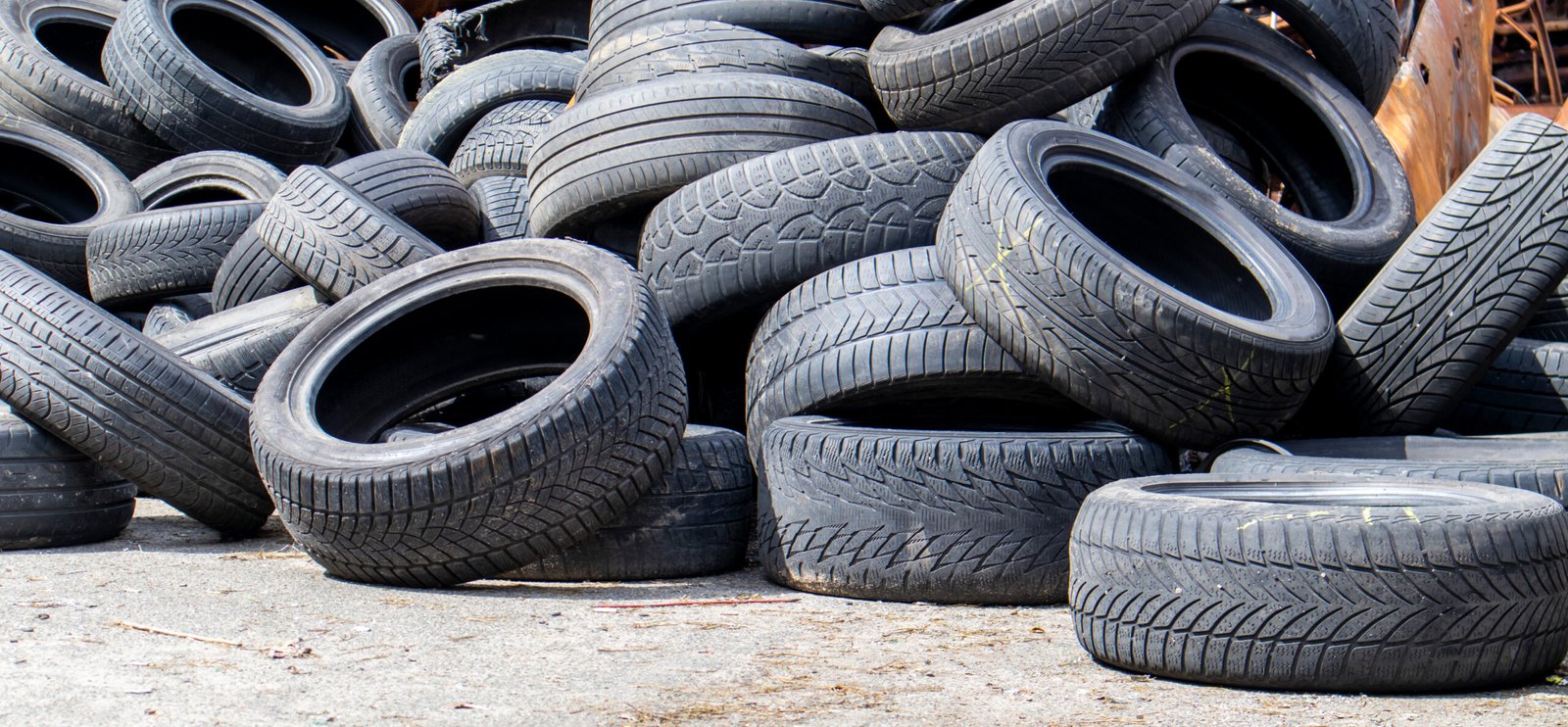
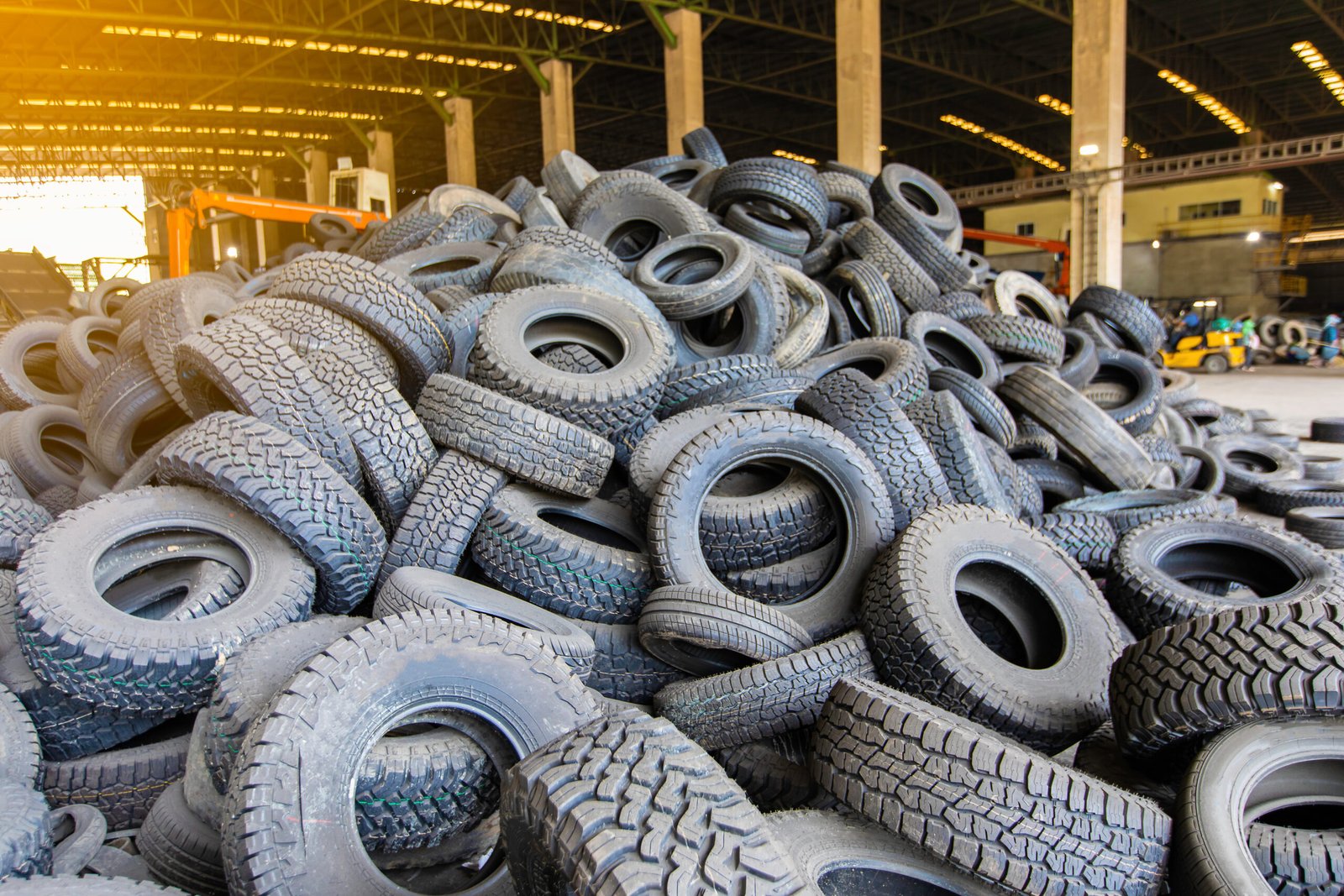
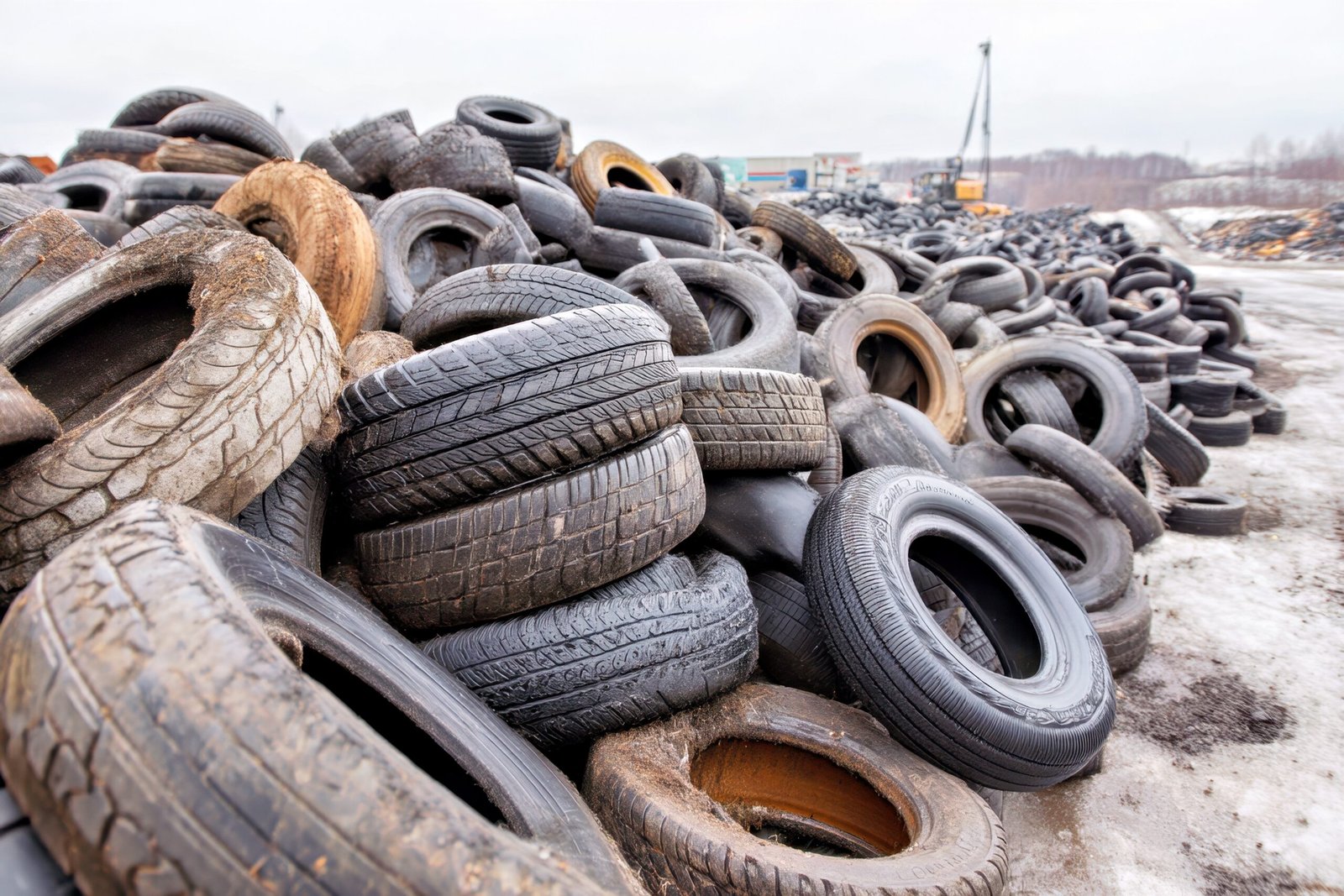
    Tyres are among the most durable products manufactured today, designed to withstand immense pressure, friction, and weather conditions over thousands of kilometers. But once they wear out, they become a challenging waste stream. Discarded tyres are bulky, non-biodegradable, and hazardous when stockpiled or improperly burned. For decades, India grappled with how to handle the growing volumes of end-of-life tyres (ELTs). Now, the Extended Producer Responsibility (EPR) framework is changing the narrative—transforming waste tyres from a disposal problem into a resource opportunity.

    The journey of a tyre from waste to resource begins the moment it is removed from a vehicle. Under India’s EPR regime, tyre producers are held accountable for the entire post-consumer lifecycle of their products. This responsibility has led to the creation of structured reverse logistics systems, authorized recyclers, and technology-driven tracking mechanisms. These systems ensure that waste tyres do not end up polluting the environment but are instead rerouted into certified recycling or recovery facilities.

    In practice, the transformation of waste tyres involves several key stages—each with its own actors, challenges, and environmental benefits. From informal collectors who pick up used tyres from garages, to recyclers who process them into usable materials, this lifecycle is now increasingly formalized under regulatory oversight.

    • Collection: Tyres are gathered from service centers, tyre retailers, and scrap dealers, either by informal workers or authorized collection agencies.
    • Transportation: Collected tyres are transported to registered recyclers or aggregators using traceable logistics systems mandated by the EPR guidelines.
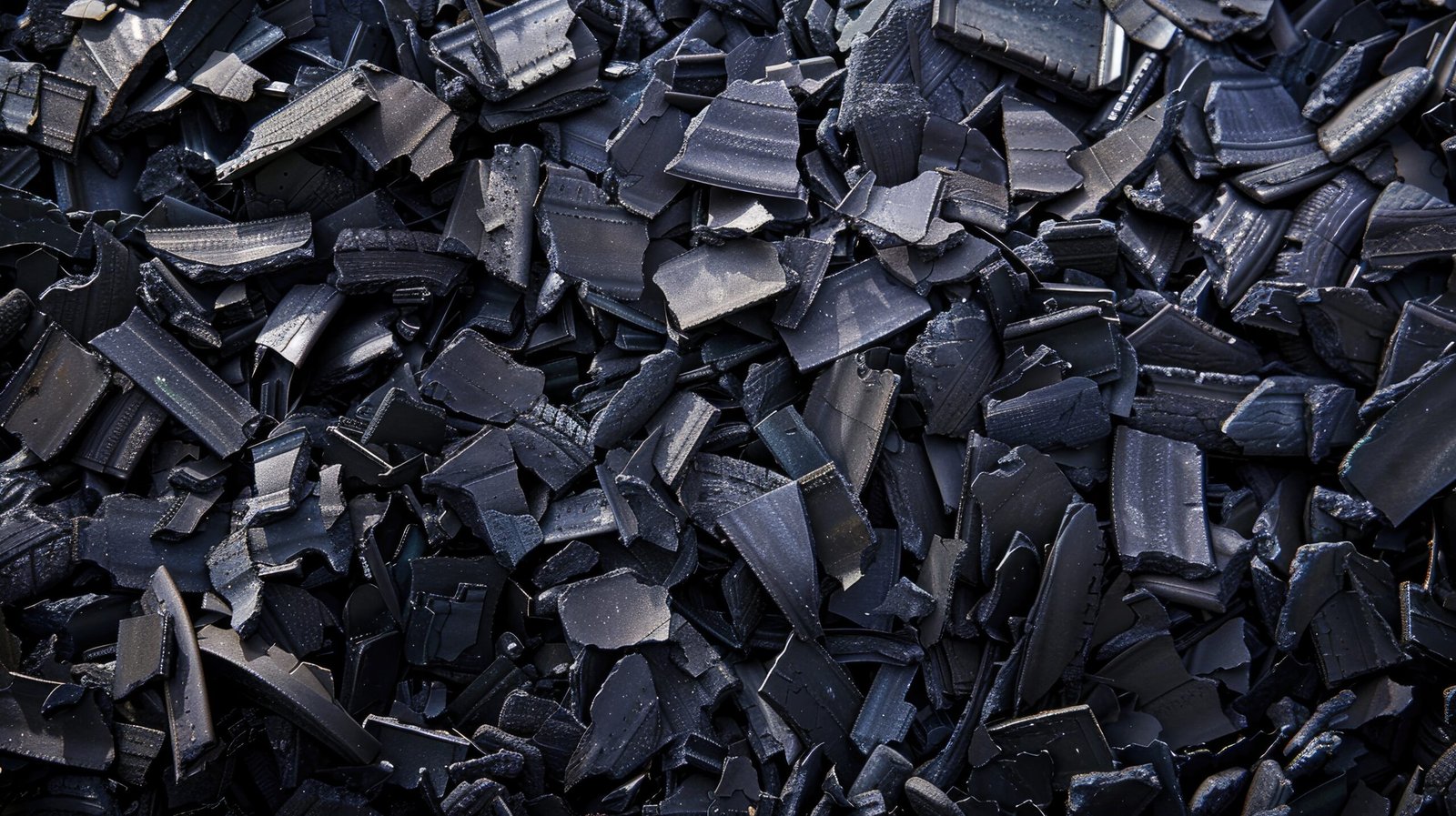
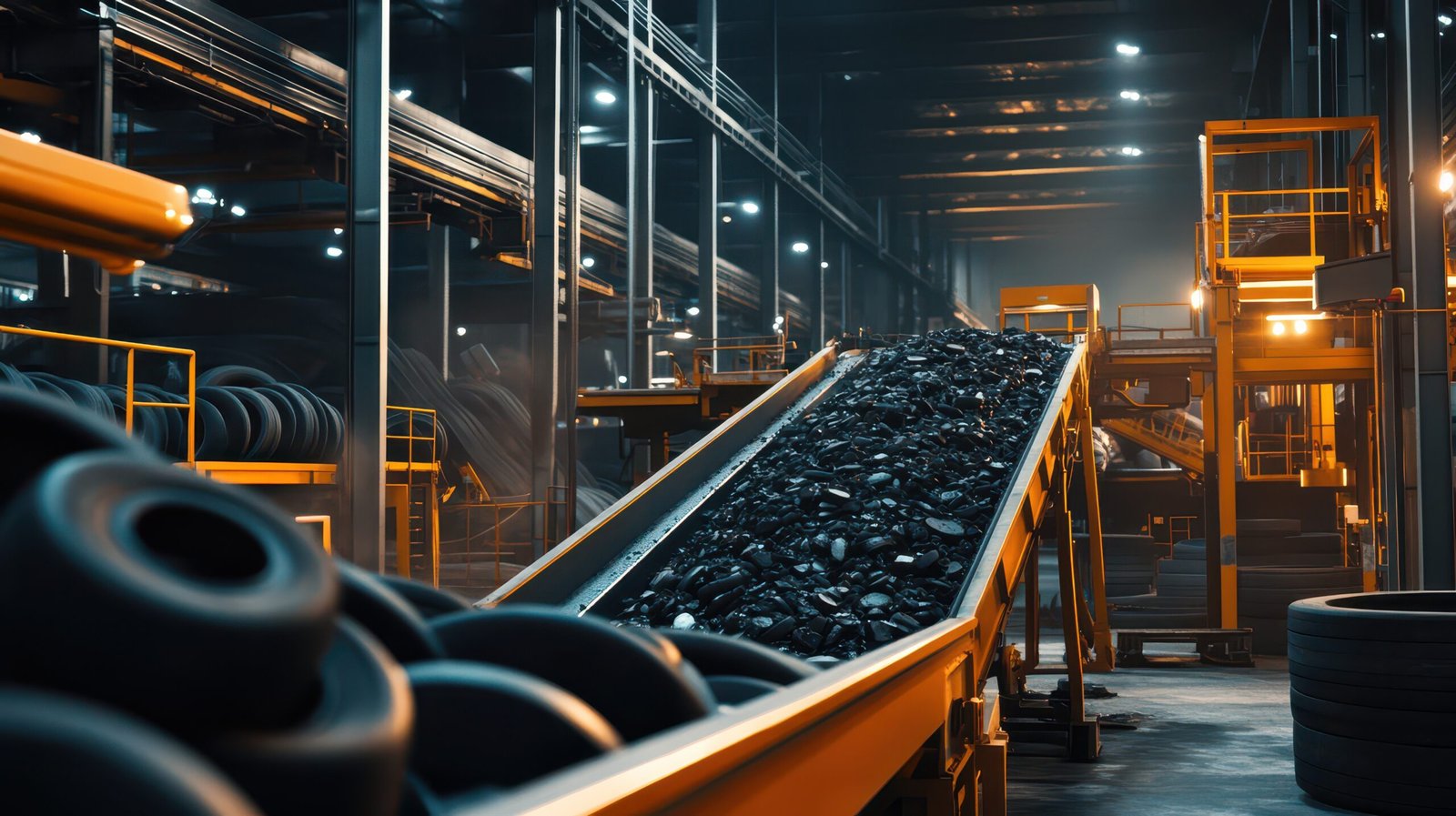
    • Processing: At recycling facilities, tyres are shredded, crumbled, or chemically processed into outputs like rubber granules, steel, pyrolysis oil, or even alternative fuels.

    Each of these steps not only contributes to environmental protection but also opens up avenues for green entrepreneurship and job creation. The rubber extracted can be used in athletic tracks or road surfacing, while recovered steel is valuable for metal industries. Even the oil from pyrolysis can substitute fossil fuels in select industries, showcasing the tyre’s potential beyond its original use.

    By bringing structure and accountability to what was once an informal, fragmented system, EPR is enabling tyres to complete a circular journey. What was once a burden on landfills and ecosystems is now a catalyst for resource recovery, industrial input, and environmental sustainability.

    Every year, millions of tyres reach the end of their life on Indian roads. While once destined for landfills or illegal burning, these bulky, non-biodegradable materials now follow a new path—thanks to India’s Extended Producer Responsibility (EPR) framework. This article explores how a used tyre transitions from waste to resource under EPR, highlighting the systems, responsibilities, and opportunities that define this critical transformation.

    Understanding the Life Cycle of a Tyre Under EPR

    The life cycle of a tyre does not end when its tread wears down. Under India’s Extended Producer Responsibility (EPR) framework, the tyre’s post-consumer journey is carefully tracked and regulated. This policy approach places the responsibility of end-of-life management squarely on producers, importers, and brand owners, ensuring that waste tyres are collected, transported, and processed in environmentally sound ways. The result is a structured and accountable system where old tyres are no longer seen as a liability, but as valuable input for circular economy processes.

    The Central Pollution Control Board (CPCB), under the Ministry of Environment, Forest and Climate Change (MoEFCC), oversees the implementation of EPR for tyre waste. The framework requires stakeholders to register on the CPCB portal, submit annual action plans, and achieve predefined collection and recycling targets. These targets are expressed as a percentage of tyres introduced into the market, gradually increasing year-on-year to align with long-term sustainability goals.

    Throughout the tyre’s life cycle under EPR, several checkpoints ensure proper handling and traceability. The process begins once a tyre becomes unusable and is handed over to a collection point. From there, a chain of custody is maintained, ensuring that only registered transporters and recyclers handle the material. This minimizes the risk of illegal dumping, burning, or export—practices that previously plagued the sector.

    • Registration: Producers and recyclers must be registered on the CPCB’s online portal and meet compliance conditions.
    • Collection & Aggregation: Used tyres are collected from retailers, garages, and bulk generators, then aggregated for bulk transport.
    • Recycling & Recovery: Authorized recyclers process tyres using methods like crumbing, devulcanization, and pyrolysis.
    • Reporting & Verification: Producers submit annual EPR fulfillment reports with evidence, including invoices and GPS-tracked logistics data.

    One of the cornerstones of this framework is traceability. Digital platforms are now being used to link every step of the tyre’s journey—from collection to recycling—with geo-tagged and time-stamped data. This reduces leakages, boosts transparency, and builds accountability across the value chain.

    Understanding the life cycle of a tyre within the EPR system highlights how policy and technology can work together to close the loop. It also underscores the shift in perception—from treating tyres as waste to managing them as a renewable resource that, when recycled responsibly, can reduce environmental pressure and foster sustainable growth.

    A tyre’s journey doesn’t end when it’s no longer roadworthy. The EPR framework assigns responsibility to tyre producers for managing the entire lifecycle of their products—even after consumer use. This system ensures that tyres are tracked, collected, and directed toward environmentally sound disposal or recycling methods.

    Producer Responsibility and EPR Mandates

    Under the EPR framework, the responsibility of managing tyre waste does not end at the point of sale. Instead, tyre producers, importers, and brand owners (commonly referred to as PIBOs) are mandated to take accountability for the post-consumer phase of the product. This means ensuring that tyres introduced into the market are eventually collected and sent to certified recycling or recovery facilities in a transparent, verifiable manner.

    The Central Pollution Control Board (CPCB) has established clear obligations for these entities. PIBOs are required to register on the official EPR portal, submit annual tyre sales data, and create action plans that include waste tyre collection and processing targets. These targets are set as a percentage of tyres placed on the market and are gradually increased to promote higher recovery rates year over year.

    Additionally, producers must work only with authorized recyclers and aggregators, maintain digital records of tyre movement, and submit compliance reports with supporting documentation. Non-compliance can lead to penalties, suspension of operations, or cancellation of registration. By assigning legal responsibility and incorporating digital monitoring tools, the EPR system ensures that producers are not only involved in resource generation but also in end-of-life resource recovery—effectively creating a more circular and sustainable economy.

    Under the EPR framework established by the Ministry of Environment, Forest and Climate Change (MoEFCC), tyre producers, importers, and brand owners (PIBOs) must ensure proper collection and recycling. They are required to meet annual targets, report their compliance on the CPCB EPR portal, and engage with authorized recyclers. Failure to comply can result in penalties or loss of authorization.

    Collection Channels and Reverse Logistics

    A robust reverse logistics network is essential for bringing waste tyres from users to recycling centers. Informal collectors, retailers, and authorized aggregators form a vital link in this chain. The integration of technology and traceability has made it easier to document this journey, improving accountability and reducing leakages into illegal disposal streams.

    The Science and Economics of Tyre Recycling

    Tyre recycling is both a technological challenge and an economic opportunity. Waste tyres are composed of complex composite materials—mainly natural and synthetic rubber, steel, fabric, and carbon black. These materials are tightly bonded through vulcanization, a chemical process that enhances durability but makes separation difficult. Despite these challenges, advances in recycling science have made it possible to reclaim much of the material and energy embedded in end-of-life tyres (ELTs), opening up new commercial pathways under India’s EPR system.

    There are several methods used to recycle or recover value from waste tyres. Mechanical recycling involves shredding tyres into chips or granules, which are then used in products like rubberized asphalt, playground surfaces, or sports fields. Cryogenic processes use liquid nitrogen to freeze tyres, making them brittle enough to be broken into fine particles. Chemical methods like pyrolysis and devulcanization allow for the extraction of oil, gas, and carbon black, while also enabling the partial restoration of rubber polymers.

    From an economic standpoint, tyre recycling has evolved into a viable industry, driven by both market demand for secondary materials and regulatory compliance under EPR. India’s growing infrastructure and construction sectors increasingly use recycled rubber products, while pyrolysis oil is finding its place in energy-intensive industries as an alternative to diesel and furnace oil. Recovered steel and textiles are also fed back into the supply chain, contributing to resource efficiency.

    • Crumb Rubber: Produced via mechanical shredding, used in roads, mats, and flooring.
    • Pyrolysis Oil: Extracted through thermal decomposition, used as industrial fuel.
    • Recovered Carbon Black (rCB): Reused in rubber manufacturing, inks, and coatings.
    • Devulcanized Rubber: Partially restored rubber that can be remolded or blended with virgin compounds.

    The economics of tyre recycling are further strengthened by EPR obligations, which create a steady supply of waste tyres for processors. With digital traceability systems, subsidies in certain states, and government-backed initiatives to promote recycled products in public procurement, the industry is gaining both policy support and market traction.

    Ultimately, the intersection of science and economics is reshaping how tyres are perceived in the waste hierarchy. From a costly environmental burden, they are being reclassified as a renewable resource with industrial value—fueling innovation, reducing dependence on virgin raw materials, and supporting India’s circular economy transition.

    Once collected, tyres can be processed through various recycling methods such as pyrolysis, crumbing, or retreading. These techniques not only prevent environmental pollution but also convert waste into reusable materials like oil, steel, rubber granules, and even fuel—making tyre recycling both an ecological and economic imperative.

    Pyrolysis and Circular Economy Potential

    Pyrolysis involves heating tyres in the absence of oxygen to produce fuel oil, carbon black, and gas. While promising, it requires strict emission controls. When done right, it closes the loop on resource recovery and contributes to India’s circular economy goals by turning waste into industrial feedstock.

    • Recovered rubber granules are used in road construction and flooring
    • Steel wires are reprocessed by metal industries
    • Fuel oil substitutes conventional fossil fuels in select sectors

    Challenges and Innovations in Tyre Waste Management

    Managing tyre waste at scale in a country like India presents a unique set of challenges. Despite regulatory advances through the EPR framework, large volumes of waste tyres still escape formal channels. Informal recycling operations, unregulated pyrolysis units, and illegal exports continue to undermine efforts toward sustainable waste management. These practices not only degrade the environment but also distort the market for legitimate recyclers who invest in cleaner technologies and regulatory compliance.

    One of the key challenges is the lack of widespread awareness and collection infrastructure, particularly in semi-urban and rural areas. Many vehicle owners and tyre retailers are unaware of safe disposal options or continue to rely on informal collectors. Additionally, traceability remains a hurdle despite digital platforms introduced under EPR. Gaps in real-time monitoring, data integrity, and enforcement still allow leakages in the reverse supply chain.

    On the innovation front, however, promising solutions are beginning to emerge. Entrepreneurs and established recyclers are deploying technologies like AI-powered material sorters, GPS-enabled collection tracking, and clean pyrolysis units that operate within environmental standards. These innovations are being backed by government incentives, private investment, and R&D partnerships that aim to boost efficiency, compliance, and circularity in the tyre value chain.

    • Clean Pyrolysis Technologies: Modern plants with emissions controls and automated feedstock systems are replacing traditional batch reactors.
    • Digital Tracking Platforms: Use of blockchain and IoT to enhance transparency and reduce manipulation of EPR credits.
    • Upcycling Initiatives: Converting waste tyres into high-value products like designer flooring tiles, insulation panels, or eco-construction materials.

    Furthermore, collaborative models are gaining ground. Public-private partnerships (PPPs), industry consortiums, and start-up accelerators are helping scale responsible tyre waste solutions. These models not only address the technical and financial barriers faced by small recyclers but also help integrate informal workers into the formal system through skilling and certification programs.

    While the road to full EPR compliance in tyre waste management is complex, it is also paved with opportunity. By addressing structural weaknesses and embracing innovation, India can lead by example in turning a persistent waste challenge into a platform for green industrial growth and environmental stewardship.

    Despite growing infrastructure, several challenges persist in tyre waste management under EPR. These include lack of public awareness, gaps in informal sector integration, and limited access to compliant recycling facilities in some regions. However, innovative startups and digital tracking systems are helping close these gaps, making compliance more transparent and effective.

    Bridging the Gap Between Informal and Formal Sectors

    India’s informal sector handles a significant portion of tyre waste. Formalizing this workforce through training, registration, and incentives can improve traceability and quality of recycling. EPR frameworks now encourage collaboration between informal actors and certified recyclers to ensure a more inclusive and efficient value chain.

    Where Do We Go From Here? Building a Future-Ready EPR Ecosystem

    As India scales up its Extended Producer Responsibility (EPR) system for waste tyres, the focus is shifting from basic compliance to long-term ecosystem readiness. This means building not just capacity, but resilience, innovation, and inclusivity into the framework. A future-ready EPR ecosystem must go beyond mandates and targets—it should enable seamless coordination among producers, regulators, recyclers, consumers, and the informal sector while keeping environmental and economic goals aligned.

    One of the primary needs is to enhance digital integration and transparency. While online portals for registration and reporting have improved accountability, they require further interoperability with real-time data tools like GPS tracking, RFID-enabled containers, and AI-based verification of recycling records. These upgrades can plug loopholes, detect non-compliance early, and boost confidence in the EPR credit market.

    Another crucial step is strengthening end-use markets for recycled tyre materials. The long-term viability of the EPR system depends on ensuring there is a steady demand for products like crumb rubber, pyrolysis oil, and recovered carbon black. Government procurement policies, green public infrastructure programs, and tax incentives can all stimulate demand for circular materials, making recycling economically attractive and environmentally beneficial.

    • Integrating informal workers through training and formal certifications to boost traceability and social inclusion.
    • Developing localized collection infrastructure in Tier 2 and Tier 3 cities to ensure consistent tyre recovery rates.
    • Implementing national-level product design guidelines to support easier recycling and material recovery at end-of-life.

    Policy harmonization across states also plays a critical role. Uniform interpretation and enforcement of EPR rules—particularly regarding recycler authorization, emission standards, and data reporting—will ensure a level playing field and reduce compliance burdens for national-level producers. Further, the creation of a centralized national registry for verified recyclers and collection agents can streamline operations and prevent fraudulent practices.

    Ultimately, the success of India’s EPR journey for waste tyres will depend on how effectively it transitions from a rule-based system to a results-driven ecosystem. By focusing on systemic upgrades, stakeholder engagement, and circular market development, India can lead the global charge toward a future where waste tyres are no longer a problem to be managed but a resource to be unlocked.

    India’s approach to tyre waste under EPR is still evolving. Future progress depends on better data integration, policy enforcement, and producer innovation. By investing in sustainable practices and technologies, India can turn waste tyres from a pressing liability into a renewable asset—contributing to its broader climate and resource efficiency goals.

    Opportunities for Stakeholders Across the Value Chain

    From producers meeting compliance targets to recyclers investing in cleaner tech, and even consumers participating in take-back programs, everyone plays a role. Government support through incentives and stricter enforcement will further accelerate this transformation toward sustainable tyre management.

    Reimagining Waste Tyres as the Fuel for Tomorrow’s Sustainability

    The idea of a discarded tyre as a valuable resource may once have seemed far-fetched, but today it sits at the core of an evolving vision for sustainable development. As India deepens its commitment to circular economy practices, waste tyres are increasingly being recognized not as pollutants but as sources of renewable energy, industrial inputs, and economic opportunity. Through innovations in material science, policy mechanisms like EPR, and growing public awareness, the transformation of tyre waste is becoming a symbol of what a regenerative future could look like.

    Recycled tyre products now fuel several sectors—from transportation infrastructure to alternative energy. Crumb rubber is widely used in making long-lasting, low-maintenance roads, while pyrolysis processes convert tyres into oil that can supplement fossil fuel consumption in heavy industry. Even carbon black and steel recovered from tyres are being reintegrated into new manufacturing processes, significantly reducing the demand for virgin raw materials. These outcomes demonstrate that environmental sustainability and economic efficiency are not mutually exclusive.

    Reimagining waste tyres in this way aligns with global climate goals and resource conservation strategies. By reducing landfill pressure, curbing illegal burning, and displacing energy-intensive materials, tyre recycling helps lower greenhouse gas emissions and promotes cleaner production cycles. In rural areas, small-scale tyre recycling units are even contributing to local livelihoods, offering employment and promoting entrepreneurship—especially when supported by capacity-building initiatives and access to formal markets.

    • Pyrolysis oil reduces dependence on imported fuels and supports energy-intensive industries.
    • Recycled rubber roads are more durable and reduce maintenance costs in public infrastructure.
    • Recovered materials like carbon black and steel cut down the need for virgin mining and extraction.

    Looking ahead, India’s ability to scale this transformation depends on continuous investment in cleaner technologies, cross-sector collaboration, and inclusive policies. If tyre waste can be fully integrated into a closed-loop system—where design, use, and recovery are all part of a single, sustainable lifecycle—it will become a blueprint for tackling other complex waste streams. More importantly, it will show how industrial byproducts can be redirected toward environmental regeneration, economic inclusion, and climate resilience.

    The journey of waste tyres, from worn-out road companions to enablers of sustainability, is a powerful reminder that change often begins with rethinking the ordinary. In doing so, India is not just managing waste—it is crafting a future in which every product has a second life, and every challenge reveals a new opportunity.

    As India strengthens its EPR framework for tyre waste, a new story is being written—one where discarded tyres fuel innovation, employment, and resource recovery. The journey from road to resource is no longer linear or wasteful. It’s cyclical, resilient, and full of untapped potential. Stakeholders must now work together to ensure this momentum leads to long-term environmental gains and a truly circular tyre economy.

  • From Waste to Worth: How Tyre Pyrolysis is Shaping a Greener Future under EPR

    From Waste to Worth: How Tyre Pyrolysis is Shaping a Greener Future under EPR

    Turning End-of-Life Tyres into Opportunity: The Role of Pyrolysis and Policy

    The disposal of end-of-life tyres has become an urgent environmental issue across the globe, with India facing its own mounting challenge. Rapid urbanization, increasing vehicle ownership, and expanding industrial activities have led to a significant rise in tyre waste generation. These discarded tyres, if not managed properly, pose severe environmental hazards including land pollution, blockage of drainage systems, fire risks, and toxic emissions when burnt openly. In this context, innovative solutions like tyre pyrolysis have emerged as a transformative approach, converting waste tyres into valuable resources while mitigating environmental harm.

    Tyre pyrolysis is a thermochemical process that breaks down used tyres in an oxygen-free environment to produce pyrolysis oil, carbon black, steel, and gas. These outputs have substantial commercial value, enabling the conversion of what was once considered waste into raw materials for various industries. The process not only addresses the volume problem but also contributes to resource efficiency and circular economy goals. With India’s expanding tyre waste stream, pyrolysis offers an attractive alternative to traditional disposal methods such as landfilling or uncontrolled burning, which have detrimental environmental and health impacts.

    Alongside technological advancements, regulatory frameworks play a critical role in driving sustainable tyre waste management. India’s Extended Producer Responsibility (EPR) policy holds tyre manufacturers and importers accountable for the entire lifecycle of their products. Under this policy, producers must ensure that tyres are collected and recycled through authorized channels, thus fostering a more systematic and responsible approach to waste management. The EPR framework acts as a key enabler for the adoption of technologies like pyrolysis by creating demand for certified recycling facilities and encouraging investments in sustainable practices.

    The integration of tyre pyrolysis technology with EPR compliance creates a symbiotic relationship that benefits multiple stakeholders—from producers and recyclers to regulators and the environment. Producers benefit by fulfilling their recycling obligations efficiently, while pyrolysis operators gain access to consistent feedstock and opportunities to commercialize recovered products. Meanwhile, the environment benefits from reduced tyre stockpiles, lower pollution levels, and the conservation of natural resources through material recovery.

    • Pyrolysis converts waste tyres into valuable products like oil, carbon black, and steel.
    • EPR policies assign responsibility to producers for tyre collection and recycling.
    • Combining technology with regulation promotes sustainable, circular tyre management.
    • Proper tyre waste management mitigates environmental hazards such as fires and pollution.
    • Economic opportunities arise from resource recovery and material reuse.

    Overall, turning end-of-life tyres into economic and environmental opportunities depends on the successful collaboration between innovative technologies like pyrolysis and well-structured policies such as EPR. This dual approach holds promise to reshape tyre waste management in India, addressing ecological concerns while creating pathways for greener growth and circular economy development.

    As India grapples with the challenge of managing its growing mountain of tyre waste, pyrolysis technology is emerging as a game-changing solution. At the same time, Extended Producer Responsibility (EPR) regulations are pushing producers to take ownership of their end-of-life tyres. Together, these forces are transforming the landscape of waste tyre management, offering both environmental promise and regulatory complexity.

    What is Tyre Pyrolysis and How Does It Work?

    Tyre pyrolysis is a specialized thermal decomposition process that transforms scrap tyres into useful products by heating them in an oxygen-free environment. Unlike combustion, which burns tyres releasing harmful pollutants, pyrolysis breaks down the complex polymers and additives in tyres into simpler chemical compounds without direct burning. This method is gaining prominence as an effective way to manage tyre waste while recovering valuable materials such as pyrolysis oil, carbon black, steel, and combustible gases.

    The process begins with shredding or cutting tyres into smaller pieces, which are then fed into a sealed reactor known as a pyrolyzer. Inside the reactor, the temperature is gradually raised to between 400°C and 600°C in the absence of oxygen to prevent combustion. At these elevated temperatures, the long chains of rubber polymers break down into smaller molecules, generating a mix of gases and vapors. These vapors condense into liquid oil, while the remaining solids include carbon black and steel components that can be separated and recycled.

    An important feature of pyrolysis is the recycling of some of the produced gases back into the system to fuel the heating process, which increases energy efficiency and lowers operational costs. The oil obtained, commonly called pyrolysis oil, resembles crude oil and can be refined further for use as an alternative fuel or chemical feedstock. Carbon black, a fine black powder found in tyres, is recovered as a solid residue and can be used in manufacturing new tyres, inks, and paints. Steel wires extracted from tyres are separated magnetically and sent for recycling in metal industries.

    Compared to traditional disposal methods like landfilling or open burning, pyrolysis offers multiple environmental and economic benefits. It significantly reduces the volume of tyre waste, curtails hazardous emissions, and creates valuable by-products. However, the efficiency and environmental safety of the process depend heavily on plant design, operational controls, and adherence to pollution standards.

    • Pyrolysis involves heating tyres in an oxygen-free environment to decompose materials.
    • Main outputs are pyrolysis oil, carbon black, steel, and combustible gas.
    • Shredded tyres are processed in sealed reactors called pyrolyzers.
    • Produced gases can be recycled as fuel within the system to improve efficiency.
    • Recovered materials have commercial value and reduce dependence on virgin resources.

    Overall, tyre pyrolysis represents a promising technological solution that combines waste reduction with resource recovery. As demand for sustainable tyre waste management grows, pyrolysis plants are increasingly seen as vital components of circular economy strategies, turning end-of-life tyres into raw materials that can re-enter industrial production cycles.

    Tyre pyrolysis is a thermal decomposition process that breaks down used tyres in the absence of oxygen, converting them into valuable secondary materials like pyrolysis oil, carbon black, and steel wire. This approach provides an eco-friendlier alternative to burning or landfilling scrap tyres, aligning with circular economy principles.

    The Chemistry and Engineering Behind Pyrolysis

    At the core of tyre pyrolysis lies a complex chemical transformation driven by thermal decomposition in the absence of oxygen. When heated to high temperatures—typically between 400°C and 600°C—the large polymer chains that make up tyre rubber begin to break apart into smaller hydrocarbon molecules. This process, known as cracking, splits long molecular chains into gases, liquids, and solid residues. The absence of oxygen prevents combustion, allowing the tyre material to decompose rather than burn.

    From an engineering perspective, this controlled environment is maintained inside a sealed reactor vessel, or pyrolyzer, designed to sustain high temperatures while preventing air ingress. The system often incorporates a continuous or batch feed mechanism for shredded tyre feedstock and includes heating elements, condensers, and gas recovery units. The gases released during pyrolysis—such as methane, hydrogen, and carbon monoxide—are often collected and recycled as fuel to maintain the process temperature, enhancing energy efficiency.

    The solid residue primarily consists of carbon black, a finely divided form of elemental carbon that was originally used as a reinforcing filler in tyres, and steel wires, which are separated magnetically post-process. The pyrolysis oil, a complex mixture of hydrocarbons, can be refined or used directly as a fuel source, while the gas stream supports the thermal needs of the system. Efficient design and precise temperature control are critical to optimizing yields and minimizing the production of unwanted by-products or pollutants.

    During pyrolysis, tyres are shredded and heated to temperatures between 400°C to 600°C in a sealed reactor. Without oxygen, the rubber decomposes into a mix of solid, liquid, and gaseous by-products. These include pyrolysis oil, which can be refined into fuel; carbon black, used in manufacturing; and recoverable steel. The process is energy-intensive but significantly reduces the environmental footprint of tyre disposal.

    Advantages Over Conventional Tyre Disposal

    Compared to incineration or open dumping, pyrolysis captures value from tyre waste and prevents pollution. It also reduces dependence on virgin materials by recovering usable by-products. However, operational efficiency and emissions control remain key concerns, especially in unregulated units.

    EPR Compliance and Its Implications for Tyre Pyrolysis

    Extended Producer Responsibility (EPR) is a regulatory framework that shifts the responsibility for managing end-of-life products from governments to producers. In the context of tyre waste, EPR mandates that tyre manufacturers and importers take active roles in ensuring the collection, recycling, and environmentally sound disposal of used tyres. This policy approach aims to reduce environmental burdens by promoting circular economy principles and fostering sustainable waste management practices.

    For tyre pyrolysis operators, EPR compliance carries significant implications. Since EPR obliges producers to partner with authorized recyclers or establish their own recycling systems, pyrolysis plants have become crucial players in meeting these regulatory requirements. By providing an efficient and resource-recovering method of tyre recycling, pyrolysis aligns well with EPR’s goals of minimizing landfill disposal and reducing pollution. Moreover, pyrolysis facilities that adhere to environmental standards can receive feedstock from producers fulfilling their EPR targets, creating a steady supply of end-of-life tyres.

    Meeting EPR mandates involves several key activities, including proper tyre collection, transparent reporting, and certification from regulatory bodies. Producers must submit periodic compliance reports demonstrating how much tyre waste has been processed through approved channels like pyrolysis. This increases accountability and incentivizes the establishment of more efficient recycling infrastructure. Additionally, pyrolysis plants benefit from EPR-driven demand as tyre waste collection becomes more organized and legally enforced.

    While EPR frameworks enhance recycling rates, they also pose challenges. Pyrolysis operators must ensure their technology meets pollution control norms and that the recovered materials meet quality standards. Non-compliance risks regulatory penalties and can affect partnerships with producers. However, the policy environment also opens doors for innovation, investment, and market expansion within the tyre waste recycling sector.

    • EPR makes tyre producers responsible for end-of-life tyre collection and recycling.
    • Pyrolysis is a key technology helping producers fulfill EPR obligations.
    • Compliance requires documented tyre waste processing and certification.
    • Strict environmental standards must be met by pyrolysis facilities.
    • EPR encourages development of organized tyre waste management systems.

    In summary, EPR compliance is reshaping the tyre waste recycling landscape by driving demand for effective recycling technologies like pyrolysis. It encourages a shift from ad hoc waste disposal toward structured, accountable systems that prioritize environmental protection and resource recovery. This alignment between policy and technology is vital to building a sustainable tyre management ecosystem for the future.

    India’s EPR framework for waste tyres mandates that producers, importers, and brand owners ensure the environmentally sound management of tyres throughout their lifecycle. Pyrolysis has quickly become central to fulfilling these obligations, but not without raising compliance and quality assurance questions.

    Integrating Pyrolysis into the EPR Ecosystem

    Integrating tyre pyrolysis into the Extended Producer Responsibility (EPR) ecosystem involves creating a streamlined partnership between tyre producers, recyclers, and regulatory bodies. Pyrolysis facilities play a pivotal role as authorized recyclers by converting collected end-of-life tyres into valuable materials, thereby helping producers meet their recycling and disposal obligations under EPR mandates. This integration supports a circular economy approach by ensuring that tyres are not merely discarded but re-enter the industrial cycle in a sustainable manner.

    For effective integration, clear communication and coordination are essential between producers who generate EPR obligations and pyrolysis operators who handle the actual recycling. Producers often collaborate with waste collection agencies and pyrolysis plants to establish an efficient tyre collection and processing network. The availability of certified pyrolysis plants encourages producers to comply with regulations while minimizing their environmental footprint. Furthermore, regulatory agencies oversee these processes to verify compliance through regular audits and certification, maintaining transparency and accountability across the value chain.

    Beyond compliance, integrating pyrolysis into the EPR ecosystem also stimulates technological advancements and investment in sustainable waste management infrastructure. As pyrolysis becomes an accepted and supported recycling method within EPR frameworks, it encourages innovation aimed at improving product quality, energy efficiency, and emission control. This synergy strengthens the overall tyre waste management landscape and helps transform tyre recycling into a commercially viable and environmentally responsible industry.

    Under the new EPR regulations issued by the MoEFCC and CPCB, producers must collect and recycle a fixed percentage of tyre waste annually. Registered pyrolysis facilities offer a practical channel for meeting these targets. However, only authorized recyclers and processors are allowed to generate valid EPR credits, requiring producers to carefully vet their partners.

    Challenges with Informal and Non-Compliant Units

    A key issue in the Indian context is the prevalence of informal pyrolysis units that operate without emission controls or regulatory oversight. These plants can emit harmful pollutants, undermining the environmental goals of EPR. Strengthening monitoring and enforcement will be crucial to ensuring that EPR-supported pyrolysis contributes positively to sustainability goals.

    • EPR is driving increased demand for tyre pyrolysis services
    • Only CPCB-registered units can issue legitimate recycling credits
    • Non-compliance risks both environmental harm and legal penalties

    Environmental Impact: A Double-Edged Sword?

    Tyre pyrolysis holds great promise as a sustainable method for managing end-of-life tyres, yet it also presents complex environmental considerations that warrant careful evaluation. On one hand, pyrolysis offers a significant reduction in landfill waste and curtails the open burning of tyres—practices that have historically led to soil contamination, air pollution, and fire hazards. By converting waste tyres into valuable products like pyrolysis oil, carbon black, and recovered steel, this technology supports resource conservation and reduces reliance on virgin raw materials.

    However, the environmental benefits of pyrolysis come with challenges. The process involves high-temperature operations that can generate emissions, including volatile organic compounds (VOCs), particulate matter, and potentially hazardous gases if not properly controlled. The quality of the pyrolysis oil and the fate of residual solids also raise questions about the safe handling and utilization of these by-products. Without stringent pollution control systems and regulatory oversight, poorly managed pyrolysis plants may contribute to air and soil pollution.

    Furthermore, the lifecycle environmental footprint of tyre pyrolysis depends on factors such as energy consumption, feedstock quality, and downstream use of recovered materials. While pyrolysis can recycle a large volume of tyre waste, it should not be viewed as a standalone solution but rather as one component of an integrated waste management strategy that includes reduction, reuse, and other recycling methods.

    • Pyrolysis reduces landfill burden and prevents open tyre burning.
    • Recovered materials help conserve natural resources and reduce emissions from virgin material production.
    • Potential emissions require effective air pollution controls to minimize environmental impact.
    • By-product management is crucial to avoid secondary pollution risks.
    • Energy efficiency and process optimization influence overall environmental performance.

    To maximize environmental benefits, regulatory agencies and industry stakeholders emphasize the importance of adopting best practices in plant design, operation, and emissions monitoring. Advanced pyrolysis systems equipped with scrubbers, filters, and gas treatment units can significantly reduce harmful emissions, ensuring compliance with environmental standards. Additionally, transparent reporting and community engagement foster trust and accountability. Ultimately, tyre pyrolysis, when implemented responsibly within a robust policy framework such as Extended Producer Responsibility (EPR), can transform tyre waste from an environmental liability into a valuable resource, driving progress toward a circular and cleaner economy.

    While tyre pyrolysis offers clear benefits in terms of waste reduction and resource recovery, its environmental impact depends heavily on how it’s implemented. Modern, well-managed pyrolysis plants can minimize emissions and generate useful outputs—but unregulated operations can contribute to air and soil pollution, defeating the purpose of sustainable waste management.

    Managing Emissions and Ensuring Safe Output

    Managing emissions is a critical aspect of operating tyre pyrolysis plants responsibly. During pyrolysis, various gases, including volatile organic compounds (VOCs), sulfur compounds, and particulate matter, can be released if the system is not properly sealed and controlled. To minimize environmental and health risks, modern pyrolysis facilities incorporate advanced air pollution control technologies such as scrubbers, electrostatic precipitators, and catalytic converters. These systems effectively capture and neutralize harmful emissions before they are released into the atmosphere.

    Ensuring the safety and quality of pyrolysis outputs is equally important. The solid residue, mainly carbon black and steel, must be handled carefully to prevent contamination. High-quality carbon black can be reused in rubber manufacturing or as an additive in other industries, but impurities or residual chemicals need to be minimized. Similarly, pyrolysis oil requires proper refining or treatment before it can be used as fuel or chemical feedstock to avoid releasing pollutants during its combustion.

    Regular monitoring, stringent operational protocols, and adherence to environmental standards are essential for safe pyrolysis operations. Transparent reporting and third-party audits help maintain accountability. By integrating emission management and product safety measures, pyrolysis plants can significantly reduce their environmental footprint, aligning with broader sustainability goals and regulatory expectations.

    To operate sustainably, pyrolysis facilities must include air pollution control equipment such as scrubbers and filters. The quality of the output, especially pyrolysis oil and carbon black, also varies widely. Ensuring standardization and quality control is essential if these by-products are to be reused safely in industrial applications.

    Opportunities for Circular Economy Integration

    When properly integrated, pyrolysis can support the circular economy by feeding secondary raw materials back into manufacturing. For instance, carbon black from pyrolysis can be reused in rubber products, while pyrolysis oil may be refined for industrial fuel. With appropriate policy incentives and investment in cleaner technology, the sector could become a model for resource-efficient recycling.

    The Road Ahead: Innovation, Regulation, and Responsible Growth

    The future of tyre pyrolysis within the framework of Extended Producer Responsibility (EPR) hinges on continuous innovation, evolving regulatory landscapes, and a commitment to responsible growth. As the demand for sustainable tyre waste management intensifies, technological advancements are expected to enhance the efficiency, environmental performance, and economic viability of pyrolysis processes. Innovations such as improved reactor designs, better catalyst use, and integrated energy recovery systems can reduce emissions, lower energy consumption, and increase the quality of recovered products.

    At the same time, regulatory bodies are tightening environmental standards and expanding EPR mandates, which will shape how pyrolysis plants operate. Stronger policies around emissions control, product traceability, and waste reporting will require operators to adopt best practices and invest in cleaner technologies. Collaboration between policymakers, industry players, and researchers will be crucial to creating a balanced regulatory environment that promotes sustainable development without stifling innovation.

    Responsible growth in the tyre pyrolysis sector also involves addressing social and economic dimensions. Creating job opportunities, fostering skill development, and engaging local communities can enhance the social license to operate. Transparency and stakeholder engagement build trust and encourage collective efforts toward a circular economy. Moreover, market mechanisms such as carbon credits or incentives for using recovered materials can further motivate sustainable practices.

    • Ongoing technological improvements to increase process efficiency and reduce emissions.
    • Evolving regulations focused on stricter environmental compliance and waste management transparency.
    • Collaboration between government, industry, and academia for innovation and policy development.
    • Socioeconomic initiatives to promote inclusive growth and community participation.
    • Incentives and market-based tools to encourage the use of pyrolysis-derived products.

    In conclusion, the synergy of innovation, regulation, and responsible business practices will determine the long-term success of tyre pyrolysis as a sustainable solution for tyre waste management under EPR. Embracing these elements will not only reduce environmental impacts but also unlock new economic opportunities, positioning tyre pyrolysis as a key contributor to a greener and more circular future.

    As India refines its approach to EPR and advances waste management policy, tyre pyrolysis stands at a pivotal juncture. To unlock its full potential, stakeholders must invest in technology upgrades, enforce environmental safeguards, and foster collaboration across the tyre value chain. Done right, this could turn a massive waste challenge into a sustainability success story.

  • From Roads to Rooftops: How India Is Rethinking Tyre Waste with Smart Applications

    From Roads to Rooftops: How India Is Rethinking Tyre Waste with Smart Applications

    Rethinking Tyre Waste: India’s Push Toward Sustainable Innovation

    India’s growing automobile sector has led to a sharp increase in end-of-life tyres (ELTs), with over 275,000 tonnes generated annually. Traditionally, a large portion of these discarded tyres were burned as tyre-derived fuel (TDF) in cement kilns and industrial boilers. While this method offers an alternative to fossil fuels, it only scratches the surface of what is possible with used tyre materials. As environmental concerns and regulatory pressure intensify, the country is witnessing a paradigm shift toward innovative, non-fuel applications of tyre waste.

    The Central Pollution Control Board (CPCB) and the Ministry of Environment, Forest and Climate Change (MoEFCC) have played pivotal roles in encouraging more sustainable approaches through Extended Producer Responsibility (EPR) regulations. These policies not only mandate responsible collection and disposal but also incentivize innovation in material recovery and reuse. This changing regulatory landscape has paved the way for entrepreneurs, recyclers, urban planners, and designers to reimagine tyre waste as a valuable resource.

    Unlike conventional waste, used tyres are composed of high-quality materials—such as natural and synthetic rubber, steel wires, and textile fibers—that can be processed into durable, shock-absorbing, and weather-resistant products. With the right technology and design thinking, these components can be transformed into everything from rubberised roads to eco-friendly furniture. More importantly, these alternative uses support the principles of a circular economy by extending the lifecycle of materials and reducing the extraction of virgin resources.

    India’s tyre recycling ecosystem is evolving rapidly, supported by a mix of grassroots innovation and large-scale initiatives. Pilot projects in road construction, sports infrastructure, and upcycled consumer goods are already showing what’s possible. As awareness grows and investment flows in, the potential for scaling these solutions becomes increasingly viable—not just for reducing waste, but for generating employment and driving sustainable development.

    • Over 275,000 tonnes of tyre waste are generated in India annually.
    • New regulations under EPR are pushing for sustainable reuse over incineration.
    • Recycled tyres can be transformed into durable materials for infrastructure, products, and design.

    As India looks to meet its climate and waste reduction goals, rethinking tyre waste offers a promising frontier. What was once considered hazardous and hard-to-dispose-of material is now becoming a foundation for innovative applications that contribute to cleaner cities, smarter products, and greener livelihoods.

    India generates over 275,000 tonnes of end-of-life tyres annually, and while much of it is processed for tyre-derived fuel, a new wave of innovation is shifting focus to more sustainable, value-added uses. With increasing policy support and demand for circular economy solutions, the spotlight is now on how recycled tyre materials can power progress far beyond just combustion. This article explores the rising potential of non-fuel applications for scrap tyres, and how India is tapping into this overlooked resource.

    Building Better Infrastructure with Recycled Rubber

    As India urbanizes at a rapid pace, the demand for sustainable, durable, and cost-effective infrastructure materials has never been higher. One unlikely yet promising material rising to meet this demand is recycled rubber from used tyres. Rather than being burned as fuel or dumped in landfills, end-of-life tyres are now finding new life in infrastructure projects ranging from roads and pavements to acoustic barriers and retaining walls.

    Crumb rubber, produced by shredding and processing used tyres, is a particularly valuable byproduct. When blended with asphalt, it forms rubberised bitumen—a material that improves the flexibility and lifespan of roads. This technology has been successfully adopted in various Indian states such as Maharashtra, Kerala, and Tamil Nadu, where test roads have demonstrated increased resistance to cracking, rutting, and wear, especially under the intense stress of monsoon conditions and heavy vehicle loads.

    In addition to roads, rubber-modified concrete and paving blocks are becoming common in urban development projects. These products not only help manage waste more sustainably but also offer better shock absorption, noise reduction, and thermal insulation properties. Their performance under diverse climatic conditions makes them suitable for sidewalks, playgrounds, parking lots, and even airport runways. Moreover, these alternatives often require less maintenance and have a longer service life, offering significant cost savings over time.

    Recycled tyre materials are also finding use in soundproofing and safety applications. For instance, rubber mats and tiles made from scrap tyres are being installed along railway tracks and metro lines to reduce vibration and noise pollution in densely populated areas. These installations not only enhance urban livability but also support India’s broader goals around green and inclusive development.

    • Rubberised bitumen increases road durability and reduces maintenance costs.
    • Paving blocks and concrete mixes with rubber improve resilience and performance.
    • Recycled rubber materials are effective for soundproofing and vibration reduction in transport corridors.

    The integration of tyre-derived rubber into infrastructure development is not just an environmental win—it also provides economic and logistical advantages. By aligning urban planning with circular economy principles, India is setting a precedent for how waste can be transformed into long-lasting public value. As the country continues to expand its roads, railways, and cities, recycled rubber may well become a cornerstone of smart, sustainable infrastructure.

    Recycled tyre rubber is proving to be a durable and cost-effective material for public infrastructure. From road surfacing to sound barriers, its resilience and shock-absorbing properties make it an attractive alternative to conventional materials.

    Rubberised Asphalt for Indian Roads

    Rubberised asphalt is emerging as a transformative solution for India’s road infrastructure challenges. Created by blending crumb rubber—sourced from end-of-life tyres—into conventional bitumen, this modified asphalt enhances the elasticity, strength, and longevity of road surfaces. The result is roads that are more resistant to cracking, potholing, and deformation, even under extreme weather conditions and heavy traffic.

    Several pilot projects in Indian states like Maharashtra, Kerala, and Tamil Nadu have demonstrated the practical benefits of rubberised roads. Compared to traditional asphalt, these roads exhibit superior performance in areas with high rainfall, temperature fluctuations, and vehicular density. In addition to their durability, rubberised roads also offer improved skid resistance, enhancing safety for both motorists and pedestrians.

    The environmental impact of using rubberised asphalt is equally significant. By repurposing discarded tyres, the approach helps reduce pressure on landfills and curbs the need for virgin raw materials. Moreover, incorporating waste tyres into road construction supports India’s Extended Producer Responsibility (EPR) goals and aligns with sustainable public procurement strategies being promoted across multiple government departments.

    While the upfront cost of rubberised asphalt can be slightly higher, its reduced maintenance needs and extended service life make it a cost-effective solution in the long run. As awareness grows and technical standards evolve, rubberised asphalt is poised to become a mainstream material in India’s national and rural road development programs.

    Rubberised asphalt, made by blending crumb rubber from tyres with bitumen, improves road durability, reduces noise pollution, and minimizes maintenance costs. Trials in states like Maharashtra and Tamil Nadu have shown promising results, with improved performance under heavy monsoons and traffic stress. The National Rural Roads Development Agency (NRRDA) has even included crumb rubber in its specifications, signaling wider adoption.

    Sound Barriers and Paving Blocks

    Tyre-derived rubber materials are also being used in the manufacture of noise-reducing barriers along highways and rail lines. Additionally, interlocking paving tiles made from rubber granules are gaining traction for urban footpaths, playgrounds, and industrial flooring. These alternatives are slip-resistant and weatherproof, ideal for India’s varied climate.

    Transforming Tyres into Everyday Consumer Products

    Beyond industrial and infrastructure applications, recycled tyre materials are finding a second life in India’s consumer markets. From fashion and footwear to furniture and home décor, innovative brands and grassroots entrepreneurs are harnessing the versatility of discarded tyres to create stylish, durable, and eco-friendly products. This emerging sector not only reduces environmental impact but also appeals to an increasingly eco-conscious consumer base looking for sustainable alternatives.

    One of the most prominent applications is in the footwear industry. The thick, high-traction rubber of tyre treads makes for long-lasting soles, especially in sandals and work shoes. Social enterprises like Greensole are leading the charge by upcycling old tyres into affordable, durable footwear for underserved communities. These initiatives combine environmental responsibility with social impact, offering both waste reduction and livelihood generation.

    Home and office furniture made from tyre-derived materials is also gaining popularity, particularly among interior designers and architects interested in circular design. Chairs, stools, and even planters crafted from tyre rims or filled with recycled rubber granules are not only functional but also visually appealing. Their rugged appearance lends a unique, industrial aesthetic, while their resilience makes them suitable for both indoor and outdoor use.

    Tyre-derived rubber is also being used to manufacture a range of smaller lifestyle products. Yoga mats, belts, wallets, and coasters are being designed using compressed rubber sheets, offering a sustainable alternative to synthetic or leather-based goods. These products cater to a niche yet growing market of environmentally aware buyers, particularly in urban areas and among younger consumers.

    • Footwear brands are repurposing tyre rubber for durable shoe soles.
    • Upcycled furniture and décor items bring sustainability into modern living spaces.
    • Everyday accessories like mats, belts, and wallets are now made from recycled tyres.

    The transformation of waste tyres into consumer products demonstrates how circular economy principles can go beyond policy and industry to influence everyday life. These creative applications not only help divert waste from landfills but also build public engagement with sustainability. As more designers and startups embrace the potential of recycled materials, India’s waste-to-value ecosystem is poised for broader mainstream acceptance and innovation.

    Beyond infrastructure, recycled tyre materials are making their way into Indian homes, schools, and offices through innovative product design. This shift highlights the growing demand for eco-conscious alternatives in lifestyle and commerce.

    Furniture, Footwear, and Flooring

    Furniture, footwear, and flooring are three key consumer categories where recycled tyre materials are gaining traction in India. The inherent durability, flexibility, and weather resistance of tyre rubber make it an ideal resource for functional design. In the furniture segment, discarded tyres are creatively repurposed into stools, tables, and garden seating. These products often combine tyre components with wood, metal, or rope, offering an upcycled aesthetic that appeals to eco-conscious consumers and sustainability-focused hospitality businesses.

    Footwear manufacturers are also tapping into the value of tyre-derived rubber, particularly for outsoles. Tyre treads offer high grip and wear resistance, which makes them perfect for sandals, work boots, and slippers designed for tough terrains. Some social ventures go a step further by turning these into employment opportunities for rural artisans, thereby integrating circular economy principles with rural development. Meanwhile, flooring solutions made from crumb rubber—such as interlocking tiles and gym mats—are becoming popular in schools, sports facilities, and industrial spaces. These products not only cushion impact but also offer long lifespans and ease of maintenance, all while reducing the demand for virgin synthetic materials.

    Startups and social enterprises across India are creating furniture, footwear soles, and modular flooring systems using tyre rubber. The thick tread and shock absorption properties make tyres ideal for ergonomic office mats and eco-friendly sandals. Brands like ‘Greensole’ have turned discarded tyres into affordable footwear for underserved communities.

    Designing with Reclaimed Aesthetics

    Interior designers are increasingly using tyre-derived materials for aesthetic and functional elements such as recycled rubber wall panels, coasters, and planters. This not only diverts waste but also helps build sustainability awareness through tangible, everyday use.

    • Tyres can be repurposed into durable and stylish home décor.
    • Consumer products made from tyres reduce the demand for virgin materials.
    • Startups are unlocking local economic value through tyre upcycling.

    Emerging Applications in Sports, Safety, and Urban Planning

    The versatility of recycled tyre materials is becoming increasingly evident in sectors beyond transportation and consumer goods. In India, urban planners, municipal bodies, and sports infrastructure developers are beginning to adopt tyre-derived products in innovative ways that enhance public safety, promote recreation, and improve quality of life. These emerging applications are helping cities meet sustainability goals while addressing practical challenges such as shock absorption, noise control, and resource-efficient development.

    In the realm of sports, crumb rubber is now widely used as infill in synthetic turf systems for football fields, hockey arenas, and multipurpose sports grounds. Its cushioning properties reduce the risk of injuries, especially for children and amateur athletes. Similarly, running tracks made with rubber granules provide superior traction and impact resistance compared to traditional surfaces. Schools and sports academies across India are investing in these surfaces to create safer and longer-lasting play environments.

    Urban safety is another area where recycled tyre materials are proving valuable. Rubber tiles and mats are being installed in playgrounds, railway stations, and high-footfall public areas to reduce slips, falls, and impact-related injuries. These products are not only easy to clean and maintain but also perform well in varied weather conditions, making them ideal for India’s diverse climate zones.

    In urban planning and infrastructure design, tyre-derived materials are being integrated into noise barriers along highways and metro lines. These barriers help absorb sound, improving the living conditions for communities situated near transport corridors. Additionally, experiments are underway to use recycled rubber in base isolators for buildings in seismically active zones—offering new pathways to disaster-resilient infrastructure development.

    • Crumb rubber is used in athletic fields and running tracks for injury prevention and performance.
    • Rubber mats and tiles enhance safety in playgrounds, transit hubs, and public spaces.
    • Noise barriers and base isolators show potential for improving urban livability and disaster resilience.

    These diverse and practical applications signal a shift in how India views post-consumer waste—not just as an environmental problem, but as an opportunity for innovation. As awareness and technical expertise grow, more cities and institutions are likely to embrace tyre-derived materials as tools for sustainable urban transformation.

    Urban planners and sports facility developers are tapping into recycled rubber’s utility in building safer, more resilient surfaces. These applications are helping cities become more sustainable while improving the quality of life for their residents.

    Playgrounds and Athletic Fields

    Recycled tyre rubber has become a valuable component in the construction of modern playgrounds and athletic fields across India. Crumb rubber, produced by grinding down scrap tyres, is commonly used as a cushioning material beneath synthetic turf or as the base layer in poured-in-place surfaces. These rubberised layers provide shock absorption that significantly reduces the risk of injuries from falls, making them particularly suitable for school playgrounds, public parks, and community recreation spaces.

    In athletic fields, rubber infill enhances the playability of artificial turf by offering consistent bounce and better traction. This not only improves athletic performance but also reduces stress on joints and muscles, a benefit especially relevant in youth and amateur sports. In India, educational institutions and municipal sports bodies are beginning to invest in these surfaces to replace traditional gravel or concrete play areas, which tend to be hard and uneven. The weather resistance of rubber makes it ideal for year-round use, even in regions with heavy rainfall or high temperatures. Additionally, using recycled rubber supports India’s sustainability goals by diverting waste tyres from landfills and turning them into valuable infrastructure for healthier, more inclusive outdoor environments.

    Crumb rubber is increasingly used for synthetic turf infill, running tracks, and playground surfaces due to its cushioning and drainage properties. Schools and municipalities are adopting these solutions to reduce injury risks and increase surface longevity.

    Rubber in Disaster-Resilient Infrastructure

    In earthquake-prone regions, recycled rubber is being explored for use in base isolators—shock absorbers placed beneath buildings to minimize seismic impact. Research collaborations between Indian institutions and international partners are ongoing to scale these solutions.

    Looking Ahead: Creating a Viable Ecosystem for Tyre Upcycling

    While India has made commendable strides in rethinking how used tyres can be repurposed, building a truly sustainable tyre upcycling ecosystem requires a broader, systemic approach. At the heart of this transformation is the need for consistent policy enforcement, market development, and technological innovation that can work together to scale up recycling efforts across the country. Currently, only a fraction of the 275,000+ tonnes of end-of-life tyres generated annually are processed into high-value products. To close this gap, greater coordination among stakeholders—from manufacturers and recyclers to local governments and consumers—is essential.

    One of the key levers for creating this ecosystem is the effective implementation of India’s Extended Producer Responsibility (EPR) framework. By holding tyre producers accountable for the end-of-life management of their products, EPR rules can stimulate demand for formal recycling infrastructure and encourage investment in advanced processing technologies. Additionally, linking EPR credits to non-fuel applications such as rubberised roads, consumer goods, and safety products could help shift the industry’s focus from incineration to material recovery.

    Public-private partnerships (PPPs) and innovation incubators also have a significant role to play. By funding pilot projects, offering technical support, and facilitating collaborations between startups and municipalities, these programs can accelerate the adoption of upcycled tyre products. Moreover, raising public awareness through educational campaigns and certifications can help boost consumer confidence in recycled goods, making them more desirable in both urban and rural markets.

    • EPR policy enforcement must promote material recovery over incineration.
    • Public-private partnerships can catalyze scalable tyre upcycling models.
    • Consumer awareness is critical to driving demand for recycled products.

    Looking ahead, India’s tyre upcycling journey hinges on building a circular economy model that is economically viable, environmentally sound, and socially inclusive. From training informal sector workers in safe recycling practices to incentivizing local governments to procure recycled materials, the opportunity lies in aligning environmental responsibility with real-world development needs. With the right mix of regulation, innovation, and public engagement, India has the potential to become a global leader in sustainable tyre management.

    For India to fully harness the value of recycled tyre materials, supportive policies, innovation funding, and end-user awareness must grow in tandem. From the Swachh Bharat Mission to Extended Producer Responsibility (EPR) guidelines, regulatory frameworks are evolving—but industry collaboration and consumer buy-in are key to creating a robust circular ecosystem. Encouragingly, pilot projects, incubation programs, and CSR initiatives are already laying the groundwork.

    Turning the Wheel Toward a Circular Future

    As India deepens its commitment to sustainable development, tyre waste presents a compelling opportunity to embed circular economy principles into everyday life. Moving beyond linear models of disposal, the country is beginning to embrace tyre upcycling as a way to conserve resources, reduce environmental impact, and stimulate green innovation. The range of applications—from roads and playgrounds to footwear and furniture—demonstrates that tyre waste can be more than a problem to solve; it can be a resource to cultivate.

    However, turning this momentum into a long-term solution requires more than just isolated innovation. It calls for systemic change that includes robust regulations, strong market linkages, and public participation. Regulatory frameworks like EPR are already shaping accountability across the tyre value chain, but their effectiveness depends on transparent monitoring, accessible recycling infrastructure, and active industry compliance. When combined with innovation hubs, startup support, and material testing standards, these policies can catalyze a thriving upcycling economy.

    Importantly, the success of tyre upcycling also hinges on consumer behavior. Public awareness campaigns, sustainability certifications, and clear labeling of recycled products can help foster trust and demand. As consumers begin to prioritize environmental impact in their purchasing decisions, market signals will shift in favor of sustainable alternatives. This transition not only diverts waste from landfills but also opens new avenues for green jobs and local entrepreneurship, especially in regions where informal tyre recycling already exists.

    • Policy enforcement and infrastructure investment are key to scaling tyre recycling.
    • Consumer trust and demand can drive market growth for upcycled products.
    • Circular economy models can generate green jobs and local economic value.

    India’s journey toward a circular future for tyre waste is still unfolding, but the road ahead is promising. With continued focus on innovation, collaboration, and inclusion, the country can set a global benchmark for how discarded materials can be transformed into tools for sustainability. Reimagining tyres not as waste, but as a resource, may well become a symbol of India’s broader transition toward a more resilient, circular economy.

    India’s tyre waste challenge is also an opportunity to lead in sustainable innovation. By pushing beyond fuel-centric recycling, industries and communities are discovering the untapped potential of what was once considered waste. Whether underfoot in playgrounds or built into the roads we drive on, recycled tyre materials are quietly shaping a more resilient and resource-efficient future. The next step lies in scaling these innovations, making them not just alternatives—but the norm.

  • Crumb Rubber’s New Frontier: How EPR Is Driving the Tyre Recycling Boom

    Crumb Rubber’s New Frontier: How EPR Is Driving the Tyre Recycling Boom

    Uncovering the Value of Waste: Crumb Rubber in the Circular Economy

    India generates millions of discarded tyres every year, creating an environmental challenge that is only growing with the rise in vehicle ownership. Historically, most end-of-life tyres (ELTs) have ended up in informal recycling operations, illegal dumping grounds, or incinerated without proper controls—causing both pollution and loss of valuable material. However, a significant shift is underway as the nation embraces a more circular economy approach to tyre waste management. At the heart of this transition lies crumb rubber: a fine, granular product derived from shredded tyres, and a key resource that is finally gaining recognition for its diverse applications.

    Crumb rubber, often referred to as ‘black gold’ in recycling circles, represents a bridge between waste reduction and resource recovery. It can be reused in construction, automotive, sports infrastructure, and even green building materials—turning what was once a waste product into a high-value commodity. This transformation is made possible by advancements in recycling technology and the policy push from India’s Extended Producer Responsibility (EPR) regulations, which are mandating proper collection, recycling, and reuse of tyre waste across the country.

    The circular economy model promotes a regenerative system where materials are reused and retained within the economy for as long as possible. Crumb rubber perfectly embodies this principle. Instead of extracting new raw materials or burning old tyres for fuel, the material can be processed into long-lasting products that reduce environmental impact and stimulate new markets. By capturing the full lifecycle value of rubber, India is moving closer to a system that prioritizes sustainability alongside economic growth.

    The economic potential of crumb rubber is also considerable. With a growing domestic demand for sustainable infrastructure solutions, especially in rural and urban development projects, the use of recycled materials is becoming both an environmental and business imperative. State and central government initiatives to use crumb rubber in road construction are setting precedents, encouraging more players to enter the sector and invest in processing infrastructure.

    • Crumb rubber reduces reliance on virgin rubber and synthetic alternatives.
    • It lowers landfill pressure and mitigates the environmental risks of open tyre burning.
    • The material can serve as a cost-effective component in roads, mats, and molded products.

    As India strengthens its EPR framework and expands its circular economy ambitions, the value locked inside used tyres is becoming more evident. Crumb rubber is no longer seen as mere waste—it’s being recognized as a strategic material with the potential to generate employment, reduce emissions, and build more sustainable infrastructure. In this new era of tyre waste management, unlocking the true value of crumb rubber is not just good environmental policy—it’s a smart economic move.

    In recent years, crumb rubber—finely ground rubber derived from end-of-life tyres—has emerged as a high-potential resource in India’s growing circular economy. As tyre waste management becomes more regulated under Extended Producer Responsibility (EPR), industries are beginning to recognize the untapped economic and environmental value of this so-called ‘black gold.’ This blog explores how EPR policies are unlocking new opportunities for crumb rubber reuse across sectors, driving innovation while closing critical resource loops.

    From Waste to Worth: The Journey of Tyres into Crumb Rubber

    The transformation of used tyres into crumb rubber is a process that highlights the shift from a linear waste model to a circular value chain. Tyres, once discarded, are no longer viewed merely as garbage but as raw materials for new, durable applications. This journey begins with the collection and transportation of end-of-life tyres (ELTs) from various sources, including automobile repair shops, fleet depots, and waste aggregators. These tyres are then brought to authorized recycling facilities where the true conversion process begins.

    At the recycling plant, tyres undergo initial cleaning to remove debris, followed by shredding into smaller, more manageable pieces. Depending on the desired crumb size and quality, the material is then processed through ambient or cryogenic grinding methods. Ambient grinding mechanically tears the rubber apart at room temperature, while cryogenic grinding freezes the rubber with liquid nitrogen before shattering it into fine granules. The resulting crumb rubber ranges in size from coarse chips to ultra-fine powder, each suitable for different industrial applications.

    This step-by-step process not only prevents the environmental hazards of open burning or dumping, but it also creates a valuable secondary raw material. Crumb rubber produced through these methods retains many of the physical properties of virgin rubber—such as elasticity, resistance to abrasion, and tensile strength—making it a sustainable alternative in various manufacturing sectors.

    1. Collection: ELTs are gathered from vehicle owners, workshops, and tire dealers.
    2. Sorting and Cleaning: Tyres are sorted and cleaned to remove dirt and metal components.
    3. Shredding: Tyres are chopped into smaller chunks using industrial shredders.
    4. Granulation: Shredded rubber is further processed into granules through grinding methods.
    5. Purification: Steel wires and fibers are removed to ensure material purity.
    6. Packaging and Distribution: Crumb rubber is packaged for sale to industries needing recycled inputs.

    The journey from waste to worth is also monitored under the Extended Producer Responsibility (EPR) framework. Producers are required to ensure that a certain percentage of their products are collected and processed responsibly. This has led to better traceability and a rise in formal recycling operations. Many recyclers are now CPCB-registered and operate with transparency, giving end-users confidence in the origin and quality of the crumb rubber they purchase.

    Ultimately, the journey of a discarded tyre doesn’t have to end in a landfill. Through the right infrastructure, policy enforcement, and growing market demand, tyre waste can be given a second life as crumb rubber—turning a former pollution risk into a valuable contributor to India’s green economy.

    Every year, millions of end-of-life tyres (ELTs) are discarded across India, creating both an environmental hazard and a missed economic opportunity. When processed correctly, these tyres can be converted into crumb rubber—a versatile material used in everything from road surfacing and sports fields to industrial applications and footwear. The transformation of scrap tyres into valuable products is central to modern tyre waste management, and EPR is playing a pivotal role in formalizing this journey.

    What Is Crumb Rubber and Why It Matters

    Crumb rubber is produced by shredding used tyres and grinding them into fine granules, typically between 0.5 mm and 4 mm in size. It retains the physical properties of natural rubber, making it a cost-effective and sustainable material substitute. This versatile output finds application in asphalt rubber mixes, playground mats, insulation panels, and even railway pads, offering a low-carbon alternative to virgin rubber and synthetic materials.

    EPR’s Influence on Tyre Recycling Markets

    Extended Producer Responsibility (EPR) has emerged as a pivotal force in reshaping the tyre recycling market in India. Introduced to make producers accountable for the end-of-life management of the products they introduce into the market, EPR regulations have significantly influenced how tyre waste is collected, processed, and reintegrated into the economy. The policy shift from voluntary recycling to mandatory compliance has resulted in a more organized and transparent tyre recycling ecosystem, unlocking both environmental and economic benefits.

    Prior to the EPR framework, much of India’s tyre waste was handled through informal channels with limited environmental oversight. This led to widespread dumping, illegal burning, and inefficient recycling practices. However, the introduction of tyre-specific EPR guidelines by the Central Pollution Control Board (CPCB) in 2022 marked a turning point. Under the new rules, tyre producers, importers, and brand owners (PIBOs) are legally required to ensure that a defined percentage of the tyres they sell are responsibly collected and recycled through certified facilities.

    As a result, there has been a surge in the registration of recyclers, producers, and aggregators on the CPCB’s EPR portal. This digital platform enables real-time tracking of tyre waste flows, from collection to processing, offering unprecedented levels of traceability. It also ensures that only verified recyclers can operate within the system, improving overall accountability and reducing opportunities for greenwashing or underreporting.

    • Producers must meet annual tyre recycling targets under EPR compliance.
    • Only CPCB-registered recyclers and processors are authorized to handle ELTs.
    • Digital record-keeping ensures traceability and curbs unauthorized disposal.

    This regulatory structure is fostering investments in formal recycling infrastructure, especially for crumb rubber production. With clear rules and a traceable chain of custody, recyclers are now better positioned to secure financing, upgrade their technology, and meet industry standards. Simultaneously, producers are actively seeking partnerships with compliant recyclers to fulfill their EPR obligations while minimizing environmental impact.

    Moreover, the market for crumb rubber has received a boost as a result of growing compliance-driven demand. Construction firms, rubber goods manufacturers, and road development agencies are increasingly willing to purchase recycled material when it is backed by verified data. This has led to the emergence of a more competitive and quality-focused market where both supply and demand are influenced by regulatory benchmarks, not just cost considerations.

    In essence, EPR is not merely a regulatory requirement—it is a catalyst for systemic change. By aligning environmental goals with economic incentives and market development, EPR is driving a transformation in India’s tyre recycling industry. It is enabling a shift from informal, fragmented operations to a structured and scalable model that prioritizes sustainability, traceability, and long-term value creation.

    India’s EPR framework for tyre waste, formalized by the Central Pollution Control Board (CPCB), mandates tyre producers to ensure the environmentally sound management of waste tyres. This has led to an uptick in registered recyclers and processors who specialize in turning ELTs into crumb rubber. EPR not only enforces accountability but also incentivizes investment in better collection, processing, and end-use infrastructure, helping crumb rubber markets to mature and diversify.

    How Compliance Is Driving Industrial Innovation

    Manufacturers and recyclers are leveraging compliance pressures to innovate. Leading tyre brands are partnering with recyclers to meet EPR targets, funding technologies like ambient grinding and cryogenic pulverization for cleaner, higher-quality crumb. This has improved the reliability and consistency of crumb rubber, making it more attractive to sectors like construction and automotive manufacturing that demand stringent quality standards.

    • EPR regulations have increased demand for licensed recyclers and processors.
    • Crumb rubber is gaining traction as a sustainable input across multiple industries.
    • Investment in recycling tech is rising due to compliance and market pressure.

    Unlocking New Use Cases for Crumb Rubber

    As India strengthens its EPR framework for tyre waste, the demand for recycled outputs like crumb rubber is growing—not only in volume but also in versatility. What was once a niche material is now finding its way into diverse sectors, driven by innovation, regulatory backing, and the need for sustainable alternatives to conventional materials. With reliable sourcing made possible through formal recycling networks, industries are more open than ever to integrating crumb rubber into their supply chains.

    One of the most well-known applications of crumb rubber is in road construction, particularly through its incorporation in rubberized bitumen. When added to asphalt, crumb rubber enhances road durability, reduces maintenance frequency, and improves resistance to cracking and weather damage. The Indian government, through programs like the Pradhan Mantri Gram Sadak Yojana (PMGSY), has already piloted rubberized roads in rural areas—turning tyre waste into an asset for infrastructure development.

    Beyond roads, crumb rubber is gaining traction in consumer and industrial products. Its shock-absorbing and anti-slip properties make it ideal for flooring in gyms, playgrounds, and sports arenas. In construction, it is being used in acoustic insulation panels and underlayments for vibration dampening. Some manufacturers are even blending crumb rubber into molded goods such as tiles, mats, hoses, and conveyor belts, reducing their dependency on virgin materials and lowering carbon footprints.

    • Modified bitumen for road surfacing and maintenance
    • Playground and athletic flooring with improved shock absorption
    • Acoustic and thermal insulation in building materials
    • Injection-molded products like mats, pads, and tiles
    • Blended compounds for automotive parts and rubber goods

    What makes these new applications even more promising is their alignment with national sustainability goals. The Ministry of Environment, Forest and Climate Change (MoEFCC) encourages the use of recycled materials in construction and public works, and crumb rubber fits squarely into that vision. Meanwhile, private companies are also adopting it as part of their ESG (Environmental, Social, and Governance) strategies, viewing recycled inputs as a way to build greener products and reduce operational risk.

    As research continues into rubber-polymer blends, lightweight composites, and sustainable additives, new markets for crumb rubber are likely to emerge. The combination of policy support, market innovation, and improved material quality positions crumb rubber as a scalable solution for multiple sectors. What was once an environmental liability is now being reimagined as a reliable, cost-effective, and responsible material with a strong future in India’s green economy.

    As the market for crumb rubber expands, new and innovative use cases are emerging. Government-led initiatives like rubberized roads under the PMGSY scheme, and private investments in green building materials, are validating crumb rubber’s role in sustainable infrastructure. With EPR enforcing end-use traceability, producers are now actively seeking applications that align with their circularity goals while reducing material costs.

    Case Study: Rubberized Roads in Rural India

    Several states, including Kerala and Tamil Nadu, have piloted rural roads paved with crumb rubber-modified bitumen (CRMB). These roads last longer, are more weather-resistant, and utilize up to 1 ton of tyre waste per kilometer. Such projects, when scaled, can divert thousands of tonnes of tyre waste annually, offering a compelling example of how EPR-aligned initiatives create measurable impact.

    The Road Ahead: Building a Resilient Ecosystem for Crumb Rubber

    India’s transition toward a circular tyre economy is gaining momentum, but realizing the full potential of crumb rubber requires a more resilient and integrated ecosystem. While EPR has laid the policy foundation for accountability and traceability, the long-term viability of crumb rubber markets hinges on the convergence of several key enablers—ranging from infrastructure and financing to public-private collaboration and quality assurance mechanisms.

    One of the most pressing needs is investment in advanced recycling infrastructure. Many current facilities operate with outdated equipment or limited capacity, which restricts the production of high-grade crumb rubber suitable for demanding applications. Scaling up capacity while improving quality standards is critical to meet the growing demand from sectors like construction, automotive, and sports infrastructure. Additionally, more regionally distributed processing units are needed to reduce transport costs and minimize the carbon footprint of logistics.

    Policy alignment and enforcement consistency also remain essential. While the CPCB has created a structured EPR portal and guidelines, the implementation varies across states, leading to confusion among recyclers and producers. A standardized national approach—supported by local enforcement—can ensure smoother compliance, higher participation, and better data accuracy. This would also attract formal sector players, who often hesitate to enter fragmented or opaque markets.

    • Expand and modernize recycling infrastructure with support for SMEs and startups.
    • Strengthen cross-state enforcement of EPR norms for consistency and compliance.
    • Develop quality certification and labeling standards for crumb rubber products.
    • Promote public procurement of products made with crumb rubber to stimulate demand.
    • Encourage industry R&D in rubber-polymer blends and value-added applications.

    Public procurement can serve as a powerful catalyst in this ecosystem. Government-led projects in roads, schools, and sports facilities can prioritize the use of certified crumb rubber materials, helping to establish a stable baseline of demand. Simultaneously, building consumer and industry awareness about the benefits and applications of crumb rubber is crucial to expand market confidence and drive innovation.

    Ultimately, a resilient crumb rubber ecosystem cannot be built by regulation alone—it requires partnerships, innovation, and shared vision. Producers, recyclers, research institutions, and policymakers must work collaboratively to create a sustainable value chain that supports job creation, environmental protection, and industrial competitiveness. By closing the loop on tyre waste, India has the opportunity to become a global model for resource-efficient and inclusive green growth.

    While progress has been made, a resilient ecosystem for crumb rubber still requires broader coordination. Policy alignment, public-private partnerships, investment in R&D, and consumer awareness are crucial to sustain momentum. India’s EPR for tyres is a foundational step, but to fully harness the potential of crumb rubber, stakeholders must work collaboratively to ensure quality, transparency, and demand-driven innovation.

    Closing the Loop with Better Traceability and Markets

    EPR registries and tracking systems are beginning to provide data on tyre waste flows, which can be used to match crumb rubber supply with end-use industries. This visibility reduces leakage into informal or illegal disposal and supports the emergence of credible carbon-offset models linked to tyre recycling. Improved traceability also helps manufacturers validate their sustainability claims and align with ESG commitments.

    Crumb Rubber’s Bright Future in India’s Green Growth Story

    Crumb rubber is rapidly emerging as a critical component in India’s broader mission for sustainable development and green industrialization. As the nation advances toward its environmental and circular economy goals, the strategic use of recycled materials like crumb rubber offers both environmental benefits and economic opportunities. Once considered a problematic waste stream, used tyres are now viewed as a valuable resource that can contribute to job creation, reduced emissions, and more resilient infrastructure.

    India’s policy environment—particularly the implementation of Extended Producer Responsibility (EPR) for tyre waste—has catalyzed this transformation. With clearer roles, measurable targets, and improved traceability, EPR is aligning producer incentives with sustainable practices. Crumb rubber, as a byproduct of compliant recycling efforts, is gaining legitimacy and value across sectors. Its applications in road construction, playgrounds, molded goods, and insulation materials are helping replace virgin materials and reduce dependency on resource-intensive production.

    Looking ahead, the future of crumb rubber in India is not just about expanding recycling but about integrating it meaningfully into national development strategies. With rising demand for sustainable infrastructure and green building materials, the potential for crumb rubber is substantial. India’s commitments under the Paris Agreement and its push for a low-carbon economy make it essential to find scalable solutions that address both waste and material innovation—and crumb rubber fits this dual role well.

    • Crumb rubber supports national efforts to reduce landfill dependency and promote reuse.
    • It contributes to lower emissions in construction and manufacturing applications.
    • Wider adoption can stimulate green jobs in recycling, logistics, and product design.
    • India’s EPR-driven compliance mechanisms create a reliable supply chain for industries.
    • Ongoing R&D can unlock newer, more advanced uses of recycled rubber compounds.

    Realizing this potential will require continued investment in infrastructure, innovation in material science, and strong collaboration between the public and private sectors. Government-led procurement, R&D incentives, and industry certifications can all help establish crumb rubber as a mainstream, high-quality input. Additionally, increased public awareness about the benefits of recycled rubber can build greater demand and further close the loop on tyre waste.

    In conclusion, crumb rubber represents a powerful symbol of how waste can be turned into value through thoughtful regulation and market engagement. Its rise reflects India’s broader journey toward greener growth, where environmental responsibility is not a burden but a pathway to innovation and opportunity. With the right support, crumb rubber can continue to fuel India’s transition to a circular, low-carbon economy—where every used tyre is not a problem to solve, but a resource to unlock.

    Crumb rubber is no longer just a waste by-product—it’s an asset with enormous potential to contribute to India’s green transition. With EPR acting as both a regulatory lever and a market catalyst, stakeholders now have the opportunity to build an inclusive, profitable, and environmentally sound tyre recycling ecosystem. Whether it’s in the roads we travel or the goods we use, crumb rubber is ready to play a central role in shaping a more sustainable tomorrow.

  • Tackling the Tyre Waste Crisis: How EPR Is Curbing Illegal Dumping

    Tackling the Tyre Waste Crisis: How EPR Is Curbing Illegal Dumping

    Unpacking the Problem: Why Tyre Dumping Is Spiralling Out of Control

    The issue of illegal tyre dumping is escalating across India, with an increasing number of discarded tyres ending up in vacant lots, riverbanks, and illegal landfills. This problem is especially pronounced in urban fringes and rural areas, where enforcement mechanisms are often weak. The sheer volume of end-of-life tyres (ELTs) generated annually — estimated at over 3 million tonnes — far outpaces the capacity of the country’s formal recycling and disposal infrastructure. As a result, many tyres fall through the cracks of an overburdened waste management system, feeding into the growing informal sector or being dumped outright.

    Tyres are particularly difficult to manage because of their composition. Made from a mix of natural and synthetic rubber, carbon black, steel, and various chemical additives, they are built to be durable and resistant to degradation. This makes them environmentally persistent and challenging to process without specialized equipment. When tyres are abandoned in open areas, they pose long-term risks to human health and ecosystems. Yet, without adequate incentives, accountability, or awareness, improper disposal continues to be the default option for many stakeholders, including small-scale dealers, transport operators, and even municipal contractors.

    A significant driver of the illegal dumping problem is the fragmented nature of the tyre waste supply chain. There are often no clear systems in place to collect tyres from consumers or enforce take-back responsibilities. Furthermore, tyres from the commercial sector—trucks, buses, and industrial vehicles—are frequently disposed of informally to avoid transportation and processing costs. In the absence of a robust collection and tracking mechanism, many used tyres simply vanish from the formal system.

    The environmental consequences of such practices are severe. Accumulated tyres can trap rainwater, creating ideal breeding grounds for mosquitoes that spread diseases like dengue and chikungunya. Tyre fires, whether accidental or deliberate, are notoriously difficult to control and release a cocktail of toxic chemicals into the air. Leachates from weathered tyres can also contaminate nearby soil and water sources, impacting agriculture and wildlife.

    • Tyres dumped in the open create health hazards and fire risks.
    • Most dumped tyres are never tracked or recorded in official systems.
    • Commercial sectors often bypass disposal rules to save costs.

    Addressing this crisis requires more than just cleanup efforts—it demands a systemic transformation in how tyre waste is managed across its lifecycle. This is where regulatory mechanisms like Extended Producer Responsibility (EPR) are being looked at as essential tools for change. By placing responsibility on producers and importers to ensure collection and recycling, EPR frameworks aim to plug the very gaps that allow illegal dumping to thrive in the first place.

    India faces a growing challenge with illegal tyre dumping, especially in peri-urban and rural zones. As discarded tyres pile up in open landfills and riverbanks, the threat to public health and the environment is becoming increasingly serious. While formal recycling infrastructure is catching up, the gap is often filled by informal handlers and unregulated actors. In this context, Extended Producer Responsibility (EPR) has emerged as a policy-backed framework to push for accountability and environmentally sound tyre waste management.

    The Hidden Costs of Tyre Dumping: Health, Environment, and Livelihoods

    While discarded tyres may seem like an eyesore or a nuisance, the true costs of illegal tyre dumping run much deeper. The environmental, health, and socio-economic consequences are far-reaching, often impacting the most vulnerable communities and ecosystems. The nature of tyre waste — bulky, durable, and chemically complex — makes it particularly harmful when mismanaged. Unlike organic waste, tyres do not biodegrade and can linger in the environment for centuries if not properly handled.

    From a public health perspective, dumped tyres are breeding grounds for mosquito-borne diseases such as dengue, chikungunya, and malaria. The hollow cavities of tyres collect rainwater, providing stagnant pools that are ideal for mosquito larvae to thrive. In urban and peri-urban settlements where waste management is inadequate, this significantly increases the risk of outbreaks. Moreover, large tyre stockpiles pose a serious fire hazard. Tyre fires can burn for days or even weeks, releasing dense black smoke filled with harmful pollutants such as polycyclic aromatic hydrocarbons (PAHs), volatile organic compounds (VOCs), and particulate matter that contribute to respiratory illness and long-term health damage.

    The environmental degradation caused by tyre dumping is equally concerning. As tyres break down over time, they release microplastics and chemical additives like zinc, lead, and cadmium into nearby soil and water systems. This leachate can contaminate groundwater, affect aquatic ecosystems, and reduce soil fertility, posing a threat to agriculture in rural areas. Wildlife can also suffer, with birds and animals getting trapped in dumped tyres or ingesting synthetic rubber particles through the food chain.

    On the economic front, illegal tyre dumping undermines the efforts of the formal recycling sector. Informal dumping reduces the volume of tyres entering legitimate recycling streams, which in turn hampers business viability for authorized recyclers. It also displaces workers in the circular economy and leaves informal sector handlers exposed to dangerous, unregulated working conditions. Without the protections of a formal framework, these workers often use unsafe practices like open burning or crude mechanical processing, leading to serious health risks and environmental harm.

    • Tyre fires release toxic pollutants and pose lasting health risks.
    • Chemical leachates from tyres contaminate soil and groundwater.
    • Illegal dumping disrupts the formal recycling economy and endangers workers.

    The ripple effects of tyre dumping stretch far beyond waste accumulation. They affect air quality, water safety, public health, and livelihoods — often all at once. Recognizing these hidden costs is essential to building public support for regulatory measures like EPR and encouraging proactive participation from industry and citizens alike. A sustainable tyre waste solution must address these consequences head-on while enabling a transition to safer, regulated practices.

    Tyres that are dumped illegally can remain intact for centuries, creating a persistent source of pollution. They act as breeding grounds for disease-carrying mosquitoes, contribute to soil and water contamination through leachates, and are highly flammable — posing fire hazards that release toxic smoke. Moreover, this informal disposal system undercuts formal recycling businesses and threatens job creation in the circular economy sector.

    Environmental degradation from unregulated tyre waste

    Unregulated tyre waste poses a serious and often overlooked environmental hazard. When tyres are dumped in open spaces or landfills without proper containment, they begin to degrade slowly under the effects of sunlight, temperature changes, and water exposure. This gradual breakdown releases a variety of harmful substances into the environment, including microplastics, heavy metals, and volatile organic compounds. These pollutants can leach into the surrounding soil and groundwater, contaminating local ecosystems and water supplies.

    In particular, substances like zinc oxide, a key additive in tyre manufacturing, can be toxic to aquatic life even at low concentrations. Runoff from tyre dumpsites during the rainy season often carries these contaminants into nearby water bodies, affecting fish populations and biodiversity. Soil around illegal dump sites also suffers; it loses fertility due to chemical imbalances, which in turn harms local agriculture and food security. Unlike biodegradable materials, tyres persist in the environment for decades, and their impact is not limited to just the visible waste — the pollution they cause is long-lasting and difficult to reverse.

    Additionally, many tyre dumping grounds eventually become fire hazards, either through accidental ignition or deliberate burning to reduce volume. These fires release large amounts of carbon monoxide, sulfur compounds, and black carbon — all contributors to air pollution and climate change. The cumulative environmental degradation from unregulated tyre waste underscores the need for strict monitoring, formal collection systems, and policies that close the loop on tyre lifecycle management.

    When tyres are dumped in uncontrolled environments, their components — synthetic rubber, oil residues, heavy metals, and other chemicals — slowly leach into the soil and water systems. This contaminates groundwater and harms nearby ecosystems. Fires at tyre dumps also release carcinogenic compounds such as polycyclic aromatic hydrocarbons (PAHs), dioxins, and furans into the air, endangering human and animal life alike.

    Impact on informal workers and recyclers

    Informal recyclers often operate under unsafe conditions, handling tyres without protective equipment and using rudimentary methods like open burning. Without regulation or training, they are exposed to long-term health risks. Additionally, without integration into a formal system, these workers are excluded from the economic benefits and protections that a regulated EPR framework can provide.

    How EPR Is Shifting the Tyre Waste Paradigm in India

    India’s approach to managing tyre waste has undergone a significant transformation in recent years with the formal implementation of Extended Producer Responsibility (EPR) for waste tyres. Under the EPR framework introduced by the Ministry of Environment, Forest and Climate Change (MoEFCC), producers, importers, and brand owners are now legally obligated to ensure the environmentally sound collection, recycling, and disposal of end-of-life tyres (ELTs). This shift places responsibility for waste management back onto the entities that generate it, encouraging the development of circular, accountable waste systems.

    The EPR mechanism works by assigning annual collection and recycling targets to producers, based on the volume of tyres they place in the market. These targets must be fulfilled either directly or through authorized Producer Responsibility Organizations (PROs), who help manage logistics, aggregation, and engagement with formal recyclers. The Central Pollution Control Board (CPCB) oversees compliance, supported by digital monitoring tools that track tyre movement from sale to final processing.

    This policy has been a game-changer in reducing the loopholes that once allowed large volumes of tyres to be dumped or mismanaged. With traceability and audit trails becoming central to compliance, the informal disposal of tyres is now more visible — and penalizable. EPR has not only elevated the role of formal recyclers but has also opened the door to infrastructure investments in tyre shredding, pyrolysis, and material recovery facilities. It encourages industry stakeholders to rethink product life cycles and create closed-loop systems that reduce dependence on virgin raw materials.

    Moreover, EPR creates opportunities for job growth in the green economy. By legitimizing and scaling up formal collection and processing networks, it fosters stable employment and safer working conditions. Informal sector workers can be trained and absorbed into certified systems, ensuring both social and environmental gains. Financial penalties for non-compliance further reinforce the need for businesses to align with sustainability goals, driving innovation and accountability.

    • Producers are accountable for post-consumer tyre collection and recycling.
    • CPCB’s digital portal tracks tyre waste flows and ensures transparency.
    • EPR supports infrastructure growth and safer job opportunities in the recycling sector.

    As more producers begin to understand the operational and reputational benefits of compliance, EPR is set to play a key role in reshaping tyre waste management in India. The framework not only addresses the problem of illegal dumping but also paves the way for a more circular, economically viable future for the tyre industry.

    Extended Producer Responsibility (EPR) places the onus on tyre manufacturers, importers, and brand owners to ensure environmentally sound disposal and recycling of post-consumer tyres. By mandating traceability, collection targets, and partnerships with authorized recyclers, EPR aims to plug the regulatory gaps that enable illegal dumping to flourish. The Central Pollution Control Board (CPCB) now closely monitors compliance through online portals and audits.

    Tracking and traceability through digital tools

    One of the most impactful elements of India’s EPR framework for waste tyres is the introduction of digital tools to ensure traceability and transparency throughout the tyre lifecycle. The Central Pollution Control Board (CPCB) has launched an online EPR portal where tyre producers, importers, and recyclers are required to register and report their activities. This digital registry allows for real-time monitoring of the quantities of tyres placed on the market, collected after end-of-life, and sent to authorized recyclers.

    The use of digital reporting significantly reduces the chances of tyres being diverted to informal or illegal disposal channels. It creates a verifiable audit trail for every batch of tyres, helping regulators detect anomalies, underreporting, or ghost recycling claims. In addition to periodic compliance checks, the system can generate alerts for shortfalls in collection targets, ensuring that all stakeholders stay accountable. Future upgrades may include QR code-based tagging, GPS-enabled transport logs, and blockchain pilots to further tighten control over the tyre waste supply chain. These innovations not only improve compliance but also build trust between regulators, producers, and the public, forming the foundation for a sustainable and legally enforceable tyre waste management system.

    With the EPR portal, entities must report quantities of tyres produced, collected, and recycled. This digitized approach enhances transparency and helps identify leaks in the supply chain. QR code-based tagging and blockchain pilots are also being explored to provide end-to-end visibility from sale to disposal.

    Creating incentives for compliance and recycling

    Producers are now encouraged to work with certified PROs (Producer Responsibility Organizations) and recyclers to meet their obligations. Non-compliance attracts penalties under the Environmental Protection Act, creating financial incentives to build responsible systems. Some tyre manufacturers are even investing in their own collection infrastructure or co-funding local recycling plants to stay ahead of regulatory scrutiny.

    • EPR mandates collection and recycling targets for tyre producers
    • Digital tracking reduces loopholes for illegal dumping
    • Authorized partnerships strengthen the formal recycling ecosystem

    Community and Industry Collaboration: A Key Pillar for Success

    The success of any Extended Producer Responsibility (EPR) framework depends not only on regulations but also on active participation from both the industry and local communities. While producers and recyclers play a central role in ensuring compliance and infrastructure development, meaningful engagement with municipalities, informal waste workers, and consumers is essential to make the tyre waste value chain truly functional and inclusive.

    Industry players—such as tyre manufacturers, importers, and transport companies—have a unique opportunity to lead the transition to sustainable practices by supporting collection infrastructure, training programs, and awareness campaigns. Many have begun partnering with certified Producer Responsibility Organizations (PROs) to set up take-back points and ensure traceability. However, without grassroots participation and local implementation support, these systems often fall short in coverage and efficiency.

    Urban Local Bodies (ULBs) and rural panchayats are instrumental in enabling on-the-ground implementation of EPR rules. They can facilitate land allocation for collection centres, integrate local waste handlers into formal systems, and help monitor illegal dumping sites. Additionally, engaging the informal sector—especially those already involved in tyre collection and processing—is crucial. These workers often have deep networks and knowledge of local waste flows but operate without protection or incentives. EPR frameworks must include structured pathways for informal worker integration through training, certification, and access to safe equipment.

    Consumer awareness also plays a significant role. Most vehicle owners—particularly in the private and small commercial segments—are unaware of proper disposal practices for worn-out tyres. Without widespread communication efforts and convenient drop-off options, many tyres end up discarded irresponsibly. Campaigns led by industry coalitions, NGOs, and local governments can help bridge this gap and normalize sustainable behaviours around tyre disposal.

    • Manufacturers can co-invest in local collection and recycling infrastructure.
    • Local governments can support monitoring and public awareness campaigns.
    • Informal workers can be trained and absorbed into formal waste systems.

    True progress in tyre waste management requires a shared commitment. When businesses, regulators, communities, and consumers align their efforts, EPR transforms from a compliance obligation into a collaborative force for environmental and social change. Establishing feedback loops between stakeholders and continuously improving on-the-ground implementation will be key to building a resilient and inclusive tyre waste ecosystem in India.

    Effective enforcement of EPR rules requires synergy between industry, local authorities, and communities. Public awareness campaigns are crucial for educating consumers about tyre disposal options. At the same time, municipal bodies must collaborate with authorized recyclers to set up accessible collection points. By building trust and clarity around the system, stakeholders can prevent tyres from slipping into informal channels.

    Empowering local bodies and frontline waste handlers

    Urban local bodies (ULBs) have a significant role in licensing and monitoring local tyre handling practices. With support from the CPCB and State Pollution Control Boards (SPCBs), these agencies are now being equipped with better data and guidelines to distinguish between compliant and non-compliant players. Additionally, involving informal workers in formal systems through training and certification can bring both compliance and dignity to the sector.

    Steering Toward Safer Roads and Cleaner Landscapes

    As India moves forward in tackling its tyre waste challenge, the road ahead is paved with both opportunity and responsibility. The introduction of Extended Producer Responsibility (EPR) for waste tyres marks a crucial step toward a more accountable and environmentally conscious waste management system. However, to achieve real, lasting impact, this regulatory shift must be supported by long-term investments, policy enforcement, and public engagement at all levels of society.

    Illegal tyre dumping has historically flourished due to weak monitoring, limited disposal options, and lack of awareness. But with EPR now bringing producers and importers into the fold, the burden is gradually being redistributed across the value chain. What’s needed next is a cohesive strategy to scale up infrastructure, integrate informal workers, and expand public participation. This transformation cannot rely solely on regulatory pressure—it must be driven by the collective will of stakeholders to envision cleaner landscapes and safer communities.

    In the coming years, emerging technologies such as tyre-derived fuel (TDF), rubberised asphalt, and advanced pyrolysis can offer scalable recycling options. The government’s continued support for clean-tech innovation and green entrepreneurship will be key to unlocking the potential of these solutions. At the same time, educational programs, school-based campaigns, and community-level clean-up drives can instill lasting behavioural change and citizen ownership over environmental outcomes.

    • Expand EPR enforcement capacity through better data and local coordination.
    • Invest in tyre recycling innovations that close the loop on resource use.
    • Foster environmental literacy to build public pressure against illegal dumping.

    Steering India toward safer roads and cleaner landscapes requires more than just cleaning up after the fact. It demands a forward-thinking approach rooted in prevention, inclusivity, and system-wide collaboration. By embedding sustainability into policy, industry practices, and everyday choices, the country can set a global benchmark for responsible tyre waste management. The momentum is building—now it’s time to accelerate the journey.

    Illegal tyre dumping is not just a waste issue — it’s a symptom of deeper systemic gaps in regulation, awareness, and infrastructure. With EPR policies gaining traction, India now has a powerful tool to hold producers accountable and build a transparent, circular system for tyre waste. The road ahead depends on cooperation across the value chain, consistent enforcement, and public engagement to make illegal dumping a thing of the past. It’s time for all stakeholders to come together and drive this change forward.

  • Taming Tyre Waste from Heavy Machines: EPR’s Role in Cleaning Up Off-Road Equipment

    Taming Tyre Waste from Heavy Machines: EPR’s Role in Cleaning Up Off-Road Equipment

    Why Off-Road Tyre Waste Needs Special Attention

    Off-road tyres—used on mining trucks, earth movers, agricultural tractors, and construction machinery—represent a growing but often neglected stream of waste in India’s environmental management landscape. These tyres are significantly larger, heavier, and more complex than their on-road counterparts, which makes their end-of-life handling both technically and logistically challenging. Despite their ubiquity in infrastructure and industrial sectors, off-road tyres remain outside the spotlight when it comes to policy-driven waste solutions, including Extended Producer Responsibility (EPR).

    Unlike passenger or commercial vehicle tyres, off-road variants are built for extreme endurance. Their robust construction includes multiple layers of reinforced rubber, steel, and synthetic fabrics, which help them withstand punishing terrain and heavy loads. However, this same ruggedness poses a serious problem at end-of-life. These tyres are difficult to cut, shred, or process using standard recycling technologies, and their sheer volume and weight make transportation costly. Many are simply stockpiled or abandoned at job sites, contributing to long-term land use issues and potential fire or leachate risks.

    Environmental concerns associated with off-road tyre waste go far beyond land occupation. Inadequate disposal methods, such as open-air burning or illegal dumping, release toxic chemicals into the soil and atmosphere, contributing to air pollution and soil degradation. These tyres are often disposed of in remote or rural areas, where formal recycling infrastructure is absent and oversight is limited. Without specific inclusion under EPR mandates, producers and users lack accountability, and the waste continues to accumulate unchecked.

    Given the industrial sectors they serve, off-road tyres are inherently tied to operations with a high environmental footprint. Addressing this waste stream is essential not only for ecological reasons but also to ensure responsible and sustainable practices in India’s mining, agriculture, and infrastructure sectors. Tailoring EPR schemes to cover off-road tyres can ensure that producers are part of the solution and help build a reverse logistics ecosystem that brings these heavy-duty materials back into the circular economy.

    • Off-road tyres are heavier, larger, and more difficult to recycle than standard tyres.
    • Disposal in remote areas leads to regulatory blind spots and poor environmental outcomes.
    • Current EPR frameworks often overlook off-road tyre categories, leaving a major gap in policy enforcement.
    • Improper disposal contributes to long-term soil, air, and land contamination.
    • A tailored EPR approach can help drive collection, recycling, and reuse in industrial sectors.

    From mining trucks to agricultural harvesters, off-road vehicles use oversized, durable tyres built to withstand extreme conditions. But when these tyres reach end-of-life, they present unique disposal challenges that differ from conventional passenger or commercial tyres. Extended Producer Responsibility (EPR) frameworks, while effective for urban tyre management, must evolve to tackle the complexities of off-road tyre waste. This blog explores how policy, innovation, and industry collaboration can align to address this overlooked segment of tyre recycling.

    Understanding the Scale and Impact of Off-Road Tyre Waste

    Off-road tyres play a critical role in India’s industrial machinery ecosystem. From massive dump trucks operating in coal mines to tractors ploughing through farmland, these tyres are engineered to perform under intense pressure. But their end-of-life footprint is growing—and largely unaccounted for. Estimates suggest that thousands of tonnes of off-road tyre waste are generated annually across India, yet very little of this waste makes its way into formal recycling streams. This lack of traceability and recovery is not just a missed opportunity—it poses a significant environmental liability.

    These tyres are not like typical automobile tyres. They can weigh upwards of 500 kilograms each and are designed with complex materials to resist wear, chemical exposure, and terrain abrasion. Consequently, when discarded, they remain in the environment for decades unless actively retrieved and processed. What’s more, many off-road operations occur in geographically isolated areas, such as mining belts in Jharkhand or Rajasthan or large agricultural zones in Madhya Pradesh and Punjab. This remoteness compounds the challenges of collection, tracking, and compliance with any formal waste management system.

    While precise data is scarce, the scale of use offers clues. India is among the world’s top markets for construction and mining equipment, and agricultural mechanization is rapidly increasing. The demand for off-road tyres is expanding in parallel. Despite this, there is no comprehensive national database that tracks the production, import, usage, or disposal of off-road tyres. This data gap limits the ability of regulators to enforce recovery obligations and makes it harder for recyclers to assess the viability of collection networks for such bulky waste.

    The environmental impact is multifaceted. Tyres left to degrade in open fields can leach chemicals into the soil and groundwater. When burned—either intentionally or due to accidental fires—they release a mix of carcinogens, heavy metals, and particulate matter into the atmosphere. Large tyre piles also attract disease-carrying pests such as mosquitoes and rodents, creating public health risks in addition to ecological ones.

    • Off-road tyres are significantly heavier and larger than standard tyres, making them harder to collect and recycle.
    • Lack of centralized tracking data hinders enforcement of recovery and recycling targets.
    • Tyres are often abandoned in remote areas, far from regulated recycling channels.
    • Environmental hazards include air pollution from burning and soil contamination from leaching chemicals.
    • Rapid industrial growth is increasing the volume of off-road tyre waste year on year.

    India’s industrial and infrastructure sectors rely heavily on heavy-duty machinery equipped with off-road tyres. These tyres can weigh hundreds of kilograms and are often made with specialized rubber compounds that resist wear but complicate recycling. Their disposal poses environmental and logistical challenges, particularly in remote sites such as quarries, construction zones, and agricultural fields where waste retrieval is not always systematic.

    Off-Road Tyres: Built Tough, But Difficult to Recycle

    Off-road tyres are designed for durability in some of the harshest operating conditions imaginable—mines, construction zones, and large-scale farms. Their structure is engineered to support massive loads, resist cuts and abrasions, and function reliably across uneven terrain. To achieve this, manufacturers use multiple layers of reinforced rubber, steel belts, and advanced synthetic materials, resulting in tyres that are incredibly resilient—but also incredibly difficult to dismantle or recycle.

    Standard tyre recycling equipment is often not equipped to handle the size, density, and material composition of off-road tyres. Their thick sidewalls and embedded steel make shredding more energy-intensive and laborious. Additionally, many recycling facilities are configured to process tyres of standard dimensions, leading to inefficiencies or outright refusal when large off-road tyres are presented for recycling. This mismatch between tyre design and recycling capability creates a bottleneck in the circular economy, where technically recyclable products remain unprocessed due to infrastructure limitations.

    Moreover, the lack of scalable solutions for handling these tyres means that many are either left unused for long periods or disposed of through environmentally harmful practices. Without dedicated technology or investment in specialized recycling systems, off-road tyres continue to pose a significant barrier to sustainable waste management in industrial sectors.

    Unlike standard tyres, off-road tyres are made to endure high stress and adverse terrain, making them thicker and more chemically complex. This durability translates into longer lifespans, but when discarded, they do not break down easily. Many recycling technologies, including shredding and pyrolysis, must be adapted or scaled up to handle such materials, increasing the cost and complexity of processing.

    The Disposal Dilemma in Remote and Industrial Locations

    Most heavy machinery operates far from urban waste management systems. In mining or agricultural sites, used tyres are often stockpiled or, worse, illegally dumped or burned, leading to soil and air contamination. Without mandatory take-back systems or on-site collection mechanisms, it becomes difficult to ensure that these tyres enter regulated recycling channels.

    How EPR Frameworks Can Be Adapted for Off-Road Applications

    Extended Producer Responsibility (EPR) has become a cornerstone of India’s waste management policy, requiring manufacturers, importers, and brand owners to take responsibility for the end-of-life treatment of their products. While current EPR rules for tyres focus on those used in passenger vehicles and commercial fleets, there is a growing need to adapt these frameworks to include off-road applications. Given the size, usage context, and disposal challenges of off-road tyres, a one-size-fits-all policy is inadequate. Tailored strategies are essential to bring these bulky and environmentally persistent products into the fold of responsible recovery and recycling.

    One of the key barriers is the lack of clear categorization for off-road tyres within existing EPR legislation. Most EPR guidelines treat tyres as a uniform category, which can obscure the very different lifecycle, recovery costs, and logistical needs of tyres used in agriculture, construction, and mining. To bridge this gap, policymakers must develop category-specific targets and obligations that reflect the real-world conditions in which these tyres are used and discarded. This might include differentiated collection quotas, longer recovery timelines due to the remote locations of usage, and incentives for setting up localized processing infrastructure.

    Additionally, adapting EPR for off-road tyres requires a rethink of logistics. Traditional reverse supply chains—designed for urban or highway-based vehicles—are not equipped to handle bulky waste generated at remote or decentralized sites. A successful adaptation would involve deploying regional collection hubs, subsidized retrieval services, or even mobile dismantling units that can service industrial sites directly. This would reduce the burden on end-users and increase compliance with EPR mandates.

    Policy adaptation must also consider stakeholder collaboration. Many off-road tyres are imported or fitted onto heavy equipment purchased from foreign OEMs. Requiring manufacturers and importers to register under India’s EPR system ensures accountability from the start. Moreover, data reporting requirements must be enhanced to include usage and disposal statistics specific to off-road categories, enabling better monitoring and enforcement.

    • Define off-road tyres as a separate category within tyre EPR regulations.
    • Set differentiated recovery targets and extended timelines for rural and industrial locations.
    • Support on-site or mobile collection infrastructure for heavy-duty tyre waste.
    • Mandate EPR registration for all OEMs and importers dealing in off-road equipment.
    • Strengthen reporting and data tracking to capture off-road tyre lifecycle information.

    Current EPR policies in India largely focus on passenger and commercial vehicle tyres. To bring off-road tyres into the fold, EPR regulations need tailored guidelines—such as differentiated collection targets, extended timelines for remote retrieval, and industry-specific responsibilities. By aligning with the Central Pollution Control Board (CPCB) and state-level authorities, manufacturers and importers can create accountable pathways for responsible end-of-life tyre management.

    Creating a Category-Specific EPR Mandate

    A category-specific mandate could define separate collection and recycling quotas for off-road tyres, much like what exists for industrial batteries or e-waste. Producers could be incentivized or required to collaborate with logistics providers and recyclers that specialize in bulkier, high-density tyre materials. This would also encourage innovation in equipment design for dismantling and transportation.

    • Off-road tyres require distinct treatment under EPR regulations
    • Site-specific logistics must be integrated into waste retrieval plans
    • Tailored compliance models can ensure higher recovery rates

    Innovative Solutions and Industry Collaboration

    Addressing the challenge of off-road tyre waste requires more than policy adjustments—it demands innovative solutions and active collaboration across industries. The scale, complexity, and location of this waste stream make it uniquely resistant to conventional approaches. However, advances in technology and a growing sense of corporate environmental responsibility are paving the way for practical, scalable solutions. From mobile recycling units to blockchain-based tracking, innovation is reshaping how India can manage heavy-duty tyre waste within an Extended Producer Responsibility (EPR) framework.

    One promising direction is the development of decentralized recycling technologies. Mobile shredding units or modular pyrolysis systems, designed to process tyres on-site or near areas of generation, significantly reduce the need for long-distance transportation of heavy materials. These technologies can be deployed directly to mines, large farms, or infrastructure project zones, offering cost-effective processing at the source. This model not only minimizes the environmental footprint of transportation but also enables better control over the recycling process.

    Industry partnerships are equally crucial. OEMs, tyre manufacturers, waste processors, and heavy equipment users must form a connected ecosystem to share responsibilities and optimize logistics. Tyre manufacturers, for example, can support reverse logistics networks by co-investing in retrieval infrastructure with large users like mining companies. Such partnerships are already being explored in other waste sectors and hold potential for replicability in tyre recycling.

    Technology can also help monitor and enforce EPR compliance. The use of digital platforms for tracking tyre usage, collection, and recycling can create real-time visibility for regulators and producers. By assigning unique identifiers to off-road tyres and integrating data with CPCB’s EPR portal, it becomes easier to monitor volumes, trace leakage points, and enforce collection targets. Such transparency boosts accountability and ensures that waste is not lost to informal or environmentally harmful channels.

    • Deploy mobile or modular recycling units for on-site processing of off-road tyres.
    • Facilitate public-private partnerships for setting up reverse logistics in remote regions.
    • Use digital tools for end-to-end tracking of off-road tyre lifecycles under EPR mandates.
    • Encourage OEMs and recyclers to co-develop material recovery solutions suited for bulky tyres.
    • Build regional recycling clusters that serve industrial hubs generating off-road tyre waste.

    To address the scale of off-road tyre waste, public and private stakeholders must invest in technology and infrastructure. From developing mobile recycling units for remote areas to designing equipment that simplifies tyre collection, innovation plays a vital role. Cross-sector partnerships between tyre manufacturers, recyclers, and industrial users can also foster shared responsibility and compliance under EPR norms.

    The Role of Technology and Decentralized Recycling

    Emerging technologies like mobile shredders and modular pyrolysis plants can bring recycling closer to the point of waste generation. These units are especially relevant in areas with limited infrastructure. Coupled with digital tracking systems, they allow better traceability and reporting under EPR frameworks, making compliance easier and more transparent.

    • Mobile recycling solutions enable on-site waste management
    • Tech-driven tracking enhances EPR traceability
    • Cross-sector collaboration can pool logistics and compliance resources

    Driving the Transition to Sustainable Heavy Equipment Waste Management

    India’s transition to sustainable heavy equipment waste management represents a critical step in aligning industrial growth with environmental responsibility. Off-road tyres, though often overlooked, are a significant part of this equation. With thousands of heavy machines operating in mining, agriculture, construction, and logistics, the amount of off-road tyre waste generated annually is substantial—and growing. Without a structured system for collection and recycling, these tyres often end up abandoned in open landscapes or burned, causing long-term ecological harm.

    To move toward sustainability, stakeholders must treat off-road tyre waste not just as a byproduct but as a recoverable resource. Incorporating these tyres into the national EPR framework is a starting point, but successful implementation will depend on the alignment of regulatory enforcement, private sector innovation, and public awareness. Heavy equipment users, especially large operators in mining and agriculture, can play a proactive role by collaborating with recyclers, documenting disposal practices, and prioritizing equipment that supports circular economy goals.

    Moreover, sustainable tyre waste management can stimulate job creation and support green enterprise. From logistics and handling to material recovery and product innovation (such as repurposing crumb rubber for construction), the value chain offers multiple touchpoints for economic opportunity. With the right incentives and clear compliance frameworks, India can not only reduce pollution but also unlock a new sector for environmentally friendly industrial services.

    As India continues to expand its infrastructure and mechanized agriculture footprint, the volume of off-road tyre waste will rise. It is imperative to future-proof waste systems today so they can withstand the scale of tomorrow. A collaborative, technology-enabled, and policy-supported approach can help ensure that heavy equipment waste becomes part of the broader sustainability success story.

    • Recognize off-road tyre waste as a valuable material stream within the circular economy.
    • Integrate off-road tyres into EPR mandates with tailored guidelines and support mechanisms.
    • Foster collaboration among producers, users, recyclers, and regulators to drive systemic change.
    • Leverage innovation to improve on-site processing, traceability, and compliance.
    • Use tyre recycling as a lever for green job creation and industrial sustainability.

    The future of sustainable industrial operations depends on how effectively we manage the waste generated by the machinery that powers them. By embedding off-road tyre management into India’s broader EPR strategy, policymakers and businesses can unlock a significant opportunity for environmental stewardship. It’s time to rethink how we deal with the largest and toughest tyres—not just as waste, but as a resource awaiting responsible transformation.

  • Safer Roads Start with Smarter Tyre Disposal

    Safer Roads Start with Smarter Tyre Disposal

    Why Responsible Tyre Disposal Is a Road Safety Imperative

    When we think of road safety, the first images that come to mind are often seat belts, traffic lights, and speed limits. However, one of the lesser-known contributors to unsafe road conditions is improper tyre disposal. Abandoned or mismanaged end-of-life tyres (ELTs) create a range of hazards that can compromise the safety of both motorists and pedestrians. In India, where millions of tyres reach the end of their usable life each year, the urgency to manage them responsibly is not just an environmental concern—it’s a public safety priority.

    Tyres that are dumped in unauthorized areas or stored in open spaces often end up obstructing roadways, drainage systems, and pedestrian walkways. These discarded tyres may seem harmless at first glance, but they can roll onto roads, become lodged in traffic lanes, or collect rainwater and become breeding grounds for mosquitoes. Worse, when they catch fire—whether due to arson or accident—they emit thick black smoke that reduces visibility and contributes to dangerous driving conditions nearby. This is particularly problematic near highways, flyovers, and narrow roads, where quick reaction times are critical to avoid accidents.

    India’s Extended Producer Responsibility (EPR) regime for tyres, introduced by the Ministry of Environment, Forest and Climate Change (MoEFCC) and regulated by the Central Pollution Control Board (CPCB), aims to change this reality. Under these rules, manufacturers, importers, and brand owners are accountable for collecting and processing a set percentage of the tyres they place on the market. The goal is to ensure that tyres are no longer abandoned or mishandled but instead enter a managed cycle of reuse, recycling, or energy recovery.

    Proper tyre disposal through EPR compliance not only improves environmental outcomes but also contributes directly to safer roads by eliminating the physical and chemical risks posed by unmanaged tyre waste. This makes EPR a powerful tool not just for waste management professionals, but for urban planners, transport departments, and road safety advocates alike.

    • Abandoned tyres can obstruct roads and lead to accidents, especially at night or during rain.
    • Burning tyres release smoke that reduces visibility and causes respiratory hazards near roadways.
    • Poorly managed tyre waste can attract pests and degrade urban and rural environments alike.

    In short, addressing tyre waste through structured EPR systems isn’t just about ticking regulatory boxes—it’s about building safer, cleaner, and more resilient transportation infrastructure. By recognizing the connection between tyre disposal and road safety, we can take meaningful steps to protect both the environment and the people who travel across it every day.

    Every year, countless used tyres pile up across India’s cities and highways—many of them improperly disposed of or abandoned. While the environmental consequences are well known, the link between tyre waste and road safety is less talked about. Tyre Extended Producer Responsibility (EPR) regulations are reshaping how we manage end-of-life tyres, offering a pathway not only to sustainability but also to safer roads. This blog explores how responsible tyre disposal, driven by EPR, can prevent accidents and promote a safer mobility ecosystem.

    The Hidden Hazards of Abandoned and Illegal Tyre Dumping

    Abandoned and illegally dumped tyres are more than a waste management issue—they represent a significant and often overlooked public safety concern. Across many Indian cities and highways, end-of-life tyres are frequently discarded in open fields, along roadside verges, or dumped in water bodies. These neglected piles of rubber create a range of direct and indirect hazards that impact road users, municipal services, and even public health.

    One of the most immediate dangers stems from the physical obstruction tyres pose when dumped near or on roadways. Especially in low-visibility areas—such as sharp bends, dimly lit roads, or during the monsoon—stacked or stray tyres can block traffic lanes, cause vehicles to swerve unexpectedly, or contribute to multi-vehicle collisions. In rural and peri-urban zones, where municipal waste collection is inconsistent, these hazards often go unaddressed for extended periods.

    Beyond the road itself, tyres left in open spaces also create dangerous conditions off the pavement. Their hollow, water-retaining shape makes them ideal breeding grounds for disease-carrying mosquitoes, contributing to outbreaks of malaria and dengue. In addition, when amassed in large numbers, they pose serious fire risks. Tyres are made of combustible materials like synthetic rubber and carbon black. When ignited—whether accidentally or through deliberate burning—they release thick plumes of toxic smoke that reduce visibility for motorists and emergency responders while polluting the local environment.

    Illegal tyre dumping is also tied to broader patterns of informal and unregulated waste management. In the absence of oversight, many tyres are burned to extract steel components, often in open-air settings. These fires not only endanger nearby communities but often occur dangerously close to major roadways, where drifting smoke has caused severe traffic disruptions and even accidents. The environmental and safety fallout from these practices is significant, especially when enforcement is weak or non-existent.

    • Obstructive tyres on roads create collision risks, especially at night or in low-visibility weather.
    • Stored tyres collect stagnant water and contribute to mosquito-borne disease outbreaks.
    • Burning tyres release toxic fumes and reduce visibility, endangering drivers and first responders.

    These dangers make a compelling case for the urgent implementation of responsible disposal frameworks under the Extended Producer Responsibility (EPR) system. By ensuring that end-of-life tyres are collected, tracked, and treated within formal channels, we can not only mitigate environmental harm but also significantly improve public safety outcomes. As urbanization increases and vehicle ownership rises, the pressure on waste infrastructure grows. Addressing these hazards now is essential to preventing larger, systemic safety failures in the future.

    Improperly discarded tyres are more than just an eyesore—they can create serious safety hazards on and off the road. From causing physical obstructions to becoming breeding grounds for fires and disease, these waste tyres pose risks to pedestrians, motorists, and emergency response systems alike. Understanding these threats highlights why proper tyre collection and recycling under EPR is not just environmentally prudent, but a matter of public safety.

    Tyres on the Roadside: An Accident Waiting to Happen

    Tyres discarded along roadsides are more than an environmental eyesore—they present a tangible risk to road users. Whether casually tossed from transport vehicles or left behind in illegal dumpsites, these end-of-life tyres often end up near road shoulders, dividers, or intersections. Over time, weather, gravity, or human interference can shift these tyres onto the roadway itself, creating unpredictable hazards for motorists and two-wheeler riders alike.

    In high-speed zones such as highways or bypasses, the presence of an unanticipated object—even something as seemingly innocuous as a tyre—can lead to panic braking or sudden swerves, especially at night or in rainy conditions when visibility is already reduced. Motorcyclists are particularly vulnerable, as even a minor collision with a roadside object can result in severe injuries or fatalities. The danger intensifies in poorly lit or unmonitored areas, where tyres may blend into the background and go unnoticed until it’s too late to react safely.

    In many parts of India, under-resourced municipal bodies lack the capacity for regular roadside waste clearance, meaning that these hazards can persist for weeks or even months. Proactive removal rarely happens unless a serious incident prompts official attention. This makes preventive strategies—like strengthening EPR collection systems and deploying dedicated pickup units for ELTs—essential to keeping roads safe and navigable for all.

    Discarded tyres often end up along highways or in open plots near roadways, creating obstacles that reduce visibility or encroach on driving lanes. Especially at night or in poor weather conditions, such obstructions can lead to severe traffic accidents. In rural areas where street lighting is scarce, these dangers multiply. Municipalities often lack the resources for timely clearance, making long-term solutions like EPR-backed tyre collection all the more essential.

    Illegal Burning and Storage: A Threat to Visibility and Safety

    In many unregulated scrapyards or vacant lots, tyres are stored in bulk or even set on fire to recover metal. These fires release dense, toxic smoke that can obscure visibility on nearby roads and highways. There have been instances where such burning has caused pileups on expressways due to poor air quality and impaired driver judgment. With EPR frameworks promoting certified collection and environmentally sound recycling, such unsafe practices can be systematically phased out.

    How Tyre EPR Policies Contribute to Safer Mobility Networks

    India’s Tyre Extended Producer Responsibility (EPR) policy is not only an environmental milestone but also a pivotal move toward improving road safety across the country. Introduced under the Hazardous and Other Wastes (Management and Transboundary Movement) Rules by the Ministry of Environment, Forest and Climate Change (MoEFCC), the tyre EPR framework holds producers accountable for the lifecycle of their products—even after those products reach end-of-life. This responsibility helps ensure that used tyres do not end up as public hazards.

    The EPR regime mandates that tyre manufacturers, importers, and brand owners recover and process a specific proportion of the tyres they place into the market. This shift from a linear to a circular approach minimizes the chance that tyres are discarded improperly or left to accumulate in areas where they can disrupt mobility or endanger lives. By creating structured pathways for the collection, transport, and recycling of end-of-life tyres (ELTs), the EPR system is gradually reducing the presence of loose or dumped tyres in public areas.

    This transition toward a regulated, closed-loop system has direct implications for road safety. Tyres no longer linger along highways or in urban pockets where they pose risks to vehicles and pedestrians. Instead, they are collected through formal channels—often via Producer Responsibility Organizations (PROs)—and sent to approved recycling units or for energy recovery. With each tyre accounted for, the likelihood of illegal dumping and unsafe storage diminishes.

    Additionally, the EPR system creates transparency through digital tracking tools like the CPCB’s EPR portal. Producers must register and report their collection and processing outcomes, which allows regulators to monitor compliance and intervene when necessary. This traceability not only enforces accountability but also supports strategic planning for safer waste logistics in urban and semi-urban areas.

    • Tyres are diverted from informal dumping to certified recyclers, reducing on-road hazards.
    • Reverse logistics systems ensure safer collection, transport, and storage of tyre waste.
    • Digital traceability improves oversight and reduces the risk of illegal burning or abandonment.

    As India’s road network continues to expand and vehicle ownership grows, the volume of tyre waste will rise accordingly. Implementing tyre EPR effectively offers a scalable solution—one that supports cleaner surroundings, lowers accident risks, and lays the foundation for a more sustainable and safe transport ecosystem. By viewing tyre recovery not just through the lens of waste, but also of mobility safety, the policy becomes a powerful tool for systemic improvement.

    India’s Tyre EPR regime, implemented under the Hazardous and Other Wastes Rules by the CPCB, mandates producers to ensure their products are collected and recycled at end-of-life. This system creates accountability across the value chain—minimizing illegal dumping and ensuring tyres are redirected into organized recycling streams. Safer disposal also means fewer chances of accidents caused by stray or mismanaged tyres, indirectly supporting road safety outcomes.

    Designated Collection and Transport: Keeping Tyres Off the Streets

    One of the key benefits of the Tyre EPR framework is the creation of designated collection and transport systems that prevent tyres from being abandoned in public spaces. Under this system, producers and their authorized partners, such as Producer Responsibility Organizations (PROs), are responsible for ensuring that end-of-life tyres are gathered from various points in the supply chain and sent to certified recycling or recovery facilities. This proactive logistics network replaces the informal, unregulated disposal practices that have long contributed to roadside tyre litter and related safety hazards.

    These designated routes for collection ensure that tyres do not accumulate in vacant lots, rural intersections, or near highway shoulders—areas where they can obstruct vehicles, attract pests, or become fire hazards. Instead, tyres are picked up from service centers, dealerships, and scrapyards on a scheduled basis, reducing the risk of unsupervised stockpiling. The transport of tyre waste is also subject to tracking and documentation requirements, adding a layer of accountability. This system not only streamlines recovery operations but also makes it easier for regulators and local authorities to monitor compliance and intervene when irregularities arise.

    Through the EPR system, producers and registered PROs (Producer Responsibility Organizations) must ensure that collection points and reverse logistics systems are operational and accessible. This reduces the tendency for informal disposal and ensures tyres are picked up before they become a hazard. The more efficient and widespread this infrastructure becomes, the fewer abandoned tyres we see in public spaces, especially along transport corridors.

    Supporting Certified Recycling Units: Turning Risk into Resource

    With tyres being directed to certified recyclers, the risks associated with illegal burning and open dumping are significantly mitigated. Recyclers can safely convert tyres into crumb rubber, pyrolysis oil, or retreaded units—supporting a circular economy while removing hazardous waste from circulation. Some state governments have also begun integrating EPR data into urban planning to identify hotspots of tyre waste and pre-emptively tackle safety concerns.

    • Tyre EPR reduces roadside waste that can lead to collisions or injuries
    • Organized recycling prevents hazardous storage and open burning
    • Certified logistics ensure safer urban and rural public spaces

    Public Awareness and Enforcement: A Key Safety Enabler

    While regulations like Tyre EPR provide the structural foundation for responsible disposal, their effectiveness ultimately depends on how well the public understands and supports them. Public awareness and strong enforcement are two essential pillars that bridge the gap between policy intent and real-world impact. Without informed citizens and proactive oversight, even the most robust frameworks can fall short of their safety and environmental goals.

    Many individuals and businesses remain unaware of the risks associated with improper tyre disposal. For instance, used tyres from private vehicles are often handed off to local mechanics or scrap dealers without any knowledge of their final destination. In the commercial transport sector, large volumes of tyres from buses, trucks, and fleet operations may be sold to informal handlers who dispose of them through unregulated channels. These practices can result in tyres ending up on roadsides, in vacant lots, or being openly burned—endangering communities and motorists alike.

    To counter this, targeted awareness campaigns are vital. These campaigns should explain the dangers of illegal dumping, highlight the role of EPR in improving road safety, and educate consumers on how and where to responsibly discard used tyres. Outreach can take many forms—from digital media and billboards to community workshops and industry partnerships. Schools, driver training institutes, transport unions, and municipal bodies all serve as potential touchpoints for spreading accurate information.

    On the enforcement side, State Pollution Control Boards (SPCBs) and local authorities must play a more active role in monitoring tyre flows and ensuring compliance. With the introduction of the CPCB’s online EPR portal, tracking the origin, collection, and recycling of tyres has become more transparent—but data alone isn’t enough. Physical inspections, audits of collection points, and penalties for non-compliance are essential tools for keeping the system credible and effective.

    • Many tyre users remain unaware of safe disposal practices or their risks.
    • Digital campaigns and grassroots outreach can boost public understanding.
    • Enforcement mechanisms must include audits, fines, and regular inspections to deter non-compliance.

    When public education is combined with strong enforcement, the results are transformative. Roads become safer, informal dumping declines, and both producers and consumers are more likely to participate in the circular economy. In the long run, a well-informed public is one of the most powerful drivers of road safety and sustainable waste management—making awareness and enforcement not just complementary, but critical to the success of Tyre EPR.

    For EPR regulations to truly improve road safety, public awareness and enforcement must go hand in hand. Many tyre users—especially in the commercial transport sector—are still unaware of disposal responsibilities or the risks of ignoring them. Targeted awareness campaigns, strong enforcement by SPCBs, and integration with road safety programs can dramatically increase compliance while reducing the incidence of waste-related hazards.

    The Role of Transport Unions and Fleets in Safer Disposal

    Transport companies and fleet operators generate high volumes of tyre waste. Their active participation in the EPR system—by working with registered recyclers and adhering to disposal norms—can eliminate a major source of roadside tyre litter. Several large logistics firms have begun using digital tracking tools to map tyre lifecycle, improving compliance and safety alike.

    Paving the Way to Safer, Cleaner Roads

    As we look toward the future, the potential of tyre EPR to transform both road safety and environmental quality becomes increasingly clear. Responsible tyre cycles don’t just eliminate hazards—they actively contribute to resilient infrastructure planning, sustainable resource use, and community well‑being. By integrating lifecycle accountability with practical disposal solutions, India can set a global standard for turning waste into a driver of progressive change.

    One way this transformation manifests is through the incorporation of recycled tyre materials into public works and urban design. Crumb rubber derived from recycled tyres is already being used in surfacing playgrounds and athletic tracks, while innovative pilot projects are testing its use in asphalt blends. These applications not only repurpose tyre waste but also create safer, more shock‑absorbent surfaces—benefiting road users and pedestrians alike. Over time, as demand grows, this kind of circular reuse strengthens the entire network of mobility infrastructure.

    Moreover, as tyre EPR systems mature, data from digital tracking can inform smarter planning of collection hubs, processing centres, and safe-stow zones. Strategically locating these around high-traffic corridors helps prevent dumping and reduces logistics costs. It also enables transport and urban development agencies to forecast tyre waste volumes, helping them design roadsides and public spaces with active waste management in mind—whether through designated stockpile zones or integrated recycling units.

    Over time, a few key benefits become clear:

    • Cleaner roadsides and fewer in‑transit obstructions along highways and local roads
    • Reduced fire and health risks from uncontrolled tyre piles
    • Improved adhesion and resilience of public surfaces (walkways, playgrounds) using recycled rubber
    • Stronger alignment between waste management and urban/transport planning frameworks

    However, this vision depends on continued collaboration across stakeholders. Producers must honour their EPR commitments, recyclers need scale and innovation, while regulators and urban planners must coordinate to embed tyre-safe design into public infrastructure. Public participation also plays a vital role: when communities understand how tyre waste affects them, they become natural allies in monitoring, reporting, and supporting collection efforts.

    Ultimately, paving the way toward safer, cleaner roads isn’t just about tyre disposal—it’s about creating a feedback loop where sustainability, safety, and design reinforce each other. When every discarded tyre is treated as both a liability and an opportunity, we move closer to a transportation ecosystem that’s resilient, resource-efficient, and ready for the challenges of tomorrow.

    Tyre EPR is not just a regulatory formality—it’s a strategic lever to reduce risk, reclaim resources, and build safer roads. By shifting from informal disposal to responsible recovery, India can address two major crises at once: environmental degradation and road safety. As producers, recyclers, and the public embrace this model, we edge closer to a cleaner, safer transportation ecosystem—where tyres serve their purpose without becoming a post-use peril.

  • Reimagining Tyres for Tomorrow: How EPR Is Shaping Smarter, Greener Design

    Reimagining Tyres for Tomorrow: How EPR Is Shaping Smarter, Greener Design

    Designing with the End in Mind: A New Era for Tyres

    Tyres have long posed a unique environmental challenge. Built for durability and performance, they’re engineered from a complex mix of rubber, steel, fabric, and chemical additives—materials that don’t break down easily and are difficult to separate for recycling. Traditionally, design priorities focused on safety, road grip, fuel efficiency, and longevity, with little regard for what happens to tyres at the end of their usable life. However, the tide is shifting, driven largely by policy interventions like Extended Producer Responsibility (EPR), which are pushing tyre manufacturers to rethink design from a life cycle perspective.

    EPR policies in India and around the world are turning the spotlight on what happens after a tyre is worn out. By placing legal and financial responsibility on manufacturers for post-consumer waste, EPR is transforming end-of-life management from an afterthought into a key design consideration. As a result, tyre companies are beginning to embed circular economy principles directly into their product development processes, ensuring that what’s produced today can be effectively recovered, reused, or recycled tomorrow.

    This new paradigm—often referred to as ‘designing for recyclability’ or ‘designing with the end in mind’—is reshaping the way tyres are conceptualized. It means selecting materials that are easier to separate, avoiding compounds that disrupt recycling, and designing treads and casings that can be retreaded or deconstructed without excessive energy input. Innovation is now focused not just on performance during use, but on minimizing environmental impact after use.

    At the heart of this transformation is the recognition that good design can significantly improve material recovery rates and reduce the environmental footprint of discarded tyres. It’s also becoming a competitive differentiator, with forward-thinking companies gaining market advantage by aligning with sustainability goals and regulatory frameworks alike.

    • Tyre manufacturers are incorporating EPR compliance into early-stage design decisions.
    • Material selection is being guided by ease of disassembly and recyclability.
    • Design strategies now account for retreading, reuse, and end-of-life recovery pathways.

    Ultimately, the future of tyre design is no longer just about road performance—it’s about responsibility. With EPR serving as both a regulatory push and a strategic opportunity, we are entering an era where tyres are conceived not just to endure, but to evolve through every stage of their lifecycle. This shift has the potential to drastically reduce landfill waste, curb pollution, and create more sustainable supply chains within the automotive and recycling sectors alike.

    As global waste regulations tighten and sustainability takes center stage, tyre manufacturers are being pushed to rethink their design strategies. India’s Extended Producer Responsibility (EPR) framework is not just driving compliance—it’s accelerating a new wave of innovation aimed at recyclability. Tyres, once considered among the most difficult items to recycle, are now being redesigned to align with circular economy principles, thanks to EPR’s transformative influence.

    How EPR Is Changing the Tyre Industry’s Design Philosophy

    Extended Producer Responsibility (EPR) is redefining the tyre industry’s approach to product development. In India, under the Central Pollution Control Board (CPCB), EPR regulations have become more structured, requiring tyre manufacturers and importers to ensure that a percentage of their products are collected and processed responsibly at the end of life. This shift from a linear to a circular model is compelling the industry to embed waste minimization into the very foundations of design.

    Historically, tyre design focused on maximizing grip, durability, and fuel efficiency. Environmental concerns, particularly around disposal and recyclability, were seen as downstream issues—left to recyclers or municipalities to handle. EPR policies have upended this mindset by making producers financially and legally accountable for waste management, thereby influencing upstream decisions such as material selection, construction methods, and chemical use.

    This change is also spurring innovation in how tyres are composed. More manufacturers are phasing out additives and composites that are hard to recycle, such as halogenated polymers and heavy metals. Instead, they’re exploring bio-based alternatives, simplified structures, and modular construction. The objective is to design tyres that are not only high-performing but also more compatible with current recycling technologies.

    Another critical transformation driven by EPR is the emphasis on lifecycle assessment (LCA). Design teams are now evaluating environmental impacts across a tyre’s entire lifespan, from raw material extraction to end-of-life processing. This data-driven approach allows manufacturers to identify design bottlenecks that inhibit recyclability and proactively address them before the product reaches the market.

    • Tyres are being engineered for easier disassembly to facilitate material recovery.
    • Manufacturers are investing in research to improve rubber reclaiming techniques.
    • Design processes now incorporate sustainability metrics to meet EPR targets.

    India’s EPR framework for tyres is still evolving, but it’s already catalyzing a cultural shift in how the industry defines ‘good design.’ It’s no longer sufficient for a tyre to perform well on the road—it must also be engineered for environmental accountability. As these regulations gain traction, companies that proactively integrate EPR goals into design will be better positioned to avoid penalties, reduce operational costs, and enhance brand credibility.

    In the long term, this evolution in design philosophy could lead to a new class of tyres specifically optimized for circularity—tyres that are easier to recycle, more cost-effective to retread, and capable of feeding back into the manufacturing cycle as high-quality raw materials. EPR is not just driving compliance; it’s driving creativity and reshaping the blueprint of the tyre industry.

    EPR is prompting producers to take ownership of a tyre’s entire lifecycle—from raw material sourcing to end-of-life disposal. This accountability is pushing tyre manufacturers to prioritize design for disassembly, increase the use of recyclable compounds, and eliminate materials that hinder the recycling process. The shift is not just regulatory—it’s becoming a market expectation.

    Material Innovation for Easier Recycling

    One of the key obstacles in tyre recycling has always been the complex blend of materials used in conventional manufacturing. Tyres typically consist of synthetic rubbers, carbon black, steel, textiles, and various chemical additives that are tightly bonded during vulcanization. This structural complexity makes it difficult to separate and reclaim materials effectively. Under the push of EPR mandates, manufacturers are now revisiting these material choices with a focus on simplifying and streamlining the recycling process.

    New innovations are centered around the use of cleaner, more uniform materials that are easier to process post-consumption. For example, manufacturers are experimenting with natural and bio-based rubbers, which offer similar performance characteristics to synthetic variants but break down more readily during recycling. Similarly, alternative fillers like silica are being introduced in place of carbon black to reduce environmental impact and improve recyclability.

    Efforts are also being made to develop ‘devulcanizable’ rubber compounds that can be more easily broken apart and reprocessed. These compounds enable recyclers to recover rubber in a form that can be reintegrated into new products without significant quality loss. Additionally, low-toxicity additives and environmentally friendly processing oils are gaining traction as they reduce the release of hazardous substances during recycling.

    These material innovations are not only helping manufacturers meet EPR obligations but are also laying the groundwork for a more circular tyre economy. By making tyres easier to recycle at the molecular level, the industry is moving closer to a future where end-of-life tyres can be turned into valuable resources rather than persistent waste.

    One of the biggest hurdles in tyre recycling has historically been the blend of synthetic rubbers, steel, and complex chemical additives. New material innovations are aiming to change that. Bio-based rubbers, simplified tread designs, and low-toxicity additives are being tested to make tyres easier to break down, sort, and reuse. These advances improve both recyclability and performance, serving dual sustainability and safety goals.

    Design for Disassembly: A Paradigm Shift

    Manufacturers are exploring modular tyre structures where different components—like the tread, casing, and bead—can be separated more easily. This modularity allows for selective recycling and facilitates retreading, drastically reducing raw material consumption. It’s a significant move away from the traditional “sealed-for-life” tyre design model.

    Technology and Policy Converge to Drive Smarter Tyres

    The integration of digital technologies with regulatory frameworks like Extended Producer Responsibility (EPR) is reshaping the future of tyre management. This convergence is enabling smarter, data-driven solutions that extend beyond compliance to deliver real gains in efficiency, traceability, and environmental performance. By leveraging tools like digital product identifiers, lifecycle tracking systems, and real-time reporting platforms, tyre producers can now align more closely with the expectations of regulators, recyclers, and consumers alike.

    A critical technological advancement in this space is the use of embedded tracking mechanisms, such as Radio Frequency Identification (RFID) tags and QR codes. These devices store detailed information about each tyre’s composition, manufacturing batch, usage history, and recommended recycling method. When a tyre reaches the end of its road life, this data can guide recovery facilities in making better-informed decisions about sorting, reclaiming, or retreading, thus minimizing waste and improving material efficiency.

    At the policy level, governments are strengthening EPR mandates by requiring producers to report waste generation, collection, and recycling figures with greater accuracy. In India, the Central Pollution Control Board (CPCB) has developed an online EPR registration and tracking system that demands consistent data input from tyre manufacturers, importers, and recyclers. This system is designed to reduce underreporting and ensure that producers meet their waste recovery targets transparently.

    The synergy between policy and technology is also fostering cross-sector collaboration. With access to more granular data, policymakers can better assess industry performance and adjust regulations to support circularity goals. Meanwhile, producers gain insights into product lifecycle trends, which they can feed back into design and manufacturing to close the loop more effectively.

    • RFID tags and digital IDs provide traceability from production to disposal.
    • Government portals like CPCB’s EPR platform streamline compliance reporting.
    • Lifecycle analytics help manufacturers identify opportunities for design improvement.

    This merging of policy and technology isn’t just a compliance tool—it’s a catalyst for innovation. By treating data as an asset, tyre manufacturers can enhance their sustainability strategies while ensuring they meet regulatory benchmarks. As this ecosystem matures, smart tyres will no longer be a futuristic concept but a practical outcome of intentional design, regulatory foresight, and technological integration.

    The intersection of digital tracking technologies and EPR policy enforcement is opening new frontiers in traceability and design accountability. Tyres are increasingly being tagged with unique identifiers—like RFID chips—that store data on composition, usage, and recycling eligibility. This not only ensures regulatory compliance but also informs better material recovery strategies at end-of-life.

    The Role of Digital Product Passports

    Digital Product Passports (DPPs) are gaining traction as a tool for managing EPR obligations. They store detailed data on each tyre’s material makeup and usage history. When tyres reach end-of-life, recyclers can use this data to select appropriate recovery methods, boosting efficiency and material recovery rates. For producers, DPPs create a feedback loop that informs better design over time.

    • Tyres designed for easy disassembly improve recycling rates.
    • Bio-based and simplified compounds reduce processing complexity.
    • Digital tagging enables full lifecycle tracking under EPR.

    Collaboration and Innovation: Industry’s Response to EPR

    As Extended Producer Responsibility (EPR) becomes a defining feature of environmental regulation, tyre manufacturers are embracing the challenge with a mix of innovation and cross-sector collaboration. Realizing that no single stakeholder can address the complexities of tyre waste alone, companies are forging partnerships with material scientists, recyclers, policymakers, and technology providers to co-develop scalable solutions that meet both environmental and market demands.

    This collaborative momentum is leading to tangible advancements in product design and waste processing. Leading tyre brands are investing in R&D projects aimed at developing more recyclable materials, cleaner production methods, and smarter recovery systems. Some manufacturers are working with universities and research institutes to study new formulations that balance performance with environmental compatibility. Others are forming strategic alliances with recyclers to ensure their products are processed correctly and efficiently at end-of-life.

    In India, where the CPCB’s tyre EPR guidelines require producers to meet annual recycling targets, these collaborations are particularly vital. Localised partnerships help companies comply with regulatory timelines and quality standards while also fostering innovation tailored to regional waste management capacities. For instance, tyre retreaders and reclaim rubber manufacturers are now being brought into the loop earlier in the design process to ensure that new tyres can be easily disassembled, retreaded, or broken down into reusable components.

    In addition, multi-stakeholder industry platforms and circular economy consortia are playing a crucial role in aligning the interests of diverse players. These forums promote shared knowledge, standardization of processes, and open-source technological development that benefits the entire industry. This collective approach not only accelerates progress but also reduces the risk of non-compliance or supply chain disruption due to fragmented efforts.

    • Tyre companies are co-developing recyclable compounds with chemical engineers.
    • Producers are partnering with recyclers to close the loop on material recovery.
    • Industry platforms are promoting standardization and best practices across the value chain.

    Ultimately, the industry’s collaborative response to EPR reflects a shift from reactive compliance to proactive innovation. By working together, stakeholders are not only meeting regulatory goals but also setting the stage for a more resilient and circular tyre economy. This spirit of shared responsibility and innovation is proving essential in turning EPR from a regulatory burden into a catalyst for long-term sustainability.

    Facing EPR mandates, tyre manufacturers are forming collaborations with material scientists, recyclers, and government agencies to develop scalable solutions. From joint R&D programs to pilot projects for circular tyres, these efforts are reshaping the innovation ecosystem. India’s policies are creating a ripple effect, influencing global brands to invest in recyclable design principles from the outset.

    Case Study: Circular Tyre Programs

    Programs like Michelin’s “Tyre of the Future” and CEAT’s investment in reclaim rubber illustrate how companies are reengineering products for circularity. These initiatives not only reduce environmental impact but also help brands build consumer trust and regulatory goodwill in EPR-driven markets like India.

    Rethinking the Road Ahead: Designing for Circular Impact

    The journey toward sustainable tyre design is still in its early stages, but the road ahead is becoming increasingly clear: circularity must be built into every stage of the product lifecycle. With EPR regulations setting ambitious recovery and recycling targets, the tyre industry is being called to go beyond incremental changes and embrace a systems-level transformation. This means designing not just for performance and durability, but also for longevity, reuse, and re-entry into the materials economy.

    Designing for circular impact requires a deep understanding of how tyres are manufactured, used, and eventually discarded. Instead of treating end-of-life tyres as waste, manufacturers are beginning to view them as valuable feedstock for new products. This mindset shift is encouraging the development of modular designs, easy-to-separate material layers, and components that are compatible with existing recycling infrastructure. With the right design principles, tyres can be retreaded multiple times or broken down into high-quality inputs for rubberized asphalt, insulation, or new tyres.

    Governments and industry bodies also have a crucial role to play in this transition. Strong policy frameworks, financial incentives for circular innovation, and investments in recycling infrastructure will be key enablers. Equally important is consumer awareness—drivers must understand the value of returning used tyres for proper recycling and the environmental impact of improper disposal. Education campaigns and convenient collection mechanisms can bridge this gap and support wider adoption of circular practices.

    • Tyres designed for reuse and retreading can extend product life and reduce raw material use.
    • Simplified, recyclable materials support efficient recovery and lower processing costs.
    • EPR-driven tracking systems enhance transparency and ensure end-of-life compliance.

    Looking ahead, the convergence of thoughtful design, digital traceability, and regulatory alignment has the potential to make circular tyre production not just viable but standard. As EPR continues to mature in India and globally, manufacturers who prioritize circular design will be better equipped to adapt, innovate, and lead. The opportunity is clear: by rethinking how tyres are made, used, and recovered, the industry can create not just better products, but a better future for the planet.

    The future of tyre design lies in synergy—where sustainability, regulation, and innovation meet. EPR is proving to be more than a policy tool; it’s a catalyst for smarter, greener, and more forward-thinking product development. As India strengthens its EPR framework for tyre waste, producers have a unique opportunity to lead in circular design. The challenge is clear—but so is the potential to drive impactful change, one tyre at a time.

  • Why What You Do With Old Tyres Matters More Than You Think

    Why What You Do With Old Tyres Matters More Than You Think

    Understanding Your Impact in the Tyre Waste Journey

    Every tyre has a lifecycle—and while manufacturers and recyclers play vital roles, the final stage of that journey is in the hands of consumers. Most vehicle owners are unaware that how they dispose of their worn-out tyres can either support a sustainable future or contribute to long-term environmental harm. With India’s Extended Producer Responsibility (EPR) regulations now formally addressing tyre waste, the importance of consumer involvement has grown exponentially.

    Tyres, when not properly disposed of, often end up in unauthorized scrapyards, landfills, or even illegal dump sites. These discarded tyres pose serious environmental hazards, such as breeding grounds for mosquitoes or fueling toxic fires. The EPR framework aims to correct this by holding tyre producers and importers accountable for the collection and recycling of their products. But this accountability only works when consumers take the right first step—returning their used tyres to certified dealers or collection centers.

    Despite growing infrastructure for tyre recycling and a regulatory push from agencies like the Central Pollution Control Board (CPCB), public awareness remains low. Many vehicle owners are still unfamiliar with proper tyre disposal channels or the risks of handing tyres over to informal recyclers. This disconnect weakens the EPR system, preventing the materials from reaching authorized facilities equipped to safely recover rubber, steel, and other components.

    Understanding your role as a responsible consumer is the first step in closing the tyre recycling loop. Whether you’re a private vehicle owner, a commercial fleet manager, or even a mechanic, your choices directly influence how effectively the EPR system performs. Your participation not only reduces pollution but also supports India’s transition to a circular economy where waste becomes a valuable resource.

    • Tyres dumped improperly can cause severe environmental and health risks.
    • Returning tyres to EPR-compliant vendors enables safe and legal recycling.
    • Consumer awareness is crucial for the success of India’s EPR implementation.

    As tyre waste volumes grow with expanding vehicle use across the country, the collective impact of informed consumers becomes more powerful. Small decisions—like asking your tyre dealer about recycling procedures or checking for CPCB authorization—can have a big effect. It’s not just about doing the right thing; it’s about being part of a system that turns waste into opportunity and responsibility into impact.

    Every year, millions of tyres reach the end of their life cycle—and what happens next is increasingly shaped by consumers like you. With India’s Extended Producer Responsibility (EPR) regulations now covering tyre waste, public participation has never been more critical. This article explores the everyday consumer’s role in promoting effective tyre recycling, reducing environmental harm, and supporting a sustainable waste ecosystem.

    How EPR Connects Producers, Recyclers—and You

    Extended Producer Responsibility (EPR) is not just a compliance tool for manufacturers—it’s an entire ecosystem that hinges on the cooperation of multiple stakeholders. In the case of tyre waste, EPR regulations mandate that producers, importers, and brand owners (PIBOs) must take accountability for the end-of-life management of the tyres they place on the market. But the system only works when there’s active participation from both ends of the chain—recyclers at one end and consumers at the other.

    The core idea of EPR is simple: the responsibility of what happens to a product after it’s used should not fall solely on municipalities or the environment. Instead, producers are legally required to ensure their products are collected, transported, and processed in an environmentally sound manner. This includes setting up or working with authorized collection centers, transporters, and recyclers who can convert tyre waste into reusable materials such as crumb rubber, oil, or fuel.

    Recyclers play a critical role by handling the processing side, but they rely on a steady and traceable supply of end-of-life tyres. That’s where the consumer comes in. When a vehicle owner disposes of tyres responsibly—by handing them over to a CPCB-registered collection point or a dealer participating in a producer’s EPR program—they ensure the material stays within the formal economy. Conversely, tyres that are sold to informal scrap dealers or dumped illegally fall out of the loop, making it harder for producers to meet their targets and for recyclers to access material safely.

    The government has put in place digital tracking systems, such as the CPCB’s EPR portal, to monitor the movement of tyre waste from source to final processing. This creates transparency and accountability, but it also relies on accurate data from dealers and consumer-facing points of sale. If consumers are unaware of this system or do not engage with it, even the best-designed policies can falter in execution.

    • Producers are responsible for collecting and processing tyre waste they generate.
    • Authorized recyclers rely on traceable tyre waste from compliant sources.
    • Consumers must choose proper disposal channels to keep the system functional.

    In essence, EPR creates a shared responsibility model. The roles are different, but the goal is the same: reduce the environmental footprint of used tyres and recover their value through safe, sustainable channels. When consumers understand their role and act accordingly, they unlock the full potential of this collaborative framework—and ensure that tyre waste doesn’t just disappear, but re-enters the economy in useful forms.

    Extended Producer Responsibility is designed to make tyre producers accountable for what happens after their products are used. However, without consumer cooperation—such as properly disposing of old tyres—this system cannot function effectively. EPR isn’t just a policy for corporations; it’s a framework where consumers are the link between waste generation and responsible disposal.

    Why Tyre Disposal Is a Shared Responsibility

    The responsibility for managing tyre waste doesn’t rest solely on the shoulders of manufacturers or recycling companies. While EPR regulations place legal obligations on producers to recover and recycle used tyres, the process begins with the choices made by consumers. If tyres are not returned through the correct channels, they often end up in informal markets or dumped in the environment, undermining the entire EPR framework.

    When a vehicle owner opts to discard a worn tyre at a certified dealer or collection point, that action feeds the formal recycling supply chain. This ensures that the tyre is properly recorded, transported, and treated in accordance with CPCB guidelines. On the other hand, disposing of tyres through unauthorized sellers or junkyards breaks this link, making it impossible to trace the material or ensure its safe handling. This not only leads to environmental hazards like tyre fires or groundwater contamination but also disrupts the accountability that EPR is designed to uphold.

    By recognizing tyre disposal as a shared responsibility, consumers can play an active role in supporting a more sustainable system. Just as producers must meet recycling targets, the public must take simple, yet impactful steps—like choosing verified dealers and being aware of disposal norms. This collaborative approach strengthens the efficiency of the EPR ecosystem and promotes the broader goal of circular resource use.

    While tyre manufacturers and importers are legally obligated to ensure recycling or safe disposal, they depend on consumers to return used tyres through authorized channels. When tyres are sold for scrap to unauthorized handlers or dumped, it breaks the EPR chain and often leads to environmental damage like soil contamination or toxic fires. Raising awareness about certified collection centers and buy-back programs is essential for bridging this gap.

    How Consumers Influence Recycling Efficiency

    Consumer behavior can make or break the efficiency of the tyre recycling ecosystem. Choosing to work with tyre shops that are EPR-compliant or asking about proper disposal practices when replacing tyres empowers more sustainable habits. Even small acts—like not storing used tyres at home or reselling them informally—can prevent illegal dumping and support the circular economy envisioned by EPR.

    What Happens to Tyres After You’re Done With Them?

    When a tyre reaches the end of its useful life on a vehicle, its journey is far from over. If disposed of properly, that tyre can enter a highly specialized processing chain that gives it a second life in various industrial applications. Under India’s Extended Producer Responsibility (EPR) framework, producers are obligated to ensure that used tyres are collected and recycled or recovered through approved channels. But this is only possible when consumers return their tyres to designated collection points or authorised dealers.

    Once collected, tyres are typically sent to licensed recycling or recovery facilities, where they undergo mechanical, chemical, or thermal processes depending on the intended use. The most common approach is mechanical shredding, which breaks the tyre down into rubber granules and steel components. These granules, often referred to as crumb rubber, are then used in applications like road surfacing, flooring, playgrounds, and even athletic tracks. In this way, old tyres become raw materials for new infrastructure and consumer products.

    Another growing pathway for end-of-life tyres is pyrolysis, a process where tyres are heated in the absence of oxygen to produce fuel oil, carbon black, and gas. These byproducts can be used in cement kilns, steel plants, or as industrial fuel, reducing dependence on fossil resources. Retreading, where tyres with intact casings are given new tread layers, is also a sustainable option—especially for commercial fleets looking to reduce both costs and environmental impact.

    It’s important to note that none of these options are possible if the tyre is lost to the informal sector or dumped illegally. That’s why the role of consumers in initiating this downstream journey is critical. A tyre disposed of through the right channel contributes not only to resource recovery but also to pollution reduction and job creation in the formal recycling industry.

    • Shredding converts tyres into crumb rubber and steel for reuse in roads and sports surfaces.
    • Pyrolysis extracts fuel oil and carbon black from waste tyres, aiding energy recovery.
    • Retreading gives tyres a second life, particularly in the commercial vehicle segment.

    By understanding what happens to tyres after disposal, consumers can make more informed and responsible choices. Proper tyre recycling not only diverts waste from landfills but also supports innovation, reduces environmental impact, and helps India move closer to its circular economy goals.

    Used tyres have many potential second lives—from being processed into crumb rubber for road construction to becoming fuel in pyrolysis plants. But they only get there if disposed of correctly. Consumers play a key role in initiating this value chain, making informed disposal decisions that enable recovery, reuse, and recycling.

    The Path from Tyre Shop to Recycling Facility

    When you hand over an old tyre to a compliant retailer or designated collection center, it is tagged for EPR reporting and transported to an authorized recycler. Here, it may be shredded for rubber applications, converted into oil or gas via pyrolysis, or refurbished if still usable. The transparency and traceability built into this process make it essential that consumer disposal choices follow the proper route.

    • Improper disposal breaks the EPR chain and increases environmental risk
    • Authorized collection ensures tyres reach verified recyclers
    • Recycled tyres support infrastructure, energy, and industrial reuse

    Making Smart Choices as a Vehicle Owner

    As a vehicle owner, you make many decisions that affect your car’s performance, fuel efficiency, and safety—but your role doesn’t end when a tyre wears out. One of the most important yet overlooked responsibilities is ensuring that used tyres are disposed of correctly. These decisions not only impact the environment but also determine how effectively India’s tyre recycling system, governed by Extended Producer Responsibility (EPR), functions.

    Most people change tyres at workshops or dealerships and rarely ask what happens to the old ones. But this moment is critical. Tyres handed over to non-compliant vendors may end up in illegal scrapyards, where they are either burned or discarded in landfills—practices that are harmful to the environment and violate waste management regulations. Instead, when you choose an EPR-compliant tyre dealer or garage, you help ensure that your old tyres are fed into a formal, traceable recycling system.

    Being a smart vehicle owner today means being informed. Consumers should be proactive in understanding the lifecycle of the products they use. With growing awareness around environmental sustainability, it’s no longer just about choosing fuel-efficient engines or low-emission vehicles—it’s also about how responsibly vehicle waste, like tyres, is handled. Choosing service centers or retailers who participate in tyre take-back programs can make a measurable difference.

    Fortunately, the Central Pollution Control Board (CPCB) provides resources that help consumers identify compliant recyclers and collection points. If you’re unsure where your tyres are going, ask your tyre provider. It’s your right to know—and your responsibility to care.

    • Verify that your tyre retailer or garage is registered under an EPR program.
    • Ask where your used tyres will be sent and whether they are handled by certified recyclers.
    • Avoid selling tyres to unauthorized scrap dealers or storing them at home.
    • Encourage your community and peers to practice responsible disposal habits.
    • Stay informed by consulting CPCB’s EPR portal or your city’s waste management resources.

    Every vehicle owner has the power to shape a cleaner future. When you take the time to make informed disposal choices, you become part of a nationwide effort to reduce tyre waste, conserve resources, and support ethical recycling practices. It’s a small act with far-reaching consequences—and it starts with asking the right questions.

    Whether you’re replacing a single tyre or upgrading an entire set, your decisions matter. Being an informed buyer means asking the right questions about recycling and choosing service providers who follow legal norms. These small but significant choices help strengthen India’s EPR implementation and prevent illegal dumping of hazardous waste.

    Tips for Responsible Tyre Disposal

    1. Always ask your tyre dealer if they’re EPR-compliant and where used tyres go.n2. Avoid selling old tyres to unregistered scrap dealers.n3. If you’re unsure, consult CPCB’s online portal to find authorized collection points near you.n4. Encourage friends, neighbors, and fleet owners to adopt proper disposal practices.n5. Keep an eye out for community tyre recycling drives or return programs offered by manufacturers.

    Steering Toward a Cleaner Future—One Tyre at a Time

    India is at a pivotal moment in its journey toward more sustainable waste management, and the way we handle used tyres is a critical part of that story. With rising vehicle ownership and increasing tyre waste, the importance of responsible disposal cannot be overstated. Extended Producer Responsibility (EPR) provides a robust framework, but its success depends on the active participation of every stakeholder—including you, the consumer.

    The choices you make today—whether it’s asking your mechanic about tyre disposal, choosing an EPR-compliant dealer, or simply spreading awareness among your peers—directly contribute to a cleaner and more accountable waste ecosystem. These actions may seem small, but when multiplied across millions of consumers, they can create a powerful ripple effect that transforms how waste tyres are treated in India.

    More than just an environmental concern, tyre recycling also presents a significant economic opportunity. By keeping tyres within the formal recycling system, we enable industries such as rubber recovery, pyrolysis, and infrastructure development to thrive. This not only reduces pollution but also creates jobs, supports innovation, and helps the country meet its circular economy and climate goals.

    • Returning used tyres to authorized channels supports clean and safe recycling.
    • Public participation strengthens the enforcement of India’s EPR regulations.
    • Recycling tyres reduces environmental hazards and conserves natural resources.

    Looking ahead, building a culture of environmental responsibility starts with awareness and action. Government initiatives and producer commitments are important, but consumer behavior is the final link in the chain. By disposing of tyres the right way, you are not just following a rule—you are contributing to a broader vision of sustainable development and cleaner communities.

    In the end, it’s about understanding that every tyre counts. Each time a tyre is recycled instead of discarded, it marks a step forward in the nation’s environmental progress. So the next time you replace a tyre, take a moment to ask where it’s going. Because steering toward a cleaner future really does begin—one tyre at a time.

    The journey toward sustainable tyre waste management isn’t just about policy or technology—it starts with awareness and action at the individual level. As consumers become more conscious and proactive, they unlock the full potential of India’s EPR framework. Every tyre recycled correctly is a step toward cleaner cities, healthier ecosystems, and a more responsible economy. Let’s roll forward together.

  • Giving Tyres a Second Life: How Retreading and EPR Drive Sustainable Change

    Giving Tyres a Second Life: How Retreading and EPR Drive Sustainable Change

    Reimagining Tyre Lifecycles in the Age of Responsibility

    Tyres play an essential role in modern transportation, yet their environmental impact is often overlooked. With India generating over 3 million tonnes of tyre waste annually, the need for sustainable alternatives to disposal and raw material extraction has become more pressing than ever. In this context, a shift in mindset is emerging—one that treats used tyres not as waste, but as valuable resources capable of a second life. This evolution is driven by two key concepts: retreading and Extended Producer Responsibility (EPR).

    Retreading is the process of reapplying new tread to a worn tyre casing, effectively extending the tyre’s usable lifespan. While the practice has been around for decades, it’s now gaining renewed attention as a circular economy solution that reduces both environmental impact and operating costs. Meanwhile, EPR legislation places the onus of post-consumer tyre management on manufacturers and importers, encouraging them to design products and systems that support recycling, reuse, and recovery. Together, these strategies provide a robust framework for reimagining the lifecycle of tyres—from production to reuse to responsible end-of-life disposal.

    This lifecycle approach not only diverts tyres from landfills and illegal dumpsites, but also reduces the demand for virgin rubber, petroleum products, and other finite resources used in tyre manufacturing. It also creates economic opportunities through the growth of certified retreading businesses, compliance-driven logistics solutions, and innovations in tyre tracking and digital waste reporting. As India’s regulatory environment evolves to meet global sustainability benchmarks, these developments signal a major transformation in how the tyre industry operates.

    Consumers, producers, and policymakers alike are beginning to recognize that tyres should not be treated as single-use products. With proper handling, a single tyre can be safely retreaded multiple times, each cycle preventing the generation of new waste and emissions. This approach reflects a broader shift toward lifecycle thinking in product stewardship—a hallmark of sustainable development in the mobility and materials sectors.

    • Retreading helps extend the life of tyres and reduces raw material use.
    • EPR mandates create accountability for post-consumer tyre management.
    • Both strategies support India’s transition to a circular economy.

    As we look ahead, the integration of retreading within the EPR compliance system could redefine how tyre waste is managed across India. It’s not just about keeping tyres out of landfills—it’s about designing smarter systems that allow them to keep rolling for longer, more responsibly, and with far less environmental cost.

    As India ramps up its commitment to responsible waste management, tyres—long considered a stubborn environmental challenge—are getting a new lease on life. Through the combined forces of tyre retreading and Extended Producer Responsibility (EPR), stakeholders are discovering how to extend tyre usability, reduce waste, and cut carbon footprints. This blog explores how these twin strategies are reshaping the tyre industry and supporting India’s transition to a circular economy.

    Understanding Retreading: An Underrated Circular Solution

    Tyre retreading is one of the most efficient and resource-conscious methods for extending the functional life of used tyres. It involves replacing the worn tread on a tyre casing with a new one, thereby enabling the tyre to be reused rather than discarded. Despite being well-established globally—particularly in commercial and aviation sectors—retreading remains underutilized and undervalued in India’s mainstream waste management and mobility discussions.

    The process starts with a careful inspection of the used tyre casing to ensure it’s structurally sound. If the casing passes quality checks, the old tread is removed using specialized buffing equipment. A new tread is then applied using one of two methods: the ‘cold’ process, where a pre-cured tread is bonded to the casing, or the ‘hot’ process, where uncured rubber is applied and then vulcanized in a mold. Both methods can restore the tyre’s performance to near-original levels, depending on its application and prior usage.

    From an environmental standpoint, retreading offers significant benefits. It reduces the need for virgin rubber and petroleum-based compounds, decreases energy consumption associated with manufacturing, and keeps large volumes of waste tyres out of landfills and incinerators. According to industry estimates, retreading a commercial truck tyre saves approximately 68 litres of oil and avoids nearly 26 kilograms of CO₂ emissions when compared to producing a new tyre. Moreover, a well-maintained tyre casing can be retreaded two to three times, multiplying these savings over its extended life.

    Economically, retreading also makes strong business sense—particularly for logistics companies, bus fleets, and other commercial operators. Retreaded tyres can cost 30% to 50% less than new ones while offering comparable mileage under appropriate conditions. The growing interest in fleet sustainability and cost optimization positions retreading as a practical and impactful solution.

    • Retreading reduces raw material consumption and environmental impact.
    • It offers substantial cost savings for commercial vehicle operators.
    • A single tyre casing can be reused multiple times, enhancing value.

    Despite these advantages, retreading in India faces challenges related to consumer perception, lack of standardization, and informal sector dominance. Many retreading businesses operate with outdated machinery or inadequate quality controls, affecting public trust and road safety. However, with the right investments in technology and regulation—supported by EPR-driven incentives—retreading could become a mainstream pillar of India’s tyre management strategy and circular economy efforts.

    Tyre retreading is the process of replacing the worn tread on used tyres, allowing them to be reused rather than discarded. Often overlooked in mainstream sustainability conversations, retreading offers a cost-effective and environmentally friendly alternative to manufacturing new tyres. It significantly reduces the consumption of raw materials such as rubber and steel while keeping large volumes of waste tyres out of landfills.

    How Retreading Works and Why It Matters

    Retreading begins with a thorough inspection of the used tyre casing to ensure structural integrity. Once approved, the worn tread is removed, and a new one is bonded using heat and pressure. This process can extend the life of a tyre by 30-70%, depending on the application. In commercial fleets, where tyre costs are substantial, retreading is not only economically viable but also aligns with ESG goals. Each retreaded tyre can save up to 68 litres of oil and 26 kg of CO₂ emissions compared to manufacturing a new one.

    Where EPR Comes In: Encouraging Circularity Through Compliance

    Extended Producer Responsibility (EPR) has emerged as a powerful policy tool to hold manufacturers accountable for the entire lifecycle of their products, including post-consumer waste. In the case of tyres, EPR is not just about end-of-life disposal—it’s about incentivizing circular solutions such as recycling, reuse, and crucially, retreading. India’s EPR framework for waste tyres, introduced under the Hazardous and Other Wastes (Management and Transboundary Movement) Rules, 2016 and amended in 2022, aims to formalize the tyre waste stream and promote sustainable waste management practices across the value chain.

    Under these regulations, producers, importers, and brand owners are required to meet annual EPR targets by ensuring that a percentage of the tyres they place in the market are collected, recycled, or otherwise environmentally managed. The framework also introduces a digital portal maintained by the Central Pollution Control Board (CPCB), which allows for real-time tracking of tyre waste and compliance credits. While the focus initially centered around recycling and recovery through pyrolysis, stakeholders are now recognizing that retreading also deserves a central role in meeting circularity goals.

    Integrating retreading into the EPR system allows producers to receive compliance credits not only for recycling but also for extending the functional life of products through reuse. This aligns with the waste management hierarchy, where reuse ranks higher than recycling in terms of environmental benefit. Retreaded tyres reduce the need for manufacturing new ones, thereby preventing waste before it is even generated. However, to make this integration viable, there needs to be greater formalization, traceability, and support for retreading enterprises within the EPR compliance architecture.

    • EPR mandates producers to take responsibility for tyre waste management.
    • Retreading qualifies as a high-impact reuse strategy under circular economy principles.
    • Digital tracking systems enable better visibility and accountability for retreaded tyres.

    For EPR to truly support a circular tyre economy, policy frameworks must go beyond traditional recycling metrics and embrace lifecycle extension methods like retreading. This could include issuing verifiable credits for retreaded outputs, creating certification schemes for approved retreaders, and building incentive mechanisms for manufacturers who support such operations. When designed with inclusivity and innovation in mind, EPR can act as a lever to transition the tyre sector from a linear, waste-prone model to one that values durability, repair, and reuse.

    India’s EPR regulations for waste tyres, notified under the Hazardous and Other Wastes Rules, compel tyre producers to take responsibility for their products beyond the point of sale. These rules create an incentive structure for manufacturers and importers to support recycling, retreading, and environmentally sound disposal of end-of-life tyres. By including retreaded tyres within the compliance framework, EPR makes circular practices more visible and scalable.

    Bringing Retreaders into the EPR Ecosystem

    For retreading to play a greater role in India’s tyre waste management strategy, retreaders need to be formally recognized within the EPR ecosystem. This includes creating digital traceability systems that link retreaded tyre outputs to EPR credits, allowing producers to count retreaded tyres toward their annual targets. Policies that reward certified retreaders and promote technology upgrades can further strengthen quality assurance and consumer trust.

    • Retreading aligns with EPR goals by extending product life
    • Digital tracking can bring retreaders into the compliance fold
    • Incentives for retreaders could boost formalization and scale

    Challenges on the Road to Widespread Adoption

    While the environmental and economic benefits of tyre retreading are well established, several roadblocks hinder its widespread adoption in India. These challenges are a combination of technical, regulatory, and perception-based barriers that affect both the supply and demand sides of the market. As a result, despite its potential, retreading remains underutilized, particularly in the passenger vehicle segment and in rural and informal markets.

    One of the most significant hurdles is the lack of consumer confidence in retreaded tyres. Many vehicle owners perceive retreads as inferior in quality and less safe, largely due to the presence of substandard products from unregulated operators. This perception is reinforced by the absence of mandatory performance standards and certifications that could otherwise instill trust. In reality, high-quality retreaded tyres—especially for commercial vehicles—can perform nearly as well as new tyres when manufactured using proper materials and processes.

    The industry is also hampered by a fragmented market structure. Many retreading units operate informally and lack access to modern machinery, consistent supply of usable casings, or training in quality control. Without standardization or incentives to upgrade, these operators find it difficult to compete with large-scale tyre manufacturers or low-cost new tyres, many of which are imported. Furthermore, the lack of integration between retreaders and the formal EPR credit system prevents these actors from contributing meaningfully to producers’ compliance obligations.

    On the regulatory side, there is a need for clearer guidelines around the inclusion of retreaded outputs within the EPR framework. Currently, the focus remains heavily on recycling and pyrolysis, while retreading—though a higher-order circular intervention—receives less policy and financial support. Without mechanisms to trace, verify, and reward retreaded tyres within the digital compliance ecosystem, producers have little incentive to partner with or invest in retreading facilities.

    • Poor public perception due to inconsistent product quality and lack of standards
    • Limited access to modern technology and finance for small-scale retreaders
    • Policy gaps that exclude retreading from EPR credit recognition and traceability

    Addressing these challenges will require a coordinated effort from policymakers, industry leaders, and waste management professionals. Public awareness campaigns, government-backed certification programs, and targeted support for upgrading informal units can go a long way in legitimizing retreading. At the same time, regulatory inclusion under EPR—with clear metrics and traceability tools—can offer retreading the boost it needs to become a cornerstone of India’s circular tyre economy.

    Despite its benefits, retreading in India faces roadblocks such as limited consumer awareness, lack of trust in safety, and the dominance of low-cost imported tyres. Moreover, many small-scale retreading units operate informally, often lacking quality standards and regulatory oversight. Bridging these gaps is crucial for mainstreaming retreading as a legitimate and safe sustainability practice under the EPR framework.

    Standardization and Public Perception

    To elevate trust, India needs clear standards for retreaded tyre performance, along with safety certifications issued by accredited agencies. Public procurement programs can lead by example by including retreaded tyres in their vehicle fleets, thereby sending a strong signal to the private sector. Consumer education campaigns and industry associations also have a role to play in shifting perceptions and highlighting retreading as a safe and sustainable option.

    Driving Forward: Innovations and Industry Collaboration

    The road to mainstreaming tyre retreading and meeting EPR goals lies in embracing innovation and fostering industry-wide collaboration. As India seeks scalable and environmentally sound solutions to manage its growing tyre waste, technological advancements and cooperative models are unlocking new possibilities. These developments not only enhance the performance and safety of retreaded tyres but also improve traceability, quality assurance, and compliance—key pillars for any sustainable circular economy intervention.

    One of the most promising areas of innovation is in non-destructive testing (NDT) and automated inspection systems. These technologies use sensors, laser scanning, and imaging tools to detect internal defects or structural weaknesses in used tyre casings before they are approved for retreading. Such systems can significantly improve safety standards while also reducing human error. Additionally, advancements in tread compound materials and curing techniques are making it possible to produce retreads with improved grip, longer wear life, and better heat resistance—features especially important for Indian roads and climatic conditions.

    On the policy and systems side, digital traceability tools are emerging to support EPR integration. Blockchain-based tracking, digital batch tagging, and real-time compliance dashboards allow tyre manufacturers and recyclers to document the movement and treatment of used tyres with transparency. This kind of infrastructure is critical for certifying retreaded outputs and linking them to producer obligations, thus incentivizing companies to collaborate with formal retreading units as part of their waste management strategy.

    The success of these innovations, however, depends heavily on partnerships. Collaboration among producers, fleet operators, certified retreaders, and government agencies can streamline the supply of quality casings, improve operational standards, and ensure that credits for retreaded outputs are accurately tracked and reported. Joint ventures, public-private pilots, and innovation clusters can help scale best practices and bridge gaps in infrastructure and knowledge, particularly for small and medium enterprises (SMEs).

    • Advanced inspection and curing technologies improve retread quality and safety
    • Digital systems enable transparent tracking and EPR credit validation
    • Cross-sector collaboration drives standardization and market expansion

    Ultimately, building an ecosystem that values retreading as a high-priority circular solution requires more than isolated efforts. It calls for systemic alignment—between innovation, regulation, and enterprise. As the tyre industry begins to adapt, there is a growing opportunity to position India as a leader in sustainable mobility, where old tyres don’t just get discarded, but are reborn through innovation, responsibility, and cooperation.

    The synergy between innovation and regulation is vital to scaling retreading under EPR. With advancements in inspection technologies, automation, and materials, retreaded tyres can rival new tyres in performance. Producers, recyclers, and policymakers must work together to build a supply chain where quality retreading is not the exception, but the norm.

    Policy Recommendations and Collaborative Models

    Policy interventions such as GST concessions for certified retreaders, mandatory buyback programs, or inclusion of retreading in EPR targets can encourage industry participation. Multi-stakeholder platforms involving tyre manufacturers, logistics companies, and waste processors can create a collaborative environment for shared innovation, infrastructure, and compliance.

    • Invest in automation and quality assurance in retreading
    • Include retreading in national and state-level green procurement
    • Develop a unified traceability system linking retreading and EPR

    A Greener Tomorrow Rolls on Retreaded Wheels

    The path toward a circular economy for tyres is gaining momentum, and at its center lies the potential of retreading—an approach that combines economic pragmatism with environmental responsibility. As India grapples with the dual pressures of rising tyre waste and the need for sustainable mobility, retreading offers a compelling solution that conserves resources, reduces carbon emissions, and delivers tangible cost savings. When integrated effectively into the Extended Producer Responsibility (EPR) framework, retreading can become a cornerstone of responsible product stewardship.

    Tyre manufacturers, policymakers, fleet operators, and recycling businesses all have a role to play in advancing this vision. Producers can support retreading by designing more durable casings and partnering with certified retreaders. Regulators can recognize retreading formally within EPR targets, offering credits that reflect its high environmental value. Consumers and fleet owners, with access to reliable information and guarantees, can choose retreaded tyres with confidence. Together, these actions can help normalize retreading as a mainstream alternative to disposal or premature replacement.

    Looking ahead, India’s efforts to build a robust tyre circularity ecosystem will require greater coordination, investment in infrastructure, and public awareness. Successful case studies from countries like Brazil and the European Union show that with the right mix of incentives, quality standards, and regulatory support, retreaded tyres can become a trusted, first-choice option for both public and private transport sectors. India’s unique conditions—such as its large logistics networks, increasing waste volumes, and strong informal recycling sector—make it well-positioned to lead on this front if policies are aligned with innovation and implementation capacity.

    • Retreading reduces landfill pressure and lowers greenhouse gas emissions
    • EPR frameworks can legitimize and scale up retreading through credits
    • Cross-sector collaboration and consumer awareness are key enablers

    The tyres of today don’t need to become tomorrow’s waste. With thoughtful integration of retreading into national waste strategies and EPR compliance mechanisms, India can unlock a powerful solution for sustainable transport and environmental conservation. A future where used tyres are routinely retreaded instead of discarded is not only possible—it’s already within reach. It’s time to put that vision into motion and let greener, longer-lasting wheels carry us forward.

    Retreading offers a powerful, underutilized solution to tyre waste and raw material overconsumption. When supported by robust EPR implementation, it can serve as a cornerstone of India’s green mobility transition. As awareness grows and the ecosystem matures, giving tyres a second life may soon become standard practice—driving environmental impact without sacrificing safety or performance. The time is ripe for stakeholders across the tyre value chain to embrace this opportunity and lead India toward a more circular, sustainable future.