Why Repair Rights and Waste Policy Matter More Than Ever
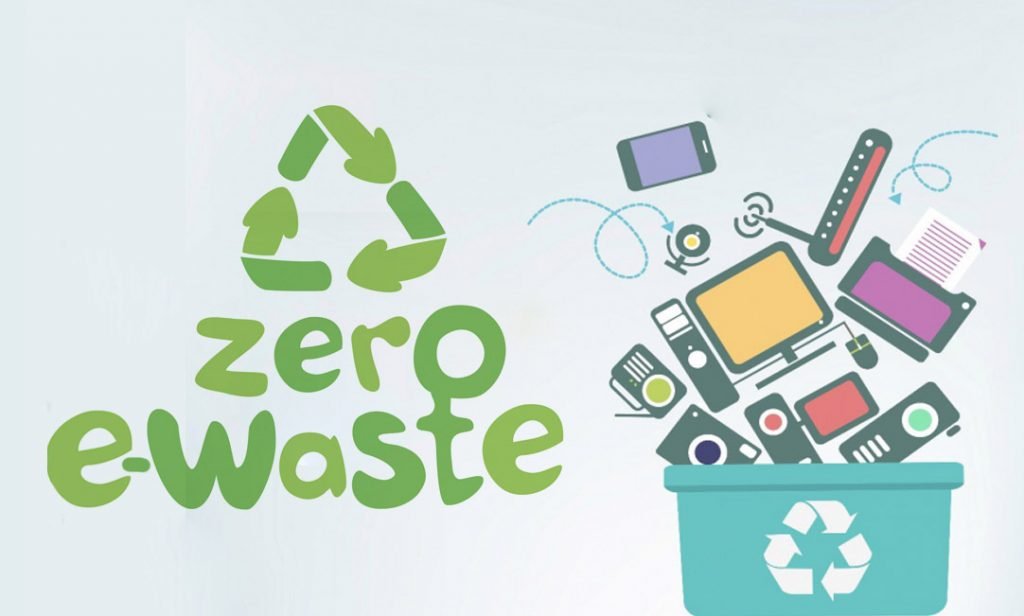
In today’s fast-paced digital world, electronic devices have become an integral part of our daily lives. From smartphones and laptops to appliances and entertainment systems, our dependence on technology has surged. But with this increased usage comes a growing and often overlooked problem: electronic waste (e-waste). As devices become more difficult to repair and are discarded more quickly, the environmental and social costs are mounting. This is where the concepts of ‘Right to Repair’ and Extended Producer Responsibility (EPR) become not just relevant—but essential.
The Right to Repair is a movement that advocates for consumers’ ability to fix the products they own, either by themselves or through third-party technicians. It challenges the current business practices where manufacturers restrict access to spare parts, diagnostic tools, and repair manuals. Without repair options, consumers are often left with no choice but to replace items, leading to unnecessary waste and increased demand for raw materials.
At the same time, EPR policies aim to make manufacturers responsible for the entire lifecycle of their products—including take-back, recycling, and proper disposal. In India, the E-Waste (Management) Rules, 2022, reinforce these responsibilities for producers, mandating collection targets and formalizing e-waste recycling systems. When paired with Right to Repair principles, EPR can help reduce the volume of e-waste by keeping products in use for longer periods and encouraging sustainable design.
The urgency to act is backed by data. India generated over 1.6 million tonnes of e-waste in 2021–22, and less than one-third of it was processed through formal channels. Globally, the volume of e-waste is projected to reach 74.7 million tonnes by 2030 if current trends continue. These staggering numbers underscore the importance of addressing not just how we dispose of electronics—but how long we use them in the first place.
- Right to Repair empowers consumers to make informed choices and save money
- EPR holds producers accountable for environmental impacts beyond the point of sale
- Together, they promote a circular economy where products are repaired, reused, and recycled
Combining these two frameworks—consumer empowerment through repair rights and producer accountability through EPR—creates a holistic approach to tackling the e-waste crisis. It represents a shift from a throwaway culture to a more sustainable one, where both individuals and industries take part in preserving the planet’s resources. As India and other countries seek innovative solutions to their environmental challenges, these policies are no longer optional—they’re foundational to a smarter, greener future.
In a world increasingly defined by digital dependence, our discarded electronics are piling up at an alarming rate. With the rise of the Right to Repair movement and the push for Extended Producer Responsibility (EPR), a new path is emerging—one that empowers consumers and holds producers accountable. Together, these forces are reshaping how we think about ownership, waste, and sustainability.
Understanding the Link: How Repair Rights and EPR Complement Each Other
At first glance, the Right to Repair and Extended Producer Responsibility (EPR) may appear to operate in separate spheres—one advocating for consumer empowerment, the other emphasizing corporate accountability. However, a closer look reveals that these two policy frameworks are inherently interconnected and, when implemented together, can drastically improve the sustainability of the electronics lifecycle. By promoting product longevity and encouraging responsible end-of-life management, the Right to Repair and EPR work in tandem to build a more circular, less wasteful economy.
The Right to Repair focuses on granting individuals and third-party technicians access to the tools, parts, and documentation needed to fix electronic devices. This not only reduces the frequency of replacements but also delays products from entering the waste stream. On the other side, EPR obligates manufacturers to manage their products even after consumer use, by collecting, recycling, or safely disposing of them. When producers know that they will bear the costs of waste management, they are more likely to invest in designing devices that are easier to repair, upgrade, and recycle.
This alignment of incentives—where consumers want to fix their devices and producers are encouraged to support longer-lasting products—forms the basis of a more sustainable electronics ecosystem. When implemented cohesively, these policies create a feedback loop: better product design leads to easier repairs, which in turn leads to less waste and more efficient producer responsibility fulfillment. In short, Right to Repair reinforces the goals of EPR, and vice versa.
In India, EPR has been formalized through rules such as the E-Waste (Management) Rules, 2022, but Right to Repair is still evolving. A draft framework released by the Department of Consumer Affairs identifies electronics as one of the priority sectors for future legislation. If both policies are developed in coordination, they can address systemic barriers such as planned obsolescence, lack of access to repair infrastructure, and insufficient take-back mechanisms.
- Right to Repair extends product life, reducing waste and demand for raw materials
- EPR compels manufacturers to design for reuse, repairability, and recyclability
- Together, they close the loop between consumption and disposal
When consumers are empowered to repair and producers are required to manage post-consumer waste, it becomes easier to shift from a linear ‘take-make-dispose’ model to a regenerative, circular system. This not only benefits the environment but also reduces economic pressure on consumers and boosts local repair industries. Understanding this synergy is key to designing future-ready policies that address the root causes of the e-waste problem—starting from the moment a product is made to the point it’s discarded or reborn through repair.
At first glance, Right to Repair and EPR may seem like separate concepts—one focused on consumer access to repair, the other on producer accountability for end-of-life product disposal. In reality, they are deeply connected. Both advocate for longer product lifecycles, less waste, and a shift from linear to circular economic models. When combined, they provide a powerful framework for reducing the environmental impact of electronics.
What the Right to Repair Movement Is Fighting For
The Right to Repair movement is a global push aimed at giving consumers the ability to fix the products they own—whether it’s a smartphone, laptop, washing machine, or even a tractor. At its core, the movement demands fair access to repair tools, spare parts, diagnostic software, and technical manuals. Currently, many manufacturers restrict these resources, making it difficult or even impossible for users and independent technicians to carry out repairs without voiding warranties or damaging the product.
This lack of access not only forces consumers to rely on costly, authorized service centers but also shortens the usable life of many products. As a result, devices that could be fixed are often discarded prematurely, contributing to the mounting e-waste crisis. The Right to Repair movement seeks to reverse this trend by ensuring that products are designed with longevity and serviceability in mind, not just convenience or aesthetics.
In India, discussions around Right to Repair have gained momentum in recent years, with the government recognizing electronics as a priority sector in draft frameworks. If adopted, these policies could transform consumer rights, reduce environmental impact, and strengthen the informal repair economy that already plays a crucial role in Indian cities and towns. Ultimately, the movement is about restoring consumer autonomy, supporting sustainable practices, and challenging the throwaway culture embedded in modern manufacturing.
The Right to Repair movement calls for legislation that gives consumers and independent repairers access to tools, parts, manuals, and software needed to fix their devices. It challenges the practice of product lock-in by manufacturers who restrict repairs to authorized centers or design goods that are intentionally hard to fix. This has implications for both affordability and sustainability—prolonging product life reduces e-waste and saves consumers money.
EPR: Making Producers Part of the Solution
Extended Producer Responsibility requires manufacturers to take responsibility for their products even after they’ve been sold. This includes collection, recycling, and safe disposal. By tying environmental impact to business practices, EPR encourages producers to design for durability, repairability, and recyclability. In India, EPR for e-waste is regulated under the E-Waste (Management) Rules, 2022, which mandate take-back schemes and annual recycling targets.
Empowering Consumers Through Access and Information
For too long, consumers have been left in the dark about the inner workings of the devices they own. Complex design, proprietary technology, and the lack of access to technical resources have made repairs intimidating, expensive, or downright impossible. This has not only discouraged people from fixing their gadgets but has also led to a culture where replacing products is more common than repairing them. Empowering consumers with access and information is the key to reversing this trend.
When people are given the tools and knowledge to diagnose and repair problems themselves, they are more likely to keep products in use longer, reduce costs, and contribute to a more sustainable consumption pattern. Transparency around repairability—such as publicly available repair manuals, parts pricing, and software tools—can demystify electronics and foster a do-it-yourself (DIY) repair culture. It also enables independent repair technicians and small businesses to thrive, further decentralizing the control manufacturers often hold over post-purchase service.
Information access also plays a critical role in consumer decision-making. Repairability scores, product lifecycle labels, and clarity on spare parts availability allow buyers to consider long-term usability rather than just short-term performance. Countries like France have already implemented repairability indexes for certain product categories, helping shoppers make more sustainable choices. If India were to adopt similar strategies alongside its EPR policies, it could drastically improve public engagement in electronics stewardship.
Digital platforms can also aid this effort. Government-backed portals listing certified e-waste recyclers, online repair guides, and public awareness campaigns could make it easier for users to find help or take action. Bridging the knowledge gap is essential—not everyone is technically skilled, but everyone should have access to reliable repair options and clear information on how to dispose of electronics responsibly.
- Access to repair manuals and diagnostic tools fosters self-reliance and reduces e-waste
- Transparent repairability ratings help consumers make informed, sustainable purchases
- Digital platforms can connect users to repair services, recyclers, and learning resources
Ultimately, empowering consumers is not just about giving them a screwdriver—it’s about giving them agency. When people have the right to know and the ability to act, they can drive market demand for more repairable products and hold companies accountable for their design choices. In a system supported by EPR and guided by the principles of the Right to Repair, consumers become active participants in shaping a greener, more equitable technology lifecycle.
When consumers are equipped with the tools and knowledge to repair their electronics, it alters the entire consumption cycle. Repair rights aren’t just about fixing a broken screen—they represent a shift in power away from manufacturers and toward individuals and communities. Coupled with EPR regulations, this creates a more transparent, sustainable relationship between consumers and the products they use.
Repair as a Tool for Circularity
Repairing instead of replacing extends the life of a product, delaying its entry into the waste stream. Initiatives like community repair cafés, DIY repair tutorials, and local service hubs play a vital role in this ecosystem. When repair is supported by law, and EPR ensures that even end-of-life handling is responsible, the result is a more resilient and resource-efficient economy.
- Consumers gain more control and confidence over their devices
- Repairability leads to less frequent purchases and lower emissions
- Manufacturers are incentivized to design products that last
Barriers and Breakthroughs on the Road to Implementation
Despite growing support for the Right to Repair and Extended Producer Responsibility (EPR), the path to effective implementation is far from smooth. These frameworks challenge entrenched business models, introduce new regulatory responsibilities, and demand cultural as well as institutional change. While the benefits of repairable products and accountable manufacturing are clear, putting theory into practice requires overcoming both systemic and strategic hurdles.
One of the most significant barriers is resistance from manufacturers. Many companies argue that opening access to repair tools or software could jeopardize product safety, compromise intellectual property, or lead to substandard repairs. These concerns are not unfounded, but they often serve to protect revenue streams tied to planned obsolescence and closed-loop service models. Without regulatory pressure, manufacturers are unlikely to voluntarily adopt more repair-friendly practices or invest in sustainable design.
Another challenge lies in enforcement and infrastructure. In India, while the E-Waste (Management) Rules, 2022, have formalized producer obligations, actual compliance monitoring is inconsistent. Informal recycling continues to dominate the sector, and repair networks remain largely unregulated. For the Right to Repair to take hold, clear legal standards, training programs, and accessible service channels must be established across urban and rural regions alike.
Despite these roadblocks, progress is being made. Around the world, countries are introducing legal mandates for spare part availability, repair documentation, and consumer rights. In India, the Department of Consumer Affairs’ efforts to develop a national Right to Repair framework signal a turning point. Growing public awareness, driven by grassroots campaigns and environmental advocacy, is putting pressure on both policymakers and corporations to rethink the throwaway model.
- Corporate resistance due to profit concerns and IP protection
- Lack of standardized enforcement and repair infrastructure
- Widespread informal recycling practices limiting formal compliance
Overcoming these challenges will require a multi-stakeholder approach. Governments must enact clear, enforceable legislation; producers need incentives to redesign products for longevity; and consumers must be educated and empowered to make sustainable choices. As the global e-waste crisis deepens, these reforms are no longer optional—they are essential to building a more resilient, circular economy. The breakthroughs will come not just from technology, but from policy, collaboration, and persistent public engagement.
Despite the growing momentum, both Right to Repair and EPR face resistance. Corporations often cite intellectual property concerns, safety issues, or business model disruptions. However, global precedents show promising results. The European Union has mandated repairability labeling and spare part availability, while India’s EPR rules are evolving to include stricter compliance and digital tracking mechanisms.
India’s Policy Landscape: Progress and Gaps
India’s E-Waste Management Rules aim to improve recycling rates and ensure accountability. However, the Right to Repair is still in its nascent stages, with draft frameworks being discussed by the Department of Consumer Affairs. Bridging the gap between consumer rights and producer responsibility will require coordinated legislation, public awareness campaigns, and better infrastructure for repair and recycling.
Rewriting the Rules of Ownership and Waste
Our relationship with technology is rapidly evolving—but the systems that govern how we use, repair, and discard electronic products are still rooted in outdated models. Traditionally, ownership implied full control over a product. Yet in today’s world, users often can’t access repair information or replace parts without going through authorized channels. As a result, even minor faults can lead to full product replacement, fuelling an unsustainable cycle of consumption and waste. To break free from this cycle, we must rethink what ownership and responsibility truly mean in the digital age.
The combined impact of the Right to Repair and Extended Producer Responsibility (EPR) is reshaping these norms. Right to Repair restores user autonomy by ensuring that individuals can fix their devices without barriers. EPR, meanwhile, redefines a producer’s role by extending accountability beyond the point of sale. These complementary frameworks challenge the ‘take-make-dispose’ model and move us toward a circular economy, where products are maintained, reused, and recycled instead of prematurely discarded.
For this transformation to succeed, cultural change is just as important as legal reform. Consumers need to value durability and reparability over novelty. Manufacturers must see repairability not as a cost, but as a design principle that enhances long-term brand trust. Governments have a role to play by creating transparent systems, incentivizing sustainable practices, and supporting infrastructure for repair and recycling. When all these parts work together, the result is a more balanced and responsible technology ecosystem.
- Ownership should include the right to repair, modify, and extend a product’s life
- Producers must take responsibility for products through their full lifecycle, including end-of-life recovery
- Society benefits from reduced environmental harm, cost savings, and job creation in repair and recycling sectors
As we face rising e-waste volumes and finite resource constraints, the status quo is no longer viable. Rewriting the rules around ownership and waste isn’t just a policy shift—it’s a cultural evolution. With Right to Repair and EPR at the forefront, we have the opportunity to build a more circular, equitable future where both people and the planet benefit. The tools are already within reach—it’s time we use them to fix not just our devices, but the systems behind them.
The combination of Right to Repair and EPR isn’t just about fixing gadgets—it’s about fixing the system. It challenges planned obsolescence, redefines corporate responsibility, and encourages mindful consumption. As India navigates its digital and environmental future, integrating these frameworks can lead to a more circular, equitable economy. For consumers, producers, and the planet, it’s a win-win worth fighting for.
Leave a Reply