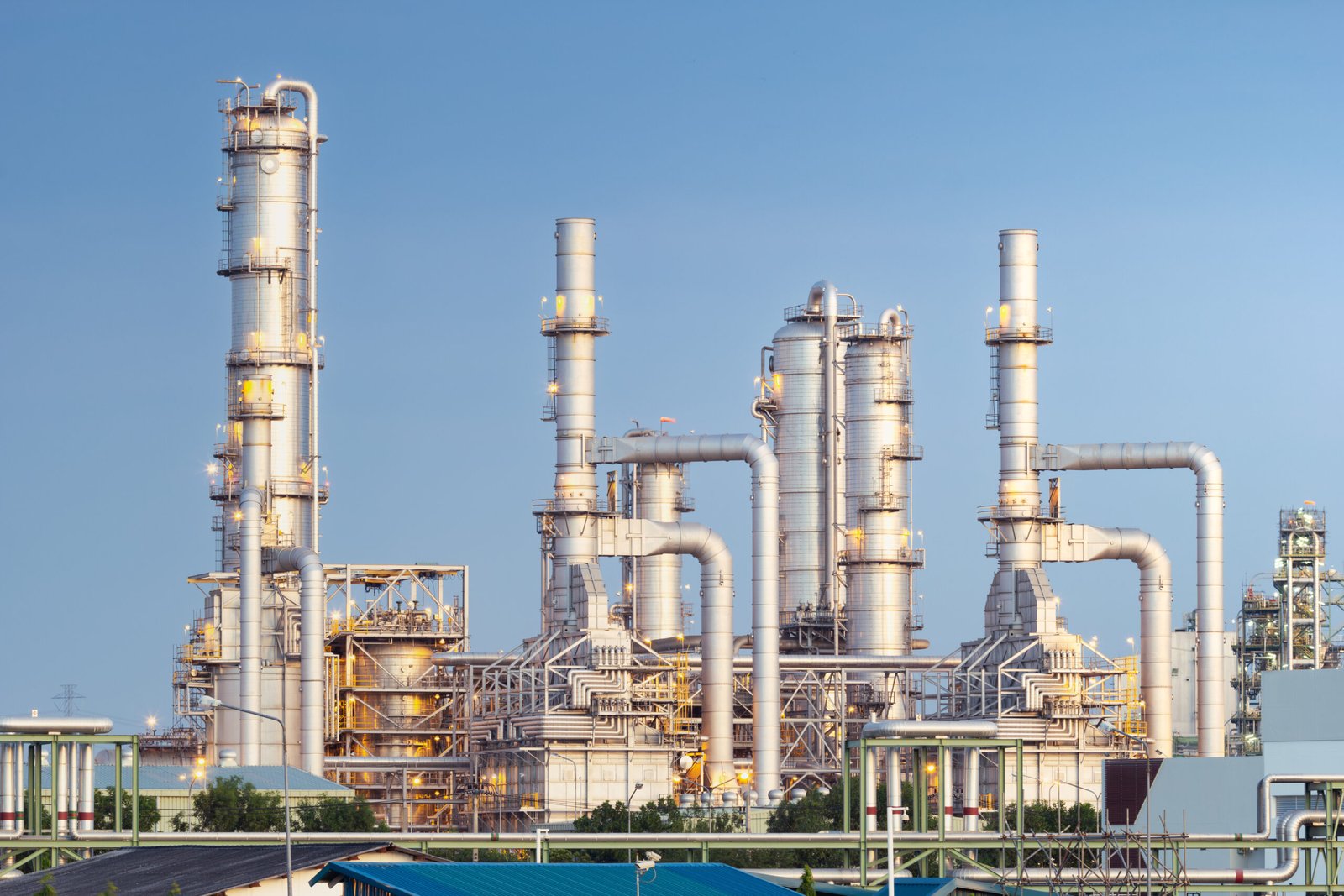
Why Re-refining Used Oil Is Gaining Ground in India’s Sustainability Push
In India’s rapidly industrializing economy, the management of hazardous waste has emerged as a critical priority—especially used lubricating oil. Often overlooked, this dark, sludgy residue left over from machinery and engines poses severe environmental risks if not properly handled. When dumped or burned, used oil can contaminate water bodies, release toxic fumes, and degrade soil health. Recognizing the urgency, the government has started treating used oil as a valuable resource rather than a liability. At the heart of this shift is the process of re-refining, a method that restores used oil to a high-quality base oil suitable for reuse.
What’s driving the momentum behind this transition? A combination of policy mandates, environmental awareness, and economic benefits. India’s Extended Producer Responsibility (EPR) framework has made it mandatory for oil producers, importers, and users to take back a percentage of the oil they introduce into the market. This means that companies can no longer pass the buck on pollution—they must participate in the collection and safe processing of used oil. Re-refining, with its circular benefits, has become a centerpiece of this regulatory push.
Re-refining used oil addresses multiple sustainability goals at once. It significantly reduces the demand for virgin crude oil, conserves natural resources, and cuts down greenhouse gas emissions. More importantly, it prevents illegal disposal practices such as dumping or open-air burning, which are still prevalent in unregulated sectors. When done properly, re-refining transforms a hazardous waste stream into a commercially viable product—creating jobs, reducing environmental harm, and supporting circular economic practices.
This growing interest in used oil re-refining is not just regulatory—it’s also practical. Manufacturers and fleet operators are increasingly aware of the operational and cost benefits of reusing high-quality re-refined oil. Meanwhile, technology providers and waste management companies are stepping in with new innovations that make re-refining more scalable and efficient. With support from both public and private sectors, the future of oil reuse in India looks promising.
- EPR mandates now require producers to recover and process used oil.
- Re-refining turns hazardous waste into a valuable base oil.
- The process supports climate goals and reduces environmental degradation.
- It opens up new business models in sustainable waste management.
In sum, used oil re-refining is no longer a fringe activity—it’s becoming mainstream in India’s sustainability landscape. By viewing waste as a resource and embedding circularity into regulation, the country is paving the way for cleaner, more efficient industrial practices. The re-refining movement is not just gaining ground—it’s building the foundation for a greener tomorrow.
As India grapples with mounting industrial waste, used oil—especially from automobiles and machinery—is emerging as a crucial area of intervention. Extended Producer Responsibility (EPR) frameworks have now made it mandatory for producers to reclaim and reprocess this hazardous material. Rather than burning or dumping it, re-refining offers a sustainable pathway, turning waste oil into usable base oil while supporting the circular economy. But how exactly does this process work, and what does it mean for businesses, recyclers, and the environment?
The Science and Economics of Used Oil Re-refining
Used oil re-refining is a highly technical process that offers both environmental and economic advantages. While the concept may sound simple—recover oil, clean it, and reuse it—the underlying science involves a multi-stage industrial process that restores the chemical properties of spent oil. This makes it a superior alternative to the more common but harmful practices of burning or dumping used lubricants. Through re-refining, the waste oil is transformed into base oil that meets or even exceeds the quality of virgin oil derived from crude.
The process begins with the collection of used lubricating oil, which typically contains a mix of base oil, additives, soot, metal particles, water, and other contaminants. The first stage—dehydration—removes water and light hydrocarbons. Next, vacuum distillation separates different oil fractions based on boiling points. This is followed by hydro-treating or solvent extraction, where impurities such as sulfur, nitrogen, and oxidized materials are removed. What remains is high-quality base oil that can be blended with additives to create new lubricants for automotive or industrial use.
From an economic standpoint, re-refining used oil makes sense on multiple fronts. Producing re-refined base oil requires significantly less energy—up to 70% less—than refining virgin oil from crude petroleum. This not only reduces production costs but also insulates manufacturers from the volatility of global crude oil prices. Additionally, re-refining helps extend the life cycle of oil resources, reducing the frequency with which virgin oil must be extracted, processed, and transported.
Moreover, as EPR regulations drive demand for proper used oil management, re-refining is becoming an increasingly lucrative sector for both established oil companies and new green startups. Setting up a re-refining plant does require substantial capital investment and technical expertise, but the long-term returns—through product sales, regulatory incentives, and environmental credits—can be significant.
- Re-refining conserves energy and reduces carbon emissions.
- The process yields base oil with quality comparable to virgin oil.
- It supports compliance with EPR and environmental regulations.
- Economic benefits include cost savings and resource efficiency.
In a world where both environmental responsibility and operational efficiency are critical, used oil re-refining stands out as a practical solution. It bridges the gap between industrial productivity and ecological sustainability, offering a way to meet rising lubricant demand without further burdening natural resources. As the science behind the process matures and economies of scale kick in, re-refining is poised to become a cornerstone of circular manufacturing in India and beyond.
Re-refining is not simply recycling—it’s a sophisticated chemical process that removes impurities, additives, and oxidation products from used lubricating oil to produce base oil of comparable quality to virgin oil. With global demand for lubricants rising and crude oil prices fluctuating, re-refining presents both an environmental and economic opportunity.
How Re-refining Works: A Look at the Technology
Re-refining used oil is a technologically advanced process that transforms contaminated lubricants into high-quality base oil. It involves a sequence of stages that go beyond simple filtration. The goal is to remove water, dissolved gases, metal particulates, chemical additives, and oxidation by-products—essentially restoring the oil to its original performance characteristics. This is achieved through a combination of mechanical, thermal, and chemical treatments.
The process typically begins with dehydration and de-fueling, where water and light hydrocarbons are evaporated under controlled heating. Next comes vacuum distillation, which separates the oil into various fractions based on their boiling points. This step helps isolate the heavier lubricating base stocks from other unusable or hazardous components. The most critical stage, however, is hydrotreating—where the oil is exposed to hydrogen gas under high temperature and pressure in the presence of a catalyst. This step removes sulfur, nitrogen, and other reactive contaminants, stabilizing the oil and improving its color, odor, and performance.
Some facilities also employ solvent extraction or clay treatment to polish the final product. These optional steps can further enhance oil clarity and remove trace impurities. What results is a re-refined base oil that meets national and international standards, ready to be re-blended with additives to create new engine oils, gear oils, or hydraulic fluids. The entire process is engineered for maximum yield and minimal waste, aligning perfectly with circular economy principles.
Re-refining typically involves vacuum distillation and hydro-treating. First, contaminants like water, fuel, and metal particles are separated. Then the oil undergoes vacuum distillation to isolate usable base oil fractions, followed by hydro-treatment to remove sulfur, nitrogen, and other residuals. The end product is a high-quality base oil ready for reuse in automotive or industrial applications.
Environmental and Financial Benefits of the Process
Compared to producing virgin base oil, re-refining uses less energy and generates fewer emissions. It prevents the improper disposal of hazardous oil that could otherwise contaminate soil and water. On the financial side, re-refined oil is less dependent on global crude markets, making it a stable alternative for manufacturers and consumers.
EPR Regulations: Driving Compliance and Innovation
Extended Producer Responsibility (EPR) has become a transformative force in India’s waste management landscape, and used oil is no exception. Recognizing the environmental risks posed by improper disposal of used lubricating oils—such as contamination of water bodies and degradation of soil—the Ministry of Environment, Forest and Climate Change (MoEFCC), in collaboration with the Central Pollution Control Board (CPCB), has instituted EPR obligations for producers, importers, and bulk consumers of lubricants. These guidelines place the responsibility for waste oil recovery and environmentally sound disposal squarely on the shoulders of those who profit from its sale and use.
Under the EPR framework, producers are required to collect a progressively increasing percentage of the used oil they introduce into the market. These targets are typically phased in over a 3–5 year compliance period, ensuring both industry adaptation and environmental gains. Producers must submit annual action plans, work with authorized re-refiners, and report their recovery progress through the CPCB’s online EPR portal. Failure to meet these obligations can result in financial penalties, product delisting, or revocation of business licenses.
What sets EPR apart is not just its regulatory teeth but its ability to stimulate innovation. As companies seek cost-effective and scalable ways to fulfill their obligations, new business models and partnerships are emerging. Logistics providers are offering reverse collection services, tech startups are building digital traceability tools, and recyclers are upgrading facilities to meet quality and compliance benchmarks. The regulatory push is not just ensuring compliance—it’s accelerating the modernization of India’s used oil ecosystem.
- Producers must meet year-wise collection and recycling targets.
- EPR plans must be registered and monitored through CPCB’s online platform.
- Partnerships with authorized re-refiners and transporters are mandatory.
- Non-compliance attracts financial penalties and potential business restrictions.
Crucially, the EPR framework also encourages transparency and traceability. By requiring digital recordkeeping and third-party audits, it ensures that oil is not just collected but also reprocessed in an environmentally sound manner. This is a significant shift from earlier systems where informal recyclers often diverted waste oil for illegal burning or dumping. Through EPR, India is not just cleaning up its used oil streams—it’s creating a foundation for a closed-loop, circular economy that aligns industrial growth with environmental stewardship.
In India, the Ministry of Environment, Forest and Climate Change (MoEFCC) and the Central Pollution Control Board (CPCB) have introduced stringent EPR guidelines for used oil management. Under these rules, producers, importers, and brand owners are legally responsible for collecting and ensuring the safe re-refining of a fixed percentage of the oil they put into the market. This regulatory framework is designed to close the loop and bring accountability into the supply chain.
Producer Obligations and Recycling Targets Under EPR
Under India’s EPR framework for used oil, producers, importers, and bulk consumers are legally obligated to manage the lifecycle of the lubricants they introduce into the market. This means they must ensure that a defined percentage of the oil sold is collected, transported, and re-refined in an environmentally sound manner. The CPCB has laid out annual recycling targets that gradually increase over time, pushing producers toward higher levels of recovery and reuse. These targets typically begin at around 30% in the first year and escalate to 70% or more within five years, depending on the product category.
To comply, producers must register their EPR plans on the CPCB’s online portal, outlining their collection strategies, authorized partnerships, and end-use processing facilities. They are required to collaborate with CPCB-approved recyclers and logistics providers, who help ensure the used oil is safely collected and re-refined. Producers must also submit regular progress reports, which are subject to audit and verification. Non-compliance can result in penalties ranging from monetary fines to suspension of product approvals. These obligations not only hold businesses accountable but also foster a systemic shift toward sustainable waste oil management, reinforcing the role of producers in achieving circularity goals.
EPR mandates require producers to meet annual collection and recycling targets, typically ramping up over a five-year period. Failure to comply can result in penalties or denial of product authorizations. This has prompted many companies to partner with registered re-refiners and logistics providers to build robust collection networks.
New Opportunities for Circular Economy Startups
The regulatory push has also spurred innovation. Startups and SMEs are entering the used oil ecosystem with tech-enabled tracking systems, reverse logistics platforms, and small-scale modular re-refining units, helping to make compliance easier and more efficient.
- EPR enforces accountability from oil producers and sellers
- Tracking and reporting systems are now essential
- Growing space for green tech startups in the re-refining sector
Challenges and Roadblocks on the Path to Circularity
While the re-refining of used oil is gaining traction as a sustainable practice under India’s EPR regime, the path to achieving a truly circular oil economy is far from smooth. Despite policy frameworks and technological advancements, several persistent challenges continue to undermine the efficiency and impact of used oil recovery and recycling. These hurdles are both structural and behavioral, requiring coordinated efforts across stakeholders to resolve.
One of the most significant challenges is the dominance of the informal sector in used oil collection and trade. A large portion of used lubricants still flows into unauthorized hands where it is either resold without adequate treatment or burned as low-grade fuel in brick kilns and industrial boilers. These practices are not only illegal but also cause severe environmental harm through air and soil pollution. Because informal collectors often offer immediate cash payments and minimal bureaucracy, many small generators of used oil—such as automotive repair shops—prefer them over formal, regulated channels.
Infrastructure limitations also present a major bottleneck. Although India has some high-capacity re-refining units in major industrial zones, access to such facilities remains scarce in tier-2 and tier-3 cities. Transporting used oil over long distances increases costs and emissions, making formal collection less viable in remote areas. Moreover, the lack of proper storage and handling practices at collection points often leads to oil contamination or spillage, reducing the quality and recoverability of the material.
Regulatory enforcement is another critical area that needs strengthening. While EPR guidelines exist, enforcement mechanisms are often inconsistent at the state and local levels. Many producers and recyclers operate without proper registration or oversight, and monitoring systems to track used oil flows remain underdeveloped. Without digital traceability and routine audits, it becomes difficult to measure actual recovery rates or identify leakages in the supply chain.
- Informal collection networks disrupt formal recycling systems.
- Lack of infrastructure in smaller cities limits re-refining access.
- Poor storage and handling reduce recoverable oil quality.
- Weak regulatory enforcement allows non-compliance to persist.
- Limited awareness among small generators hampers EPR adoption.
To overcome these roadblocks, India must invest in strengthening the formal used oil ecosystem—through better infrastructure, targeted incentives, and stricter enforcement of EPR norms. Public awareness campaigns can help shift behavior at the grassroots level, while digital tools can support better traceability and compliance. Without addressing these systemic gaps, the promise of a circular economy for used oil will remain unfulfilled.
Despite its promise, used oil re-refining in India faces practical challenges. Informal collection, lack of consumer awareness, and insufficient infrastructure continue to undermine circular economy goals. While regulations are in place, enforcement and on-ground coordination remain patchy, particularly in remote and semi-urban regions.
Tackling Informal Practices and Illegal Dumping
A major barrier to achieving a circular system for used oil in India is the widespread influence of the informal sector. Unregistered collectors and traders continue to dominate the landscape, offering quick, cash-based transactions to garages, transport fleets, and small industries. These informal operators often divert used oil to low-cost, unregulated end-uses—such as burning in furnaces or brick kilns—without any treatment. This not only results in significant air pollution but also bypasses legitimate re-refining processes that are environmentally sound and technologically advanced.
Illegal dumping is another severe concern, particularly in peri-urban and industrial fringe areas. When used oil is poured into drains, open fields, or water bodies, it contaminates ecosystems and poses long-term health risks. Tackling these issues requires a multi-pronged approach: stronger enforcement of existing regulations, increased inspections at the generator level, and widespread education campaigns targeting workshops and small businesses. Incentivizing participation in formal collection systems—through rebates, certification schemes, or streamlined logistics—can also help draw waste generators away from informal practices. By closing these informal leakages, India can protect its environment while building a more transparent and traceable oil recovery system.
A significant volume of used oil is still collected by unregistered dealers who sell it to brick kilns or other polluting industries for direct burning. This bypasses re-refining entirely and causes severe environmental damage. Addressing this requires not only stricter surveillance but also incentivizing formal collection.
Bridging Infrastructure Gaps Through Policy Support
Smaller towns often lack access to certified re-refining facilities, leading to logistical bottlenecks. Government incentives—like viability gap funding or easier loans for plant setup—can help extend infrastructure to under-served regions.
Closing the Loop: Why Used Oil Re-refining Deserves More Attention
Used oil re-refining is more than just a waste management solution—it is a cornerstone of a sustainable, circular economy. In a world increasingly focused on resource efficiency and climate responsibility, the ability to recover, purify, and reuse used lubricating oil presents a unique opportunity to align industrial growth with environmental preservation. Yet, despite its potential, this segment of the circular economy often receives less attention compared to more visible streams like plastic or e-waste. It’s time to change that narrative.
Re-refining used oil reduces dependence on virgin crude, conserves energy, and cuts greenhouse gas emissions significantly compared to traditional refining. It also prevents hazardous materials from contaminating land and water, making it an essential tool in reducing pollution. With EPR regulations now placing clear responsibilities on producers, there is a legal and strategic incentive to invest in infrastructure, innovation, and awareness around oil recovery systems. Moreover, re-refined base oil meets the same performance standards as virgin oil, making it a reliable input for industrial and automotive applications without compromising quality.
Looking ahead, India has the opportunity to lead by example in the global movement toward circularity in the oil sector. Public-private partnerships, capacity building, and financial incentives can accelerate adoption across regions and industries. Ensuring traceability through digital platforms, educating small-scale generators, and enforcing compliance uniformly across states will be key to success. By treating used oil as a valuable resource rather than waste, India can close the loop on this critical material stream.
- Re-refining transforms hazardous oil waste into valuable base oil.
- It supports national climate targets by reducing emissions and resource extraction.
- EPR compliance creates accountability and opens avenues for innovation.
- Investment in re-refining infrastructure boosts the green economy and job creation.
As the conversation around sustainability deepens, re-refining must take its rightful place as a priority in industrial policy and corporate responsibility. It’s not just an environmental obligation—it’s an economic and strategic opportunity. By reinforcing systems that support oil recovery, re-refining, and reuse, India can turn a persistent waste problem into a model of circular success. The time to invest in this transformation is now.
Used oil re-refining is more than a compliance checkbox—it’s a blueprint for sustainable industry. With the right mix of regulation, technology, and public-private collaboration, India can transform this waste stream into a valuable resource. As EPR implementation matures, stakeholders across the value chain must embrace circularity not just as a legal obligation, but as a strategic imperative for long-term resilience and environmental stewardship.
Leave a Reply