From Waste to Worth: How Tyre Pyrolysis is Shaping a Greener Future under EPR
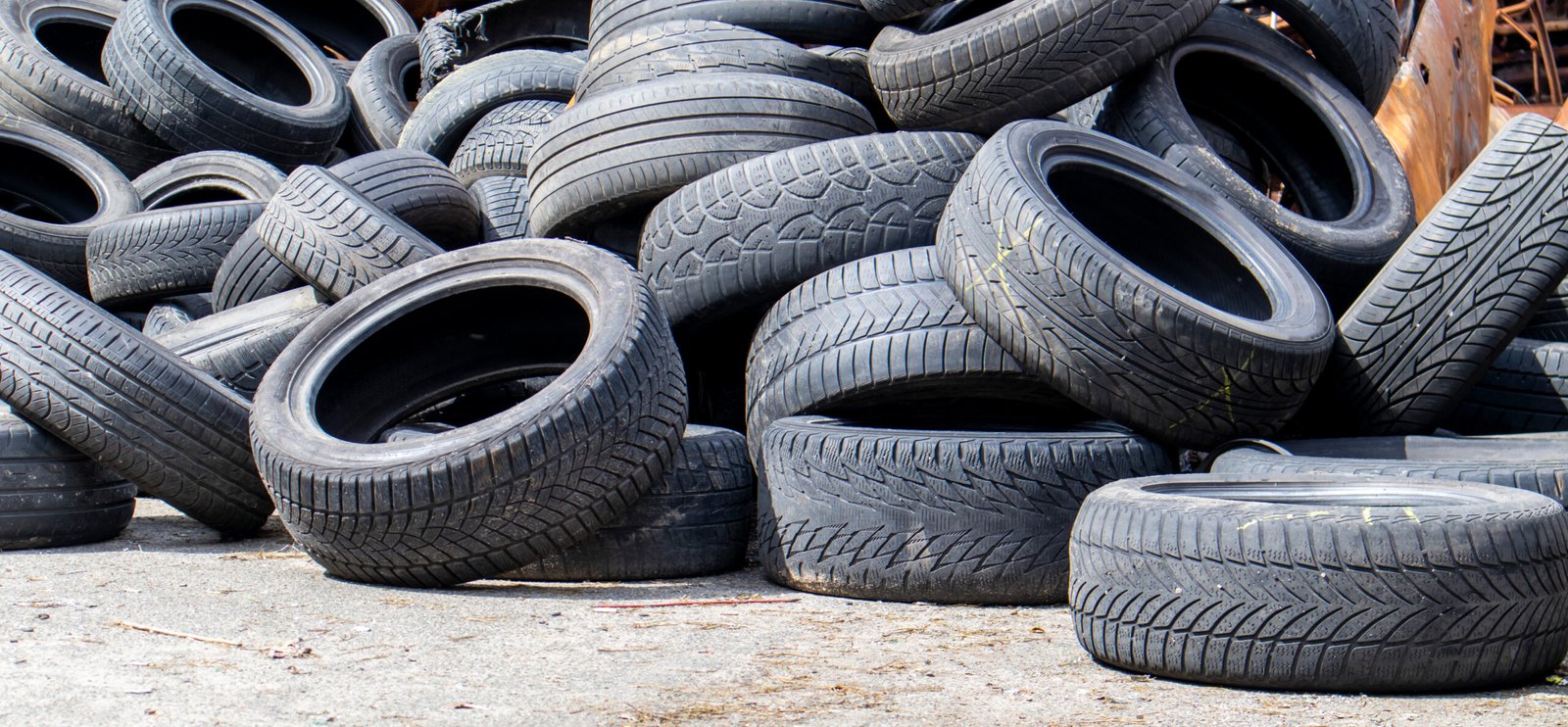
The rapid growth of the automobile industry has brought undeniable benefits to modern society—but it has also created a major environmental challenge: the disposal of end-of-life tyres (ELTs). Millions of tyres reach the end of their usable life every year, and improper disposal leads to severe environmental issues such as land pollution, fire hazards, and mosquito breeding grounds.
To address this problem, governments around the world, including India, are strengthening Extended Producer Responsibility (EPR) policies. Under EPR, tyre manufacturers and importers are responsible for ensuring that waste tyres are collected, recycled, or disposed of in an environmentally sound manner. Among the most promising solutions supporting this system is tyre pyrolysis, a technology that converts waste tyres into valuable resources.
Understanding the Challenge of Waste Tyres
Waste tyres are difficult to manage because they are:
-
Non-biodegradable
-
Bulky and space-consuming in landfills
-
Highly flammable
-
Sources of toxic emissions when burned improperly
With increasing vehicle ownership, the volume of discarded tyres is growing rapidly. Traditional disposal methods like landfilling or open burning are environmentally harmful and unsustainable. This is where advanced recycling technologies such as tyre pyrolysis become essential.
What is Tyre Pyrolysis?
Tyre pyrolysis is a thermochemical recycling process in which waste tyres are heated in the absence of oxygen. This process breaks down the complex rubber compounds into useful by-products without producing the harmful emissions associated with open burning.
The pyrolysis process typically yields three valuable products:
-
Pyrolysis Oil – Used as an industrial fuel or refined into alternative fuels.
-
Recovered Carbon Black (rCB) – Used in rubber products, plastics, inks, and construction materials.
-
Steel Wire – Recovered and recycled for use in the steel industry.
By transforming waste tyres into reusable resources, pyrolysis supports the principles of a circular economy.
The Role of EPR in Tyre Waste Management
Extended Producer Responsibility (EPR) shifts the responsibility of waste management from municipalities to producers. In India, the EPR framework for tyre waste requires manufacturers and importers to ensure that a certain percentage of the tyres they sell are responsibly recycled.
This system creates a structured recycling ecosystem involving:
-
Tyre manufacturers and importers
-
Waste collection networks
-
Authorized recyclers and pyrolysis plants
-
Regulatory monitoring systems
Through EPR certificates and digital tracking systems, governments can verify that tyre waste is being processed through approved recycling technologies such as pyrolysis.
Environmental Benefits of Tyre Pyrolysis
Tyre pyrolysis offers several environmental advantages that make it a key component of sustainable waste management:
1. Reduction in Landfill Waste
Pyrolysis significantly reduces the number of tyres ending up in landfills, saving valuable land resources.
2. Lower Carbon Footprint
By converting waste tyres into fuel and reusable materials, pyrolysis reduces reliance on virgin resources and fossil fuels.
3. Resource Recovery
Instead of treating tyres as waste, pyrolysis recovers valuable materials that can be reused in various industries.
4. Prevention of Toxic Burning
Controlled pyrolysis processes prevent the harmful emissions associated with illegal tyre burning.
Economic Opportunities and Green Jobs
The tyre pyrolysis industry is not only environmentally beneficial but also economically promising. The expansion of EPR compliance requirements is driving demand for licensed recycling facilities, creating new opportunities for investment, innovation, and employment.
From waste collection and logistics to processing plants and material recovery, the sector supports a growing green economy. Small and medium enterprises can also participate in this ecosystem by establishing compliant recycling units or contributing to tyre collection networks.
Challenges and the Road Ahead
Despite its advantages, the tyre pyrolysis industry still faces certain challenges:
-
The need for strict environmental compliance
-
Ensuring technologically advanced and pollution-controlled plants
-
Eliminating illegal or substandard pyrolysis units
-
Strengthening traceability within the EPR system
With proper regulations, improved technologies, and responsible industry participation, these challenges can be addressed effectively.
Conclusion
Tyre pyrolysis is transforming how we perceive waste tyres—from a dangerous environmental burden to a valuable resource. Under the framework of Extended Producer Responsibility (EPR), this technology plays a crucial role in building a sustainable and circular tyre recycling ecosystem.
By converting waste into energy and reusable materials, tyre pyrolysis not only reduces environmental pollution but also contributes to economic growth and resource conservation. As regulatory frameworks continue to evolve, the integration of advanced recycling technologies will be essential in shaping a greener and more responsible future.
Leave a Reply