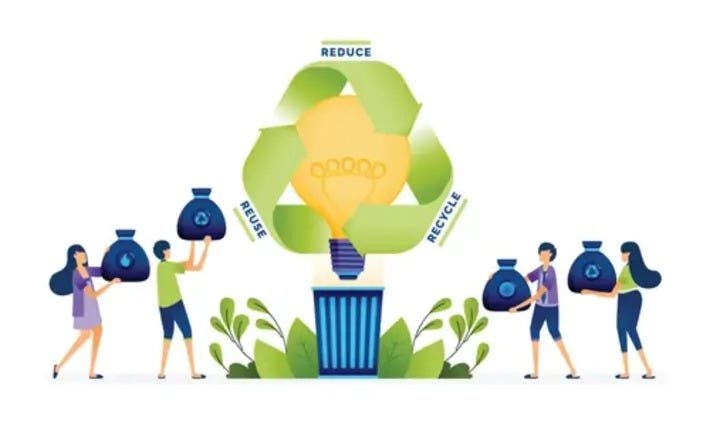
What Is EPR and Why It Matters
Extended Producer Responsibility, often shortened to EPR, is one of the most influential environmental policy ideas of the past few decades. At its core, EPR shifts responsibility for managing waste from governments and taxpayers to the companies that produce the products in the first place. Instead of leaving packaging, electronics, or plastic waste to municipalities, producers must finance or manage recycling and disposal systems.
Think of it like borrowing a library book. You can’t just walk away after reading it—you must return it responsibly. EPR works in a similar way: companies are accountable for their products even after consumers are finished using them. This approach encourages businesses to design products that are easier to recycle, reuse, or repair, ultimately reducing environmental damage and resource waste.
The environmental benefits are significant. By promoting better product design and efficient recycling systems, EPR helps reduce landfill waste, pollution, and the consumption of virgin materials. It also drives innovation—companies start rethinking packaging, materials, and manufacturing processes because waste management costs now affect their bottom line.
But here’s the interesting part: EPR success doesn’t rely only on policies, technologies, or recycling infrastructure. Those elements matter, of course, but the real driver lies somewhere else entirely—the people involved. From corporate executives and government officials to waste collectors and everyday consumers, EPR requires cooperation across an entire ecosystem of human actors. Without that cooperation, even the most well-designed EPR regulations can fail to achieve their intended impact.
The Global Rise of EPR Policies
EPR is no longer an experimental policy idea. Over the past few decades, it has become a cornerstone of environmental legislation around the world. Governments increasingly see EPR as a practical way to address rising waste generation and shift financial responsibility toward producers.
Many countries have adopted EPR programs covering packaging, electronics, batteries, and plastics. In the European Union, EPR policies have significantly reduced packaging consumption and increased recycling rates. Germany, for instance, saw packaging consumption fall from 94.7 kg per capita to 82 kg between 1991 and 1998, a reduction of more than 13%.
India has also embraced EPR as part of its environmental strategy. The Plastic Waste Management Rules require producers, importers, and brand owners to collect and recycle plastic packaging waste while meeting progressively higher recycling targets. These targets are expected to rise from around 30–50% in 2024–25 to 60–80% by 2027–28.
Even at the city level, innovative EPR initiatives are showing results. In Bengaluru, a “trash-to-cash” initiative linked to EPR credits generated thousands of credits within just two months, potentially bringing ₹54 lakh to ₹1.8 crore in revenue while significantly increasing plastic waste processing.
The spread of these policies demonstrates that EPR can deliver measurable environmental and economic benefits. Yet the experience of many countries also reveals something else: implementation challenges rarely stem from the policy itself. Instead, they arise from coordination gaps, stakeholder resistance, and lack of awareness. That’s why understanding the human dimension of EPR is essential.
The Real Challenge Behind EPR
Why Technology Alone Cannot Deliver EPR Success
When people talk about solving the waste crisis, they often focus on technological breakthroughs—advanced recycling plants, AI-powered sorting systems, biodegradable materials, and circular economy innovations. While these tools are important, they don’t automatically guarantee success. Technology can build the system, but people determine whether the system actually works.
Imagine a state-of-the-art recycling facility operating in a city where citizens rarely separate their waste. Even the most advanced machinery struggles when contaminated waste enters the stream. Similarly, producers may technically comply with EPR regulations while doing the bare minimum if internal commitment is missing. In such cases, policies exist on paper but fail to transform real-world behavior.
EPR programs often require coordination across multiple stakeholders: manufacturers, distributors, recyclers, regulators, municipalities, and consumers. Each of these actors has different priorities and incentives. Without alignment, the entire system becomes inefficient. For example, if manufacturers do not redesign packaging, recyclers face higher costs. If consumers don’t return products, collection systems fail.
This is why experts increasingly argue that EPR success is fundamentally a social challenge rather than a technical one. Sustainable systems require trust, cooperation, and shared responsibility. Technology supports the process, but it cannot replace human collaboration.
The Role of Human Behavior in Sustainability Programs
Human behavior plays a surprisingly large role in environmental outcomes. Consider everyday decisions: whether someone separates waste, chooses recyclable packaging, returns used electronics, or participates in deposit-return programs. These small actions collectively determine the success or failure of EPR systems.
Behavioral science shows that people are more likely to adopt sustainable habits when three factors are present: awareness, convenience, and motivation. If recycling is confusing, inconvenient, or poorly explained, participation drops dramatically. On the other hand, clear incentives—like deposit refunds or convenient collection points—can significantly increase engagement.
Corporate behavior also matters. Businesses respond to incentives, reputational pressures, and regulatory clarity. When EPR policies are transparent and fairly enforced, companies are more willing to invest in sustainable design and recycling partnerships. Conversely, unclear regulations can create confusion and resistance.
The human side of EPR therefore involves building the right incentives, communication strategies, and cultural shifts. It’s not just about compliance—it’s about fostering a shared understanding that waste management is a collective responsibility.
Key Stakeholders in EPR Implementation
Producers and Manufacturers
Producers sit at the heart of the EPR framework. They design the products, select the materials, and ultimately determine how easy—or difficult—it is to recycle those products at the end of their lifecycle. Because of this influence, EPR policies place financial or operational responsibility directly on manufacturers.
This shift has profound implications for business strategy. Companies must now consider the entire lifecycle of their products, not just manufacturing and sales. Packaging design, material selection, recyclability, and product durability suddenly become central business concerns.
Forward-thinking companies see this as an opportunity rather than a burden. By investing in recyclable materials and circular product design, they can reduce waste management costs over time while improving brand reputation. Many global brands have already launched take-back programs and recycling initiatives as part of their sustainability commitments.
But producer engagement doesn’t happen automatically. It requires strong leadership, clear regulatory frameworks, and collaboration with other stakeholders. When businesses understand the long-term economic and environmental benefits, they are far more likely to actively support EPR programs.
Governments and Regulators
Governments play the role of architects and referees in EPR systems. They create the regulatory frameworks, define recycling targets, enforce compliance, and coordinate stakeholders. Without strong governance, EPR schemes can quickly become fragmented or ineffective.
One of the biggest responsibilities of regulators is designing policies that are both ambitious and practical. Overly complex regulations can discourage participation, while weak enforcement undermines credibility. Policymakers must strike a balance between environmental goals and business feasibility.
Government agencies also have a crucial role in building awareness and infrastructure. Public campaigns, educational initiatives, and investments in recycling systems all support the effectiveness of EPR programs. In many countries, governments also collaborate with Producer Responsibility Organizations (PROs) that manage collective compliance systems for companies.
Consumers and Communities
Consumers might seem like passive participants in EPR systems, but in reality they are critical actors. After all, waste generation happens at the point of consumption. If consumers do not properly return or separate products, the entire recycling chain breaks down.
Public awareness campaigns therefore play a major role in EPR success. When people understand the environmental impact of waste and the purpose of EPR programs, they are more likely to cooperate. Community engagement initiatives, school education programs, and clear labeling systems all contribute to behavioral change.
Consumers also influence producers through purchasing choices. Increasingly, people prefer brands that demonstrate strong sustainability commitments. This market pressure can accelerate the adoption of EPR-friendly practices across industries.
Building Organizational Buy-In
Leadership Commitment and Vision
Inside companies, EPR success begins with leadership. Executives and senior managers set the tone for how seriously sustainability initiatives are taken. If EPR compliance is treated as a mere regulatory obligation, employees are unlikely to engage deeply with it.
Visionary leaders, on the other hand, frame EPR as a strategic opportunity. They integrate sustainability goals into corporate strategy, invest in eco-design innovation, and encourage cross-department collaboration. When leadership communicates a clear purpose—reducing environmental impact while creating long-term business value—employees are more motivated to participate.
Leadership commitment also ensures that resources are allocated appropriately. EPR implementation may require investments in research, supply chain adjustments, and partnerships with recycling organizations. Without executive support, these initiatives rarely move beyond pilot projects.
Employee Engagement and Culture
Corporate culture plays an equally important role. Employees across departments—from product design to marketing and logistics—must understand how their work connects to EPR goals. When employees feel ownership over sustainability initiatives, they often generate innovative ideas that management might never have considered.
For example, product designers may experiment with recyclable materials, logistics teams might optimize reverse supply chains, and marketing teams can communicate sustainability achievements to customers. This collaborative culture transforms EPR from a compliance task into a company-wide mission.
Training programs, internal communication campaigns, and sustainability workshops can help employees understand the importance of EPR. When employees see tangible results—reduced waste, improved brand reputation, or cost savings—they become powerful advocates for change.
Collaboration Across the Value Chain
Partnerships With Recycling and Waste Management Firms
EPR systems cannot function without efficient recycling and waste management infrastructure. Producers often partner with specialized companies that handle collection, sorting, and recycling processes. These partnerships ensure that products are properly managed after their use phase.
Effective collaboration requires transparency and data sharing. Producers must understand how their products are processed, while recyclers need information about materials and product composition. Digital tracking systems and reporting platforms are increasingly used to improve this coordination.
Such partnerships also encourage innovation. Recycling companies may develop new technologies or processes that allow previously non-recyclable materials to be recovered. Producers, in turn, can redesign products to align with these capabilities.
Integrating Informal Waste Workers
In many developing economies, informal waste collectors play a crucial role in recycling systems. These workers collect, sort, and sell recyclable materials, often operating outside formal waste management structures. Integrating them into EPR systems can improve efficiency while supporting livelihoods.
Studies show that organized waste picker networks contribute significantly to recycling rates and environmental benefits, including reductions in greenhouse gas emissions. Recognizing their contributions and providing fair working conditions can strengthen the entire recycling ecosystem.
Communication and Awareness
Educating Consumers About EPR
Communication is the bridge between policy and participation. If consumers do not understand how EPR works or why it matters, they are unlikely to change their behavior. Clear messaging can transform passive consumers into active partners in sustainability.
Education campaigns often focus on simple, actionable steps: returning used electronics, separating recyclable materials, or choosing products with sustainable packaging. Visual labels, public advertisements, and social media campaigns help reinforce these messages.
Successful communication strategies also highlight the positive impact of participation. When people see that their actions contribute to cleaner cities, reduced pollution, and resource conservation, they feel motivated to continue those behaviors.
Transparent Reporting and Trust Building
Transparency builds trust among stakeholders. Companies participating in EPR programs increasingly publish sustainability reports detailing recycling rates, material recovery achievements, and environmental impact reductions.
Such transparency benefits both businesses and consumers. Companies strengthen their reputation and demonstrate accountability, while consumers gain confidence that recycling programs actually work.
Trust is especially important in collaborative systems like EPR. When stakeholders believe that others are fulfilling their responsibilities, they are more willing to cooperate and invest in the system.
Overcoming Resistance to Change
Addressing Cost Concerns
One of the most common criticisms of EPR programs is cost. Businesses worry about compliance expenses, infrastructure investments, and potential impacts on product prices. While these concerns are understandable, long-term analysis often reveals that EPR can create economic benefits.
By encouraging efficient product design and material use, EPR can reduce raw material costs and waste management expenses over time. Shared recycling systems also allow multiple producers to distribute costs more efficiently.
Simplifying Compliance and Processes
Another challenge is regulatory complexity. If EPR rules are difficult to understand or implement, companies may struggle with compliance. Simplified reporting systems, standardized guidelines, and digital platforms can significantly reduce administrative burdens.
Clear guidance from regulators also helps businesses plan their sustainability strategies more effectively. When expectations are transparent, companies can invest confidently in product redesign and recycling partnerships.
The Future of EPR and Human-Centered Sustainability
The future of Extended Producer Responsibility will depend not only on stronger policies but also on deeper human collaboration. As global waste generation continues to rise, EPR systems will expand to cover more products and industries. Governments are already exploring EPR for textiles, furniture, and even construction materials.
Technology will continue to improve recycling efficiency, but the real transformation will come from people. Businesses adopting circular design principles, consumers embracing sustainable habits, and governments fostering collaboration will collectively shape the next generation of waste management systems.
Sustainability is often framed as a technical challenge. In reality, it is fundamentally a human one. When individuals and organizations align around a shared vision of environmental responsibility, policies like EPR become powerful tools for change.
Conclusion
Extended Producer Responsibility represents a bold shift in how societies manage waste and environmental responsibility. By making producers accountable for the full lifecycle of their products, EPR encourages better design, improved recycling systems, and more sustainable consumption patterns. Yet policies and infrastructure alone cannot guarantee success.
The true driver behind effective EPR systems is people. Leadership commitment, employee engagement, consumer participation, and collaborative partnerships all play essential roles. When stakeholders understand their responsibilities and work together, EPR programs can deliver impressive environmental and economic outcomes.
As sustainability challenges grow more complex, the human side of environmental policy will become even more important. Building trust, fostering collaboration, and encouraging behavioral change may ultimately determine whether EPR achieves its full potential.
FAQs
1. What does EPR mean in environmental policy?
Extended Producer Responsibility (EPR) is a policy approach that makes producers responsible for managing the environmental impact of their products throughout their lifecycle, especially after consumers dispose of them.
2. Why is the human factor important for EPR success?
EPR systems involve multiple stakeholders—companies, governments, recyclers, and consumers. Their cooperation, awareness, and behavior determine whether recycling systems actually function effectively.
3. Which industries are most affected by EPR regulations?
Common sectors include plastic packaging, electronics, batteries, and consumer goods. Many governments are expanding EPR regulations to cover additional industries such as textiles.
Leave a Reply