What EPR Means in Modern Sustainability Policies
Extended Producer Responsibility, commonly abbreviated as EPR, is a policy concept that shifts responsibility for the entire lifecycle of a product onto the manufacturer or brand owner. Traditionally, waste management was largely handled by municipalities and public agencies, leaving producers relatively detached from what happened after their products reached the end of their life. EPR flipped this model by saying: if you make it, you’re responsible for what happens to it later. This includes collection, recycling, disposal, and sometimes even reuse or refurbishment systems.
Globally, EPR policies are rapidly expanding as governments push industries toward circular economy models. Instead of the old “take–make–dispose” model, the aim is to create a loop where materials continuously circulate within the economy. For instance, packaging producers in many regions must now register with EPR programs, report packaging volumes, and pay fees to support recycling systems.
The real intention behind EPR is environmental accountability. If companies must finance recycling and waste management, they naturally have incentives to design products that last longer, are easier to recycle, or require fewer resources. Think of EPR as a financial and regulatory nudge pushing businesses toward sustainable product design.
However, while the concept is powerful, the practical execution of EPR has historically struggled with one big problem: visibility. Governments and recyclers often lack detailed information about what materials products contain, how they were manufactured, or how they should be dismantled. Without that data, EPR becomes difficult to enforce effectively. That’s exactly where Digital Product Passports enter the picture.
Why Traditional EPR Systems Lack Transparency
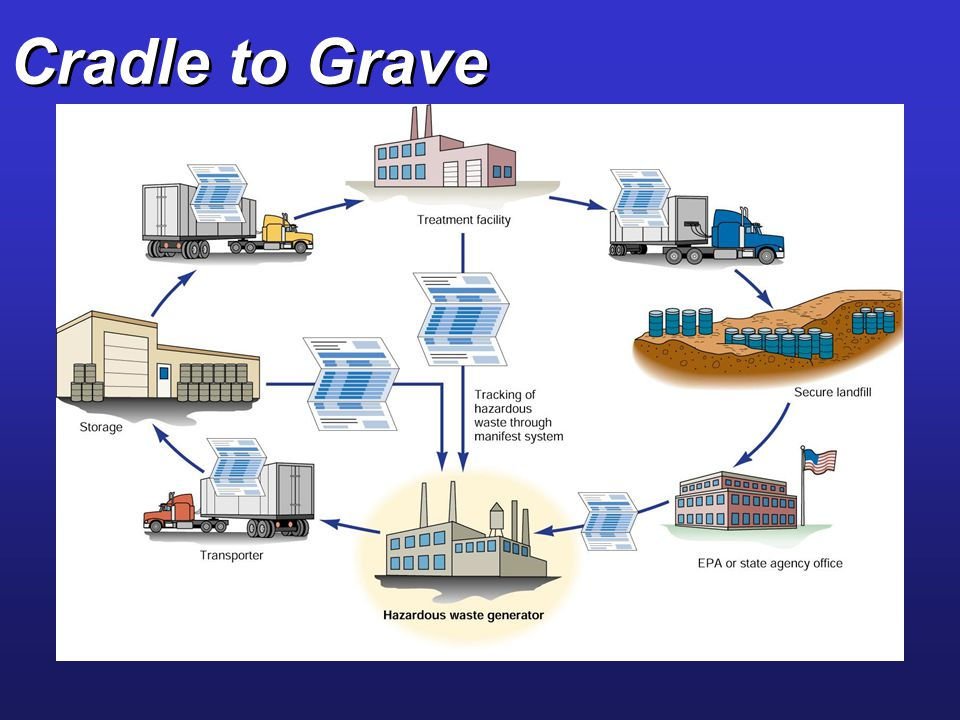
Traditional EPR systems often operate with fragmented data and incomplete reporting. Producers may report quantities of materials they place on the market, but the information rarely tracks the actual lifecycle of individual products. Once an item enters the consumer market, the trail frequently goes cold. Waste handlers, recyclers, and regulators are left trying to guess the material composition and environmental impact of discarded products.
Imagine receiving a complex electronic device at a recycling facility without knowing what metals or hazardous materials it contains. Disassembling it becomes inefficient, expensive, and sometimes dangerous. Multiply this scenario by millions of products across industries like electronics, textiles, batteries, and appliances, and you begin to see the scale of the problem.
Another challenge is data silos across the supply chain. Manufacturers, suppliers, logistics companies, retailers, and recyclers all hold pieces of information about a product, but these pieces rarely connect in a unified system. The result is a fragmented lifecycle story that prevents true circularity.
Transparency also matters for consumers. Many people want to buy sustainable products but have little way to verify environmental claims. Labels can be vague, marketing messages can be misleading, and lifecycle impacts are rarely visible to the average buyer.
This lack of transparency weakens EPR enforcement. Regulators cannot accurately assess compliance, recyclers cannot optimize recovery processes, and consumers cannot make informed choices. The sustainability system becomes reactive rather than proactive.
Enter Digital Product Passports, a solution designed to transform product data into a living digital record that follows a product from creation to disposal.
The Rise of Digital Product Passports (DPP)
What Exactly Is a Product Passport?
A Digital Product Passport (DPP) is essentially a digital identity card for a product. It stores structured data about the product’s lifecycle, including materials used, manufacturing processes, environmental impact, repair instructions, and recycling information.
Unlike traditional documentation that sits buried in corporate databases, the product passport travels with the product itself—often accessible via QR codes, RFID tags, or digital platforms. Anyone along the supply chain can access relevant data depending on their role. A recycler might view material composition and dismantling instructions, while a consumer might see sustainability metrics and repair guides.
Think of it as a medical record for products. Just as a patient’s health record follows them through hospitals and clinics, a product passport follows an item through manufacturing, distribution, use, and end-of-life processing.
Product passports transform static information into dynamic lifecycle data. Each stage of a product’s journey can update the passport—adding repair events, ownership transfers, refurbishment history, or recycling outcomes.
This dynamic record turns the product lifecycle into a transparent and traceable system, providing valuable insights for manufacturers, regulators, recyclers, and consumers alike.
Regulatory Drivers Behind Product Passports
EU Ecodesign for Sustainable Products Regulation (ESPR)
The biggest catalyst for product passport adoption is regulatory change, particularly in Europe. The Ecodesign for Sustainable Products Regulation (ESPR) introduces Digital Product Passports as a mandatory mechanism for improving product sustainability across the EU economy.
Under this regulation, the DPP will store essential information such as:
-
Unique product identifiers
-
Material composition
-
Sustainability metrics
-
Compliance documentation
-
Repair and recycling instructions
The regulation aims to ensure that products sold in the EU meet strict environmental and circular economy standards.
Implementation will occur gradually. Digital Product Passports are expected to become mandatory starting around 2027 for priority product groups, with full rollout across sectors by around 2030.
Industry-Specific Rollouts (Textiles, Batteries, Electronics)
Certain industries are being prioritized for early implementation due to their environmental impact and complex supply chains.
Textiles, for example, are a major target because of the massive waste generated by fast fashion. New EU rules already require separate collection of textile waste, and producer responsibility schemes for textiles place responsibility for waste management on manufacturers.
Similarly, batteries are being regulated to ensure recycled material content and responsible end-of-life management. Future regulations require minimum recycled content thresholds and strict recycling efficiency targets.
In both cases, product passports serve as the data backbone enabling regulators to verify compliance and track materials across the lifecycle.
Connecting Product Passports with EPR
How Lifecycle Data Strengthens Producer Responsibility
Digital Product Passports dramatically strengthen the effectiveness of Extended Producer Responsibility by providing accurate lifecycle data. Instead of relying on aggregated reports or estimates, regulators can now track detailed product information from manufacturing to disposal.
For producers, this means EPR compliance becomes more measurable and transparent. They can demonstrate exactly how their products are designed, what materials they contain, and how those materials should be recovered. This level of transparency helps eliminate ambiguity in waste management responsibilities.
Lifecycle data also enables better environmental decision-making. Manufacturers can analyze which materials are hardest to recycle or which components frequently fail. Armed with this insight, companies can redesign products to improve durability, repairability, and recyclability.
From the perspective of regulators, product passports enable real-time monitoring of compliance. Instead of relying solely on annual reporting, authorities can verify sustainability claims and material usage across the entire supply chain.
Consumers benefit as well. By scanning a QR code on a product, they may see details about the product’s environmental footprint, repair options, and recycling instructions. That kind of visibility empowers more responsible purchasing decisions.
From Linear Waste Systems to Circular Lifecycle Systems
Traditional product systems operate like a straight line: resources are extracted, products are manufactured, used, and eventually discarded. The value embedded in materials is largely lost.
Product passports change this equation by enabling circular lifecycle systems. Because material composition and disassembly instructions are clearly documented, recyclers can recover valuable resources more efficiently.
Imagine a smartphone reaching a recycling facility. With a product passport, technicians instantly know which metals are present, where components are located, and how they should be removed. This reduces processing costs and increases material recovery rates.
The same logic applies to textiles, electronics, batteries, and construction materials. When every product carries a detailed digital record, waste streams transform into resource streams.
In this way, product passports turn EPR from a compliance obligation into a data-driven circular economy system.
Core Components of a Product Passport
Material Composition and Environmental Data
One of the most important elements of a product passport is detailed material composition data. This includes information about raw materials, chemical substances, and recycled content. Such transparency is critical for both regulatory compliance and environmental impact assessments.
Material data allows recyclers to determine whether components can be reused or safely processed. It also helps regulators track hazardous substances and ensure they are handled appropriately.
Environmental metrics are another key component. Product passports often include lifecycle assessment data such as carbon footprint, water usage, and resource consumption. This data enables manufacturers to benchmark sustainability performance and identify improvement opportunities.
Consumers also gain valuable insights. By scanning a product passport, buyers may see the environmental impact of a product before making a purchase. Over time, this level of transparency could reshape consumer behavior and reward brands that prioritize sustainability.
Repairability, Reuse, and Recycling Information
Repairability is becoming a critical factor in sustainable product design. Product passports can include repair instructions, spare parts information, and maintenance guidelines that extend the lifespan of products.
For example, a consumer repairing a washing machine might access detailed instructions and component diagrams through the product passport. This makes repairs easier and reduces the likelihood that the appliance will be discarded prematurely.
Reuse and refurbishment data can also be recorded. When products are resold or refurbished, the passport updates to reflect their new lifecycle stage. This creates a transparent chain of custody that supports second-hand markets.
Recycling information is equally important. The passport can provide step-by-step dismantling instructions, enabling recyclers to recover materials more efficiently.
Technology Powering Product Passports
IoT, Blockchain, and Data Platforms
Behind every product passport is a digital infrastructure capable of storing and sharing lifecycle data securely. Technologies such as blockchain, Internet of Things (IoT) sensors, and cloud platforms are commonly used to support these systems.
Blockchain, for instance, can create immutable records of product data, ensuring that information cannot be tampered with. This is especially valuable for verifying sustainability claims and preventing fraud.
IoT devices can automatically update product passports during manufacturing, transportation, and usage. Sensors may record environmental conditions, usage patterns, or maintenance events, creating a continuous stream of lifecycle data.
Cloud-based data platforms enable stakeholders across the supply chain to access relevant information in real time. This interoperability is essential for ensuring that product passports function effectively across global value chains.
QR Codes and Consumer Access
For consumers, the most visible part of the product passport is usually a QR code printed on the product or packaging. By scanning the code with a smartphone, users can access detailed information about the product’s origin, materials, and environmental impact.
This simple interface hides a complex data infrastructure behind the scenes. Yet for the user, the experience feels effortless—scan the code and instantly see the product’s story.
Retailers may also use this technology to provide sustainability ratings, repair services, or recycling instructions directly within their shopping apps.
Business Benefits of Product Passports
Compliance with Global Regulations
Regulatory compliance is one of the biggest drivers for adopting product passports. Governments around the world are tightening environmental regulations and expanding EPR schemes. Companies that fail to comply risk financial penalties, market restrictions, or reputational damage.
Digital Product Passports help businesses meet these regulatory requirements by centralizing sustainability data in a structured format. This simplifies reporting and reduces administrative complexity.
For companies operating internationally, product passports can also help navigate fragmented regulatory landscapes. A single digital record can serve multiple compliance frameworks, reducing duplication and improving efficiency.
Operational Efficiency and Supply Chain Transparency
Beyond compliance, product passports offer significant operational benefits. By consolidating product data into a unified system, companies gain greater visibility into their supply chains.
This visibility can reveal inefficiencies, such as excessive material usage or waste generation. Manufacturers can optimize production processes and reduce costs by addressing these issues.
Supply chain transparency also builds trust with consumers and business partners. In an era where sustainability claims are closely scrutinized, verifiable product data provides a powerful competitive advantage.
Challenges in Implementing Product Passports
Data Standardization and Integration
Despite their benefits, product passports present several challenges. One of the biggest is data standardization. Different companies use different systems, formats, and reporting standards, making it difficult to integrate information across supply chains.
Achieving interoperability requires industry-wide collaboration and standardized data models. Without these standards, product passports risk becoming fragmented or incompatible.
Another challenge is data accuracy. If the information stored in product passports is incomplete or incorrect, the entire system loses credibility. Ensuring reliable data collection and verification is therefore essential.
Cost and Infrastructure Barriers
Implementing product passports also requires investment in digital infrastructure, data management systems, and training programs. Smaller companies may struggle to absorb these costs.
However, as technology evolves and regulatory requirements become clearer, the cost of adoption is expected to decrease. Governments and industry groups are also developing shared platforms to support smaller businesses.
The Future of EPR with Product Passports
Circular Economy Acceleration
Product passports have the potential to accelerate the global transition to a circular economy. By making product data transparent and accessible, they enable more efficient reuse, repair, and recycling systems.
This transformation could dramatically reduce waste and resource consumption. Instead of discarding products at the end of their lifecycle, materials can be recovered and reintegrated into new manufacturing processes.
Over time, this shift could reshape entire industries, encouraging innovation in sustainable product design and resource management.
What Companies Should Do Now
Businesses that want to stay competitive in the emerging circular economy should start preparing for product passport requirements today.
Key steps include mapping product data, digitizing supply chain information, and collaborating with technology partners to develop scalable passport solutions.
Early adoption offers a strategic advantage. Companies that implement product passports proactively will be better positioned to meet regulatory requirements, improve operational efficiency, and build trust with consumers.
Conclusion
Digital Product Passports are transforming Extended Producer Responsibility from a regulatory obligation into a transparent, data-driven lifecycle system. By capturing detailed information about product materials, environmental impact, and end-of-life handling, product passports enable unprecedented visibility across supply chains.
This transparency strengthens EPR enforcement, improves recycling efficiency, and empowers consumers to make informed choices. At the same time, businesses gain valuable insights that support sustainable product design and operational efficiency.
As regulations continue to evolve and circular economy principles gain momentum, product passports are likely to become a foundational component of global sustainability systems. Companies that embrace this transformation today will be better prepared for the future of responsible production and consumption.
FAQs
1. What is a Digital Product Passport?
A Digital Product Passport is a digital record that stores detailed information about a product’s lifecycle, including materials, environmental impact, repair instructions, and recycling guidance.
2. When will product passports become mandatory?
In the European Union, Digital Product Passports are expected to become mandatory for certain product categories starting around 2027, with wider adoption across industries by 2030.
3. How do product passports support Extended Producer Responsibility?
They provide detailed lifecycle data that allows regulators, recyclers, and manufacturers to track products from production to disposal, improving accountability and compliance.
4. Which industries will use product passports first?
Early implementation is expected in industries such as textiles, electronics, batteries, construction materials, and furniture.
5. Can consumers access product passports?
Yes. Many systems allow consumers to scan a QR code on a product to view sustainability information, repair instructions, and recycling guidance.
Leave a Reply