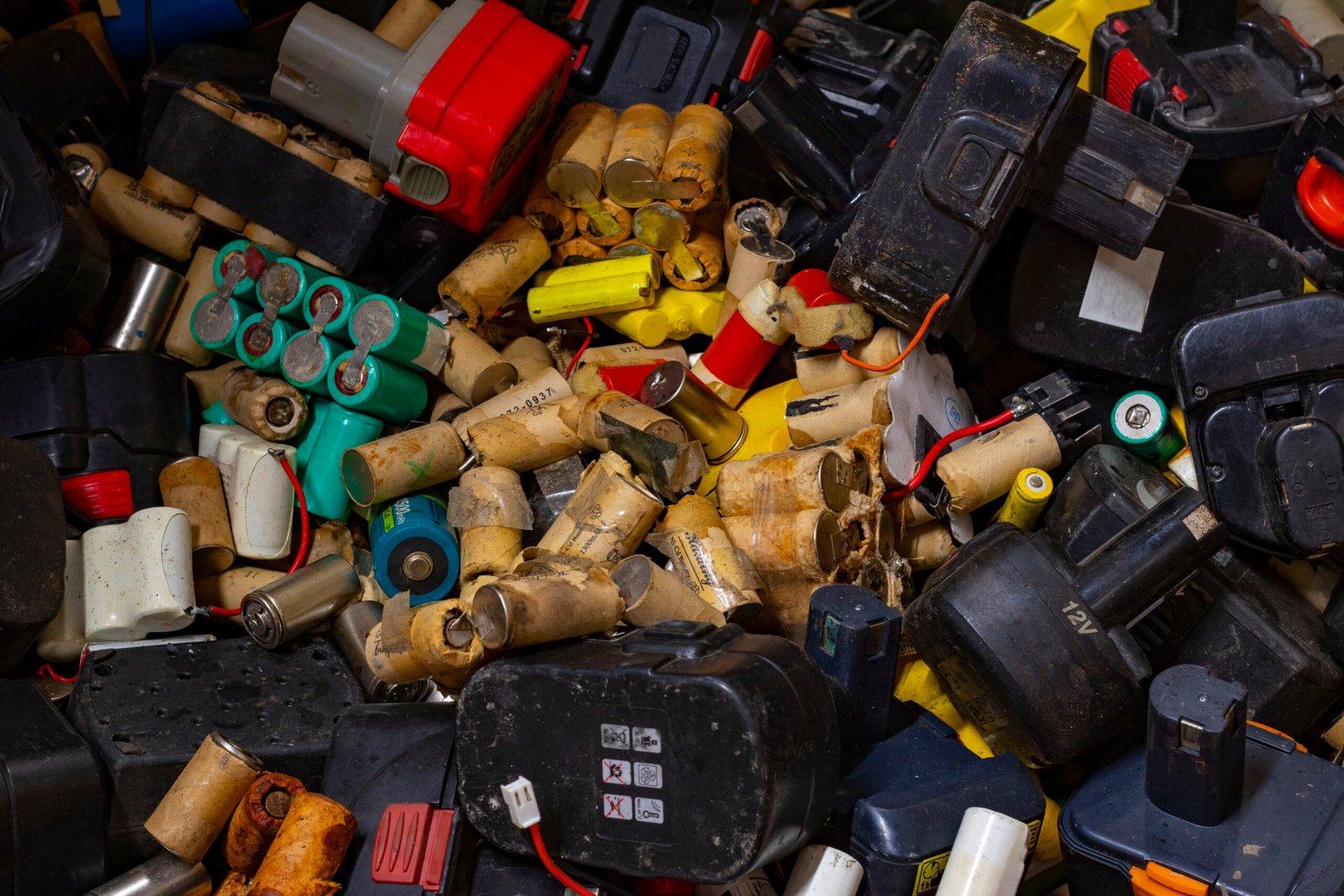
The Global Surge in Battery Usage
Look around your home for a moment. Your smartphone, laptop, smartwatch, wireless earbuds, remote controls, electric toothbrush, and even your car may rely on batteries. Batteries quietly power modern life, yet very few people stop to think about what happens when those batteries finally die. With the rapid expansion of electronics and electric vehicles, the world is experiencing an unprecedented surge in battery usage. This explosion of demand is creating a massive stream of battery waste that society must learn to manage responsibly.
The scale of the problem is staggering. Global studies estimate that millions of tons of battery waste will be generated in the coming decades, largely from lithium-ion batteries used in electronics and electric vehicles. Some estimates suggest that global lithium-ion battery recycling markets could grow from $7.2 billion in 2024 to nearly $47 billion by 2034, reflecting how urgently industries are trying to address the issue.
But here’s the twist: batteries are not just waste. They’re also treasure chests filled with valuable metals like lithium, cobalt, nickel, and copper. Mining these materials is expensive, energy-intensive, and often environmentally destructive. Recycling batteries allows these materials to be recovered and reused, creating what experts call a circular supply chain for energy storage. Instead of constantly digging new minerals out of the Earth, we can reuse the ones we already have.
That’s why battery recycling is becoming one of the most important sustainability challenges of the 21st century. It’s not just about waste management. It’s about protecting ecosystems, conserving critical minerals, and ensuring the future of clean energy technologies.
Environmental Risks of Improper Disposal
When batteries are thrown into regular trash, they don’t simply disappear. Over time, they corrode, crack, and release their chemical contents into the environment. Many batteries contain heavy metals and toxic compounds that can seep into soil and groundwater, posing serious environmental risks.
Imagine a landfill filled with thousands of discarded batteries slowly leaking chemicals into the ground. These contaminants can eventually reach rivers, lakes, and agricultural soil, affecting ecosystems and potentially entering the food chain. The consequences extend far beyond the landfill itself.
Lithium-ion batteries create an additional danger: fire risk. When damaged or exposed to heat, they can ignite or even explode. Fires in waste facilities and garbage trucks caused by discarded batteries have become a growing problem worldwide.
Recycling helps prevent these hazards. By collecting batteries separately and processing them safely, recycling facilities ensure that hazardous materials are handled in controlled environments rather than leaking into the natural world.
What Happens When You Throw Away a Battery
Chemical Leaks and Soil Contamination
To understand the importance of battery recycling, it helps to visualize what happens when a battery ends up in the wrong place. When a battery is buried in a landfill, it becomes part of a slow chemical reaction with the surrounding environment.
Over time, moisture and temperature changes cause the battery casing to deteriorate. As the outer shell breaks down, the chemicals inside begin to escape. Heavy metals such as cadmium, nickel, and lead can seep into surrounding soil layers. Eventually, rainwater carries these contaminants into groundwater systems.
The problem doesn’t stop there. Once toxic metals enter the soil, they can be absorbed by plants. Animals and humans may then ingest these contaminants indirectly through food sources. This chain reaction transforms what seemed like a small act—throwing away a battery—into a broader environmental issue.
Proper recycling interrupts this chain. Instead of releasing chemicals into nature, batteries are dismantled in specialized facilities where their components are safely extracted and reused.
Fire and Safety Hazards in Landfills
Aside from chemical contamination, discarded batteries present a serious safety risk. Lithium-ion batteries are particularly volatile because they store large amounts of energy in compact spaces. When crushed or punctured, they can trigger short circuits that generate heat rapidly.
Landfills and recycling trucks are especially vulnerable to these incidents. Batteries can become compressed under heavy waste, leading to sparks or fires. Even small consumer batteries can ignite when damaged, creating dangerous conditions for waste management workers.
These fires are difficult to extinguish because lithium batteries can reignite repeatedly. As a result, many municipalities now encourage citizens to dispose of batteries at designated recycling centers instead of placing them in household trash.
Recycling facilities are equipped to handle these risks. Batteries are discharged, dismantled, and processed under strict safety protocols designed to prevent accidents and contain hazardous reactions.
The Life Cycle of a Battery After Disposal
Collection and Transportation Systems
The journey of a recycled battery begins long before it reaches a processing plant. It starts with collection systems designed to keep batteries separate from ordinary waste streams.
These systems include public recycling bins, electronics stores, municipal collection events, and specialized e-waste centers. Once collected, batteries are transported to recycling facilities where trained technicians evaluate them.
Proper transportation is critical because damaged batteries can pose hazards during transit. To prevent short circuits, workers often tape battery terminals or store them in insulated containers. This careful handling ensures that the batteries arrive safely at recycling facilities.
Once they arrive, the next phase of the journey begins: sorting and classification.
Sorting and Classification at Recycling Facilities
Not all batteries are the same. Some contain lithium, others contain lead, nickel, or alkaline compounds. Each type requires a slightly different recycling process.
At recycling facilities, advanced sorting systems separate batteries by chemistry and size. Some facilities use robotic systems, conveyor belts, and optical sensors to identify different battery types. This step is crucial because mixing battery chemistries can create dangerous reactions during processing.
Once sorted, batteries move to the next stage of the recycling pipeline: dismantling and material recovery.
The Core Science Behind Battery Recycling
Mechanical Separation Processes
Mechanical processing is the first major step in most battery recycling operations. During this stage, batteries are physically broken down into smaller components so that valuable materials can be separated.
This process typically begins with shredding or crushing the batteries in sealed environments to prevent chemical exposure. Facilities often use specialized hammer mills or shredders designed to handle hazardous materials safely.
Once crushed, the resulting mixture contains various materials including plastics, metals, and chemical powders. Advanced separation techniques such as magnetic sorting, sieving, and density separation isolate different components.
These mechanical methods allow recyclers to extract materials like aluminum, copper, and steel. But the real value lies deeper within the battery’s chemical compounds.
Chemical Extraction and Metal Recovery
After mechanical processing, recyclers turn to chemical techniques to recover valuable metals embedded in battery materials.
Hydrometallurgical Methods
Hydrometallurgy involves dissolving battery materials in chemical solutions to separate metals from other compounds. Acids or other solvents break down the battery’s internal structures, allowing metals like cobalt, nickel, and lithium to be extracted.
This method is widely used because it can achieve high recovery rates while using relatively moderate temperatures. The resulting metals can then be purified and reused to manufacture new batteries.
Pyrometallurgical Methods
Another approach is pyrometallurgy, which uses high temperatures to melt battery materials. In this process, batteries are smelted in large furnaces where metals separate based on density and melting points.
Although effective, pyrometallurgical methods require large amounts of energy. As a result, many modern facilities combine both chemical and mechanical processes to maximize efficiency.
Through these techniques, recycling plants can recover 25% to 96% of valuable materials from lithium-ion battery cells depending on the technology used.
Environmental Benefits of Recycling Batteries
Reduced Mining and Resource Extraction
Mining raw materials for batteries is one of the most environmentally intensive parts of the energy storage industry. Extracting lithium, cobalt, and nickel requires large amounts of energy, water, and land.
Recycling provides a powerful alternative. Instead of digging new minerals out of the Earth, industries can recover metals from existing batteries. Studies show that recycling can dramatically reduce the environmental footprint associated with battery production.
This shift has huge implications for sustainability. As electric vehicles and renewable energy storage become more widespread, recycled materials could play a major role in meeting future demand.
Lower Energy Consumption and Carbon Emissions
Another advantage of battery recycling is energy efficiency. Manufacturing batteries from recycled materials typically consumes far less energy than producing them from raw ores.
Some recycling processes can reduce energy use by up to 80% and carbon emissions by around 70% compared with traditional mining and refining methods.
This reduction translates into lower greenhouse gas emissions and a smaller environmental footprint for the entire battery industry.
The Growing Global Battery Recycling Industry
Market Growth and Innovation
The battery recycling sector is rapidly evolving as governments and companies recognize its strategic importance. With the rise of electric vehicles and renewable energy storage systems, demand for battery recycling services is skyrocketing.
Market analysts predict enormous growth in the coming decade. Some projections estimate that the lithium-ion battery recycling industry could exceed $56 billion globally by 2032, reflecting increasing demand for recovered materials.
Innovation is also accelerating. New technologies are being developed to recover more materials with greater efficiency. Robotics, artificial intelligence, and advanced chemical processes are transforming recycling plants into high-tech resource recovery facilities.
Challenges in Battery Recycling
Technical and Economic Barriers
Despite its benefits, battery recycling is far from simple. Batteries are complex products containing multiple layers of chemicals, metals, and protective materials.
Disassembling them safely requires specialized equipment and trained technicians. Some recycling methods also generate hazardous byproducts that must be carefully managed.
Economic challenges also exist. Collecting and transporting batteries can be expensive, especially when dealing with small consumer devices scattered across households.
Still, technological advances and supportive government policies are gradually overcoming these obstacles.
The Future of Battery Recycling Technology
Circular Economy and Second-Life Batteries
One of the most exciting developments in battery recycling is the concept of second-life batteries. Instead of recycling batteries immediately after their first use, some batteries can be repurposed for less demanding applications.
For example, electric vehicle batteries that no longer hold enough charge for driving can still function as stationary energy storage systems for homes or renewable power grids.
This approach extends the useful life of batteries and delays the need for recycling, maximizing resource efficiency.
Eventually, when these batteries truly reach the end of their lifespan, they can still be recycled to recover their materials.
Conclusion
The journey of an old battery is far more fascinating than most people realize. What begins as a small electronic component eventually becomes part of a complex global system of resource recovery, environmental protection, and technological innovation.
Battery recycling represents a powerful example of how science and engineering can transform waste into opportunity. Through advanced mechanical processes, chemical extraction techniques, and emerging circular economy models, discarded batteries are being converted into valuable resources for the next generation of technologies.
As battery usage continues to grow, responsible recycling will become increasingly important. By ensuring that batteries are properly collected and processed, society can reduce pollution, conserve natural resources, and support the transition toward a more sustainable energy future.
FAQs
1. What materials can be recovered from recycled batteries?
Recycling facilities commonly recover metals such as lithium, cobalt, nickel, copper, and aluminum. These materials can be reused to manufacture new batteries and electronic components.
2. Are all batteries recyclable?
Most batteries are recyclable, including lithium-ion, lead-acid, nickel-cadmium, and nickel-metal hydride batteries. However, each type requires different recycling methods.
3. Why shouldn’t batteries be thrown in the trash?
Batteries contain chemicals and heavy metals that can leak into soil and water in landfills. They can also cause fires if damaged or crushed.
Leave a Reply