cms

Blog

  • Reclaiming Resources at Scale: How EPR Is Reshaping Industrial Oil Waste Management

    Reclaiming Resources at Scale: How EPR Is Reshaping Industrial Oil Waste Management

    Why Industrial Oil Waste Demands a Bigger Conversation

    When we think of used oil waste, the common image that comes to mind is often a mechanic’s garage or a roadside workshop. However, this perception overlooks the massive volumes of used oil generated within industrial settings—steel plants, textile factories, power stations, and mining operations, to name a few. These industries use oil in a variety of high-intensity applications, from lubricating turbines to operating hydraulic systems, and the resulting waste oil poses a significant environmental and regulatory challenge if not managed responsibly.

    Unlike the relatively small-scale oil changes done in vehicles, industrial oil waste involves bulk quantities with complex chemical compositions. Oils used in heavy machinery often contain toxic additives, heavy metals, and other hazardous compounds that degrade over time. Once these oils become unsuitable for use, improper disposal can lead to groundwater contamination, air pollution, and even soil toxicity—posing a serious risk to public health and the environment.

    In India, the rise of industrial manufacturing, energy production, and infrastructure development has dramatically increased the scale of oil consumption. According to estimates from the Central Pollution Control Board (CPCB), over 300,000 kilolitres of used oil are generated annually, with a significant portion originating from industrial activities. Despite this, collection and re-refining rates remain far below their potential, largely due to inadequate regulation enforcement, lack of awareness, and fragmented recovery infrastructure.

    This is where Extended Producer Responsibility (EPR) comes into play. By mandating that producers and bulk oil users are accountable for the end-of-life management of their products, EPR shifts the burden from informal sectors to organized systems with traceability, compliance, and environmental integrity. For industrial players, it’s no longer enough to simply ‘dispose’ of used oil—it must be tracked, collected, and processed through CPCB-approved channels, closing the loop and ensuring valuable resources are recovered instead of lost.

    To frame the issue more clearly, here are some reasons why industrial oil waste deserves more focused attention in national policy and business operations:

    • Industrial facilities produce used oil in much higher volumes than small-scale users.
    • Used industrial oil contains hazardous contaminants that require specialized handling and disposal.
    • Improper disposal leads to severe environmental degradation and regulatory non-compliance.
    • Low recovery and re-refining rates waste a valuable resource that could be reintroduced into the circular economy.
    • EPR policies create a structured opportunity for accountability and sustainability at scale.

    In this context, the discussion around used oil must evolve beyond the automotive sector. Addressing oil waste in industrial operations is not just an environmental imperative—it’s a strategic step toward building a circular, resource-efficient economy where nothing goes to waste. As India modernizes its approach to EPR and waste management, industrial players must recognize their central role in transforming how oil waste is viewed, handled, and repurposed.

    When people think about used oil, the image that usually comes to mind is a car garage or mechanic’s workshop. But in reality, large-scale industries—from manufacturing plants to heavy equipment operations—generate far more used oil than the automotive sector. As India expands its Extended Producer Responsibility (EPR) framework to cover this critical waste stream, understanding how it applies to industrial operations is essential for sustainable compliance and circular innovation.

    The Scale and Scope of Industrial Used Oil Generation

    The generation of used oil in industrial settings far exceeds that of the automotive sector, both in quantity and in complexity. Large-scale industrial facilities rely on a variety of oils and lubricants to keep operations running smoothly—these include turbine oils, hydraulic fluids, compressor oils, transformer oils, and gear lubricants. As these oils age and degrade due to heat, pressure, and contamination, they are rendered unfit for continued use and must be removed from the system to avoid machinery failure or safety hazards.

    The scale of used oil generation correlates closely with industrial activity. In manufacturing hubs and industrial corridors, the volume of used oil produced can reach tens of thousands of litres per facility annually. For example, a single thermal power plant may require thousands of litres of turbine oil each year, while heavy mining equipment such as excavators and drills demand frequent oil changes due to their harsh operating conditions. These figures multiply rapidly when viewed across India’s vast industrial landscape.

    According to CPCB estimates, India generates over 300,000 kilolitres of used oil every year. A significant proportion of this—up to 60%—is believed to come from the industrial sector. Unfortunately, a large portion of this waste is either unaccounted for or ends up in the informal sector, where it’s often reprocessed in unsafe and environmentally damaging ways or burned as a low-grade fuel. This lack of traceability undermines both environmental safety and the potential for resource recovery through proper re-refining.

    What makes industrial used oil particularly challenging is the diversity of its sources and contaminants. Unlike vehicle engine oil, which is relatively uniform, industrial oils can vary widely in their chemical composition and degradation profile. Some may contain heavy metals, chlorinated compounds, or other hazardous substances that demand specialized treatment and disposal protocols. Without proper infrastructure and enforcement, this waste stream can quickly become a source of pollution.

    The scope of this issue is not limited to environmental impact. Poor management of used oil can lead to operational inefficiencies, equipment damage, and regulatory penalties for industries. Addressing this challenge requires a comprehensive understanding of where and how industrial oil waste is generated, as well as robust systems to capture, document, and responsibly process it.

    • Power plants use vast amounts of turbine and transformer oils that degrade with use.
    • Mining and construction equipment require regular oil changes due to extreme working conditions.
    • Steel and manufacturing units operate hydraulic systems and compressors that consume large volumes of lubricants.
    • Oil contamination in these settings can include heavy metals and hazardous chemicals.
    • Improper disposal often results in soil and water pollution, impacting communities and ecosystems.

    To manage the scale and complexity of industrial used oil generation, stakeholders must adopt a lifecycle perspective—one that includes upstream tracking, midstream collection, and downstream recovery. By doing so under the framework of EPR, industries can turn a regulatory obligation into a circular opportunity.

    Industrial facilities rely heavily on lubricating oils for machinery, turbines, compressors, and hydraulic systems. Over time, these oils degrade and become contaminated with heavy metals and other hazardous substances, rendering them ineffective and potentially toxic. The cumulative volume of used oil generated in industrial operations is immense, with India producing hundreds of thousands of kilolitres annually. This makes industrial sites a high-priority focus for any national EPR framework aimed at resource recovery and environmental protection.

    Types of Industries and Their Oil Waste Footprint

    Different industries generate used oil in varying quantities, depending on the nature of their operations, machinery, and maintenance cycles. Power generation, manufacturing, mining, and construction are among the highest contributors to industrial oil waste. Each of these sectors relies on extensive mechanical systems that require constant lubrication and cooling, resulting in substantial oil consumption and, consequently, waste.

    In the power sector, for instance, turbine oils and transformer oils are essential for uninterrupted operation of generators and electrical infrastructure. These oils break down over time due to high temperatures and electrical stress. Mining and construction industries, on the other hand, operate heavy-duty equipment such as excavators, crushers, and dumpers in harsh environments, necessitating frequent oil changes. Manufacturing units, particularly in sectors like steel, cement, and textiles, utilize hydraulic and compressor systems that also contribute to used oil volumes.

    Even less obvious sectors like railways and marine transport contribute significantly, as locomotives and ships operate with large diesel engines and auxiliary systems that use various grades of lubricants. Each of these sectors has a distinct oil waste profile, which not only varies in volume but also in chemical composition and contamination level. This diversity calls for sector-specific approaches in collection, segregation, and recycling to ensure environmental safety and regulatory compliance.

    Sectors such as steel manufacturing, power generation, mining, and construction are among the largest contributors to used oil waste. For instance, power plants may require constant lubrication for turbines and diesel generators, while mining equipment demands frequent oil changes under harsh operating conditions. Each industry not only generates different types of used oil but also faces unique challenges in safe handling, collection, and recycling.

    Environmental and Operational Risks of Improper Disposal

    When not managed responsibly, used oil can seep into soil and water bodies, creating long-term contamination issues. In industrial environments, the risks multiply due to larger volumes and more complex chemical compositions. Mishandling used oil can also expose workers to health hazards and increase the risk of fires, explosions, and machinery breakdowns due to poor maintenance practices.

    Understanding EPR Mandates for Industrial Used Oil

    Extended Producer Responsibility (EPR) is a policy mechanism that assigns end-of-life accountability to producers and bulk users of products, ensuring that waste generated from their use is properly managed. In the context of industrial used oil, EPR shifts the focus from reactive disposal to proactive responsibility, mandating that those who generate or introduce oil into the market must also take responsibility for its environmentally sound collection, recycling, or disposal.

    In India, the Ministry of Environment, Forest and Climate Change (MoEFCC), along with the Central Pollution Control Board (CPCB), has begun formalizing EPR rules for used oil management under the Hazardous and Other Wastes (Management and Transboundary Movement) Rules, 2016. These regulations require that bulk oil users—including industrial plants—register as ‘Bulk Waste Generators’ and follow specific protocols to ensure traceable and safe handling of used oil. Unlike smaller entities, industries cannot rely on informal channels; they must work with CPCB-authorized recyclers and transporters, and maintain digital records of every transaction.

    EPR compliance also involves reporting obligations. Companies must submit annual returns detailing quantities of used oil generated, handed over, and processed. These reports are meant to create a transparent chain of custody that can be audited and verified by regulatory bodies. Non-compliance can attract legal penalties, environmental fines, and even suspension of operations in extreme cases. For industries, integrating these mandates into their standard operating procedures is no longer optional—it’s a legal and environmental imperative.

    Implementing EPR in an industrial context requires coordination across departments—procurement, maintenance, environment, health and safety (EHS), and legal teams all play a role. Companies must also audit their waste handlers to ensure they are working with certified and compliant vendors. With the rise of digital waste tracking platforms, many organizations are now leveraging technology to streamline documentation, automate compliance, and gain insights into resource recovery potential.

    • Bulk oil users must register with CPCB as Bulk Waste Generators.
    • Used oil must be collected and handed over only to authorized recyclers and transporters.
    • Annual returns must be filed with accurate data on used oil generation and processing.
    • EPR implementation requires internal coordination and vendor verification.
    • Non-compliance can result in legal and financial repercussions.

    Understanding and adhering to EPR mandates is not just about avoiding fines; it’s about participating in a circular economy that values resource efficiency and environmental integrity. For industrial sectors, embracing EPR is an opportunity to build more resilient, transparent, and sustainable waste management systems that align with global environmental goals.

    India’s EPR regulations are gradually tightening around the management of used oil across both informal and industrial sectors. These rules place responsibility on producers, importers, and industrial users to ensure that used oil is collected and processed through authorized channels. For industrial settings, this means embedding compliance into the procurement, operational, and waste disposal processes to avoid legal, environmental, and reputational risks.

    EPR Obligations for Bulk Waste Generators

    Industrial entities that generate large quantities of used oil are classified as Bulk Waste Generators under India’s evolving EPR framework. This classification carries specific legal responsibilities aimed at preventing environmental degradation and promoting safe resource recovery. These obligations go beyond simple disposal—they require active participation in the collection, documentation, and handover of used oil to authorized processors.

    Bulk Waste Generators must first register with the Central Pollution Control Board (CPCB) through its online portal. Once registered, they are required to track the quantity of used oil generated on-site and ensure that it is collected only by transporters and recyclers who hold valid CPCB authorization. Crucially, each transaction must be documented and maintained as part of the generator’s compliance records. These records are reviewed during audits and are essential when submitting annual reports. Failure to meet these obligations may result in penalties or suspension of operations, especially in environmentally sensitive zones. In this context, regulatory compliance becomes not just a legal checkbox but a critical element of risk management and environmental stewardship.

    Industrial users that generate used oil in significant quantities are classified as bulk waste generators. Under EPR, these entities must register with the Central Pollution Control Board (CPCB), maintain accurate records, and ensure that waste is transferred only to CPCB-approved recyclers. Failure to comply could result in penalties or even operational suspensions under India’s Environmental Protection Act.

    Role of Authorized Re-refiners and Transporters

    Industrial compliance relies on a robust network of certified transporters and re-refiners who can safely handle hazardous waste. Working with authorized partners ensures that used oil is not illegally dumped or burned, but instead processed into base oil, fuel oil, or other usable products. Traceability and documentation, often managed via digital platforms, are critical to closing the loop and demonstrating EPR adherence.

    • EPR ties industrial oil waste directly to producer accountability
    • Proper documentation and partnerships are key to compliance
    • Authorized re-refining supports both the economy and the environment

    Building a Closed-Loop System for Used Oil Recovery

    Establishing a closed-loop system for used oil recovery is one of the most effective strategies for reducing environmental impact while maximizing resource efficiency. In a closed-loop model, used oil is collected, treated, and re-refined into usable products—most often base oil for new lubricants—thus re-entering the production cycle rather than ending up as waste. For industrial settings that produce large volumes of used oil, this system not only supports regulatory compliance but also contributes to long-term operational and environmental sustainability.

    A successful closed-loop recovery process begins with on-site segregation and proper storage of used oil. This is critical to ensure that contaminants do not mix with the oil, which could complicate re-refining or make the waste hazardous. Industries must also ensure that storage containers are leak-proof, clearly labeled, and located in designated areas with spill containment measures. These practices form the foundation of a responsible recovery strategy.

    From there, the used oil must be transported via authorized carriers to licensed re-refining facilities. These facilities use advanced technologies such as vacuum distillation and hydro-treatment to remove impurities, heavy metals, and degraded additives, restoring the oil’s base components to near-original quality. This process not only conserves crude oil resources but also prevents illegal burning or dumping—common in informal recycling channels—which can cause severe air and water pollution.

    Digital tracking systems are increasingly being used to improve transparency and traceability in the used oil recovery chain. These platforms help industries monitor the movement of waste from generation to final recovery, simplifying EPR reporting and ensuring accountability across the supply chain. Some companies even use these insights to optimize their lubricant procurement and maintenance schedules, further reducing waste generation at the source.

    • Segregate and store used oil properly on-site to prevent contamination.
    • Partner with CPCB-authorized transporters and re-refiners for responsible recovery.
    • Leverage digital waste tracking tools for transparency and compliance.
    • Ensure recovered oil is re-refined and reintroduced into the supply chain.
    • Promote internal awareness and training to support circular practices.

    By embedding closed-loop principles into daily operations, industries can align economic performance with environmental responsibility. Not only does this approach reduce dependency on virgin oil imports, but it also strengthens India’s circular economy by turning waste into a valuable resource. The more industrial players commit to such systems, the closer we move toward a cleaner, more resource-resilient future.

    To unlock the full potential of EPR in industrial oil waste management, industries must move beyond reactive compliance to proactive circularity. This involves designing systems that not only handle waste efficiently but also maximize recovery and reuse. Innovations in filtration, reclamation, and re-refining technologies are making it increasingly viable to recycle used oil back into high-quality lubricants or fuel, reducing reliance on virgin resources and cutting carbon emissions.

    Integrating Used Oil Recovery into ESG Strategies

    For many industrial players, aligning used oil recovery with Environmental, Social, and Governance (ESG) goals offers strategic value. Transparent waste tracking, third-party audits, and public sustainability reporting can enhance investor confidence and stakeholder trust. Moreover, participation in circular practices often yields operational savings in the long run.

    The Future of Industrial Responsibility: What’s Next?

    As industries continue to evolve in response to sustainability demands and regulatory reforms, the future of industrial responsibility in used oil management is increasingly being shaped by Extended Producer Responsibility (EPR). The emphasis is no longer just on disposal—it’s about accountability, traceability, and creating value from waste. With mounting pressure to meet environmental, social, and governance (ESG) goals, industrial players are expected to adopt more transparent and circular practices around used oil.

    Policy frameworks are also advancing to support this shift. The Central Pollution Control Board (CPCB) is actively refining guidelines to bring more uniformity and enforcement to used oil EPR mandates. As digital compliance platforms mature, regulatory bodies are better positioned to track waste flows, flag discrepancies, and hold non-compliant players accountable. This data-driven approach is expected to reduce leakages to informal channels and encourage investment in formal re-refining infrastructure.

    Technology will play a pivotal role in shaping this next chapter. From AI-based maintenance forecasting that minimizes oil waste to blockchain-backed supply chains for waste tracking, industries have more tools than ever to manage their used oil responsibly. At the same time, growing consumer and investor expectations are pushing companies to showcase measurable environmental performance—especially in high-impact sectors like manufacturing, mining, and energy.

    • EPR enforcement will likely expand to include stricter digital documentation and traceability standards.
    • Industries may see incentives for investing in certified re-refining partnerships and circular innovations.
    • Public ESG reporting will increasingly include industrial waste recovery performance.
    • New technologies will streamline oil usage, improve recovery efficiency, and lower lifecycle emissions.
    • Stronger collaboration between government, recyclers, and industries will be critical for scaling solutions.

    Looking ahead, industrial responsibility will be defined not just by compliance, but by leadership in sustainability. Companies that take a proactive stance—investing in closed-loop systems, partnering with certified recyclers, and engaging in transparent reporting—will be better positioned to navigate regulatory shifts and stakeholder scrutiny. Ultimately, transforming used oil from a liability into a valuable resource is not just a technical challenge; it’s a strategic opportunity for long-term resilience and environmental stewardship.

    India’s regulatory landscape is evolving rapidly to address the environmental challenges posed by industrial waste streams. EPR for used oil in industrial settings is not just a compliance box to tick—it’s an opportunity to lead in sustainability, reduce dependency on virgin oil imports, and strengthen national resource security. Businesses that invest in circular systems today will not only stay ahead of the curve but also help shape a cleaner industrial future.
  • From Waste to Worth: How Re-refining Used Oil Powers the Circular Economy

    From Waste to Worth: How Re-refining Used Oil Powers the Circular Economy

    Why Re-refining Used Oil Is Gaining Ground in India’s Sustainability Push

    In India’s rapidly industrializing economy, the management of hazardous waste has emerged as a critical priority—especially used lubricating oil. Often overlooked, this dark, sludgy residue left over from machinery and engines poses severe environmental risks if not properly handled. When dumped or burned, used oil can contaminate water bodies, release toxic fumes, and degrade soil health. Recognizing the urgency, the government has started treating used oil as a valuable resource rather than a liability. At the heart of this shift is the process of re-refining, a method that restores used oil to a high-quality base oil suitable for reuse.

    What’s driving the momentum behind this transition? A combination of policy mandates, environmental awareness, and economic benefits. India’s Extended Producer Responsibility (EPR) framework has made it mandatory for oil producers, importers, and users to take back a percentage of the oil they introduce into the market. This means that companies can no longer pass the buck on pollution—they must participate in the collection and safe processing of used oil. Re-refining, with its circular benefits, has become a centerpiece of this regulatory push.

    Re-refining used oil addresses multiple sustainability goals at once. It significantly reduces the demand for virgin crude oil, conserves natural resources, and cuts down greenhouse gas emissions. More importantly, it prevents illegal disposal practices such as dumping or open-air burning, which are still prevalent in unregulated sectors. When done properly, re-refining transforms a hazardous waste stream into a commercially viable product—creating jobs, reducing environmental harm, and supporting circular economic practices.

    This growing interest in used oil re-refining is not just regulatory—it’s also practical. Manufacturers and fleet operators are increasingly aware of the operational and cost benefits of reusing high-quality re-refined oil. Meanwhile, technology providers and waste management companies are stepping in with new innovations that make re-refining more scalable and efficient. With support from both public and private sectors, the future of oil reuse in India looks promising.

    • EPR mandates now require producers to recover and process used oil.
    • Re-refining turns hazardous waste into a valuable base oil.
    • The process supports climate goals and reduces environmental degradation.
    • It opens up new business models in sustainable waste management.

    In sum, used oil re-refining is no longer a fringe activity—it’s becoming mainstream in India’s sustainability landscape. By viewing waste as a resource and embedding circularity into regulation, the country is paving the way for cleaner, more efficient industrial practices. The re-refining movement is not just gaining ground—it’s building the foundation for a greener tomorrow.

    As India grapples with mounting industrial waste, used oil—especially from automobiles and machinery—is emerging as a crucial area of intervention. Extended Producer Responsibility (EPR) frameworks have now made it mandatory for producers to reclaim and reprocess this hazardous material. Rather than burning or dumping it, re-refining offers a sustainable pathway, turning waste oil into usable base oil while supporting the circular economy. But how exactly does this process work, and what does it mean for businesses, recyclers, and the environment?

    The Science and Economics of Used Oil Re-refining

    Used oil re-refining is a highly technical process that offers both environmental and economic advantages. While the concept may sound simple—recover oil, clean it, and reuse it—the underlying science involves a multi-stage industrial process that restores the chemical properties of spent oil. This makes it a superior alternative to the more common but harmful practices of burning or dumping used lubricants. Through re-refining, the waste oil is transformed into base oil that meets or even exceeds the quality of virgin oil derived from crude.

    The process begins with the collection of used lubricating oil, which typically contains a mix of base oil, additives, soot, metal particles, water, and other contaminants. The first stage—dehydration—removes water and light hydrocarbons. Next, vacuum distillation separates different oil fractions based on boiling points. This is followed by hydro-treating or solvent extraction, where impurities such as sulfur, nitrogen, and oxidized materials are removed. What remains is high-quality base oil that can be blended with additives to create new lubricants for automotive or industrial use.

    From an economic standpoint, re-refining used oil makes sense on multiple fronts. Producing re-refined base oil requires significantly less energy—up to 70% less—than refining virgin oil from crude petroleum. This not only reduces production costs but also insulates manufacturers from the volatility of global crude oil prices. Additionally, re-refining helps extend the life cycle of oil resources, reducing the frequency with which virgin oil must be extracted, processed, and transported.

    Moreover, as EPR regulations drive demand for proper used oil management, re-refining is becoming an increasingly lucrative sector for both established oil companies and new green startups. Setting up a re-refining plant does require substantial capital investment and technical expertise, but the long-term returns—through product sales, regulatory incentives, and environmental credits—can be significant.

    • Re-refining conserves energy and reduces carbon emissions.
    • The process yields base oil with quality comparable to virgin oil.
    • It supports compliance with EPR and environmental regulations.
    • Economic benefits include cost savings and resource efficiency.

    In a world where both environmental responsibility and operational efficiency are critical, used oil re-refining stands out as a practical solution. It bridges the gap between industrial productivity and ecological sustainability, offering a way to meet rising lubricant demand without further burdening natural resources. As the science behind the process matures and economies of scale kick in, re-refining is poised to become a cornerstone of circular manufacturing in India and beyond.

    Re-refining is not simply recycling—it’s a sophisticated chemical process that removes impurities, additives, and oxidation products from used lubricating oil to produce base oil of comparable quality to virgin oil. With global demand for lubricants rising and crude oil prices fluctuating, re-refining presents both an environmental and economic opportunity.

    How Re-refining Works: A Look at the Technology

    Re-refining used oil is a technologically advanced process that transforms contaminated lubricants into high-quality base oil. It involves a sequence of stages that go beyond simple filtration. The goal is to remove water, dissolved gases, metal particulates, chemical additives, and oxidation by-products—essentially restoring the oil to its original performance characteristics. This is achieved through a combination of mechanical, thermal, and chemical treatments.

    The process typically begins with dehydration and de-fueling, where water and light hydrocarbons are evaporated under controlled heating. Next comes vacuum distillation, which separates the oil into various fractions based on their boiling points. This step helps isolate the heavier lubricating base stocks from other unusable or hazardous components. The most critical stage, however, is hydrotreating—where the oil is exposed to hydrogen gas under high temperature and pressure in the presence of a catalyst. This step removes sulfur, nitrogen, and other reactive contaminants, stabilizing the oil and improving its color, odor, and performance.

    Some facilities also employ solvent extraction or clay treatment to polish the final product. These optional steps can further enhance oil clarity and remove trace impurities. What results is a re-refined base oil that meets national and international standards, ready to be re-blended with additives to create new engine oils, gear oils, or hydraulic fluids. The entire process is engineered for maximum yield and minimal waste, aligning perfectly with circular economy principles.

    Re-refining typically involves vacuum distillation and hydro-treating. First, contaminants like water, fuel, and metal particles are separated. Then the oil undergoes vacuum distillation to isolate usable base oil fractions, followed by hydro-treatment to remove sulfur, nitrogen, and other residuals. The end product is a high-quality base oil ready for reuse in automotive or industrial applications.

    Environmental and Financial Benefits of the Process

    Compared to producing virgin base oil, re-refining uses less energy and generates fewer emissions. It prevents the improper disposal of hazardous oil that could otherwise contaminate soil and water. On the financial side, re-refined oil is less dependent on global crude markets, making it a stable alternative for manufacturers and consumers.

    EPR Regulations: Driving Compliance and Innovation

    Extended Producer Responsibility (EPR) has become a transformative force in India’s waste management landscape, and used oil is no exception. Recognizing the environmental risks posed by improper disposal of used lubricating oils—such as contamination of water bodies and degradation of soil—the Ministry of Environment, Forest and Climate Change (MoEFCC), in collaboration with the Central Pollution Control Board (CPCB), has instituted EPR obligations for producers, importers, and bulk consumers of lubricants. These guidelines place the responsibility for waste oil recovery and environmentally sound disposal squarely on the shoulders of those who profit from its sale and use.

    Under the EPR framework, producers are required to collect a progressively increasing percentage of the used oil they introduce into the market. These targets are typically phased in over a 3–5 year compliance period, ensuring both industry adaptation and environmental gains. Producers must submit annual action plans, work with authorized re-refiners, and report their recovery progress through the CPCB’s online EPR portal. Failure to meet these obligations can result in financial penalties, product delisting, or revocation of business licenses.

    What sets EPR apart is not just its regulatory teeth but its ability to stimulate innovation. As companies seek cost-effective and scalable ways to fulfill their obligations, new business models and partnerships are emerging. Logistics providers are offering reverse collection services, tech startups are building digital traceability tools, and recyclers are upgrading facilities to meet quality and compliance benchmarks. The regulatory push is not just ensuring compliance—it’s accelerating the modernization of India’s used oil ecosystem.

    • Producers must meet year-wise collection and recycling targets.
    • EPR plans must be registered and monitored through CPCB’s online platform.
    • Partnerships with authorized re-refiners and transporters are mandatory.
    • Non-compliance attracts financial penalties and potential business restrictions.

    Crucially, the EPR framework also encourages transparency and traceability. By requiring digital recordkeeping and third-party audits, it ensures that oil is not just collected but also reprocessed in an environmentally sound manner. This is a significant shift from earlier systems where informal recyclers often diverted waste oil for illegal burning or dumping. Through EPR, India is not just cleaning up its used oil streams—it’s creating a foundation for a closed-loop, circular economy that aligns industrial growth with environmental stewardship.

    In India, the Ministry of Environment, Forest and Climate Change (MoEFCC) and the Central Pollution Control Board (CPCB) have introduced stringent EPR guidelines for used oil management. Under these rules, producers, importers, and brand owners are legally responsible for collecting and ensuring the safe re-refining of a fixed percentage of the oil they put into the market. This regulatory framework is designed to close the loop and bring accountability into the supply chain.

    Producer Obligations and Recycling Targets Under EPR

    Under India’s EPR framework for used oil, producers, importers, and bulk consumers are legally obligated to manage the lifecycle of the lubricants they introduce into the market. This means they must ensure that a defined percentage of the oil sold is collected, transported, and re-refined in an environmentally sound manner. The CPCB has laid out annual recycling targets that gradually increase over time, pushing producers toward higher levels of recovery and reuse. These targets typically begin at around 30% in the first year and escalate to 70% or more within five years, depending on the product category.

    To comply, producers must register their EPR plans on the CPCB’s online portal, outlining their collection strategies, authorized partnerships, and end-use processing facilities. They are required to collaborate with CPCB-approved recyclers and logistics providers, who help ensure the used oil is safely collected and re-refined. Producers must also submit regular progress reports, which are subject to audit and verification. Non-compliance can result in penalties ranging from monetary fines to suspension of product approvals. These obligations not only hold businesses accountable but also foster a systemic shift toward sustainable waste oil management, reinforcing the role of producers in achieving circularity goals.

    EPR mandates require producers to meet annual collection and recycling targets, typically ramping up over a five-year period. Failure to comply can result in penalties or denial of product authorizations. This has prompted many companies to partner with registered re-refiners and logistics providers to build robust collection networks.

    New Opportunities for Circular Economy Startups

    The regulatory push has also spurred innovation. Startups and SMEs are entering the used oil ecosystem with tech-enabled tracking systems, reverse logistics platforms, and small-scale modular re-refining units, helping to make compliance easier and more efficient.

    • EPR enforces accountability from oil producers and sellers
    • Tracking and reporting systems are now essential
    • Growing space for green tech startups in the re-refining sector

    Challenges and Roadblocks on the Path to Circularity

    While the re-refining of used oil is gaining traction as a sustainable practice under India’s EPR regime, the path to achieving a truly circular oil economy is far from smooth. Despite policy frameworks and technological advancements, several persistent challenges continue to undermine the efficiency and impact of used oil recovery and recycling. These hurdles are both structural and behavioral, requiring coordinated efforts across stakeholders to resolve.

    One of the most significant challenges is the dominance of the informal sector in used oil collection and trade. A large portion of used lubricants still flows into unauthorized hands where it is either resold without adequate treatment or burned as low-grade fuel in brick kilns and industrial boilers. These practices are not only illegal but also cause severe environmental harm through air and soil pollution. Because informal collectors often offer immediate cash payments and minimal bureaucracy, many small generators of used oil—such as automotive repair shops—prefer them over formal, regulated channels.

    Infrastructure limitations also present a major bottleneck. Although India has some high-capacity re-refining units in major industrial zones, access to such facilities remains scarce in tier-2 and tier-3 cities. Transporting used oil over long distances increases costs and emissions, making formal collection less viable in remote areas. Moreover, the lack of proper storage and handling practices at collection points often leads to oil contamination or spillage, reducing the quality and recoverability of the material.

    Regulatory enforcement is another critical area that needs strengthening. While EPR guidelines exist, enforcement mechanisms are often inconsistent at the state and local levels. Many producers and recyclers operate without proper registration or oversight, and monitoring systems to track used oil flows remain underdeveloped. Without digital traceability and routine audits, it becomes difficult to measure actual recovery rates or identify leakages in the supply chain.

    • Informal collection networks disrupt formal recycling systems.
    • Lack of infrastructure in smaller cities limits re-refining access.
    • Poor storage and handling reduce recoverable oil quality.
    • Weak regulatory enforcement allows non-compliance to persist.
    • Limited awareness among small generators hampers EPR adoption.

    To overcome these roadblocks, India must invest in strengthening the formal used oil ecosystem—through better infrastructure, targeted incentives, and stricter enforcement of EPR norms. Public awareness campaigns can help shift behavior at the grassroots level, while digital tools can support better traceability and compliance. Without addressing these systemic gaps, the promise of a circular economy for used oil will remain unfulfilled.

    Despite its promise, used oil re-refining in India faces practical challenges. Informal collection, lack of consumer awareness, and insufficient infrastructure continue to undermine circular economy goals. While regulations are in place, enforcement and on-ground coordination remain patchy, particularly in remote and semi-urban regions.

    Tackling Informal Practices and Illegal Dumping

    A major barrier to achieving a circular system for used oil in India is the widespread influence of the informal sector. Unregistered collectors and traders continue to dominate the landscape, offering quick, cash-based transactions to garages, transport fleets, and small industries. These informal operators often divert used oil to low-cost, unregulated end-uses—such as burning in furnaces or brick kilns—without any treatment. This not only results in significant air pollution but also bypasses legitimate re-refining processes that are environmentally sound and technologically advanced.

    Illegal dumping is another severe concern, particularly in peri-urban and industrial fringe areas. When used oil is poured into drains, open fields, or water bodies, it contaminates ecosystems and poses long-term health risks. Tackling these issues requires a multi-pronged approach: stronger enforcement of existing regulations, increased inspections at the generator level, and widespread education campaigns targeting workshops and small businesses. Incentivizing participation in formal collection systems—through rebates, certification schemes, or streamlined logistics—can also help draw waste generators away from informal practices. By closing these informal leakages, India can protect its environment while building a more transparent and traceable oil recovery system.

    A significant volume of used oil is still collected by unregistered dealers who sell it to brick kilns or other polluting industries for direct burning. This bypasses re-refining entirely and causes severe environmental damage. Addressing this requires not only stricter surveillance but also incentivizing formal collection.

    Bridging Infrastructure Gaps Through Policy Support

    Smaller towns often lack access to certified re-refining facilities, leading to logistical bottlenecks. Government incentives—like viability gap funding or easier loans for plant setup—can help extend infrastructure to under-served regions.

    Closing the Loop: Why Used Oil Re-refining Deserves More Attention

    Used oil re-refining is more than just a waste management solution—it is a cornerstone of a sustainable, circular economy. In a world increasingly focused on resource efficiency and climate responsibility, the ability to recover, purify, and reuse used lubricating oil presents a unique opportunity to align industrial growth with environmental preservation. Yet, despite its potential, this segment of the circular economy often receives less attention compared to more visible streams like plastic or e-waste. It’s time to change that narrative.

    Re-refining used oil reduces dependence on virgin crude, conserves energy, and cuts greenhouse gas emissions significantly compared to traditional refining. It also prevents hazardous materials from contaminating land and water, making it an essential tool in reducing pollution. With EPR regulations now placing clear responsibilities on producers, there is a legal and strategic incentive to invest in infrastructure, innovation, and awareness around oil recovery systems. Moreover, re-refined base oil meets the same performance standards as virgin oil, making it a reliable input for industrial and automotive applications without compromising quality.

    Looking ahead, India has the opportunity to lead by example in the global movement toward circularity in the oil sector. Public-private partnerships, capacity building, and financial incentives can accelerate adoption across regions and industries. Ensuring traceability through digital platforms, educating small-scale generators, and enforcing compliance uniformly across states will be key to success. By treating used oil as a valuable resource rather than waste, India can close the loop on this critical material stream.

    • Re-refining transforms hazardous oil waste into valuable base oil.
    • It supports national climate targets by reducing emissions and resource extraction.
    • EPR compliance creates accountability and opens avenues for innovation.
    • Investment in re-refining infrastructure boosts the green economy and job creation.

    As the conversation around sustainability deepens, re-refining must take its rightful place as a priority in industrial policy and corporate responsibility. It’s not just an environmental obligation—it’s an economic and strategic opportunity. By reinforcing systems that support oil recovery, re-refining, and reuse, India can turn a persistent waste problem into a model of circular success. The time to invest in this transformation is now.

    Used oil re-refining is more than a compliance checkbox—it’s a blueprint for sustainable industry. With the right mix of regulation, technology, and public-private collaboration, India can transform this waste stream into a valuable resource. As EPR implementation matures, stakeholders across the value chain must embrace circularity not just as a legal obligation, but as a strategic imperative for long-term resilience and environmental stewardship.

  • Profits with Purpose: Unlocking Value Through Oil EPR Compliance

    Profits with Purpose: Unlocking Value Through Oil EPR Compliance

    Why Aligning with Oil EPR Isn’t Just a Regulatory Obligation

    Extended Producer Responsibility (EPR) has rapidly become a cornerstone of modern environmental governance, particularly in the management of hazardous materials such as used oil. What was once viewed primarily as a compliance burden is now being reframed as a strategic opportunity. Aligning with oil EPR isn’t just about ticking regulatory boxes—it’s about unlocking economic, environmental, and reputational value.

    In India, the Central Pollution Control Board (CPCB) has made significant strides in formalizing EPR obligations for oil producers. This includes mandates for collection, storage, and re-refining or disposal of used oil through authorized channels. While the initial setup—such as developing collection infrastructure or reporting mechanisms—may seem resource-intensive, the long-term returns often outweigh these costs. Producers that integrate EPR practices into their core operations not only mitigate regulatory risks but also open themselves up to financial incentives, resource recovery, and improved stakeholder trust.

    Moreover, global trends are reinforcing this shift. Many international markets now consider environmental performance as a prerequisite for procurement or investment. Companies seen as laggards in waste management may find themselves excluded from supply chains or penalized by ESG-focused investors. In contrast, those with a clear EPR roadmap are better positioned to capture green funding, participate in carbon credit schemes, and qualify for preferential treatment under green procurement policies.

    The benefits of aligning with oil EPR go beyond environmental stewardship. Producers who view EPR as a value-driver rather than a cost center can take advantage of a range of tangible and intangible rewards. These include lower operational costs, access to fiscal incentives, and enhanced brand equity in a marketplace that increasingly values circularity and sustainability.

    • Minimized legal and regulatory risks through early compliance
    • Eligibility for government subsidies and tax rebates
    • Stronger appeal to ESG-conscious investors and customers
    • Improved operational efficiency through better waste tracking
    • Positive brand positioning in green and circular economy narratives

    In sum, oil EPR compliance is no longer just a regulatory box to check—it’s a gateway to smarter business practices and long-term profitability. Forward-thinking producers are increasingly recognizing this shift and taking proactive steps not just to comply, but to lead.

    As the regulatory landscape around oil waste continues to evolve, producers are being called not only to manage their environmental footprint but also to explore the strategic advantages of Extended Producer Responsibility (EPR). Far from being just a compliance burden, oil EPR policies are increasingly designed to reward proactive companies with cost savings, operational efficiencies, and even competitive edge. This blog unpacks how financial incentives are embedded into oil EPR frameworks, offering producers tangible business benefits.

    Understanding the Economics Behind Oil EPR Compliance

    The economics of Extended Producer Responsibility (EPR) for used oil reveal a system where regulatory compliance can drive financial performance. While the surface-level view of EPR might focus on compliance costs, a deeper analysis shows that EPR frameworks are increasingly being designed to reward producers who adopt responsible oil waste management practices. From operational savings to financial incentives, aligning with oil EPR can improve both bottom-line and long-term sustainability metrics.

    At the heart of EPR compliance is the requirement for producers to take responsibility for the post-consumer stage of their products. For oil producers, this means ensuring that used oil is collected, transported, and re-refined or disposed of through authorized channels. Though there are costs associated with setting up such systems—such as developing partnerships with recyclers or creating tracking mechanisms—the potential for economic returns is significant. These returns come in various forms, including reduced waste management fees, tax deductions, and direct subsidies.

    Additionally, as circular economy principles become mainstream, the value of re-refined oil and recovered resources is climbing. Used oil that was previously treated as waste is now being viewed as a valuable input for industrial processes, lubricants, and even fuel. Producers who invest in EPR systems are better positioned to reclaim this value, turning a waste stream into a revenue source or reducing raw material procurement costs.

    Another economic advantage comes from risk mitigation. Companies that fail to comply with oil EPR regulations face stiff penalties, including fines, license suspensions, and reputational damage. In contrast, early adopters benefit from regulatory goodwill and increased eligibility for green financing programs and sustainable investment funds. These fiscal advantages can significantly improve a company’s long-term economic outlook.

    • Reduced costs through material recovery and reuse of re-refined oil
    • Eligibility for government grants, rebates, or tax exemptions
    • Avoidance of non-compliance penalties and associated reputational risks
    • Improved ESG performance metrics, increasing investment appeal
    • Operational efficiencies through structured waste collection systems

    In the bigger picture, EPR compliance for oil waste is not just a cost—it’s a financial strategy. By shifting from reactive waste disposal to proactive resource recovery, producers can capture hidden economic value, build resilience, and support the transition toward a more sustainable industrial ecosystem.

    While oil EPR is rooted in environmental responsibility, it’s also structured to create economic levers that encourage compliance. Governments and environmental bodies are now coupling regulations with financial motivators—such as tax benefits, reduced landfill fees, and subsidies—to drive industry adoption. When viewed holistically, these incentives can offset the upfront costs of setting up compliant systems, making EPR an economically viable strategy.

    Subsidies and Rebates for Collection and Reprocessing

    One of the most immediate and tangible financial incentives available to oil producers under EPR frameworks comes in the form of government subsidies and rebates for the collection and reprocessing of used oil. Recognizing the environmental hazards of improper disposal, regulatory bodies like the Central Pollution Control Board (CPCB) and various State Pollution Control Boards (SPCBs) have introduced schemes to support producers in establishing compliant collection infrastructure.

    These incentives can significantly reduce the upfront investment required to set up logistics for oil collection and processing. For instance, producers who collaborate with authorized aggregators or invest in their own in-house collection mechanisms may qualify for partial reimbursement of operational costs. In some regions, capital subsidies are also offered for machinery used in oil filtration or re-refining, especially when the end product meets prescribed quality standards. These financial supports are designed to make environmentally responsible practices more accessible and economically appealing.

    Moreover, by participating in formal EPR channels, producers also gain access to state-level programs that offer rebates on waste transport costs and registration fees for compliant recyclers. These incentives not only ease the financial burden of compliance but also help standardize high-quality waste oil management practices across the industry. When effectively utilized, such programs can lead to long-term cost savings and position producers as leaders in responsible resource stewardship.

    To ease the cost of infrastructure development for used oil collection, many jurisdictions offer direct subsidies or rebates. For example, producers investing in oil re-refining technology or partnering with authorized waste oil aggregators can access grants or reimbursement schemes. These financial supports not only lower the barrier to compliance but also open new avenues for investment in sustainable technology.

    Tax Benefits for Circular Practices

    Governments often provide tax deductions or exemptions for businesses that implement sustainable practices aligned with EPR, such as recycling used oil or reducing hazardous waste output. Companies that incorporate re-refined oil into their production cycles can benefit from lower tax liabilities and improved ESG ratings, enhancing both their fiscal and brand equity.

    Turning Compliance into Competitive Advantage

    While compliance with oil EPR regulations is legally mandated, forward-looking producers are leveraging these requirements as a strategic differentiator. In a market where sustainability and transparency are becoming key purchasing criteria, aligning with EPR frameworks is no longer just about avoiding penalties—it’s about gaining a competitive edge. By going beyond the minimum standards, producers can demonstrate leadership in environmental stewardship, strengthen their market position, and appeal to a growing base of eco-conscious stakeholders.

    Customers, investors, and global supply chain partners are increasingly evaluating companies through the lens of Environmental, Social, and Governance (ESG) performance. Oil producers that implement strong EPR systems can clearly show how they reduce environmental impact, manage waste responsibly, and support circular economy goals. This credibility enhances brand reputation and helps differentiate offerings in crowded or commoditized markets. In some sectors, meeting robust EPR criteria is a prerequisite for vendor approval or public sector procurement contracts.

    EPR alignment can also open doors to collaboration with like-minded businesses and sustainability platforms. For example, producers that partner with certified recyclers or invest in traceable oil collection technologies may find themselves invited into high-value industrial ecosystems that prioritize accountability and resource efficiency. These networks can foster innovation, expand access to new markets, and reduce long-term operational risks.

    • Strengthened reputation through visible commitment to sustainability
    • Improved access to ESG-aligned investment and credit opportunities
    • Eligibility for preferred supplier status in regulated industries
    • Enhanced stakeholder trust and transparency in operations
    • Opportunities for innovation through partnerships with recyclers and clean tech providers

    Ultimately, producers who view oil EPR not as a box to check but as a platform for strategic positioning are better placed to lead in an era of responsible business. By embracing compliance as a competitive advantage, these companies transform regulatory alignment into a business asset—one that not only protects the planet but also fuels long-term profitability and resilience.

    Beyond regulatory alignment, oil EPR offers savvy producers a path to distinguish themselves in a crowded marketplace. By showcasing their compliance efforts and circular economy contributions, producers can appeal to environmentally conscious customers, secure partnerships with global brands, and even negotiate better terms with financiers who prioritize ESG metrics.

    Market Access and Brand Differentiation

    Increasingly, access to certain international markets depends on meeting EPR standards. For producers aiming to export, compliance with oil waste management rules can serve as a passport to new opportunities. At home, companies that demonstrate transparent oil waste practices are winning customer trust and investor confidence alike.

    • EPR compliance opens access to ESG-aligned financing
    • Improved brand reputation through responsible oil disposal
    • Qualifying for preferred vendor status in global supply chains

    Data-Driven Savings and Operational Efficiency

    One of the lesser-discussed but highly valuable benefits of oil EPR compliance is the operational efficiency it brings through improved data management and systematized processes. As producers implement mechanisms to track, report, and manage used oil flows, they gain access to insights that can directly translate into cost savings and performance improvements. EPR is not just a regulatory requirement—it’s a gateway to smarter resource planning.

    EPR mandates typically require producers to document volumes of oil sold, collected, and processed, as well as their engagement with registered recyclers. This level of documentation necessitates digitization, traceability, and robust reporting systems. While setting up these systems may require upfront investment, they create long-term value by enabling better monitoring, forecasting, and decision-making. Producers can identify inefficiencies, spot trends in oil usage, and track compliance metrics in real time.

    Moreover, data collected through EPR compliance frameworks often reveals hidden costs or wastage points in production and distribution processes. For instance, recurring discrepancies between oil sold and oil recovered can highlight leakages or poor storage practices. By correcting these, producers reduce material loss, improve safety, and lower maintenance expenses. In some cases, companies have even used EPR data to optimize transportation logistics and consolidate collection points, resulting in fuel savings and reduced carbon emissions.

    • Real-time monitoring of used oil collection and recycling activities
    • Identification of inefficiencies or material losses in the supply chain
    • Optimization of logistics and storage operations
    • Informed budgeting and resource allocation based on accurate data
    • Improved forecasting for procurement and production planning

    Ultimately, the structured data collection and analysis required under oil EPR policies help producers operate more efficiently and sustainably. These systems empower businesses to move from reactive waste management to proactive resource optimization—supporting both environmental goals and cost control. In a competitive industrial landscape, data-driven decision-making is fast becoming a key differentiator, and oil EPR offers a structured pathway to get there.

    Digital compliance systems and oil tracking frameworks mandated under EPR also unlock a goldmine of operational insights. Producers who adopt these systems gain real-time visibility into waste generation and can optimize logistics, reduce leaks and inefficiencies, and drive down material costs over time.

    Leveraging Compliance Data for Smarter Decision-Making

    The reporting structures required by EPR frameworks compel producers to gather and analyze waste data—insights that can be used to refine procurement, improve maintenance schedules, and enhance lifecycle planning. In turn, these optimizations result in reduced operating costs and greater resource efficiency.

    Looking Ahead: How Policy Evolution May Further Favor Compliance

    As the global push toward circular economies accelerates, the policy landscape surrounding oil EPR is expected to become increasingly favorable for compliant producers. Regulatory authorities in India and worldwide are shifting their focus from merely enforcing compliance to actively rewarding proactive and sustainable business practices. This evolution in policy not only supports environmental objectives but also creates an enabling environment for businesses that invest early in EPR systems.

    In India, the Central Pollution Control Board (CPCB) and the Ministry of Environment, Forest and Climate Change (MoEFCC) are gradually refining EPR guidelines to include performance-linked incentives, traceability standards, and producer-friendly digital platforms. These changes aim to make compliance more efficient and transparent while allowing regulators to distinguish high-performing producers from those lagging behind. For example, future iterations of EPR policy may include preferential access to licenses or approvals for producers who demonstrate consistent oil recovery rates and end-to-end traceability.

    Internationally, trends such as carbon pricing, green taxonomies, and sustainable procurement frameworks are influencing domestic policy thinking. Oil producers who align early with these evolving standards may find themselves better positioned to benefit from carbon credits, attract ESG-driven investors, or become preferred suppliers in environmentally regulated markets. The direction of policy is clear: companies that contribute to resource recovery and pollution prevention will be financially and reputationally rewarded.

    • Increased likelihood of incentive-based EPR credits and tax rebates
    • Policy mechanisms supporting tradable credits for oil recovery
    • Eligibility for green certifications and sustainability-linked finance
    • Digital compliance tools that reduce administrative burdens
    • Integration of oil EPR performance into ESG and carbon reporting systems

    Producers who anticipate and respond to these shifts stand to gain significantly. Rather than viewing policy changes as risks, they can be seen as opportunities to enhance operational resilience and market positioning. Those who invest in scalable and auditable EPR infrastructure today will be ahead of the curve as regulations tighten and benefits expand. In short, staying aligned with the policy evolution isn’t just smart compliance—it’s strategic advantage in a rapidly greening economy.

    With EPR policy frameworks gaining momentum globally, future developments are expected to amplify financial rewards for early adopters. Carbon credit markets, green procurement preferences, and stricter pollution penalties will increasingly tilt the economic balance in favor of producers who’ve already aligned with EPR norms. Preparing now is not just smart compliance—it’s strategic foresight.

    Policy Forecast: Incentive-Heavy EPR Mechanisms on the Horizon

    Emerging drafts from policy think tanks suggest a shift toward incentive-driven enforcement—rewarding circular business models and penalizing linear waste flows. Producers investing early in recovery and recycling systems may soon qualify for tradable credits or preferential treatment in licensing and public contracts.

    A Sustainable Future That Pays Back

    The convergence of environmental responsibility and business performance is no longer a distant ideal—it’s a present-day opportunity, especially in the context of oil EPR. As regulatory expectations become more sophisticated and public scrutiny around waste management intensifies, producers who embed sustainability into their operations are beginning to reap measurable rewards. Oil EPR, once viewed merely as a compliance challenge, is now emerging as a strategic lever for profitability and resilience.

    By implementing effective oil recovery systems, partnering with authorized recyclers, and leveraging digital tracking tools, producers can not only fulfill legal mandates but also recover value from what was once considered waste. Used oil, when properly collected and reprocessed, becomes a reusable resource—reducing dependence on virgin materials and contributing to a more circular economy. These actions not only benefit the environment but also reduce costs over time, improve resource efficiency, and support long-term operational sustainability.

    What’s more, as consumer and investor expectations shift toward sustainability, compliance with EPR frameworks offers reputational benefits that go far beyond internal efficiencies. Companies that are transparent about their waste management practices can strengthen brand loyalty, gain access to new markets, and attract ESG-conscious capital. This is particularly important as financial institutions increasingly align lending and investment criteria with environmental performance metrics.

    • Transforming used oil from a liability into a recoverable asset
    • Reducing long-term operating costs through improved efficiency
    • Enhancing corporate image and investor confidence via sustainability reporting
    • Gaining access to government incentives and green finance opportunities
    • Positioning for future regulations and carbon accountability frameworks

    In essence, oil EPR is a case study in how responsible waste management can serve as a foundation for sustainable business growth. The producers who act now—by integrating EPR into their value chains and viewing compliance as a catalyst rather than a constraint—will lead the transition to a cleaner, more resource-efficient future. And in doing so, they won’t just help the planet—they’ll build more resilient, profitable enterprises.

    Oil EPR is not merely a cost center—it’s a strategic lever for growth, efficiency, and reputation. As policies mature and incentives become more attractive, producers that embed EPR into their operations today will be best positioned to reap tomorrow’s rewards. Compliance isn’t just about avoiding penalties—it’s about leading with purpose and profiting from responsibility.

  • When Oil Becomes a Threat: The Hidden Environmental Toll of Improper Disposal

    When Oil Becomes a Threat: The Hidden Environmental Toll of Improper Disposal

    Uncovering the Real Cost of Careless Oil Disposal

    Used oil is one of the most overlooked yet hazardous types of waste generated across industries and households. Whether it’s engine oil from vehicles, lubricants from heavy machinery, or hydraulic fluids from manufacturing units, these substances, once spent, contain a cocktail of toxic pollutants. Unfortunately, much of this waste ends up being disposed of improperly—poured into drains, dumped on open land, or burned in open air—creating a chain reaction of environmental harm that is often invisible until the damage becomes severe.

    Improper disposal practices are widespread in developing economies, including India, where regulatory enforcement is often weak and awareness is low. A litre of used oil can contaminate up to one million litres of water, making it a potent pollutant. Once released into the environment, oil waste infiltrates ecosystems, disrupts microbial balance in soil, and pollutes rivers, lakes, and groundwater. The toxicity doesn’t stop at the environment—it extends to people, animals, and food systems.

    The issue is exacerbated by the informal recycling sector, which often lacks the infrastructure to manage oil safely. Many small workshops and garages either discard used oil irresponsibly or reuse it without treating it, releasing heavy metals and carcinogens into the air or water. This not only endangers workers and surrounding communities but also undermines the potential for a sustainable, circular approach to oil use.

    • Oil dumped into drains clogs sewers and pollutes waterways, affecting aquatic life.
    • Land disposal leads to long-term soil degradation and reduced agricultural productivity.
    • Airborne pollutants from burning oil contribute to respiratory illnesses and air quality deterioration.

    The true cost of careless oil disposal goes beyond visible pollution. It includes ecosystem degradation, public health risks, economic losses from contaminated resources, and the missed opportunity to recover valuable base oil through re-refining. Without intervention, the cumulative impact could compromise biodiversity, food safety, and clean water access for generations to come. Recognizing this, India has introduced Extended Producer Responsibility (EPR) rules to ensure oil is managed safely throughout its lifecycle. But for EPR to be effective, the scale and seriousness of the environmental threat must be fully understood—and that starts with acknowledging the real cost of improper disposal.

    Used oil may seem harmless once drained from an engine or industrial machine, but when disposed of improperly, it becomes a serious environmental hazard. Every year, millions of litres of waste oil end up in soil, water bodies, or open drains—leading to long-term damage to ecosystems and human health. This blog explores the hidden impacts of improper oil disposal and why Extended Producer Responsibility (EPR) is vital for addressing this overlooked issue.

    The Environmental Fallout: What Happens When Oil Enters the Ecosystem

    Once oil waste escapes regulated disposal channels and enters the environment, it sets off a cascade of harmful effects. Unlike biodegradable organic waste, used oil contains persistent and toxic compounds such as lead, cadmium, arsenic, and polycyclic aromatic hydrocarbons (PAHs). These substances do not break down easily, meaning they can linger in the environment for years, continuing to pose risks long after the initial dumping has occurred.

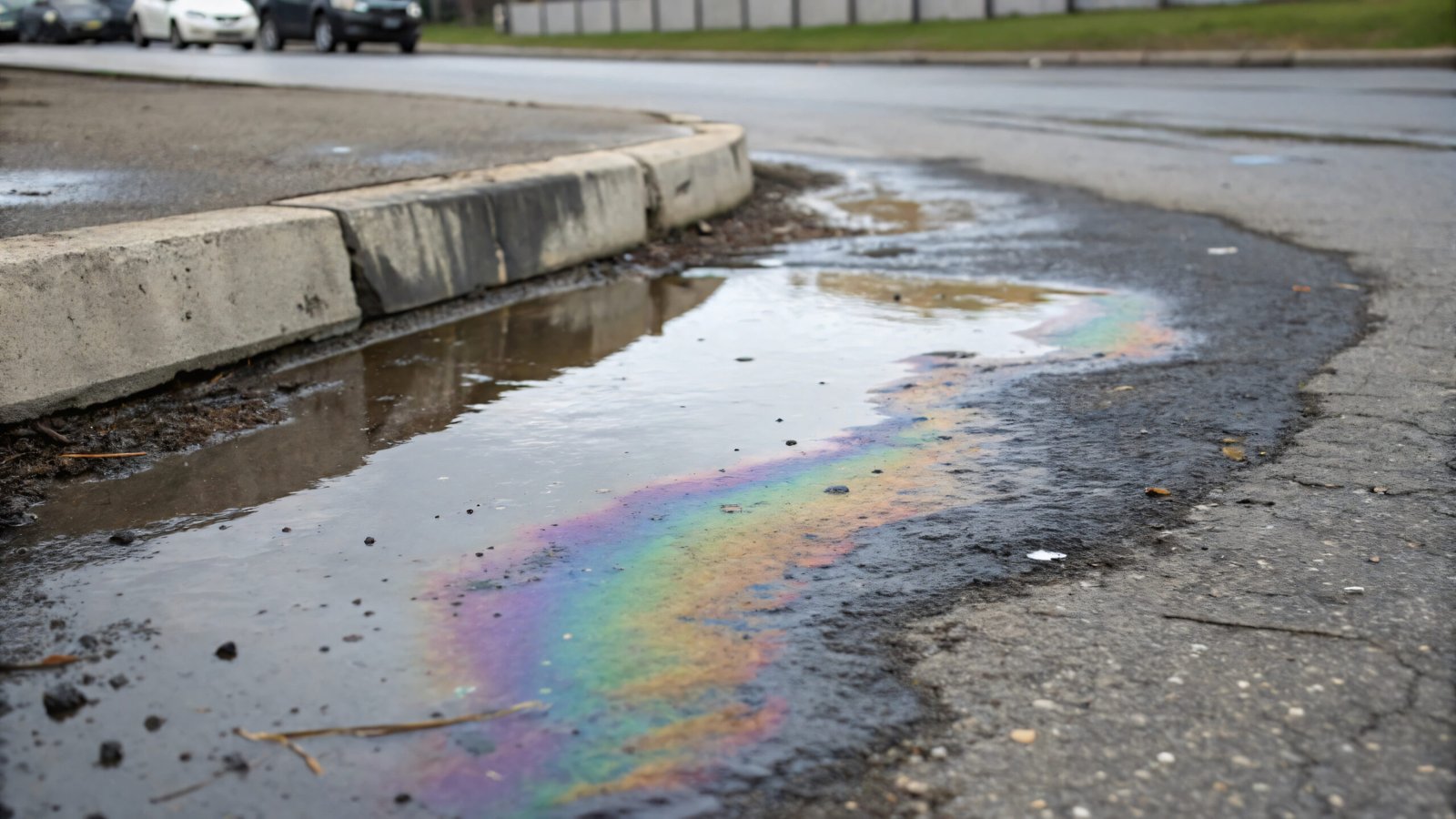
    In aquatic ecosystems, even a thin film of oil on the water’s surface can block sunlight from reaching underwater plants and reduce oxygen levels, killing off fish and disrupting aquatic food chains. When waste oil enters rivers, lakes, or groundwater, it degrades water quality and contaminates drinking water sources, leading to serious consequences for both human and animal populations. A single litre of used oil has the potential to pollute one million litres of freshwater—an alarming statistic given the already strained water resources in many parts of the world.

    Soil is not spared either. Oil dumped on land can bind to soil particles, reducing fertility and making the land unusable for agriculture. Contaminants from the oil infiltrate the soil layers, harming beneficial microorganisms and altering the natural chemistry of the ground. Over time, this leads to land degradation and erosion, rendering once-productive areas barren and toxic. The pollutants may also leach into nearby groundwater supplies, compounding the damage.

    • Oil slicks on water prevent sunlight penetration and block oxygen exchange, affecting aquatic life.
    • Contaminated soil loses its ability to support crops, threatening food security and livelihoods.
    • Toxic compounds in oil can bioaccumulate in organisms, leading to health problems higher up the food chain.

    The cumulative effect of these environmental consequences is not limited to natural systems. Local economies—especially those dependent on agriculture, fishing, or tourism—suffer as resources become polluted and unusable. Ecosystem services such as clean water, fertile soil, and healthy biodiversity, which are often taken for granted, begin to collapse under the strain. In the long run, the environmental fallout of improper oil disposal erodes not only ecological balance but also human resilience to climate change and environmental stressors. Recognizing these impacts is essential for driving change in oil waste management practices through measures like Extended Producer Responsibility.

    When used oil is dumped on land or into waterways, it doesn’t just vanish. It lingers, contaminating everything it touches. One litre of used oil can pollute up to one million litres of water. The toxic compounds present in waste oil—such as heavy metals, polycyclic aromatic hydrocarbons (PAHs), and other carcinogens—can poison aquatic life, damage soil fertility, and seep into drinking water sources.

    Soil and Water Contamination: A Silent Crisis

    When oil infiltrates soil, it disrupts microbial life and prevents water absorption, leading to reduced agricultural productivity. In aquatic environments, oil forms a thin film on water surfaces, blocking sunlight and oxygen exchange. This harms plankton and fish populations, disrupting food chains and ecosystems. Over time, this ecological damage has economic consequences for farming, fishing, and water purification.

    From Pollution to Policy: Why EPR Makes a Difference

    The sheer scale of environmental damage caused by improperly disposed oil has made it clear that reactive measures alone are not enough. A shift toward proactive policy and regulatory frameworks is necessary—and this is where Extended Producer Responsibility (EPR) becomes a game changer. EPR is a principle that places the responsibility for the end-of-life management of products squarely on producers, importers, and brand owners. In the context of oil, this means those who manufacture or place lubricant oil on the market are now accountable for ensuring its safe collection, handling, and recycling after use.

    India’s EPR regulations for used oil, issued under the Hazardous and Other Wastes (Management and Transboundary Movement) Rules, 2016 and refined further in subsequent guidelines by the Central Pollution Control Board (CPCB), aim to formalize and systematize oil waste management. Registered producers must fulfill annual collection targets and work with authorised recyclers who meet specific re-refining quality standards. This approach ensures traceability and minimizes the risk of oil being mismanaged or dumped by informal operators.

    EPR not only mitigates environmental and health risks but also drives a shift in how producers view product design and lifecycle planning. By making producers responsible beyond the point of sale, EPR encourages better formulations that are less toxic, more recyclable, and aligned with circular economy principles. It also stimulates investment in collection infrastructure, eco-friendly technologies, and capacity-building for authorised waste handlers.

    • Assigns clear legal and financial responsibility for oil waste to producers and importers.
    • Promotes traceable, accountable waste flows through registered channels and documentation.
    • Encourages the development of a structured recycling ecosystem, reducing reliance on crude oil.

    EPR policies represent a critical pivot from voluntary compliance to regulatory accountability. They not only address the symptoms—pollution and environmental degradation—but also the root cause: a linear, careless approach to consumption and waste. As implementation improves and more producers come into the fold, EPR has the potential to significantly reduce oil-related pollution, protect ecosystems, and support India’s broader climate and sustainability goals.

    To curb the environmental damage from used oil, India’s EPR framework mandates that producers and importers ensure safe collection, transportation, and re-refining of oil waste. This policy-based approach shifts the responsibility back to manufacturers and suppliers, incentivising cleaner product design and investment in recycling infrastructure.

    EPR in Action: Compliance and Accountability

    Under the EPR rules, producers must register with the Central Pollution Control Board (CPCB) and submit annual returns demonstrating responsible oil waste management. Recyclers must meet quality benchmarks for re-refined oil. These compliance measures reduce illegal dumping, promote traceability, and create a structured recycling economy that reduces reliance on crude oil imports.

    • EPR holds producers accountable for the full life cycle of oil products
    • It encourages re-refining instead of one-time use and disposal
    • Traceability ensures that oil waste is handled by authorised recyclers

    Economic and Public Health Dimensions of Oil Waste

    Improper disposal of used oil not only endangers the environment—it also creates substantial economic and public health challenges. When waste oil is dumped into soil, water, or open drains, the resulting pollution has long-term repercussions that go beyond ecological damage. These repercussions are often borne by communities and public institutions in the form of increased healthcare costs, lost livelihoods, and expensive remediation efforts.

    The economic toll begins with contamination of natural resources. When agricultural soil is degraded by oil seepage, crop yields suffer, leading to financial losses for farmers and food insecurity in surrounding regions. In coastal and inland communities dependent on fishing, oil-polluted waters destroy fish habitats and breeding grounds, directly impacting incomes. Tourism can also take a hit, as oil-contaminated beaches, rivers, or landscapes deter visitors, affecting local businesses.

    Public health is another critical concern. Used oil contains hazardous substances like lead, chromium, benzene, and dioxins—many of which are known carcinogens. Exposure to these substances, whether through contaminated water or air, can lead to respiratory illnesses, neurological disorders, skin problems, and long-term chronic diseases. Children and elderly populations are especially vulnerable. In urban areas, the practice of burning used oil as a cheap fuel alternative releases harmful particulates into the air, worsening air quality and contributing to respiratory problems such as asthma and bronchitis.

    • Healthcare systems face rising burdens from oil-related illnesses caused by water and air pollution.
    • Local economies suffer losses in agriculture, fishing, and tourism due to contamination of natural assets.
    • Municipal and state governments incur high costs in cleaning up oil spills and rehabilitating polluted land.

    These economic and health costs are often hidden from plain view, emerging slowly over time but accumulating significantly. Without proper policy enforcement and investment in infrastructure, these burdens continue to grow, shifting the responsibility from polluters to the public. EPR frameworks can help reverse this dynamic by mandating that oil producers and importers take financial and operational responsibility for managing oil waste. Through better waste recovery, safer recycling, and reduced environmental exposure, EPR can lower both public spending and health risks—making oil use not only cleaner, but also more economically and socially sustainable.

    Improper oil disposal isn’t just an environmental issue—it’s a public health risk and an economic burden. Used oil can leach into groundwater, exposing communities to toxins linked to respiratory illnesses and cancers. Cleanup costs for contaminated land and water are immense, often falling on taxpayers. EPR helps offset these risks by ensuring that producers invest in cleaner disposal systems from the outset.

    Hidden Costs: Healthcare, Cleanup, and Resource Loss

    Governments often spend crores annually to remediate oil-contaminated land and water. At the same time, when oil isn’t re-refined, we lose a resource that can be regenerated and reused. According to CPCB data, efficient re-refining can recover 70–80% of base oil, reducing dependence on virgin crude and lowering carbon emissions from extraction and refining.

    Towards a Sustainable Future: Building an Oil Circular Economy

    As the environmental and economic costs of linear oil consumption become increasingly evident, the concept of a circular economy is gaining traction. A circular economy for oil waste is built on the principle of keeping resources in use for as long as possible by recovering, reprocessing, and reintegrating them into the production cycle. Instead of treating used oil as a disposable byproduct, it becomes a valuable input for re-refining and reuse—reducing dependence on virgin crude and minimizing environmental impact.

    In practice, this means collecting used oil from industries, workshops, and transport fleets, then processing it through authorized re-refiners who can extract base oil that meets quality standards. The re-refined oil can then be used again in manufacturing, automotive, or industrial applications, closing the loop. Studies show that re-refining can recover up to 70–80% of the base oil content, with far lower energy and carbon intensity compared to producing oil from raw crude.

    India’s EPR framework plays a critical role in enabling this circular model. By mandating producer responsibility for end-of-life oil and setting targets for collection and recycling, the policy creates an incentive structure for building the necessary logistics, infrastructure, and quality control systems. This helps shift the market away from informal, unregulated recycling methods—which are often unsafe and polluting—toward formal systems that are traceable and sustainable.

    • Reduces the extraction and consumption of virgin crude oil, conserving finite natural resources.
    • Creates a closed-loop system where used oil is safely reprocessed and reused, minimizing waste.
    • Supports green job creation in the collection, transport, and re-refining sectors.

    However, achieving a fully functional oil circular economy requires more than policy—it demands coordination across stakeholders. Producers must partner with licensed recyclers, while local authorities and CPCB must ensure robust monitoring. Public awareness is also key; generators of used oil, including small garages and service stations, need training and incentives to participate in proper disposal channels. With the right ecosystem in place, India can transform its used oil challenge into a model of circular resource efficiency—setting a precedent for other waste streams to follow.

    India is making strides in regulating used oil, but stronger enforcement, better infrastructure, and public awareness are needed to close the loop. A circular model—where oil is recovered, reprocessed, and reused—is achievable with coordinated efforts among producers, recyclers, regulators, and consumers. EPR is the cornerstone of this transition, aligning environmental responsibility with industrial growth.

    Cleaning Up Our Act: The Time to Act Is Now

    The environmental and public health consequences of improperly disposed oil are no longer abstract or distant—they are here, and they are intensifying. With soil degradation, water contamination, and air pollution already impacting communities across India, the urgency to act has never been greater. Yet, this challenge also presents an opportunity to transform the way we manage oil waste and rethink responsibility across the product life cycle.

    India’s Extended Producer Responsibility (EPR) framework offers a pathway toward a more accountable, cleaner system. But for it to be truly effective, participation must expand, enforcement must tighten, and awareness must grow. Stakeholders across the value chain—including producers, recyclers, regulators, service centres, and end-users—must collaborate to ensure that used oil is tracked, collected, and reprocessed safely. Moreover, state pollution control boards must be empowered with the resources and tools to monitor compliance and penalize non-conformance.

    • Strengthening EPR enforcement and making compliance transparent and auditable.
    • Encouraging innovation in re-refining technologies to improve quality and efficiency.
    • Educating small-scale oil users about proper disposal practices and connecting them with authorised collectors.

    This is not just a regulatory issue—it is a societal one. Public health, environmental integrity, and long-term economic resilience are all at stake. The transition to a circular and sustainable oil economy is within reach, but only if we address the root causes of mismanagement now. Delaying action will only deepen the cost—environmentally, socially, and economically. On the other hand, early and decisive steps can yield dividends in the form of cleaner water, healthier communities, and more responsible industry practices.

    The time to clean up our act is now. By embracing EPR, promoting safe oil recycling, and engaging all sectors of society, India can lead the way in responsible oil waste management—turning a looming environmental hazard into an example of sustainable reform. It’s a challenge we can no longer afford to ignore, and a future we have the tools to build—today.

    Improper oil disposal is a slow-moving disaster with long-term repercussions for ecosystems, public health, and the economy. But with the right policies—like EPR—and a collective push from industries and regulators, we can transform oil waste from an environmental liability into a sustainable resource. It’s time to shift from reactive cleanup to proactive responsibility.

  • Greener Fields Ahead: Tackling Used Oil Waste in Modern Farming

    Greener Fields Ahead: Tackling Used Oil Waste in Modern Farming

    Why Sustainable Farming Must Include Oil Waste Management

    As the agriculture sector undergoes a green transformation, sustainability is no longer limited to organic inputs and soil health. A critical, often overlooked component of eco-conscious farming lies in how used oil from tractors, harvesters, and irrigation pumps is managed. These machines rely heavily on lubricants and hydraulic oils, which over time become contaminated with heavy metals, soot, and other toxic compounds. When this waste oil is improperly discarded—whether into soil, water channels, or open fields—it poses a serious threat to the very ecosystems agriculture depends on.

    The problem is particularly acute in rural farming communities, where oil waste disposal infrastructure is minimal and environmental regulations are poorly enforced. Farmers often have limited awareness of the environmental risks associated with used oil, and even fewer options for proper disposal or recycling. Without clear guidelines or accessible collection systems, many resort to practices that pollute the land and contaminate local water supplies.

    This is where Extended Producer Responsibility (EPR) comes into play. Originally developed for managing waste from electronics and plastics, EPR is now being recognized as a strategic solution for handling hazardous oil waste generated in agriculture. By placing the onus on oil manufacturers and distributors to ensure the collection, transportation, and recycling of used oil, EPR introduces accountability and closes the loop on oil use in farming operations.

    Aligning used oil management with sustainable agriculture goals serves multiple benefits. It safeguards soil fertility, prevents groundwater contamination, and ensures compliance with national waste management policies. Moreover, it promotes a circular economy model by encouraging oil re-refining and reuse, thereby reducing reliance on virgin petroleum products.

    • Used oil can degrade soil quality and reduce crop yields if not disposed of properly.
    • Leaked oil can contaminate irrigation sources and underground water supplies.
    • EPR policies help bridge the gap between rural usage and formal recycling channels.

    Incorporating oil waste management into sustainable farming practices is not just an environmental imperative—it’s a practical necessity for the long-term viability of agriculture. As India moves toward greener and more climate-resilient farming systems, used oil must be seen not as a byproduct to discard, but as a hazardous material to manage responsibly. With the right policies, infrastructure, and farmer awareness, EPR can serve as the bridge between agricultural productivity and environmental preservation.

    Modern agriculture is increasingly embracing sustainability, but a lesser-known environmental issue is gaining attention—used oil from farm machinery. Tractors, harvesters, and irrigation pumps generate significant volumes of waste oil, which, if not managed properly, can pollute soil and water. Extended Producer Responsibility (EPR) frameworks are now being adapted to address this gap, offering a systemic approach to reclaim and recycle used lubricants in agricultural settings.

    Understanding the Impact of Used Oil on Agricultural Ecosystems

    Used oil generated from agricultural machinery is far more than a messy inconvenience—it is a toxic substance that can have long-lasting, damaging effects on farming ecosystems. Composed of degraded lubricants and laced with heavy metals, polycyclic aromatic hydrocarbons (PAHs), and other hazardous additives, used oil is classified as hazardous waste under India’s Hazardous and Other Wastes (Management and Transboundary Movement) Rules, 2016. Yet, in rural areas, the true extent of its ecological harm is often underestimated or ignored due to limited awareness and a lack of proper disposal systems.

    When spilled onto soil or dumped into irrigation channels, used oil disrupts the natural biological processes that sustain crop productivity. The hydrocarbons in the oil alter soil composition, impair nutrient absorption, and kill beneficial soil microbes. Even small amounts can persist for years, making affected areas less fertile or entirely unsuitable for cultivation. Moreover, oil’s tendency to create hydrophobic soil conditions leads to reduced water infiltration, exacerbating water stress and reducing the effectiveness of irrigation.

    The threats don’t stop at soil degradation. Used oil can seep into groundwater aquifers and surface water bodies, contaminating drinking water sources and irrigation systems alike. Many farms in India rely on borewells or canals to supply water to their crops, meaning any contamination at the source can quickly ripple through the entire agricultural system. This can lead to bioaccumulation of toxic substances in crops, affecting both human health and marketability of produce.

    Aside from environmental concerns, there are also economic consequences. Contaminated land may require costly rehabilitation efforts or be removed from production altogether. Farmers face the dual burden of declining yields and rising costs, especially when contamination leads to regulatory penalties or loss of organic certification.

    • Soil contamination reduces fertility and hampers microbial activity essential for healthy crops.
    • Water pollution affects irrigation quality and can lead to toxic buildup in crops.
    • Long-term pollution can lead to land degradation, increasing costs and reducing farm incomes.

    Recognizing and addressing the ecological consequences of used oil is crucial for building resilient agricultural systems. As India moves toward climate-smart farming and sustainable rural development, integrating oil waste management into environmental planning can protect both the environment and rural livelihoods. The case for action is clear: the sustainability of farming depends not only on how crops are grown, but also on how farming byproducts—especially toxic ones—are responsibly handled.

    Used oil, when improperly disposed of, can have devastating effects on farmland. Even small quantities can contaminate large volumes of soil and groundwater. In the context of agriculture, this not only damages crop yields but also affects the safety of food and water sources. Integrating oil waste management into sustainable farming practices is, therefore, a critical yet often overlooked priority.

    What Happens When Oil Enters the Soil

    When used oil enters the soil, it initiates a chain reaction of ecological damage. Unlike organic materials, petroleum-based lubricants do not break down easily. Instead, they bind tightly to soil particles, particularly clay and organic matter, creating a hydrophobic layer that prevents water absorption and gas exchange. This disrupts the natural soil structure, leading to compaction and reduced permeability, which are both detrimental to plant growth.

    More critically, used oil is laden with heavy metals such as lead, cadmium, and chromium, as well as other toxic compounds formed during combustion. These substances are toxic to beneficial soil microorganisms, including nitrogen-fixing bacteria and decomposers that are essential for nutrient cycling. As microbial populations decline, so does the soil’s fertility and its ability to support healthy crops. In some cases, the toxicity may persist for years, making the land unfit for cultivation without costly remediation.

    Even small-scale contamination can have cascading effects. For example, an oil spill near a vegetable bed can stunt plant growth, reduce yields, and introduce health risks if contaminated crops enter the food chain. For farmers relying on organic certification or sustainable labels, even minor oil pollution incidents can result in significant losses, both environmentally and economically.

    Lubricating oil contains heavy metals and chemical additives that are highly toxic. When spilled or dumped, it binds to soil particles and disrupts microbial activity, which is essential for healthy plant growth. Over time, oil pollution reduces the fertility of agricultural land and impairs its ability to retain water, compounding the long-term impact on productivity.

    Threats to Groundwater and Irrigation

    Used oil can seep into groundwater, especially in rural areas where natural filtration is weak and borewell irrigation is common. This contaminates water sources used for both irrigation and drinking, leading to long-term health and environmental issues. Managing oil waste properly is, therefore, vital for water conservation efforts in farming regions.

    How EPR Can Be a Game-Changer for Rural Oil Waste Management

    Extended Producer Responsibility (EPR) offers a transformative approach to managing used oil in rural agricultural settings. Traditionally applied to sectors like plastics and electronics, EPR mandates producers to take accountability for the post-consumer phase of their products. When extended to lubricant oil, it means manufacturers and importers must ensure that the oil they introduce to the market is eventually collected, transported, and treated in an environmentally sound manner—even from remote and rural locations.

    In India’s vast agricultural heartlands, where farm machinery is essential but environmental safeguards are lacking, EPR can help bridge critical infrastructure gaps. By legally requiring oil companies to establish or finance collection systems in rural areas, EPR not only ensures responsible disposal but also builds local networks that can support broader sustainability goals. These systems could be implemented through local dealers, cooperatives, or third-party logistics providers, thereby embedding circularity into rural economies.

    Another advantage of EPR is its ability to create economic incentives for compliance. Oil producers who meet collection and recycling targets can benefit from regulatory credits or branding advantages. At the same time, farmers gain access to more reliable and safe disposal methods, which reduces environmental harm and improves compliance with agricultural certification standards. With proper implementation, EPR can shift oil waste management from an informal, ad-hoc process to a structured, legally compliant system.

    For EPR to truly succeed in rural contexts, it must be designed with the realities of the agricultural supply chain in mind. This includes decentralizing collection points, using mobile collection units, and training local service providers to act as intermediaries between farms and recyclers. Involving existing agricultural infrastructure—such as Krishi Vigyan Kendras, fertilizer depots, or tractor service centers—can dramatically lower costs and increase efficiency.

    • EPR assigns clear responsibility to oil producers for collecting and recycling used oil.
    • It incentivizes the development of rural oil waste collection networks.
    • Farmers benefit from safer, easier disposal options and reduced environmental risk.
    • It supports compliance with national waste management rules and sustainability goals.

    Ultimately, EPR presents a scalable, policy-driven solution to a widespread rural problem. By closing the loop on lubricant oil use, it helps safeguard soil and water resources while integrating rural communities into the circular economy. As India’s agricultural sector evolves, EPR could be a cornerstone in making that evolution truly sustainable.

    Extended Producer Responsibility policies, originally designed for urban industrial sectors, are now being reshaped to include rural and agricultural use-cases. By making oil producers accountable for the full life cycle of their products—including collection and safe disposal—EPR offers a framework that can bridge the gap between farms and recycling facilities.

    Creating Collection Infrastructure in Remote Areas

    One of the biggest hurdles in implementing oil waste management in rural areas is the lack of accessible collection infrastructure. Most farms are located far from urban centers and waste processing facilities, making it economically unviable for farmers to transport small quantities of used oil over long distances. Without designated collection points nearby, used oil is often either stored unsafely or discarded into the environment, creating serious risks to soil and water quality.

    EPR frameworks can directly address this challenge by incentivizing producers to set up localized collection networks. These could include drop-off points at existing rural infrastructure hubs—such as fertilizer stores, tractor service centers, or village-level cooperative societies. Mobile collection units are another innovative solution: equipped with sealed containers and basic tracking tools, they can travel through farming regions on scheduled routes, picking up used oil in small quantities. Pilot programs in Maharashtra and Punjab have demonstrated that when such infrastructure is available, compliance rates and environmental outcomes improve significantly. By making collection easier and more reliable, EPR can turn a logistical barrier into an opportunity for organized resource recovery and environmental protection.

    One of the biggest challenges is access—farms are often located far from oil recovery centers. EPR mandates can incentivize the development of decentralized collection hubs or mobile collection units. Some pilot programs in India have shown success using agricultural cooperatives and rural service centers to gather used oil efficiently and economically.

    Engaging Dealers and Equipment Servicing Units

    Tractor dealers and authorized service workshops are critical nodes in the oil usage chain. With EPR, these entities can be formally brought into the collection ecosystem, acting as designated drop-off points or logistics partners. This helps build a more cohesive and compliant oil waste management cycle at the grassroots level.

    • Improper oil disposal degrades soil and harms crop productivity
    • EPR can bring structured waste recovery to rural farming zones
    • Stakeholder collaboration is key to scalable solutions

    Realigning Farm Sustainability with Circular Economy Goals

    Modern agriculture is increasingly shaped by the principles of sustainability, but to truly align with circular economy goals, farming practices must go beyond inputs like organic fertilizers or water-efficient technologies. One overlooked area is the life cycle of materials used on the farm—especially lubricating oils. These oils, once spent, are often treated as disposable waste, despite being a resource that can be recovered and reused. By integrating oil recovery into the circular economy model, farms can reduce environmental harm and extract greater value from existing resources.

    Used oil, when properly collected and re-refined, can be turned back into base oil for lubricants or used as industrial fuel after treatment. This closed-loop approach conserves raw materials, reduces reliance on imported crude oil, and prevents hazardous waste from polluting the environment. Extending Producer Responsibility (EPR) programs to the agricultural sector makes this possible by establishing the legal and logistical framework needed to ensure oil is collected, processed, and reintroduced into the economy in a safe, traceable way.

    For farms, participating in such a system offers more than environmental benefits. It enhances their reputation as responsible stewards of the land, a quality increasingly demanded by both consumers and regulatory bodies. It also creates opportunities for rural entrepreneurs to engage in micro-enterprises around collection, transport, or even basic preprocessing of used oil, fostering local green jobs.

    Integrating circular economy practices into farming is not merely a theoretical exercise; it’s a practical solution to modern challenges. With climate resilience, input costs, and soil health all under pressure, recovering value from waste streams like used oil is a win-win for the environment and farm economics alike.

    • Re-refining used oil conserves natural resources and reduces pollution.
    • EPR links producers and rural users through structured recycling systems.
    • Circular practices increase compliance with sustainability certifications and market access.

    Realigning agriculture with circular economy goals is not just about policy—it’s about changing how value is perceived at the farm level. When waste is seen as a resource, and responsibility is shared across the supply chain, truly sustainable farming becomes achievable.

    Sustainable agriculture isn’t only about organic fertilizers or water-efficient irrigation—it’s about managing all inputs and outputs, including waste oil. EPR offers a practical path to close the loop by encouraging re-refining and recycling of oil used in agricultural machinery. This not only protects the environment but also reduces dependence on virgin petroleum resources.

    Farmers as Environmental Stewards

    Farmers have long been seen as custodians of the land, and this role is evolving in the face of modern environmental challenges. As awareness of sustainable practices grows, farmers are increasingly positioned as key players in the circular economy. Their choices—from how they use inputs to how they dispose of waste—can significantly impact environmental outcomes. By engaging in proper disposal and recycling of used oil from machinery, farmers contribute directly to soil and water conservation, public health, and resource efficiency.

    To empower farmers in this stewardship role, it’s essential to equip them with the right tools and knowledge. Training programs, government-led awareness campaigns, and partnerships with agricultural extension services can bridge the gap between policy and practice. When farmers understand the environmental risks of improper oil disposal and are given access to safe, affordable collection options through EPR systems, they are far more likely to participate. In this way, farmers are not passive recipients of regulation—they become active agents of sustainable change, reinforcing their traditional role as caretakers of the land with a modern, circular approach.

    Farmers are increasingly aware of their role in environmental protection. With proper incentives, training, and infrastructure, they can actively participate in used oil collection and ensure its safe disposal. Government-backed awareness campaigns and capacity-building initiatives can amplify this transition and make compliance easier.

    Economic Opportunities Through Compliance

    Through EPR, farmers and local entrepreneurs can explore micro-enterprises such as running oil collection points or partnering with recyclers. This creates new revenue streams while contributing to environmental goals, aligning sustainability with rural economic development.

    Harvesting a Cleaner Future: From Compliance to Commitment

    The journey toward sustainable agriculture is incomplete without responsible waste management, and used oil is one of the most overlooked pollutants in rural farming systems. As India strives to modernize its agricultural practices and align with global environmental goals, it’s clear that managing lubricant waste must move from an afterthought to a core component of farm operations. Transitioning from mere regulatory compliance to a genuine commitment to environmental protection is not only achievable—it’s necessary.

    Extended Producer Responsibility (EPR) provides a powerful framework to support this shift. By mandating that producers take back used oil and invest in collection and re-refining infrastructure, EPR reduces the burden on individual farmers and ensures a shared system of accountability. But for this framework to deliver on its promise, engagement from all stakeholders—producers, policymakers, farmers, and recyclers—is essential. Compliance may be the first step, but lasting change comes when all players commit to building an ecosystem that values resource recovery and environmental health.

    For farmers, this means more than just following disposal rules. It’s about recognizing the long-term benefits of protecting their land, water, and crops from contamination. For oil producers, it’s an opportunity to extend their sustainability strategies into underserved rural markets and support circular economy models that deliver both environmental and economic returns.

    • Compliance with EPR is a gateway to stronger rural sustainability practices.
    • A proactive approach to oil waste protects farm productivity and natural resources.
    • Cross-sector collaboration can scale up impact and drive circular change in agriculture.

    Looking ahead, the integration of oil waste management into sustainable farming is more than a technical challenge—it’s a cultural and institutional evolution. With the right policy support, education, and infrastructure, what begins as compliance can evolve into a deeply rooted commitment to protecting the environment. As India reimagines its agricultural future, making responsible oil use part of the farming mindset will ensure that productivity and environmental stewardship grow side by side.

    The path to sustainable agriculture must include responsible used oil management. By extending EPR to farming activities, India can reduce environmental risks, support rural livelihoods, and reinforce its broader climate goals. It’s time to empower farmers not just as food producers, but also as champions of environmental stewardship. Let’s ensure that every drop of oil used on the farm is accounted for—and reused—in a cleaner, circular future.

  • On the Frontlines of Oil Recovery: How Collection Agents Power the EPR Engine

    On the Frontlines of Oil Recovery: How Collection Agents Power the EPR Engine

    Behind the Scenes of Oil EPR: The Unsung Role of Collection Agents

    When we talk about Extended Producer Responsibility (EPR) for used oil in India, most discussions center on producers, recyclers, and policy frameworks. Yet, a crucial group of stakeholders often remains in the shadows — the collection agents. These individuals and organizations form the connective tissue of the oil waste management ecosystem. They ensure that used oil is collected safely, logged accurately, and transported efficiently to recycling or re-refining facilities. Without them, the entire EPR mechanism risks collapse due to logistical inefficiencies and compliance gaps.

    Collection agents operate at the grassroots level. They are the ones visiting vehicle service centers, industrial plants, generators, and storage facilities to physically collect the used oil. While producers are responsible for ensuring proper disposal, it is these agents who turn policy into practice. Their work involves not only transporting hazardous material safely but also tracking volumes, maintaining chain-of-custody records, and ensuring that all movement is properly documented under state and central pollution board norms.

    Unlike many other roles in the EPR chain, collection agents deal with high variability. They must adapt to diverse conditions — collecting oil from informal urban garages with little infrastructure or retrieving large volumes from remote industrial hubs. They are required to comply with legal obligations around labeling, transport licensing, and documentation under the Hazardous and Other Wastes (Management and Transboundary Movement) Rules, 2016. In effect, they shoulder a significant regulatory burden, often with minimal visibility or support.

    Their responsibilities are both operational and strategic. Collection agents are not just passive couriers; they are partners in sustainability. By bringing traceability and efficiency to oil recovery, they help close the loop between generation and re-refining. In doing so, they also enable producers to fulfill their mandated EPR targets. Their on-ground intelligence can even support enforcement agencies in identifying non-compliant entities and mapping high-risk zones where oil is being improperly dumped or burned.

    • Coordinate directly with bulk waste generators and informal sources
    • Ensure safe handling and transportation of hazardous used oil
    • Maintain digital and physical records for compliance with CPCB guidelines
    • Enable traceability throughout the recycling chain
    • Act as local watchdogs against illegal disposal practices

    As India scales up its EPR infrastructure for oil waste, the role of collection agents deserves far more recognition and support. From handling operational risks to upholding environmental compliance, they are vital to transforming EPR from paper policy into real-world impact. Empowering them with training, formal registration, and digital tools will be key to building a robust and transparent oil recovery ecosystem.

    As India ramps up its Extended Producer Responsibility (EPR) framework for used oil, much of the attention falls on producers and recyclers. Yet, there’s a critical link in this ecosystem that often goes unnoticed: collection agents. These on-the-ground facilitators are essential to closing the loop on oil waste, ensuring that used oil doesn’t slip through the cracks and pollute our environment. In this blog, we explore how collection agents serve as the logistical backbone of oil EPR, making large-scale recycling both feasible and efficient.

    Connecting the Dots: The Operational Backbone of Used Oil Recovery

    In India’s growing effort to manage used oil sustainably under the Extended Producer Responsibility (EPR) framework, collection agents serve as the operational backbone. Their role is not limited to physically retrieving used oil from generators; it extends to coordinating logistics, maintaining regulatory records, and ensuring seamless transfer of materials to authorized recyclers. Without them, the movement of hazardous oil waste would be erratic, untraceable, and potentially unsafe for both people and the environment.

    Used oil is generated across a variety of sectors, from small automotive repair shops to large-scale industries such as manufacturing, power plants, and heavy machinery operations. Navigating this fragmented landscape requires more than simple transportation. Collection agents must optimize routes, manage storage compatibility, and often schedule pickups based on the specific needs of different facilities. Their flexibility allows them to cater to both bulk generators and scattered sources in peri-urban or rural areas.

    A major responsibility of these agents is to ensure compliance with environmental norms. According to the Hazardous Waste Management Rules, any collection, storage, or transport of used oil must be documented with a manifest system. Collection agents must track volumes, update producer and recycler records, and report quantities through the CPCB’s EPR portal. They essentially close the loop between oil generation and re-refining, creating a transparent data trail that supports accountability and discourages illegal dumping or burning.

    Moreover, these agents act as conduits of information within the EPR chain. They relay ground-level insights about the quantity, quality, and condition of collected oil — data that can help recyclers plan processing strategies and inform producers about waste patterns. This flow of information adds value beyond mere transportation, helping all stakeholders make informed operational decisions.

    • Enable direct linkages between oil generators, producers, and recyclers
    • Ensure safe storage and handling of hazardous used oil during transport
    • Manage real-time documentation and updates through government EPR portals
    • Adapt to diverse waste volumes and collection frequencies
    • Facilitate data-sharing and traceability for all supply chain actors

    In effect, collection agents act as the connective tissue that holds the entire used oil recovery system together. Their ability to manage variability, ensure traceability, and comply with regulations makes them indispensable. As EPR matures in India, the operational efficiency of collection agents will determine how quickly and cleanly used oil is diverted from landfills and waterways toward re-refining and reuse.

    Collection agents act as intermediaries between oil producers, bulk consumers, and re-refiners. Their job goes beyond simply picking up waste — they enable traceability, ensure compliance with environmental standards, and facilitate the smooth flow of materials within the EPR system. Without their contribution, the tracking, transport, and proper disposal of used oil would face serious bottlenecks.

    Navigating Complex Supply Chains

    Used oil is not generated in a uniform or predictable manner. It comes from a wide spectrum of sources — small mechanic shops, fleet operators, manufacturing units, thermal power plants, and even residential generators. Each of these sources presents unique logistical challenges, making the supply chain for oil recovery incredibly complex. Collection agents must adapt to this diversity, managing varying volumes, container types, and pickup frequencies across multiple geographies.

    Urban areas often have higher oil volumes but require navigating dense traffic, restrictive collection windows, and limited access to service alleys or underground facilities. Rural and semi-urban zones, on the other hand, may produce lower volumes but are spread out over longer distances, making collection less efficient and more resource-intensive. Collection agents must plan routes, consolidate pickups, and sometimes coordinate with multiple stakeholders to ensure that the oil is safely retrieved and stored before being transported to re-refiners.

    Adding to the complexity are regulatory obligations around safe handling, transport, and reporting. Agents must maintain manifests, ensure spill-proof containers, and comply with rules around storage duration and vehicle labeling. The ability to navigate this intricate web of logistical and regulatory requirements is what makes collection agents indispensable in the oil EPR value chain. Their flexibility, problem-solving capabilities, and on-the-ground knowledge keep the supply chain moving — efficiently and in full compliance with environmental standards.

    Used oil is generated across diverse industries — from automotive garages to heavy manufacturing. Collection agents coordinate logistics across urban and rural zones, often dealing with varied volumes, storage conditions, and safety considerations. They help standardize practices and integrate small generators into formal recovery networks, creating a more inclusive system.

    Ensuring Regulatory Compliance and Documentation

    To meet CPCB and MoEFCC guidelines, every litre of used oil must be accounted for. Collection agents play a vital role in generating digital records, including tracking manifests and delivery receipts. This documentation supports audits and gives producers the data they need to meet their EPR targets while deterring illegal dumping or burning.

    Building Trust Across the Oil Recovery Ecosystem

    The success of any Extended Producer Responsibility (EPR) framework depends not only on compliance and logistics but also on the level of trust among stakeholders. In the case of used oil recovery, collection agents are more than transporters—they are ambassadors of the EPR ecosystem. By establishing consistent, transparent, and ethical practices, they help build confidence among oil generators, producers, recyclers, and regulators. Their conduct directly influences whether the system is viewed as credible and worth participating in.

    Many small and informal waste oil generators, such as independent garages or rural service stations, are unfamiliar with the intricacies of EPR regulations. For these businesses, the collection agent is often their first and only point of contact with the formal waste management chain. A reliable and professional agent can encourage these entities to participate in oil recovery rather than selling waste oil illegally or disposing of it improperly. This grassroots-level engagement fosters wider inclusion in the formal recycling network.

    At the other end of the chain, producers and re-refiners depend on collection agents for both consistency and compliance. Producers rely on the documentation provided by agents to meet their EPR targets and file returns on the CPCB’s EPR portal. Re-refiners, in turn, depend on the quality and traceability of the collected oil. If the chain breaks due to contaminated inputs, poor record-keeping, or mistrust, the entire recycling effort is undermined. Trust is the glue that holds this fragile system together.

    • Collection agents build long-term relationships with oil generators, encouraging regular and legal disposal.
    • They act as compliance enablers by managing documentation and ensuring traceability.
    • Their professionalism reassures producers and re-refiners about the reliability of the collection process.
    • Trustworthy agents help integrate the informal sector into formal EPR channels.
    • They provide feedback to policymakers and producers based on ground-level insights, improving transparency and system design.

    In an ecosystem where non-compliance is still a challenge, especially in smaller markets, the reputational capital built by collection agents can be transformative. Their role as trusted intermediaries not only improves oil recovery rates but also fosters a culture of environmental responsibility. As India moves toward stricter enforcement of oil EPR rules, empowering collection agents through certifications, training, and recognition can further solidify trust and expand participation across the value chain.

    Collection agents are often the only physical link between informal generators and formal EPR infrastructure. By establishing long-term relationships with garages, industrial sites, and re-refining units, they help build trust in the system. Their presence reassures small operators that waste will be handled safely, ethically, and in compliance with the law.

    Training and Certification for Credible Operations

    To maintain professionalism and environmental safety, many collection agents undergo training on hazardous waste handling and documentation. Certification by pollution control boards or third-party schemes adds credibility to their work, allowing them to operate across states and within regulated facilities.

    • They act as logistical coordinators and compliance facilitators
    • They bridge the informal and formal waste sectors
    • They promote safer and more reliable oil recovery practices

    Technology’s Role in Supporting Collection Efficiency

    As India’s Extended Producer Responsibility (EPR) framework for used oil becomes more structured, the role of technology in enhancing collection efficiency is growing rapidly. For collection agents who are navigating complex logistics, varying generator profiles, and stringent compliance requirements, digital tools offer a way to streamline operations, ensure accuracy, and meet regulatory expectations. From route optimization to digital manifest tracking, technology is becoming an essential enabler of reliable and transparent oil recovery.

    One of the major challenges collection agents face is managing pickup schedules across diverse and often fragmented sources. GPS-enabled logistics apps allow agents to plan routes more efficiently, minimize fuel costs, and reduce service delays. These tools also enable real-time communication between agents, generators, and recyclers, which is crucial for coordinating time-sensitive collections and managing high-volume demand surges. With geo-tagging and time stamps, each transaction can be verified, making operations more accountable and auditable.

    Another key area where technology adds value is compliance. The Central Pollution Control Board (CPCB) requires proper documentation for every stage of oil movement, from pickup to delivery. Mobile apps and web-based platforms now allow agents to generate digital manifests, upload e-documents, and report quantities directly to the EPR portal. These records not only reduce paperwork and human error but also serve as verifiable proof of collection for producers aiming to fulfill their EPR obligations.

    Beyond logistics and compliance, tech solutions also help collection agents manage inventory, monitor container conditions, and forecast demand. Sensors in used oil storage tanks can alert agents when levels reach a threshold, prompting timely collection and reducing the risk of overflow or leakage. These systems provide data analytics that can help agents optimize their operations and offer better services to clients.

    • GPS and route planning tools enhance coverage efficiency and reduce travel time.
    • Digital manifests and reporting apps streamline compliance with CPCB regulations.
    • Real-time communication platforms support faster response and service coordination.
    • IoT-enabled sensors help monitor oil levels and prevent environmental hazards.
    • Cloud-based dashboards assist in data aggregation and performance analysis.

    By integrating technology into daily operations, collection agents can move from reactive service providers to proactive partners in India’s circular economy. These tools not only improve performance and accountability but also help build trust with clients and regulators. As digital infrastructure in the waste management sector continues to evolve, early adoption by collection agents will be key to staying ahead of regulatory requirements and market expectations.

    Digital tools are increasingly helping collection agents manage pickups, document transactions, and report to central portals like those maintained by CPCB. With real-time tracking and digital manifests, the process becomes more transparent, auditable, and scalable — a win-win for both environmental authorities and producers.

    Emerging Platforms for EPR Data Integration

    Apps and cloud-based systems are being used to log each collection instance, map service areas, and auto-generate EPR compliance reports. These technologies enable small collection agents to punch above their weight by standardizing their practices and making their services accessible to more producers.

    Charting the Road Ahead: Empowering Collection Agents for the Long Run

    As India’s used oil EPR framework continues to evolve, the long-term success of the system will hinge on the capabilities and sustainability of its most critical ground-level participants: collection agents. These professionals are central to ensuring that the collection, transport, and documentation of used oil are handled efficiently and in accordance with environmental standards. However, for them to continue playing this role effectively, they need structural support, long-term incentives, and a clear path to professional development.

    Currently, many collection agents operate in a fragmented, highly variable landscape. Some are part of formal networks with access to technology and training, while others work independently with little oversight or institutional support. Standardizing practices across this sector is essential. Providing formal certification, promoting access to low-cost financing for compliant vehicles and equipment, and integrating agents into digital EPR systems will help professionalize the sector and ensure its future viability.

    Capacity building should be a national priority. Government bodies, producers, and recycling associations can collaborate to design training programs that cover not only the legal and technical aspects of oil collection but also safety, digital tools, and customer engagement. Equipping collection agents with up-to-date knowledge and practical skills will enable them to contribute more meaningfully to the EPR chain while reducing operational and environmental risks.

    Moreover, financial incentives and recognition programs can motivate agents to maintain high standards of service and compliance. Structured pricing models that ensure fair compensation, along with performance-based rewards or government-backed schemes, can improve retention and reduce the temptation to engage in informal or non-compliant practices. Agents who feel valued and supported are more likely to build long-term partnerships with oil generators and recyclers, strengthening the EPR infrastructure as a whole.

    • Launch government-approved certification programs to standardize training and quality.
    • Provide access to affordable loans or subsidies for compliant collection equipment.
    • Integrate all agents into digital EPR reporting platforms for better traceability.
    • Offer performance-based incentives and recognition to boost motivation and trust.
    • Create regional networks or cooperatives to enable knowledge-sharing and resource pooling.

    Empowering collection agents is not just about improving operations — it’s about ensuring that India’s oil EPR system becomes truly circular, inclusive, and sustainable. By investing in the long-term growth of these frontline actors, stakeholders can create a resilient ecosystem where environmental compliance and economic opportunity go hand in hand. The road ahead is clear: to build a cleaner future, we must support those who collect its foundations.

    As EPR for oil matures, collection agents will play an even more strategic role. Supporting them with training, digital tools, and fair pricing mechanisms will be essential. The road to a circular oil economy doesn’t just pass through high-tech refineries — it begins with a well-trained, well-equipped agent at the collection site, turning a waste problem into a resource solution. It’s time to bring them into the spotlight and empower them for the long term.

  • Saving Our Seas: How Oil Waste Responsibility Can Prevent Marine Pollution

    Saving Our Seas: How Oil Waste Responsibility Can Prevent Marine Pollution

    Why Oil Waste Must Not Reach the Ocean

    Our oceans cover more than 70% of the Earth’s surface and are home to an astonishing variety of life. Yet they face growing threats from pollution, including a less visible but deeply damaging source: oil waste. From coastal refineries and shipping routes to land-based runoffs and auto repair workshops, oil pollutants can enter marine environments through both accidental and deliberate discharges. When not managed properly, this waste becomes a toxic invader that alters marine ecosystems in ways that are difficult to reverse.

    Used oil, including lubricants and hydraulic fluids, contains a cocktail of contaminants such as heavy metals, polycyclic aromatic hydrocarbons (PAHs), and other persistent organic pollutants. When discharged into the environment, even in minute amounts, these substances create long-lasting slicks that float on the surface of the water and spread rapidly with currents. One litre of used oil can contaminate up to one million litres of seawater, severely degrading water quality and making entire ecosystems uninhabitable for marine species.

    Oil pollution has a cascading effect on marine biodiversity. It affects the mobility and insulation of marine mammals, poisons fish and shellfish, disrupts reproductive cycles, and damages coral reefs. Coastal habitats like mangroves and salt marshes, which act as nurseries for marine life and natural filters for pollutants, are particularly sensitive to oil contamination. The result is not just ecological damage, but also economic loss to communities dependent on fishing, aquaculture, and tourism.

    Despite the known dangers, a significant portion of oil pollution in the ocean originates from non-tanker sources. These include runoff from roads and industrial zones, illegal dumping, leaky storage facilities, and poorly regulated maritime operations. Many of these sources can be managed through better collection systems and stronger accountability mechanisms—particularly Extended Producer Responsibility (EPR), which holds oil producers responsible for the lifecycle impact of their products.

    • Oil waste introduces toxic substances like PAHs and heavy metals into marine ecosystems.
    • One litre of used oil can contaminate up to a million litres of seawater.
    • Non-point sources like industrial runoff and vehicle service stations contribute significantly to marine oil pollution.
    • Marine life, including fish, birds, and mammals, suffer long-term physiological harm from even low concentrations of oil.
    • Communities reliant on coastal resources face health, livelihood, and food security risks due to oil-contaminated waters.

    To protect our oceans, it is essential to prevent oil waste from entering the marine environment in the first place. This requires a robust system of collection, treatment, and regulatory enforcement—ideally under a national EPR framework that integrates oil producers, waste handlers, port authorities, and coastal municipalities. By addressing the problem at its source, we can begin to reverse decades of damage and restore balance to marine ecosystems.

    Oil pollution is one of the most persistent threats to our oceans, harming marine ecosystems, fisheries, and coastal communities. While high-profile oil spills get the headlines, everyday improper disposal of used oil from industries, ships, and land-based sources contributes significantly to the problem. That’s where Extended Producer Responsibility (EPR) for oil waste comes in—a tool that, if implemented effectively, can reduce marine pollution and promote more responsible environmental practices across the board.

    Understanding the Marine Impact of Improper Oil Disposal

    Improper disposal of oil waste has wide-reaching and often underestimated effects on marine environments. Unlike solid waste, which is more visible and easier to collect, oil waste is fluid, mobile, and capable of contaminating vast stretches of coastline and open sea. Its spread is difficult to control once released, and its impacts linger for years, even decades. The moment oil enters the water—whether through industrial runoff, bilge discharge, or leakage from waste storage—it sets off a chain reaction of ecological consequences.

    Oil waste floats initially, forming a thin film or slick on the surface of the water that impedes light penetration and gas exchange. This affects the photosynthetic activity of phytoplankton, which serve as the base of the oceanic food chain. Reduced oxygen levels and limited sunlight can significantly alter the productivity and balance of marine ecosystems. Over time, heavier fractions of oil settle into sediments, where they persist and affect benthic organisms like crabs, mollusks, and bottom-feeding fish.

    The toxicity of used oil stems from both its chemical composition and the contaminants it accumulates during use. These include metals like lead, arsenic, cadmium, and zinc, as well as cancer-causing hydrocarbons. When marine organisms ingest these toxins—directly or through their food chain—it leads to bioaccumulation and biomagnification, amplifying health risks at each trophic level. This can cause reduced fertility, deformities, immune system suppression, and premature death in marine fauna.

    The ripple effects extend to human populations. Coastal communities that rely on seafood may face increased exposure to toxic substances, while economic losses mount due to fishery collapses and beach contamination. Additionally, tourism sectors suffer as oil residues make shorelines unsightly and hazardous. The combination of environmental, economic, and public health damage underscores the urgency of implementing strict control measures on oil waste disposal.

    • Oil slicks block sunlight, disrupting photosynthesis and oxygen production.
    • Toxic compounds in used oil accumulate in marine life, affecting reproduction and survival.
    • Oil waste settles in sediment, causing long-term damage to bottom-dwelling species.
    • Human communities face increased health risks from contaminated seafood.
    • Improper disposal contributes to habitat loss and declining biodiversity.

    Recognizing the marine impact of improper oil disposal is the first step toward preventive action. With oceans already under stress from climate change and plastic pollution, adding oil contamination to the mix only accelerates ecosystem degradation. A stronger focus on regulated collection, treatment, and producer accountability—such as through Extended Producer Responsibility (EPR)—is critical to reducing the flow of oil pollutants into our waters and preserving marine biodiversity for the future.

    Oil waste that ends up in rivers and drainage systems often finds its way into the ocean, where even small amounts can have devastating consequences. Just one litre of used oil can contaminate up to one million litres of seawater. It forms surface slicks that block sunlight, smother coral reefs, and disrupt oxygen exchange, affecting marine life from plankton to whales. The need for systematic oil waste management—especially through EPR frameworks—is urgent if we are to protect these fragile ecosystems.

    Invisible Sources, Visible Damage

    While tanker spills are dramatic, the cumulative impact of dispersed oil waste from ports, offshore platforms, and stormwater runoff is often worse. A 2021 UNEP report noted that land-based sources account for up to 80% of marine pollution, including oil residues from industrial activity and vehicle servicing. Without structured collection and reprocessing, this oil waste quietly enters marine systems, making regulatory enforcement and producer accountability all the more critical.

    How EPR Can Drive Cleaner Practices Across the Oil Lifecycle

    Extended Producer Responsibility (EPR) offers a transformative way to manage oil waste and reduce the environmental risks associated with its entire lifecycle. Unlike traditional waste disposal models that focus only on the end-of-life stage, EPR encourages producers to take responsibility from the moment their oil-based products are designed to the point they are collected, treated, or reused. This model not only supports regulatory compliance but also incentivizes innovation and environmental stewardship.

    In the context of oil products such as engine lubricants, transmission fluids, or hydraulic oils, EPR can be a powerful tool for change. Under an EPR framework, producers are legally obliged to organize, finance, or facilitate the collection and environmentally sound disposal or re-refining of used oil. This ensures that oil does not end up being dumped in drains, open land, or waterways—practices that are common in regions lacking proper infrastructure or oversight.

    By shifting responsibility to the producers, EPR systems encourage the adoption of cleaner production techniques. Manufacturers are more likely to use formulations that are less toxic and more recyclable, and they may explore packaging innovations that aid in the recovery and safe return of used oil. These changes help build a circular economy where oil products are seen not as single-use commodities, but as resources that can be recovered and reused responsibly.

    Successful implementation of oil EPR programs also depends on collaboration among multiple stakeholders. Waste management companies, local governments, port authorities, and retailers must be brought into the fold. In some cases, producers partner with third-party organizations known as Producer Responsibility Organizations (PROs) to fulfill their obligations, ensuring that logistics, compliance tracking, and reporting are handled efficiently and transparently.

    • Encourages producers to develop cleaner, less hazardous oil formulations.
    • Supports infrastructure for safe oil collection and recycling.
    • Promotes transparency and accountability across the supply chain.
    • Reduces illegal dumping and improves traceability of oil waste.
    • Aligns environmental goals with producer responsibility and innovation.

    As countries like India expand their EPR mandates under CPCB guidelines, oil producers will need to adapt to a new reality—one in which they are not only sellers but also environmental stewards. When applied properly, EPR has the potential to drastically reduce marine pollution, conserve resources, and drive sustainable industry practices across the oil lifecycle.

    Extended Producer Responsibility is a policy approach that mandates producers to take responsibility for the post-use management of the products they put into the market. In the case of oil, this includes lubricants, hydraulic fluids, and other petroleum-based products. By placing legal and financial responsibility on producers, EPR frameworks encourage upstream design changes, support oil recovery systems, and reduce the environmental burden downstream—especially in marine zones.

    Designing Out Ocean Risk at the Source

    Reducing the risk of oil pollution in marine environments begins long before the oil is used—it starts with how oil products are designed. Extended Producer Responsibility (EPR) encourages manufacturers to consider the environmental impact of their products at the design stage, which includes selecting raw materials, packaging, and end-of-life recovery options. This shift in mindset promotes preventive strategies rather than reactive ones, minimizing the chances of oil waste entering aquatic ecosystems in the first place.

    One of the most effective ways to ‘design out’ ocean risk is through improved packaging and labeling. Producers can incorporate features such as leak-proof, tamper-resistant containers and clear disposal instructions that make it easier for users to return used oil. Additionally, integrating QR codes or digital tracking on oil containers can enhance traceability, helping ensure that oil waste doesn’t go unaccounted for. On the formulation side, investing in biodegradable base oils or low-toxicity additives can significantly reduce environmental harm if accidental spills do occur.

    Design innovations aligned with EPR goals not only reduce the risk of marine contamination but also contribute to a more circular and sustainable economy. By prioritizing safety, recoverability, and environmental performance from the outset, producers can play a proactive role in safeguarding marine ecosystems from oil pollution.

    Producers are now being encouraged to develop oil products that are easier to collect and re-refine. For example, oil packaging with built-in return mechanisms or labeling that supports responsible disposal can improve user behavior. Moreover, EPR schemes are funding research into biodegradable or less harmful formulations, reducing long-term toxicity if accidental discharge occurs.

    Funding Collection and Safe Disposal Infrastructure

    EPR frameworks can also channel resources toward creating widespread collection centers and refining infrastructure near coastal and port regions. This ensures that fishing harbors, marine service yards, and tourism hotspots have access to oil waste recovery options, limiting illegal dumping and accidental leaks. In India, CPCB’s draft guidelines for used oil EPR outline traceability mechanisms that could serve as a model for ocean-focused interventions.

    • Encourages innovation in cleaner oil products
    • Finances safe collection near vulnerable marine zones
    • Promotes traceability to prevent illegal disposal

    Global Lessons and the Way Forward for India

    Around the world, Extended Producer Responsibility (EPR) schemes for oil waste have demonstrated that strong regulatory frameworks, backed by industry cooperation, can make a measurable difference in reducing environmental pollution. Countries like Canada, Germany, and Australia have implemented structured EPR systems for used lubricating oil, leading to high recovery and recycling rates. These international experiences offer valuable insights for India, which is now expanding its own EPR guidelines under the Central Pollution Control Board (CPCB).

    In Canada, the National Used Oil Management Association (NUOMA) has successfully coordinated oil collection and re-refining efforts through a decentralized yet harmonized EPR system. Producers fund the program through eco-fees embedded in product pricing, ensuring that the cost of recovery is shared and sustainable. Similarly, Germany mandates that oil retailers accept used oil returns equal to the quantity sold, effectively building a closed-loop system that prevents leakage into the environment. These approaches show that with the right incentives and infrastructure, even small-scale oil waste from dispersed sources can be efficiently managed.

    For India, the challenge is twofold: building a nationwide oil waste collection infrastructure and enforcing accountability across a fragmented supply chain. With a growing population, expanding automotive sector, and vast coastline, India faces a unique mix of logistical and environmental vulnerabilities. However, this also presents an opportunity to design a tailored EPR model that integrates local needs, informal sector participation, and digital compliance tools.

    CPCB’s draft EPR framework for used oil already introduces provisions for producer registration, waste tracking, and digital reporting. To strengthen this further, India can adopt global best practices while promoting community-level awareness and industry incentives. Public-private partnerships (PPPs), decentralized collection centers, and robust verification mechanisms can help scale up efforts and curb marine-bound oil pollution effectively.

    • Leverage international models like Canada’s eco-fee system to fund oil recovery.
    • Incentivize collection and return through retailer take-back obligations.
    • Use digital platforms for real-time tracking and waste traceability.
    • Build regional infrastructure in coastal and industrial zones.
    • Engage the informal sector and local governments for last-mile coverage.

    India’s path forward lies in embracing an adaptive and inclusive approach to oil EPR—one that goes beyond compliance to foster long-term environmental responsibility. By learning from global leaders and scaling solutions locally, India can position itself at the forefront of marine pollution prevention while building a circular economy for oil products.

    Countries like Canada and Germany have already implemented EPR systems for lubricating oils, with demonstrable reductions in illegal dumping and improved oil recovery rates. India, with its extensive coastline and growing industrial base, stands to benefit immensely by adapting such global best practices to its local context. Integrating EPR with coastal zone management and blue economy strategies can ensure that ocean protection becomes a shared priority across ministries and sectors.

    Strengthening Compliance and Monitoring

    For EPR to be truly effective in protecting marine ecosystems, robust compliance mechanisms are essential. Digital tracking, waste audits, and regular reporting can help authorities monitor how much oil is being collected, re-refined, or lost. Satellite surveillance and AI-driven tools could also support enforcement, especially in maritime and port environments where violations are harder to detect.

    Oceans at a Crossroads: The Role of Responsibility in Marine Health

    Our oceans are approaching a critical juncture. Pressures from climate change, overfishing, plastic debris, and chemical runoffs have already strained marine ecosystems—and now, oil pollution is emerging as a significant but often under-acknowledged contributor to their decline. The ocean’s health is directly linked to the choices we make on land, especially when it comes to how we manage hazardous substances like used oil. If not addressed through coordinated and responsible action, the long-term consequences could be irreversible.

    Extended Producer Responsibility (EPR) offers a practical, forward-looking solution to this complex challenge. By assigning oil producers and distributors the duty to ensure proper waste management, EPR shifts the system from reactive cleanup to proactive prevention. This change in responsibility promotes systemic improvements across the oil value chain—from better product design to the establishment of collection and re-refining infrastructure—all of which directly benefit marine environments.

    But policy alone is not enough. The success of EPR depends on widespread stakeholder engagement, including government bodies, industries, waste processors, coastal communities, and consumers. Public awareness campaigns and transparent reporting can help build trust and drive participation, while enforcement measures ensure that those avoiding responsibility are held accountable. Protecting ocean health must be seen as a shared duty, not just a regulatory checkbox.

    By embracing EPR as a central strategy for managing oil waste, India—and the world—can take a meaningful step toward restoring marine ecosystems and securing ocean sustainability. Cleaner seas are not just an environmental goal; they are essential to food security, climate resilience, and economic well-being for millions who depend on the oceans for their livelihoods.

    • The ocean’s health is deeply connected to responsible land-based waste practices.
    • EPR encourages upstream accountability, reducing the chances of oil reaching marine ecosystems.
    • Collective action—across sectors and borders—is key to building resilient and pollution-free oceans.

    As we stand at this crossroads, the choices we make today will determine the fate of our oceans tomorrow. It’s time to view oil waste not as an unavoidable by-product, but as a manageable resource within a circular system. Through responsible policies like EPR, combined with public participation and industry innovation, we can chart a new course—one where the oceans are protected, not polluted.

    As climate change accelerates and marine ecosystems become more vulnerable, every action counts. Implementing oil EPR not only makes environmental sense—it’s a necessary strategy to preserve our oceans for future generations. Policymakers, producers, and consumers all have a role to play in closing the loop on oil waste. If done right, EPR could be one of our strongest allies in keeping the seas clean, the coastlines resilient, and marine life thriving.

  • Greasing the Wheels of Sustainability: Why Cooking Oil Waste Needs EPR Attention

    Greasing the Wheels of Sustainability: Why Cooking Oil Waste Needs EPR Attention

    Unpacking the Overlooked Role of Used Cooking Oil in Waste Management

    Used cooking oil (UCO) may not seem like a major environmental concern at first glance. However, the reality is quite different. As urbanization and food consumption grow rapidly, so does the volume of cooking oil that ends up as waste. Restaurants, food processing units, commercial kitchens, and even households generate vast amounts of UCO every day. When not disposed of properly, this oil can cause extensive damage to infrastructure, the environment, and even human health.

    In many cases, used oil is dumped into drains or open land, where it clogs sewage systems and pollutes waterways. The thick, greasy residue solidifies in pipes, leading to costly maintenance and blockages in municipal infrastructure. More critically, once UCO enters the environment, it creates oxygen-depleting layers over water bodies, disrupting aquatic ecosystems. It’s also a significant contributor to urban flooding, especially in densely populated areas with ageing drainage systems.

    Another less visible but equally alarming issue is the illegal recycling and resale of used cooking oil. In the absence of strict monitoring, UCO often finds its way back into the food chain through informal markets, especially among street vendors and small eateries. Reusing degraded oil not only compromises food safety but can also lead to the production of toxic compounds, increasing the risk of diseases such as hypertension, atherosclerosis, and cancer.

    Despite these risks, the topic of UCO rarely receives the attention it deserves in the broader discussions around waste management. Most policy efforts have focused on solid and plastic waste, while liquid waste streams like cooking oil have remained largely unregulated. This oversight limits the development of infrastructure and systems needed to handle oil waste responsibly, resulting in lost opportunities for environmental protection and economic recovery through reuse.

    • Improper UCO disposal blocks sewage systems and causes urban flooding
    • Pollution from used oil affects soil and water quality
    • Health risks arise when degraded oil re-enters the food chain
    • Lack of regulation enables black-market resale of contaminated oil
    • Current waste policies rarely include cooking oil in formal frameworks

    Recognizing the role of UCO in the waste ecosystem is the first step toward building sustainable solutions. With the right policies, awareness, and collection mechanisms, this waste stream can be transformed from an environmental hazard into a valuable input for renewable energy and industrial applications. The Extended Producer Responsibility (EPR) framework presents a promising pathway to drive this shift—but only if cooking oil is acknowledged as a priority waste category.

    When we think of environmental waste streams, cooking oil rarely tops the list. Yet used cooking oil (UCO) poses serious environmental and public health risks if not managed properly. In the growing dialogue around Extended Producer Responsibility (EPR), this vital stream has flown under the radar. But change is brewing—and it’s time to give cooking oil waste the policy and public attention it deserves.

    Understanding the Environmental Cost of Discarded Cooking Oil

    Used cooking oil, when not managed correctly, becomes a serious environmental contaminant. Although it may seem harmless compared to hazardous industrial waste, discarded oil poses multiple ecological threats. Whether it’s poured down kitchen drains, dumped on soil, or discarded into local water bodies, the consequences of such actions are far-reaching and persistent.

    When UCO enters water systems, it forms a thick film on the surface, preventing oxygen exchange between the water and the atmosphere. This oxygen depletion leads to the death of aquatic life, disrupts the food chain, and affects biodiversity in rivers, lakes, and coastal zones. Moreover, the accumulation of oil in the water can damage wetlands, hinder plant growth, and render water bodies unsuitable for human and animal consumption.

    On land, improperly disposed oil alters the soil’s structure and composition. It reduces permeability, disrupts microbial life, and hinders plant growth. This not only affects agriculture and greenery in urban environments but also contributes to land degradation. The residual oil can persist in soil for long periods, seeping into groundwater and contaminating drinking water sources.

    Another major concern is the impact of UCO on urban infrastructure. When poured into sinks and drains, oil coagulates and solidifies, especially when mixed with other waste materials like soap, food debris, and sanitary products. This leads to blockages in sewage systems, increased maintenance costs, and, in many cases, severe urban flooding during monsoons due to restricted drainage flow.

    Beyond these direct impacts, the environmental footprint of cooking oil waste is amplified by the missed opportunity for circular use. UCO can be repurposed into biodiesel—a cleaner-burning alternative to fossil fuels—thus contributing to the reduction of greenhouse gas emissions. Failing to capture this resource not only adds to pollution but also undermines efforts toward sustainable energy and resource recovery.

    • Used oil in water bodies disrupts oxygen exchange and aquatic ecosystems
    • Soil contamination reduces fertility and harms microbial life
    • Clogged drains and sewers increase the risk of urban flooding
    • Oil pollution can affect drinking water quality and sanitation
    • Failure to recycle UCO misses an opportunity to produce biodiesel

    Recognizing these environmental costs is critical to framing UCO as more than just kitchen waste. It’s a liquid pollutant with broad ecological implications. By integrating cooking oil waste into national waste management and EPR policies, India can prevent long-term damage to its ecosystems while promoting resource recovery and urban resilience.

    Used cooking oil, when dumped improperly—whether down drains or into open land—can severely damage ecosystems. It clogs drainage systems, contaminates water bodies, and contributes to soil degradation. In urban settings, this waste can even encourage illegal fuel blending or be rerouted into unregulated food channels, posing risks to public health.

    The Unseen Impact on Municipal Infrastructure

    One of the most overlooked consequences of used cooking oil disposal is its toll on municipal infrastructure. When oil is poured down kitchen sinks or drains, especially in large volumes from restaurants and commercial kitchens, it cools and solidifies within the plumbing system. Over time, this creates stubborn blockages that are difficult and expensive to remove.

    These blockages don’t just affect individual households—they accumulate in sewer lines, leading to what urban sanitation departments often refer to as ‘fatbergs’—massive congealed masses of oil, grease, and debris that obstruct wastewater flow. The result is an increased risk of sewer overflows, especially during heavy rainfall, and greater wear and tear on municipal pumping stations and treatment plants.

    The financial implications are equally significant. Cities are forced to allocate substantial resources to unclog sewers, repair broken pipelines, and maintain drainage networks that are constantly under stress. For municipalities operating on limited budgets, these recurring issues divert funds from other essential public services. Moreover, the frequency of these problems is rising with urban densification and the proliferation of small food businesses that often lack formal disposal mechanisms.

    Addressing the impact of used cooking oil on infrastructure requires not only public awareness but also regulatory frameworks that enforce proper collection and disposal practices. EPR, if applied to UCO, could mandate producers and large-scale users to invest in clean disposal systems and support municipal waste resilience.

    In many cities, large volumes of used oil find their way into drainage systems, causing major blockages and increasing maintenance costs. This adds stress to municipal budgets and accelerates urban decay. According to a study by the Central Pollution Control Board (CPCB), over 60% of India’s used cooking oil is not captured through formal channels.

    The Public Health Dimension

    Used cooking oil that’s improperly stored or resold can re-enter the food chain—often through street vendors—posing serious health hazards such as carcinogenic compound formation and increased LDL cholesterol levels. In 2018, the FSSAI introduced a cap on Total Polar Compounds (TPC) in reused oils, but enforcement remains inconsistent.

    How EPR Can Offer a Scalable Solution for Cooking Oil Waste

    Extended Producer Responsibility (EPR) has already proven effective in managing complex waste streams such as plastics, electronics, and batteries. Applying this model to used cooking oil (UCO) could provide a long-term, scalable solution to a problem that currently lacks consistent oversight. EPR shifts the burden of post-consumer waste management from municipalities to the producers and bulk users of cooking oil, incentivizing responsible disposal and structured recovery systems.

    Under an EPR framework for UCO, producers, distributors, and large-scale consumers such as restaurants and food processing units would be required to collect and channel their oil waste to authorized recyclers. These entities could be mandated to report disposal data, set recovery targets, and ensure traceability through digital compliance platforms. Such systems not only promote transparency but also create accountability, closing the loop in oil waste management.

    India has already seen early efforts to promote UCO collection through the Food Safety and Standards Authority of India’s (FSSAI) RUCO initiative. While RUCO encourages the conversion of UCO into biodiesel, its voluntary nature and limited scope mean participation remains inconsistent. Integrating RUCO under a mandatory EPR regime would strengthen its reach and enforce compliance across the value chain—from manufacturers to micro-enterprises.

    One of the key advantages of EPR is its ability to build infrastructure through shared responsibility. Stakeholders can pool resources to invest in certified collection centers, logistics for safe transport, and partnerships with licensed biodiesel producers. Additionally, EPR frameworks can include public education programs to inform food businesses and households about the importance of proper oil disposal.

    • Holds oil producers and bulk users accountable for waste disposal
    • Promotes formal collection and recycling infrastructure
    • Encourages traceability and reduces illegal reuse or dumping
    • Supports the production of biodiesel and circular economy goals
    • Enables data-driven policymaking through reporting and monitoring

    A comprehensive EPR approach for UCO has the potential to transform a largely informal and environmentally damaging practice into a regulated, circular system. With robust enforcement and active participation from both public and private sectors, cooking oil waste can shift from being an environmental burden to a renewable asset.

    Extended Producer Responsibility offers a structured approach to ensure producers, distributors, and large-scale users of cooking oil are held accountable for its end-of-life disposal. By mandating oil producers and aggregators to set up collection systems and ensure proper treatment or conversion, EPR brings traceability and structure to an otherwise fragmented domain.

    Frameworks That Already Exist

    India’s earliest structured attempt to address used cooking oil (UCO) management came in the form of the Repurpose Used Cooking Oil (RUCO) initiative, launched by the Food Safety and Standards Authority of India (FSSAI). RUCO was designed to create a supply chain that connects UCO generators—like restaurants, food processors, and caterers—to biodiesel manufacturers through authorized aggregators. The primary goal was to ensure that oil is not reused beyond safety limits or discarded improperly.

    While RUCO laid essential groundwork, it remains a voluntary system. As a result, its adoption has been uneven, especially among small and medium enterprises that lack awareness or infrastructure. The absence of regulatory obligations also limits enforcement, making it difficult to scale the program nationally. However, the RUCO network—currently spanning over 100 cities—has demonstrated that a coordinated collection system is possible when there’s institutional backing and logistical support. Integrating RUCO into a broader, mandatory Extended Producer Responsibility (EPR) framework under the Ministry of Environment, Forest and Climate Change (MoEFCC) could formalize participation and help track cooking oil waste with greater accountability and precision.

    India has taken initial steps with the Repurpose Used Cooking Oil (RUCO) initiative, led by FSSAI, which promotes the conversion of UCO into biodiesel. However, RUCO is voluntary and limited in scale. Integrating this initiative into a binding EPR framework under the Ministry of Environment, Forest and Climate Change (MoEFCC) would elevate its impact exponentially.

    Success Stories from Other Waste Streams

    Just as EPR has transformed plastic and e-waste management in India, similar regulatory mandates can shift the needle for oil waste. For instance, the formalization of plastic waste collection through EPR compliance platforms has enabled better traceability and increased recycling rates. A similar roadmap for cooking oil can prevent illegal reuse, improve environmental outcomes, and support circular bioeconomies.

    • Used cooking oil is a major contributor to clogged urban drainage systems
    • Lack of formal channels leads to serious food safety and health issues
    • EPR can offer the accountability and infrastructure needed for change

    The Economics of Reuse: Turning Oil Waste Into Fuel and Opportunity

    Used cooking oil (UCO) is often viewed as waste, but in reality, it holds significant economic potential—particularly when repurposed into biodiesel. As India pushes toward a cleaner energy mix, the transformation of UCO into a renewable, non-toxic fuel source offers an opportunity to reduce dependence on imported fossil fuels, create green jobs, and promote sustainable industrial development. Biodiesel made from UCO emits fewer greenhouse gases compared to traditional diesel and can be used in existing diesel engines with minimal modification.

    According to the Indian government’s National Policy on Biofuels, the country aims to achieve a 5% biodiesel blend in diesel by 2030. To meet this target, reliable feedstocks such as used cooking oil are critical. It’s estimated that India generates over 2,200 million liters of UCO annually, much of which remains untapped due to the absence of collection infrastructure and regulatory enforcement. Capturing even a fraction of this oil for conversion could support energy security and reduce the carbon footprint of the transportation sector.

    Beyond fuel, formalizing the reuse of cooking oil waste can stimulate micro-economies. Collection, transport, and processing of UCO can create employment opportunities in both rural and urban settings. Startups and small businesses engaged in oil aggregation and biodiesel production are already beginning to emerge, but they require policy support, financing, and long-term market incentives to scale sustainably. An EPR-backed system could create consistent demand and ensure that UCO flows into the formal recycling market rather than being sold illegally or discarded.

    Investing in oil waste reuse also aligns with global climate commitments. Replacing conventional diesel with biodiesel helps reduce particulate matter, sulfur emissions, and greenhouse gases. Additionally, by fostering innovation in biofuel technologies, India can position itself as a leader in the global bioeconomy, creating pathways for export and cross-border collaboration.

    • UCO can be converted into biodiesel, reducing reliance on fossil fuels
    • A national UCO collection ecosystem can create green jobs and local enterprises
    • Formal reuse systems help meet climate goals and strengthen energy security
    • Economic value is unlocked when waste is diverted from landfills to fuel production
    • EPR frameworks can provide a consistent supply chain and compliance monitoring

    Recognizing cooking oil waste as a valuable input—not just a pollutant—opens the door to a new economic and environmental paradigm. Through strategic EPR implementation and supportive policies, India can unlock the true potential of UCO as a fuel of the future.

    When treated properly, cooking oil waste becomes a resource—biodiesel. With India targeting a 5% blend of biodiesel in diesel under its Bio-Energy Policy, the demand for raw materials like UCO is expected to rise. Creating EPR obligations for large oil users—hotels, cloud kitchens, manufacturers—can feed this demand sustainably while creating green jobs.

    Incentivizing Responsible Disposal Through Market Linkages

    A key driver in scaling the reuse of used cooking oil (UCO) is the creation of strong market linkages that reward responsible disposal. While environmental regulation provides the foundation, economic incentives make participation attractive and sustainable for stakeholders. When bulk oil users—such as restaurants, cloud kitchens, and food manufacturers—see tangible benefits in recycling UCO, they are more likely to comply consistently and avoid informal or illegal disposal routes.

    Buyback schemes and aggregator-led collection models can play a transformative role here. For example, offering a fixed price per liter of UCO collected and ensuring reliable pickup services creates a predictable revenue stream for waste generators. Digital tracking platforms can also be used to issue green credits or certification to compliant businesses, enhancing their environmental credentials and appeal to eco-conscious consumers. In some international markets, governments and oil companies offer tax benefits or subsidies for biodiesel producers using certified UCO, creating a stable demand channel. By replicating and localizing such models, India can build a self-sustaining ecosystem that ties environmental responsibility to market value.

    EPR-backed buyback programs and digital tracking mechanisms can encourage bulk users to dispose of oil responsibly. In Malaysia and the EU, for example, government-linked biodiesel programs have effectively tied waste collection to formal economic incentives, ensuring higher recovery rates and cleaner urban environments.

    The Role of Startups and Aggregators

    Startups like BioD Energy and Grease Vikas are already creating circular value chains in India by collecting UCO and converting it into biofuels. Supportive EPR frameworks could help scale these models nationwide, bringing more players into the formal economy while keeping the black market in check.

    Toward a Cleaner Kitchen and a Greener Planet

    Used cooking oil is no longer just a by-product of food preparation—it’s a growing environmental concern and a missed economic opportunity. As urbanization accelerates and food service industries expand, the volume of oil waste being generated continues to rise. Without structured systems to manage it, this waste quietly damages ecosystems, burdens municipal infrastructure, and compromises public health. But with the right approach, it can instead fuel a cleaner, more sustainable future.

    Integrating cooking oil waste into India’s Extended Producer Responsibility (EPR) framework is a practical and forward-thinking solution. By making oil producers, distributors, and bulk users accountable for collection and safe disposal, EPR ensures that UCO doesn’t end up in drains, back into food cycles, or in landfills. With proper enforcement, it would also open the door for scaling up biodiesel production—a renewable energy source that can contribute to India’s green energy targets while reducing carbon emissions.

    However, building such a system requires more than regulation. It calls for stakeholder collaboration across industries, clear compliance guidelines, digital tracking tools for traceability, and awareness campaigns for both commercial users and households. Policy frameworks should be complemented by incentives, such as buyback programs, tax credits, or green certifications, to encourage voluntary compliance and drive market engagement.

    • EPR can formalize oil waste collection and recycling at scale
    • UCO reuse supports India’s biodiesel and climate action goals
    • Smart policies can convert kitchen waste into clean energy
    • Cross-sector collaboration is key to long-term system success
    • Consumer and business awareness will drive behavior change

    Ultimately, responsible UCO disposal is about more than just waste management—it’s about rethinking how everyday materials can be revalorized in a circular economy. By recognizing cooking oil as a valuable resource and designing policies to support its reuse, India can turn a silent pollutant into a catalyst for clean energy, innovation, and environmental stewardship. The kitchen may be where the problem starts, but with the right steps, it can also be where the solution begins.

    Cooking oil waste may not grab headlines, but its consequences ripple through our environment, health systems, and energy future. With the right policies in place—particularly through the lens of EPR—this under-addressed stream can become a beacon of sustainability. It’s time to bring oil waste out of the shadows and into the spotlight where action happens.

  • From Waste to Worth: Rethinking Used Lubricant Oil Through EPR

    From Waste to Worth: Rethinking Used Lubricant Oil Through EPR

    Turning the Tide on Oil Waste: A New Chapter in Circular Responsibility

    Used lubricant oil is one of the most environmentally hazardous byproducts of modern industry and transport. Every year, India generates thousands of kilolitres of used oil from vehicles, manufacturing, and heavy equipment. Without proper disposal, this oil can pollute soil, groundwater, and air—posing a long-term threat to ecosystems and human health. Despite its toxicity, used oil often goes unnoticed in public discourse around waste management. That is changing, thanks to a growing movement to shift oil waste management from a linear model of ‘use and discard’ to a circular economy approach that prioritizes reuse, recycling, and resource recovery.

    At the heart of this shift lies Extended Producer Responsibility (EPR)—a regulatory framework that makes producers, importers, and brand owners accountable for the post-consumer stage of a product’s lifecycle. EPR has already taken root in plastic, battery, and e-waste management, and it is now extending to lubricant oils. Under India’s new guidelines issued by the Ministry of Environment, Forest and Climate Change (MoEFCC), stakeholders in the lubricant oil value chain must take responsibility for collecting, transporting, and processing used oil through authorised channels. This is not just about compliance; it’s about recognizing used oil as a valuable secondary resource rather than a disposable liability.

    What makes lubricant oil especially suited for a circular model is its ability to be re-refined. Unlike many other hazardous wastes, used oil can be cleaned, filtered, and chemically treated to restore its base properties. This reclaimed base oil can then be used to manufacture new lubricants—reducing dependence on virgin crude oil and lowering the environmental footprint of oil production. However, reaping these benefits requires a well-organised system of collection, tracking, and treatment, which EPR seeks to establish.

    • Used lubricant oil poses serious risks when mismanaged, including contamination of soil and water.
    • Extended Producer Responsibility ensures that producers are accountable for the end-of-life phase of their products.
    • Re-refining used oil can convert hazardous waste into high-quality, reusable material.

    By promoting accountability and resource recovery, EPR is helping to reframe how we think about used lubricant oil. Instead of treating it as a waste to be discarded or burned, EPR encourages its integration into a circular supply chain. This approach not only protects the environment but also opens up new economic opportunities in the form of collection services, re-refining facilities, and traceability technologies. As India embraces EPR for lubricant oil, the country is turning a page—toward a cleaner, more sustainable future built on circular principles.

    India generates millions of litres of used lubricant oil annually, much of which ends up polluting soil and water. But with the rise of Extended Producer Responsibility (EPR), there is a growing push to recover and repurpose this hazardous waste into a valuable resource. This article explores how EPR is transforming the way we manage lubricant oil waste, helping industries meet compliance while supporting a circular economy.

    Understanding the Environmental Impact of Used Lubricant Oil

    Used lubricant oil, once drained from engines and industrial machinery, becomes a potent environmental contaminant. During its use, lubricant oil accumulates toxic substances such as heavy metals (lead, cadmium, chromium), degraded additives, soot, and combustion by-products. These contaminants transform the oil into hazardous waste, demanding special handling and disposal. When improperly managed, used oil can wreak havoc on ecosystems—seeping into soil, polluting groundwater, and endangering marine life if released into waterways.

    Even small quantities of used oil can cause extensive damage. According to environmental studies, a single litre of used oil can contaminate up to one million litres of freshwater. In urban areas, where vehicles and machinery are densely packed, this creates a serious risk if drainage systems or landfills are used as disposal routes. Informal recycling practices—such as burning used oil as low-grade fuel—release toxic emissions into the air, affecting respiratory health and contributing to localised air pollution. The cumulative effect is a triple threat to soil, water, and air quality.

    In India, a significant portion of used oil ends up in the informal sector, where it is either reused without proper treatment or discarded in unsafe ways. The lack of awareness, combined with limited infrastructure and weak enforcement, exacerbates the problem. EPR aims to change this by recognising used oil as not just hazardous waste but also as a recoverable material. However, understanding the true environmental cost of mismanagement is the first step toward meaningful change.

    • Used lubricant oil contains toxic substances that accumulate during its service life.
    • Improper disposal can lead to groundwater contamination, soil degradation, and air pollution.
    • The informal sector often handles used oil unsafely, with significant environmental consequences.

    To mitigate these impacts, there is an urgent need for regulated collection systems, public awareness, and investment in authorised treatment facilities. By quantifying the ecological harm caused by used oil, policymakers and industry leaders can make a stronger case for its recovery and reuse. In doing so, they can transform an overlooked environmental hazard into a key component of India’s circular economy strategy.

    Used lubricant oil is classified as hazardous waste due to the toxic substances it accumulates during its lifecycle, including heavy metals, combustion byproducts, and chemical additives. If improperly discarded, it can seep into the ground and contaminate drinking water sources or damage ecosystems. Traditionally, this waste was either burned, dumped, or reused informally—often at great environmental cost. Recognising these threats, policymakers have introduced stringent guidelines under EPR to ensure its safe collection and processing.

    Why Traditional Disposal Methods Fall Short

    Many small garages and industrial operators either burn used oil as fuel or sell it to informal recyclers, where it is reprocessed under unsafe conditions. These methods contribute to air pollution and leave residues that are even more harmful. Worse, unregulated re-use means this oil re-enters the market without quality control, posing risks to machinery and the environment alike.

    EPR Regulations: Redefining Responsibility for Oil Producers

    Extended Producer Responsibility (EPR) is fundamentally altering how producers of lubricant oils are held accountable for the environmental footprint of their products. Traditionally, once oil was sold and used, its disposal became someone else’s concern—often falling into unregulated, informal practices. With EPR, that dynamic shifts dramatically. Under India’s draft regulations for used oil management, introduced by the Ministry of Environment, Forest and Climate Change (MoEFCC), producers, importers, and bulk consumers of lubricant oils are now responsible for ensuring proper collection, recycling, and reporting of the used oil generated from their products.

    The core objective of the regulation is to promote environmentally sound management of used oil through an accountable and traceable system. Under these rules, producers are required to collect a certain percentage of the volume of lubricant oil they introduce to the market and ensure it is sent to authorised re-refiners. This collection target is expected to increase over time, encouraging producers to invest in building or supporting collection and logistics infrastructure. Each actor in the chain—producers, collectors, recyclers—must register with the Central Pollution Control Board (CPCB) and comply with detailed reporting and documentation requirements through an online portal.

    Incentives and penalties are built into the system. Non-compliance can lead to fines or disqualification from continuing operations, while companies that meet or exceed their EPR obligations may gain market advantages and build stronger reputations for sustainability. Importantly, EPR also fosters formalisation of the lubricant oil waste sector by discouraging the informal recycling practices that are both unsafe and environmentally harmful.

    • Producers and importers must collect and recycle a designated percentage of the oil they market.
    • EPR registration, compliance reporting, and traceability are mandatory under CPCB oversight.
    • Only authorised re-refiners are permitted to process used oil under the regulation.

    For producers, this regulation is not just a compliance burden—it is also an opportunity to rethink their role in the oil lifecycle. By collaborating with re-refiners, logistics providers, and compliance platforms, oil producers can build circular ecosystems that reduce raw material dependency, lower environmental impact, and create new business models based on sustainability. The EPR rules represent a major step forward in holding the lubricant oil industry accountable for its end-of-life impacts while fostering systemic change across the supply chain.

    India’s EPR framework for lubricant oil, announced by the Ministry of Environment, Forest and Climate Change (MoEFCC), places the onus on producers and importers to ensure environmentally sound management of used oil. This includes collecting a designated percentage of oil sold, sending it to authorised re-refiners, and filing regular reports with the Central Pollution Control Board (CPCB). The goal is to formalise the value chain from consumption to re-refinement, creating a traceable, compliant, and sustainable system.

    Compliance Challenges for Producers and Importers

    While the EPR framework for used lubricant oil marks a progressive step in environmental governance, its implementation presents several real-world challenges for producers and importers. One of the most pressing difficulties is establishing a reliable collection network. Used oil is often dispersed across thousands of locations—garages, workshops, industrial sites—which makes aggregation costly and logistically complex, especially in rural and semi-urban areas.

    Producers also face compliance burdens related to reporting and documentation. The requirement to submit digital records of collection, recycling, and transactions through a centralised portal demands a level of operational maturity that many small and medium enterprises (SMEs) are still building. Some companies may lack internal capacity or dedicated compliance teams, making it difficult to navigate registration, track oil volumes, and verify that re-refining partners are CPCB-authorised. In addition, inconsistent awareness across the supply chain means that collection agents or distributors may not fully understand their roles, leading to gaps in traceability and inefficiencies in meeting targets.

    Moreover, producers operating at scale often work across multiple states, each with varying levels of enforcement and infrastructure. This lack of harmonisation can create compliance ambiguities and operational delays. Despite these hurdles, the long-term benefits of EPR—reduced environmental risk, improved brand accountability, and resource circularity—make it essential for companies to adapt quickly and invest in systems that ensure transparent and effective execution.

    While the EPR mechanism aims for accountability, companies often face hurdles in implementation—such as lack of infrastructure, poor collection networks in rural areas, and coordination with recyclers. Small and medium enterprises (SMEs), in particular, may struggle with reporting requirements or maintaining digital records of collection and recycling.

    Opportunities for Collaboration Across the Value Chain

    Successful EPR implementation relies on strong partnerships. OEMs, lubricant marketers, collection agencies, and authorised re-refiners must collaborate to create efficient reverse logistics. Digital traceability tools, third-party compliance platforms, and awareness campaigns can significantly ease the transition to a more circular model of lubricant oil management.

    • Used lubricant oil contains pollutants that require specialised treatment
    • EPR mandates legal responsibility for managing oil waste
    • Cross-sector cooperation is essential for a scalable solution

    Re-refining: The Technology Powering Circular Oil Economy

    Re-refining is a cornerstone of the circular economy approach to used lubricant oil management. Unlike traditional disposal methods, which often involve incineration or unregulated reuse, re-refining offers a scientifically advanced process to recover valuable base oil from waste. This process removes impurities, heavy metals, and degradation byproducts, restoring the oil to a quality comparable to that of virgin base oil derived from crude. As a result, re-refining not only conserves finite petroleum resources but also significantly reduces the environmental footprint of lubricant production.

    The re-refining process typically involves several stages: dehydration to remove water, vacuum distillation to separate oil from sludge, hydrotreating to eliminate toxic contaminants, and filtration to improve clarity and performance. The outcome is a clean base oil that can be reused in industrial and automotive lubricants. Importantly, re-refining generates fewer greenhouse gas emissions and consumes less energy than producing new base oil from raw crude. According to industry data, energy savings can be as high as 65%, making re-refining both environmentally and economically beneficial.

    India’s EPR regulations are expected to drive investment into this technology. As producers and importers take on the responsibility of end-of-life oil management, demand for authorised re-refining facilities is growing. Several CPCB-certified plants now operate across the country, equipped with modern technology that meets environmental compliance standards. These facilities are capable of transforming hazardous waste into a high-quality resource, thus supporting a robust circular supply chain.

    • Re-refining recovers high-quality base oil from used lubricant oil, reducing the need for virgin crude extraction.
    • The process includes dehydration, distillation, hydrotreating, and filtration to remove contaminants.
    • It supports a low-carbon, resource-efficient model aligned with EPR and circular economy goals.

    Beyond environmental gains, re-refining creates economic opportunities. It enables the establishment of new industrial infrastructure, supports employment in collection and recycling, and fosters innovation in waste treatment technologies. As lubricant producers look to meet EPR targets, collaboration with re-refiners will be critical to scale operations and ensure a consistent supply of recycled base oil. In this way, re-refining is not just a technical solution—it is a strategic enabler of sustainable growth in the lubricant industry.

    At the heart of sustainable oil waste management lies re-refining—an industrial process that restores used oil to base oil quality. This eliminates the need to extract fresh crude oil while reducing emissions and environmental damage. Re-refined oil meets performance standards and is often used in commercial and industrial applications, proving that circularity in oil use is not only viable but economically beneficial.

    Benefits of Re-refined Oil Over Virgin Oil

    Re-refined oil offers multiple advantages over virgin base oil, especially when evaluated through the lens of environmental sustainability and resource efficiency. One of the most significant benefits is the reduced dependence on crude oil extraction. Producing virgin base oil is an energy-intensive process that begins with drilling, refining, and transporting petroleum. In contrast, re-refining gives new life to used oil, conserving valuable natural resources and reducing the demand for fresh crude inputs.

    In terms of performance, re-refined oil meets or even exceeds the quality standards of virgin oil when processed using advanced technology. Modern re-refining facilities ensure that the end product is free of contaminants and chemically stable, making it suitable for use in automotive, industrial, and hydraulic applications. Furthermore, re-refining significantly lowers greenhouse gas emissions. Studies have shown that it can cut energy use by up to 65% and reduce carbon emissions by nearly 50% compared to traditional refining processes. For manufacturers and end-users focused on sustainability goals, re-refined oil presents a compelling alternative that aligns both with environmental priorities and regulatory compliance.

    Re-refined oil typically requires less energy to produce than virgin base oil and emits fewer greenhouse gases. According to industry estimates, recycling used oil can save up to 65% of the energy needed to refine new oil. Additionally, using re-refined oil supports domestic recycling industries and reduces dependency on crude oil imports.

    India’s Growing Capacity for Re-refining

    With EPR in place, investment in re-refining infrastructure is gaining momentum. Several CPCB-registered re-refiners now operate across India, offering state-of-the-art facilities that meet environmental and quality standards. As the ecosystem matures, even smaller cities are seeing the rise of compliant re-refining units ready to process used oil responsibly.

    • Re-refining reduces crude oil dependence and carbon footprint
    • Modern facilities can produce high-quality base oil from waste
    • India’s re-refining industry is poised for scalable growth

    The Road Ahead: Building a Future-Proof Oil Waste Ecosystem

    As India transitions toward a more circular economy, the management of used lubricant oil stands out as a critical area requiring systemic change. While Extended Producer Responsibility (EPR) regulations have laid the groundwork for responsible oil waste management, the road ahead involves more than just policy enforcement. It calls for the creation of a resilient, inclusive, and scalable ecosystem—one that enables sustainable oil use from production to post-consumption recovery.

    To build a future-proof system, multiple stakeholders must collaborate. Producers and importers need to invest in infrastructure and technology for traceability and efficient collection. Re-refiners must continue to adopt cleaner, more efficient processing methods that meet both environmental and quality standards. Government agencies must strengthen monitoring and compliance mechanisms while offering technical and financial support to small players entering the formal recycling market. This collective effort is essential for ensuring that EPR is not merely a regulatory formality, but a catalyst for real environmental and industrial transformation.

    Another key focus should be public awareness and behavioural change. Informal handling of used oil—whether through open dumping, burning, or backyard reprocessing—remains prevalent, especially in smaller cities and rural regions. Educating consumers, mechanics, and small businesses about the environmental risks of improper disposal and the benefits of proper recycling can drive participation in the formal system. Additionally, digital platforms for registration, collection tracking, and compliance reporting can improve transparency and trust across the supply chain.

    • Strengthen public-private partnerships to expand oil collection and re-refining infrastructure.
    • Incentivise innovation in oil waste treatment technologies and logistics.
    • Enhance training and awareness programs to integrate the informal sector into the formal EPR system.

    Ultimately, the long-term success of oil waste management in India will depend on how well the EPR framework evolves with industry needs and environmental priorities. A future-proof system must be adaptable, inclusive, and technologically advanced. If implemented effectively, it has the potential not only to eliminate hazardous waste but also to create a thriving circular economy around a previously overlooked resource. The transformation of used lubricant oil from a pollutant into a valued commodity is not just possible—it is essential for a sustainable industrial future.

    As India moves forward with EPR compliance in lubricant oil management, the success of this initiative hinges on awareness, enforcement, and innovation. From policymakers and producers to recyclers and end users, every stakeholder has a role in closing the loop. With the right support and investments, what was once a pollutant can become a sustainable resource—reducing environmental harm and boosting industrial resilience in one stroke.

  • Why What You Do With Old Tyres Matters More Than You Think

    Why What You Do With Old Tyres Matters More Than You Think

    Understanding Your Impact in the Tyre Waste Journey

    Every tyre has a lifecycle—and while manufacturers and recyclers play vital roles, the final stage of that journey is in the hands of consumers. Most vehicle owners are unaware that how they dispose of their worn-out tyres can either support a sustainable future or contribute to long-term environmental harm. With India’s Extended Producer Responsibility (EPR) regulations now formally addressing tyre waste, the importance of consumer involvement has grown exponentially.

    Tyres, when not properly disposed of, often end up in unauthorized scrapyards, landfills, or even illegal dump sites. These discarded tyres pose serious environmental hazards, such as breeding grounds for mosquitoes or fueling toxic fires. The EPR framework aims to correct this by holding tyre producers and importers accountable for the collection and recycling of their products. But this accountability only works when consumers take the right first step—returning their used tyres to certified dealers or collection centers.

    Despite growing infrastructure for tyre recycling and a regulatory push from agencies like the Central Pollution Control Board (CPCB), public awareness remains low. Many vehicle owners are still unfamiliar with proper tyre disposal channels or the risks of handing tyres over to informal recyclers. This disconnect weakens the EPR system, preventing the materials from reaching authorized facilities equipped to safely recover rubber, steel, and other components.

    Understanding your role as a responsible consumer is the first step in closing the tyre recycling loop. Whether you’re a private vehicle owner, a commercial fleet manager, or even a mechanic, your choices directly influence how effectively the EPR system performs. Your participation not only reduces pollution but also supports India’s transition to a circular economy where waste becomes a valuable resource.

    • Tyres dumped improperly can cause severe environmental and health risks.
    • Returning tyres to EPR-compliant vendors enables safe and legal recycling.
    • Consumer awareness is crucial for the success of India’s EPR implementation.

    As tyre waste volumes grow with expanding vehicle use across the country, the collective impact of informed consumers becomes more powerful. Small decisions—like asking your tyre dealer about recycling procedures or checking for CPCB authorization—can have a big effect. It’s not just about doing the right thing; it’s about being part of a system that turns waste into opportunity and responsibility into impact.

    Every year, millions of tyres reach the end of their life cycle—and what happens next is increasingly shaped by consumers like you. With India’s Extended Producer Responsibility (EPR) regulations now covering tyre waste, public participation has never been more critical. This article explores the everyday consumer’s role in promoting effective tyre recycling, reducing environmental harm, and supporting a sustainable waste ecosystem.

    How EPR Connects Producers, Recyclers—and You

    Extended Producer Responsibility (EPR) is not just a compliance tool for manufacturers—it’s an entire ecosystem that hinges on the cooperation of multiple stakeholders. In the case of tyre waste, EPR regulations mandate that producers, importers, and brand owners (PIBOs) must take accountability for the end-of-life management of the tyres they place on the market. But the system only works when there’s active participation from both ends of the chain—recyclers at one end and consumers at the other.

    The core idea of EPR is simple: the responsibility of what happens to a product after it’s used should not fall solely on municipalities or the environment. Instead, producers are legally required to ensure their products are collected, transported, and processed in an environmentally sound manner. This includes setting up or working with authorized collection centers, transporters, and recyclers who can convert tyre waste into reusable materials such as crumb rubber, oil, or fuel.

    Recyclers play a critical role by handling the processing side, but they rely on a steady and traceable supply of end-of-life tyres. That’s where the consumer comes in. When a vehicle owner disposes of tyres responsibly—by handing them over to a CPCB-registered collection point or a dealer participating in a producer’s EPR program—they ensure the material stays within the formal economy. Conversely, tyres that are sold to informal scrap dealers or dumped illegally fall out of the loop, making it harder for producers to meet their targets and for recyclers to access material safely.

    The government has put in place digital tracking systems, such as the CPCB’s EPR portal, to monitor the movement of tyre waste from source to final processing. This creates transparency and accountability, but it also relies on accurate data from dealers and consumer-facing points of sale. If consumers are unaware of this system or do not engage with it, even the best-designed policies can falter in execution.

    • Producers are responsible for collecting and processing tyre waste they generate.
    • Authorized recyclers rely on traceable tyre waste from compliant sources.
    • Consumers must choose proper disposal channels to keep the system functional.

    In essence, EPR creates a shared responsibility model. The roles are different, but the goal is the same: reduce the environmental footprint of used tyres and recover their value through safe, sustainable channels. When consumers understand their role and act accordingly, they unlock the full potential of this collaborative framework—and ensure that tyre waste doesn’t just disappear, but re-enters the economy in useful forms.

    Extended Producer Responsibility is designed to make tyre producers accountable for what happens after their products are used. However, without consumer cooperation—such as properly disposing of old tyres—this system cannot function effectively. EPR isn’t just a policy for corporations; it’s a framework where consumers are the link between waste generation and responsible disposal.

    Why Tyre Disposal Is a Shared Responsibility

    The responsibility for managing tyre waste doesn’t rest solely on the shoulders of manufacturers or recycling companies. While EPR regulations place legal obligations on producers to recover and recycle used tyres, the process begins with the choices made by consumers. If tyres are not returned through the correct channels, they often end up in informal markets or dumped in the environment, undermining the entire EPR framework.

    When a vehicle owner opts to discard a worn tyre at a certified dealer or collection point, that action feeds the formal recycling supply chain. This ensures that the tyre is properly recorded, transported, and treated in accordance with CPCB guidelines. On the other hand, disposing of tyres through unauthorized sellers or junkyards breaks this link, making it impossible to trace the material or ensure its safe handling. This not only leads to environmental hazards like tyre fires or groundwater contamination but also disrupts the accountability that EPR is designed to uphold.

    By recognizing tyre disposal as a shared responsibility, consumers can play an active role in supporting a more sustainable system. Just as producers must meet recycling targets, the public must take simple, yet impactful steps—like choosing verified dealers and being aware of disposal norms. This collaborative approach strengthens the efficiency of the EPR ecosystem and promotes the broader goal of circular resource use.

    While tyre manufacturers and importers are legally obligated to ensure recycling or safe disposal, they depend on consumers to return used tyres through authorized channels. When tyres are sold for scrap to unauthorized handlers or dumped, it breaks the EPR chain and often leads to environmental damage like soil contamination or toxic fires. Raising awareness about certified collection centers and buy-back programs is essential for bridging this gap.

    How Consumers Influence Recycling Efficiency

    Consumer behavior can make or break the efficiency of the tyre recycling ecosystem. Choosing to work with tyre shops that are EPR-compliant or asking about proper disposal practices when replacing tyres empowers more sustainable habits. Even small acts—like not storing used tyres at home or reselling them informally—can prevent illegal dumping and support the circular economy envisioned by EPR.

    What Happens to Tyres After You’re Done With Them?

    When a tyre reaches the end of its useful life on a vehicle, its journey is far from over. If disposed of properly, that tyre can enter a highly specialized processing chain that gives it a second life in various industrial applications. Under India’s Extended Producer Responsibility (EPR) framework, producers are obligated to ensure that used tyres are collected and recycled or recovered through approved channels. But this is only possible when consumers return their tyres to designated collection points or authorised dealers.

    Once collected, tyres are typically sent to licensed recycling or recovery facilities, where they undergo mechanical, chemical, or thermal processes depending on the intended use. The most common approach is mechanical shredding, which breaks the tyre down into rubber granules and steel components. These granules, often referred to as crumb rubber, are then used in applications like road surfacing, flooring, playgrounds, and even athletic tracks. In this way, old tyres become raw materials for new infrastructure and consumer products.

    Another growing pathway for end-of-life tyres is pyrolysis, a process where tyres are heated in the absence of oxygen to produce fuel oil, carbon black, and gas. These byproducts can be used in cement kilns, steel plants, or as industrial fuel, reducing dependence on fossil resources. Retreading, where tyres with intact casings are given new tread layers, is also a sustainable option—especially for commercial fleets looking to reduce both costs and environmental impact.

    It’s important to note that none of these options are possible if the tyre is lost to the informal sector or dumped illegally. That’s why the role of consumers in initiating this downstream journey is critical. A tyre disposed of through the right channel contributes not only to resource recovery but also to pollution reduction and job creation in the formal recycling industry.

    • Shredding converts tyres into crumb rubber and steel for reuse in roads and sports surfaces.
    • Pyrolysis extracts fuel oil and carbon black from waste tyres, aiding energy recovery.
    • Retreading gives tyres a second life, particularly in the commercial vehicle segment.

    By understanding what happens to tyres after disposal, consumers can make more informed and responsible choices. Proper tyre recycling not only diverts waste from landfills but also supports innovation, reduces environmental impact, and helps India move closer to its circular economy goals.

    Used tyres have many potential second lives—from being processed into crumb rubber for road construction to becoming fuel in pyrolysis plants. But they only get there if disposed of correctly. Consumers play a key role in initiating this value chain, making informed disposal decisions that enable recovery, reuse, and recycling.

    The Path from Tyre Shop to Recycling Facility

    When you hand over an old tyre to a compliant retailer or designated collection center, it is tagged for EPR reporting and transported to an authorized recycler. Here, it may be shredded for rubber applications, converted into oil or gas via pyrolysis, or refurbished if still usable. The transparency and traceability built into this process make it essential that consumer disposal choices follow the proper route.

    • Improper disposal breaks the EPR chain and increases environmental risk
    • Authorized collection ensures tyres reach verified recyclers
    • Recycled tyres support infrastructure, energy, and industrial reuse

    Making Smart Choices as a Vehicle Owner

    As a vehicle owner, you make many decisions that affect your car’s performance, fuel efficiency, and safety—but your role doesn’t end when a tyre wears out. One of the most important yet overlooked responsibilities is ensuring that used tyres are disposed of correctly. These decisions not only impact the environment but also determine how effectively India’s tyre recycling system, governed by Extended Producer Responsibility (EPR), functions.

    Most people change tyres at workshops or dealerships and rarely ask what happens to the old ones. But this moment is critical. Tyres handed over to non-compliant vendors may end up in illegal scrapyards, where they are either burned or discarded in landfills—practices that are harmful to the environment and violate waste management regulations. Instead, when you choose an EPR-compliant tyre dealer or garage, you help ensure that your old tyres are fed into a formal, traceable recycling system.

    Being a smart vehicle owner today means being informed. Consumers should be proactive in understanding the lifecycle of the products they use. With growing awareness around environmental sustainability, it’s no longer just about choosing fuel-efficient engines or low-emission vehicles—it’s also about how responsibly vehicle waste, like tyres, is handled. Choosing service centers or retailers who participate in tyre take-back programs can make a measurable difference.

    Fortunately, the Central Pollution Control Board (CPCB) provides resources that help consumers identify compliant recyclers and collection points. If you’re unsure where your tyres are going, ask your tyre provider. It’s your right to know—and your responsibility to care.

    • Verify that your tyre retailer or garage is registered under an EPR program.
    • Ask where your used tyres will be sent and whether they are handled by certified recyclers.
    • Avoid selling tyres to unauthorized scrap dealers or storing them at home.
    • Encourage your community and peers to practice responsible disposal habits.
    • Stay informed by consulting CPCB’s EPR portal or your city’s waste management resources.

    Every vehicle owner has the power to shape a cleaner future. When you take the time to make informed disposal choices, you become part of a nationwide effort to reduce tyre waste, conserve resources, and support ethical recycling practices. It’s a small act with far-reaching consequences—and it starts with asking the right questions.

    Whether you’re replacing a single tyre or upgrading an entire set, your decisions matter. Being an informed buyer means asking the right questions about recycling and choosing service providers who follow legal norms. These small but significant choices help strengthen India’s EPR implementation and prevent illegal dumping of hazardous waste.

    Tips for Responsible Tyre Disposal

    1. Always ask your tyre dealer if they’re EPR-compliant and where used tyres go.n2. Avoid selling old tyres to unregistered scrap dealers.n3. If you’re unsure, consult CPCB’s online portal to find authorized collection points near you.n4. Encourage friends, neighbors, and fleet owners to adopt proper disposal practices.n5. Keep an eye out for community tyre recycling drives or return programs offered by manufacturers.

    Steering Toward a Cleaner Future—One Tyre at a Time

    India is at a pivotal moment in its journey toward more sustainable waste management, and the way we handle used tyres is a critical part of that story. With rising vehicle ownership and increasing tyre waste, the importance of responsible disposal cannot be overstated. Extended Producer Responsibility (EPR) provides a robust framework, but its success depends on the active participation of every stakeholder—including you, the consumer.

    The choices you make today—whether it’s asking your mechanic about tyre disposal, choosing an EPR-compliant dealer, or simply spreading awareness among your peers—directly contribute to a cleaner and more accountable waste ecosystem. These actions may seem small, but when multiplied across millions of consumers, they can create a powerful ripple effect that transforms how waste tyres are treated in India.

    More than just an environmental concern, tyre recycling also presents a significant economic opportunity. By keeping tyres within the formal recycling system, we enable industries such as rubber recovery, pyrolysis, and infrastructure development to thrive. This not only reduces pollution but also creates jobs, supports innovation, and helps the country meet its circular economy and climate goals.

    • Returning used tyres to authorized channels supports clean and safe recycling.
    • Public participation strengthens the enforcement of India’s EPR regulations.
    • Recycling tyres reduces environmental hazards and conserves natural resources.

    Looking ahead, building a culture of environmental responsibility starts with awareness and action. Government initiatives and producer commitments are important, but consumer behavior is the final link in the chain. By disposing of tyres the right way, you are not just following a rule—you are contributing to a broader vision of sustainable development and cleaner communities.

    In the end, it’s about understanding that every tyre counts. Each time a tyre is recycled instead of discarded, it marks a step forward in the nation’s environmental progress. So the next time you replace a tyre, take a moment to ask where it’s going. Because steering toward a cleaner future really does begin—one tyre at a time.

    The journey toward sustainable tyre waste management isn’t just about policy or technology—it starts with awareness and action at the individual level. As consumers become more conscious and proactive, they unlock the full potential of India’s EPR framework. Every tyre recycled correctly is a step toward cleaner cities, healthier ecosystems, and a more responsible economy. Let’s roll forward together.