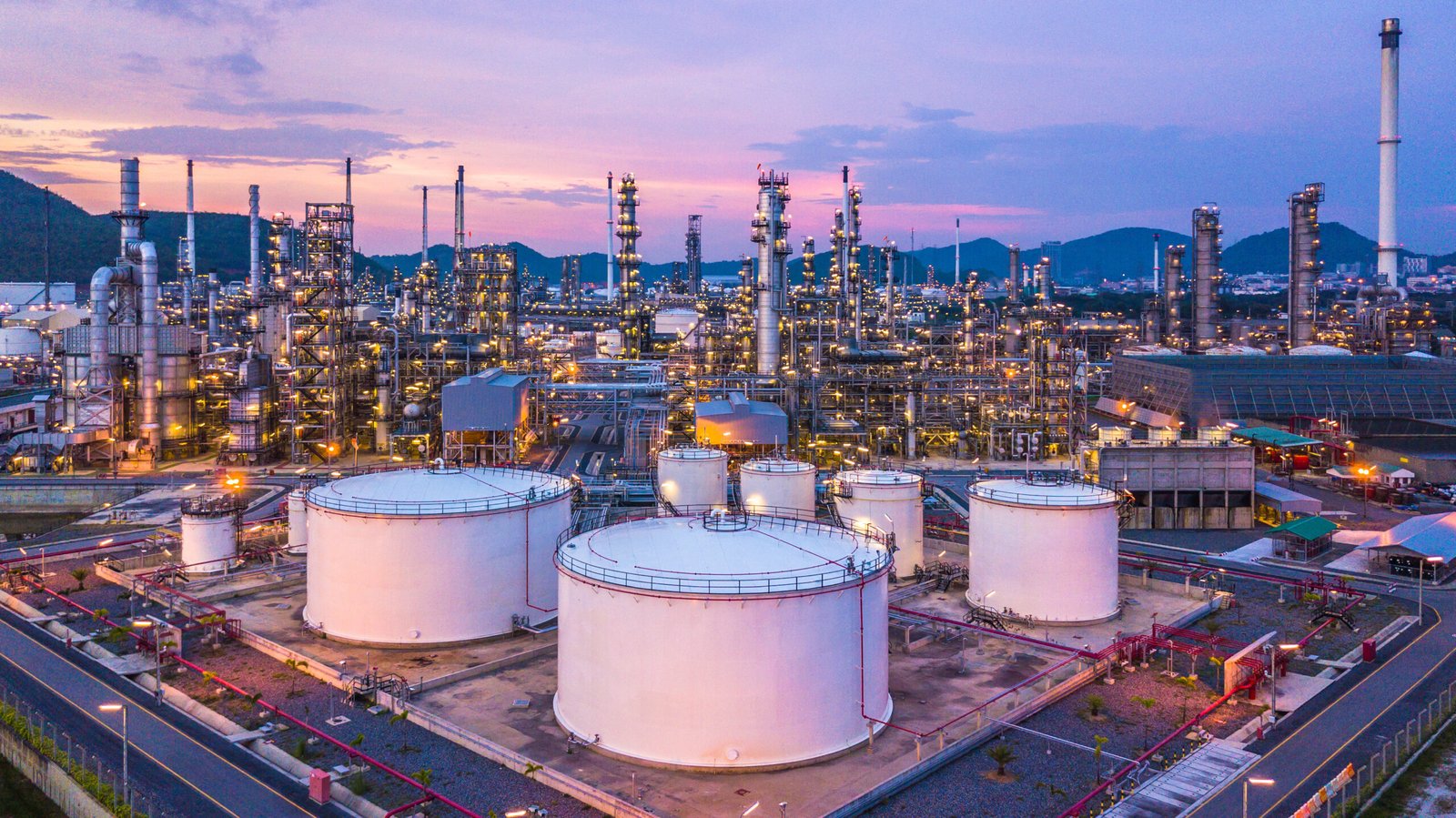
Why Industrial Oil Waste Demands a Bigger Conversation
When we think of used oil waste, the common image that comes to mind is often a mechanic’s garage or a roadside workshop. However, this perception overlooks the massive volumes of used oil generated within industrial settings—steel plants, textile factories, power stations, and mining operations, to name a few. These industries use oil in a variety of high-intensity applications, from lubricating turbines to operating hydraulic systems, and the resulting waste oil poses a significant environmental and regulatory challenge if not managed responsibly.
Unlike the relatively small-scale oil changes done in vehicles, industrial oil waste involves bulk quantities with complex chemical compositions. Oils used in heavy machinery often contain toxic additives, heavy metals, and other hazardous compounds that degrade over time. Once these oils become unsuitable for use, improper disposal can lead to groundwater contamination, air pollution, and even soil toxicity—posing a serious risk to public health and the environment.
In India, the rise of industrial manufacturing, energy production, and infrastructure development has dramatically increased the scale of oil consumption. According to estimates from the Central Pollution Control Board (CPCB), over 300,000 kilolitres of used oil are generated annually, with a significant portion originating from industrial activities. Despite this, collection and re-refining rates remain far below their potential, largely due to inadequate regulation enforcement, lack of awareness, and fragmented recovery infrastructure.
This is where Extended Producer Responsibility (EPR) comes into play. By mandating that producers and bulk oil users are accountable for the end-of-life management of their products, EPR shifts the burden from informal sectors to organized systems with traceability, compliance, and environmental integrity. For industrial players, it’s no longer enough to simply ‘dispose’ of used oil—it must be tracked, collected, and processed through CPCB-approved channels, closing the loop and ensuring valuable resources are recovered instead of lost.
To frame the issue more clearly, here are some reasons why industrial oil waste deserves more focused attention in national policy and business operations:
- Industrial facilities produce used oil in much higher volumes than small-scale users.
- Used industrial oil contains hazardous contaminants that require specialized handling and disposal.
- Improper disposal leads to severe environmental degradation and regulatory non-compliance.
- Low recovery and re-refining rates waste a valuable resource that could be reintroduced into the circular economy.
- EPR policies create a structured opportunity for accountability and sustainability at scale.
In this context, the discussion around used oil must evolve beyond the automotive sector. Addressing oil waste in industrial operations is not just an environmental imperative—it’s a strategic step toward building a circular, resource-efficient economy where nothing goes to waste. As India modernizes its approach to EPR and waste management, industrial players must recognize their central role in transforming how oil waste is viewed, handled, and repurposed.
When people think about used oil, the image that usually comes to mind is a car garage or mechanic’s workshop. But in reality, large-scale industries—from manufacturing plants to heavy equipment operations—generate far more used oil than the automotive sector. As India expands its Extended Producer Responsibility (EPR) framework to cover this critical waste stream, understanding how it applies to industrial operations is essential for sustainable compliance and circular innovation.
The Scale and Scope of Industrial Used Oil Generation
The generation of used oil in industrial settings far exceeds that of the automotive sector, both in quantity and in complexity. Large-scale industrial facilities rely on a variety of oils and lubricants to keep operations running smoothly—these include turbine oils, hydraulic fluids, compressor oils, transformer oils, and gear lubricants. As these oils age and degrade due to heat, pressure, and contamination, they are rendered unfit for continued use and must be removed from the system to avoid machinery failure or safety hazards.
The scale of used oil generation correlates closely with industrial activity. In manufacturing hubs and industrial corridors, the volume of used oil produced can reach tens of thousands of litres per facility annually. For example, a single thermal power plant may require thousands of litres of turbine oil each year, while heavy mining equipment such as excavators and drills demand frequent oil changes due to their harsh operating conditions. These figures multiply rapidly when viewed across India’s vast industrial landscape.
According to CPCB estimates, India generates over 300,000 kilolitres of used oil every year. A significant proportion of this—up to 60%—is believed to come from the industrial sector. Unfortunately, a large portion of this waste is either unaccounted for or ends up in the informal sector, where it’s often reprocessed in unsafe and environmentally damaging ways or burned as a low-grade fuel. This lack of traceability undermines both environmental safety and the potential for resource recovery through proper re-refining.
What makes industrial used oil particularly challenging is the diversity of its sources and contaminants. Unlike vehicle engine oil, which is relatively uniform, industrial oils can vary widely in their chemical composition and degradation profile. Some may contain heavy metals, chlorinated compounds, or other hazardous substances that demand specialized treatment and disposal protocols. Without proper infrastructure and enforcement, this waste stream can quickly become a source of pollution.
The scope of this issue is not limited to environmental impact. Poor management of used oil can lead to operational inefficiencies, equipment damage, and regulatory penalties for industries. Addressing this challenge requires a comprehensive understanding of where and how industrial oil waste is generated, as well as robust systems to capture, document, and responsibly process it.
- Power plants use vast amounts of turbine and transformer oils that degrade with use.
- Mining and construction equipment require regular oil changes due to extreme working conditions.
- Steel and manufacturing units operate hydraulic systems and compressors that consume large volumes of lubricants.
- Oil contamination in these settings can include heavy metals and hazardous chemicals.
- Improper disposal often results in soil and water pollution, impacting communities and ecosystems.
To manage the scale and complexity of industrial used oil generation, stakeholders must adopt a lifecycle perspective—one that includes upstream tracking, midstream collection, and downstream recovery. By doing so under the framework of EPR, industries can turn a regulatory obligation into a circular opportunity.
Industrial facilities rely heavily on lubricating oils for machinery, turbines, compressors, and hydraulic systems. Over time, these oils degrade and become contaminated with heavy metals and other hazardous substances, rendering them ineffective and potentially toxic. The cumulative volume of used oil generated in industrial operations is immense, with India producing hundreds of thousands of kilolitres annually. This makes industrial sites a high-priority focus for any national EPR framework aimed at resource recovery and environmental protection.
Types of Industries and Their Oil Waste Footprint
Different industries generate used oil in varying quantities, depending on the nature of their operations, machinery, and maintenance cycles. Power generation, manufacturing, mining, and construction are among the highest contributors to industrial oil waste. Each of these sectors relies on extensive mechanical systems that require constant lubrication and cooling, resulting in substantial oil consumption and, consequently, waste.
In the power sector, for instance, turbine oils and transformer oils are essential for uninterrupted operation of generators and electrical infrastructure. These oils break down over time due to high temperatures and electrical stress. Mining and construction industries, on the other hand, operate heavy-duty equipment such as excavators, crushers, and dumpers in harsh environments, necessitating frequent oil changes. Manufacturing units, particularly in sectors like steel, cement, and textiles, utilize hydraulic and compressor systems that also contribute to used oil volumes.
Even less obvious sectors like railways and marine transport contribute significantly, as locomotives and ships operate with large diesel engines and auxiliary systems that use various grades of lubricants. Each of these sectors has a distinct oil waste profile, which not only varies in volume but also in chemical composition and contamination level. This diversity calls for sector-specific approaches in collection, segregation, and recycling to ensure environmental safety and regulatory compliance.
Sectors such as steel manufacturing, power generation, mining, and construction are among the largest contributors to used oil waste. For instance, power plants may require constant lubrication for turbines and diesel generators, while mining equipment demands frequent oil changes under harsh operating conditions. Each industry not only generates different types of used oil but also faces unique challenges in safe handling, collection, and recycling.
Environmental and Operational Risks of Improper Disposal
When not managed responsibly, used oil can seep into soil and water bodies, creating long-term contamination issues. In industrial environments, the risks multiply due to larger volumes and more complex chemical compositions. Mishandling used oil can also expose workers to health hazards and increase the risk of fires, explosions, and machinery breakdowns due to poor maintenance practices.
Understanding EPR Mandates for Industrial Used Oil
Extended Producer Responsibility (EPR) is a policy mechanism that assigns end-of-life accountability to producers and bulk users of products, ensuring that waste generated from their use is properly managed. In the context of industrial used oil, EPR shifts the focus from reactive disposal to proactive responsibility, mandating that those who generate or introduce oil into the market must also take responsibility for its environmentally sound collection, recycling, or disposal.
In India, the Ministry of Environment, Forest and Climate Change (MoEFCC), along with the Central Pollution Control Board (CPCB), has begun formalizing EPR rules for used oil management under the Hazardous and Other Wastes (Management and Transboundary Movement) Rules, 2016. These regulations require that bulk oil users—including industrial plants—register as ‘Bulk Waste Generators’ and follow specific protocols to ensure traceable and safe handling of used oil. Unlike smaller entities, industries cannot rely on informal channels; they must work with CPCB-authorized recyclers and transporters, and maintain digital records of every transaction.
EPR compliance also involves reporting obligations. Companies must submit annual returns detailing quantities of used oil generated, handed over, and processed. These reports are meant to create a transparent chain of custody that can be audited and verified by regulatory bodies. Non-compliance can attract legal penalties, environmental fines, and even suspension of operations in extreme cases. For industries, integrating these mandates into their standard operating procedures is no longer optional—it’s a legal and environmental imperative.
Implementing EPR in an industrial context requires coordination across departments—procurement, maintenance, environment, health and safety (EHS), and legal teams all play a role. Companies must also audit their waste handlers to ensure they are working with certified and compliant vendors. With the rise of digital waste tracking platforms, many organizations are now leveraging technology to streamline documentation, automate compliance, and gain insights into resource recovery potential.
- Bulk oil users must register with CPCB as Bulk Waste Generators.
- Used oil must be collected and handed over only to authorized recyclers and transporters.
- Annual returns must be filed with accurate data on used oil generation and processing.
- EPR implementation requires internal coordination and vendor verification.
- Non-compliance can result in legal and financial repercussions.
Understanding and adhering to EPR mandates is not just about avoiding fines; it’s about participating in a circular economy that values resource efficiency and environmental integrity. For industrial sectors, embracing EPR is an opportunity to build more resilient, transparent, and sustainable waste management systems that align with global environmental goals.
India’s EPR regulations are gradually tightening around the management of used oil across both informal and industrial sectors. These rules place responsibility on producers, importers, and industrial users to ensure that used oil is collected and processed through authorized channels. For industrial settings, this means embedding compliance into the procurement, operational, and waste disposal processes to avoid legal, environmental, and reputational risks.
EPR Obligations for Bulk Waste Generators
Industrial entities that generate large quantities of used oil are classified as Bulk Waste Generators under India’s evolving EPR framework. This classification carries specific legal responsibilities aimed at preventing environmental degradation and promoting safe resource recovery. These obligations go beyond simple disposal—they require active participation in the collection, documentation, and handover of used oil to authorized processors.
Bulk Waste Generators must first register with the Central Pollution Control Board (CPCB) through its online portal. Once registered, they are required to track the quantity of used oil generated on-site and ensure that it is collected only by transporters and recyclers who hold valid CPCB authorization. Crucially, each transaction must be documented and maintained as part of the generator’s compliance records. These records are reviewed during audits and are essential when submitting annual reports. Failure to meet these obligations may result in penalties or suspension of operations, especially in environmentally sensitive zones. In this context, regulatory compliance becomes not just a legal checkbox but a critical element of risk management and environmental stewardship.
Industrial users that generate used oil in significant quantities are classified as bulk waste generators. Under EPR, these entities must register with the Central Pollution Control Board (CPCB), maintain accurate records, and ensure that waste is transferred only to CPCB-approved recyclers. Failure to comply could result in penalties or even operational suspensions under India’s Environmental Protection Act.
Role of Authorized Re-refiners and Transporters
Industrial compliance relies on a robust network of certified transporters and re-refiners who can safely handle hazardous waste. Working with authorized partners ensures that used oil is not illegally dumped or burned, but instead processed into base oil, fuel oil, or other usable products. Traceability and documentation, often managed via digital platforms, are critical to closing the loop and demonstrating EPR adherence.
- EPR ties industrial oil waste directly to producer accountability
- Proper documentation and partnerships are key to compliance
- Authorized re-refining supports both the economy and the environment
Building a Closed-Loop System for Used Oil Recovery
Establishing a closed-loop system for used oil recovery is one of the most effective strategies for reducing environmental impact while maximizing resource efficiency. In a closed-loop model, used oil is collected, treated, and re-refined into usable products—most often base oil for new lubricants—thus re-entering the production cycle rather than ending up as waste. For industrial settings that produce large volumes of used oil, this system not only supports regulatory compliance but also contributes to long-term operational and environmental sustainability.
A successful closed-loop recovery process begins with on-site segregation and proper storage of used oil. This is critical to ensure that contaminants do not mix with the oil, which could complicate re-refining or make the waste hazardous. Industries must also ensure that storage containers are leak-proof, clearly labeled, and located in designated areas with spill containment measures. These practices form the foundation of a responsible recovery strategy.
From there, the used oil must be transported via authorized carriers to licensed re-refining facilities. These facilities use advanced technologies such as vacuum distillation and hydro-treatment to remove impurities, heavy metals, and degraded additives, restoring the oil’s base components to near-original quality. This process not only conserves crude oil resources but also prevents illegal burning or dumping—common in informal recycling channels—which can cause severe air and water pollution.
Digital tracking systems are increasingly being used to improve transparency and traceability in the used oil recovery chain. These platforms help industries monitor the movement of waste from generation to final recovery, simplifying EPR reporting and ensuring accountability across the supply chain. Some companies even use these insights to optimize their lubricant procurement and maintenance schedules, further reducing waste generation at the source.
- Segregate and store used oil properly on-site to prevent contamination.
- Partner with CPCB-authorized transporters and re-refiners for responsible recovery.
- Leverage digital waste tracking tools for transparency and compliance.
- Ensure recovered oil is re-refined and reintroduced into the supply chain.
- Promote internal awareness and training to support circular practices.
By embedding closed-loop principles into daily operations, industries can align economic performance with environmental responsibility. Not only does this approach reduce dependency on virgin oil imports, but it also strengthens India’s circular economy by turning waste into a valuable resource. The more industrial players commit to such systems, the closer we move toward a cleaner, more resource-resilient future.
To unlock the full potential of EPR in industrial oil waste management, industries must move beyond reactive compliance to proactive circularity. This involves designing systems that not only handle waste efficiently but also maximize recovery and reuse. Innovations in filtration, reclamation, and re-refining technologies are making it increasingly viable to recycle used oil back into high-quality lubricants or fuel, reducing reliance on virgin resources and cutting carbon emissions.
Integrating Used Oil Recovery into ESG Strategies
For many industrial players, aligning used oil recovery with Environmental, Social, and Governance (ESG) goals offers strategic value. Transparent waste tracking, third-party audits, and public sustainability reporting can enhance investor confidence and stakeholder trust. Moreover, participation in circular practices often yields operational savings in the long run.
The Future of Industrial Responsibility: What’s Next?
As industries continue to evolve in response to sustainability demands and regulatory reforms, the future of industrial responsibility in used oil management is increasingly being shaped by Extended Producer Responsibility (EPR). The emphasis is no longer just on disposal—it’s about accountability, traceability, and creating value from waste. With mounting pressure to meet environmental, social, and governance (ESG) goals, industrial players are expected to adopt more transparent and circular practices around used oil.
Policy frameworks are also advancing to support this shift. The Central Pollution Control Board (CPCB) is actively refining guidelines to bring more uniformity and enforcement to used oil EPR mandates. As digital compliance platforms mature, regulatory bodies are better positioned to track waste flows, flag discrepancies, and hold non-compliant players accountable. This data-driven approach is expected to reduce leakages to informal channels and encourage investment in formal re-refining infrastructure.
Technology will play a pivotal role in shaping this next chapter. From AI-based maintenance forecasting that minimizes oil waste to blockchain-backed supply chains for waste tracking, industries have more tools than ever to manage their used oil responsibly. At the same time, growing consumer and investor expectations are pushing companies to showcase measurable environmental performance—especially in high-impact sectors like manufacturing, mining, and energy.
- EPR enforcement will likely expand to include stricter digital documentation and traceability standards.
- Industries may see incentives for investing in certified re-refining partnerships and circular innovations.
- Public ESG reporting will increasingly include industrial waste recovery performance.
- New technologies will streamline oil usage, improve recovery efficiency, and lower lifecycle emissions.
- Stronger collaboration between government, recyclers, and industries will be critical for scaling solutions.
Looking ahead, industrial responsibility will be defined not just by compliance, but by leadership in sustainability. Companies that take a proactive stance—investing in closed-loop systems, partnering with certified recyclers, and engaging in transparent reporting—will be better positioned to navigate regulatory shifts and stakeholder scrutiny. Ultimately, transforming used oil from a liability into a valuable resource is not just a technical challenge; it’s a strategic opportunity for long-term resilience and environmental stewardship.
India’s regulatory landscape is evolving rapidly to address the environmental challenges posed by industrial waste streams. EPR for used oil in industrial settings is not just a compliance box to tick—it’s an opportunity to lead in sustainability, reduce dependency on virgin oil imports, and strengthen national resource security. Businesses that invest in circular systems today will not only stay ahead of the curve but also help shape a cleaner industrial future.
Leave a Reply