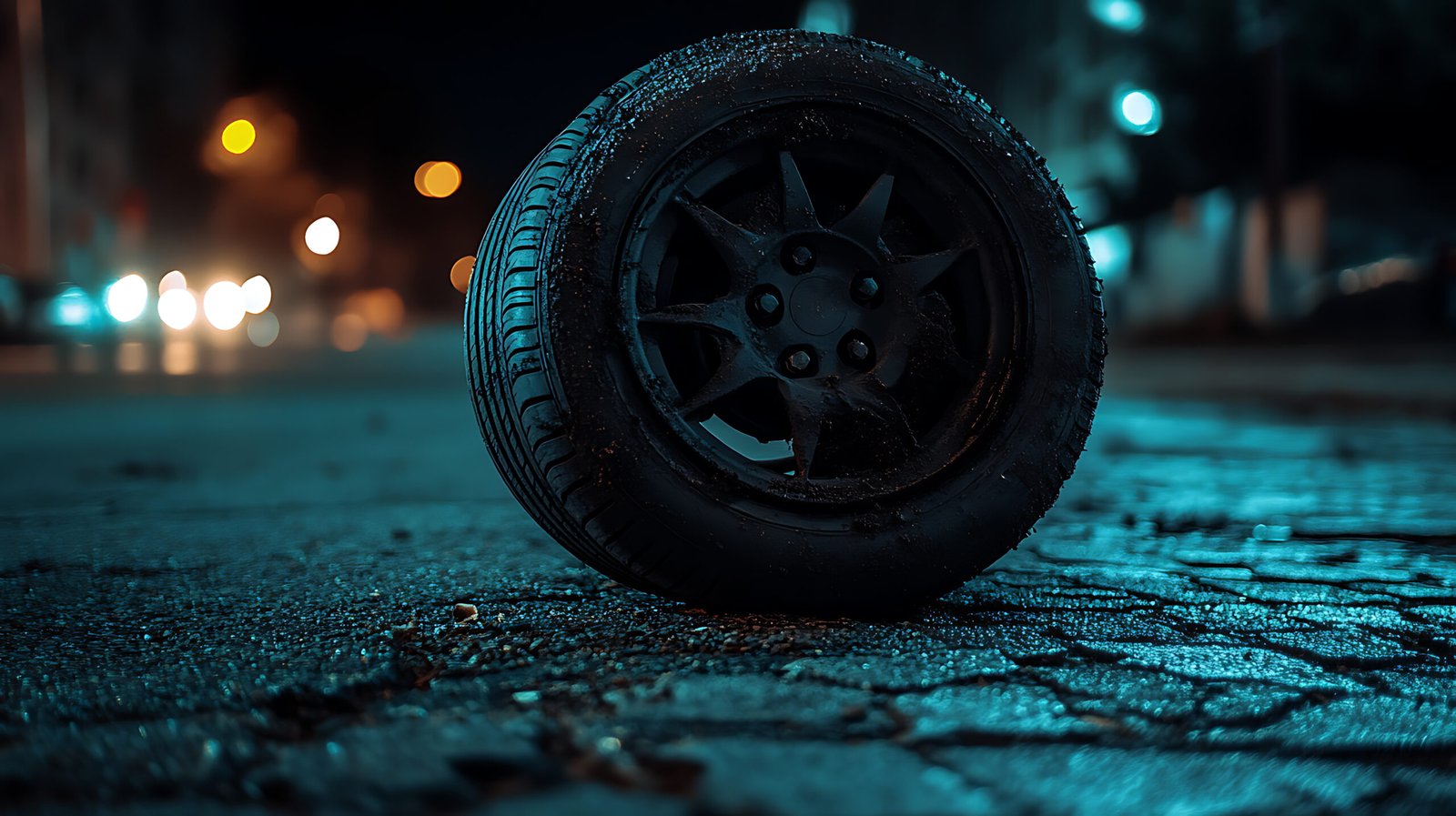
Safer Roads Start with Smarter Tyre Disposal
Imagine driving on a busy highway during heavy rain. Your vehicle suddenly begins to slide because the tyres lose grip. That moment of panic highlights something many drivers overlook—the condition and disposal of tyres directly influence road safety. Tyres are the only part of a vehicle that actually touches the road, which makes them one of the most critical safety components.
Across the world, millions of vehicles replace tyres every year. But what happens to the old ones? Most drivers rarely think about it. The truth is that tyre disposal has become a massive global challenge, affecting both environmental sustainability and public safety. Poor tyre maintenance leads to accidents, while improper disposal creates hazards that can indirectly affect road infrastructure and traffic safety.
In simple terms, safer roads don’t start only with better driving—they begin with smarter tyre management. Understanding the lifecycle of tyres, the dangers of worn-out rubber, and the importance of responsible disposal can make a significant difference in preventing accidents and protecting the environment.
Understanding the Global Tyre Waste Crisis
Tyres are built to endure extreme conditions—heat, friction, pressure, and heavy loads. Ironically, those same qualities that make tyres durable also make them difficult to dispose of responsibly. With the explosive growth of the global automotive industry, tyre waste has become one of the fastest-growing forms of solid waste worldwide.
How Many Tyres Are Discarded Each Year?
The scale of tyre waste is staggering. Globally, around 1.5 to 1.8 billion tyres reach the end of their life every year, creating a massive waste management challenge.
In addition, about one billion end-of-life tyres are discarded annually, contributing to a rapidly increasing waste stream worldwide.
India alone produces over 112 million waste tyres every year, making it one of the major contributors to global tyre waste.
What makes this problem particularly concerning is that tyres are non-biodegradable. Unlike organic waste, tyres can take hundreds of years to break down.
The automotive boom in developing economies has accelerated the problem. As more cars, trucks, and motorcycles hit the roads, the demand for tyres grows. With each replacement cycle, another wave of used tyres enters the waste stream.
Why Tyres Are Difficult to Dispose Of
Tyres are complex products made from multiple materials including natural rubber, synthetic rubber, steel, carbon black, and chemical additives. These materials are tightly bonded together through a process called vulcanization, which enhances durability but makes recycling difficult.
Because of this structure, tyres cannot simply be dumped in landfills without consequences. In fact, about 75% of waste tyres worldwide still end up in landfills, posing environmental and logistical challenges.
Landfilled tyres also create practical issues. Their hollow shape traps air, causing them to rise to the surface and damage landfill coverings. Additionally, they can collect water, turning into breeding grounds for mosquitoes and pests.
This complex composition means that tyres require specialized recycling or disposal systems. Without proper infrastructure, illegal dumping and burning become common—both of which carry severe environmental and safety risks.
The Hidden Link Between Tyre Waste and Road Safety
Many people think tyre disposal is purely an environmental issue. But there’s another important angle—road safety. Old tyres don’t magically disappear. When they remain in circulation longer than they should, they become a major cause of accidents.
Worn-Out Tyres and Accident Risks
A worn tyre is like a pair of worn-out shoes trying to run on a slippery surface. The grip simply isn’t there. Tyres rely on tread patterns to channel water away and maintain contact with the road surface. When the tread wears down, the tyre cannot disperse water effectively, increasing the risk of hydroplaning.
In wet conditions, worn tyres dramatically increase the chance of losing traction. Vehicles may skid, slide, or take longer to stop during emergency braking.
The problem becomes even more dangerous at high speeds. Thin or damaged tyres are more vulnerable to punctures and blowouts, which can lead to sudden loss of vehicle control.
Think of tyres as the foundation of your car’s stability. If that foundation weakens, everything else—from braking systems to steering—becomes less effective.
Real Road Safety Statistics Related to Tyre Failure
The numbers behind tyre-related accidents are alarming. Research shows that tyre blowouts contribute to roughly 11,000 vehicle crashes every year.
In India, tyre bursts have historically caused thousands of accidents. In one year alone, 9,748 accidents were linked to tyre bursts, resulting in 3,371 deaths and over 9,000 injuries.
Studies also indicate that tyre failure contributes to nearly 20% of accidents in certain vehicle categories, demonstrating how critical tyre maintenance is for road safety.
Even minor issues like incorrect tyre pressure can lead to accidents. Some analyses estimate that around 15% of crashes involve improper tyre pressure or tyre conditions.
These statistics highlight a simple reality: safer roads depend on properly maintained tyres—and responsible disposal when they reach the end of their life.
Environmental Consequences of Improper Tyre Disposal
Discarded tyres don’t just disappear once they leave a vehicle. They continue to exist in the environment for decades, often causing long-term damage. When tyres are improperly disposed of, they create a chain reaction of environmental problems that eventually affect communities, ecosystems, and even road infrastructure.
Soil, Air, and Water Pollution
Tyres contain numerous chemical compounds, including heavy metals, synthetic polymers, and petroleum-based additives. When tyres are dumped in open areas or landfills, these chemicals slowly leach into the surrounding soil and groundwater. Over time, this contamination can affect agricultural land, drinking water sources, and nearby ecosystems.
Another major issue arises when tyres are burned illegally to reduce waste volume. Burning tyres releases toxic pollutants such as carbon monoxide, sulfur oxides, and carcinogenic compounds into the atmosphere. These pollutants contribute to air pollution and can pose severe health risks to nearby populations.
The environmental damage does not stop there. Tyres dumped in rivers or lakes can block water flow, degrade aquatic habitats, and introduce harmful microplastics into the water system. These microplastics eventually enter the food chain, affecting both wildlife and human health.
Tyre Fires and Toxic Emissions
Tyre fires are among the most dangerous consequences of improper tyre disposal. Once ignited, tyre piles can burn for weeks or even months because tyres contain large amounts of combustible material.
These fires release thick black smoke filled with toxic gases and fine particles that travel long distances through the air. Communities near tyre fires often experience respiratory issues, eye irritation, and other health problems.
The environmental impact can be catastrophic. Burning tyres produce oily residues that seep into the soil and groundwater, creating long-term contamination zones. Cleaning up such disasters is extremely expensive and time-consuming.
Smart tyre disposal and recycling systems significantly reduce these risks by ensuring that tyres are processed safely rather than dumped or burned.
The Lifecycle of a Tyre
Understanding the lifecycle of a tyre helps explain why disposal matters so much. A tyre’s journey begins long before it touches the road and continues long after it leaves your vehicle.
From Manufacturing to End-of-Life
Tyres are manufactured through a complex process that involves combining rubber, steel, and various chemicals to create a durable product capable of withstanding extreme conditions. Once installed on a vehicle, tyres undergo continuous wear due to friction with the road surface.
Depending on driving habits, road conditions, and maintenance, most tyres last between 40,000 and 80,000 kilometers. Eventually, the tread depth decreases to a point where the tyre can no longer provide safe traction.
At this stage, the tyre reaches what is known as End-of-Life Tyre (ELT) status. Instead of being reused on the road, it should be removed and sent for recycling or responsible disposal.
When Does a Tyre Become Unsafe?
Drivers often underestimate how quickly tyres wear out. A tyre becomes unsafe when its tread depth drops below recommended levels or when visible damage appears.
Signs that a tyre should be replaced include:
-
Cracks in the sidewall
-
Bulges or deformities
-
Uneven tread wear
-
Reduced tread depth
Driving on unsafe tyres significantly increases stopping distances and reduces vehicle control during emergencies. In extreme cases, the tyre may fail entirely, causing sudden blowouts.
Recognizing these signs early and replacing tyres promptly is one of the simplest ways to prevent accidents.
Smarter Tyre Disposal Methods
Modern waste management systems have developed several innovative methods for handling end-of-life tyres. These solutions not only reduce environmental harm but also transform tyre waste into valuable resources.
Tyre Recycling
Recycling is one of the most effective ways to manage tyre waste. Through mechanical processes, tyres are shredded and separated into rubber, steel, and textile components.
The recycled rubber can then be used in:
-
Road construction materials
-
Playground surfaces
-
Sports fields
-
Rubberized asphalt
The global tyre recycling market is growing rapidly, with an estimated value of $6.87 billion in 2024 and projected growth to $8.46 billion by 2030.
This growth reflects increasing awareness of sustainability and resource recovery.
Pyrolysis and Energy Recovery
Pyrolysis is another technology used to process waste tyres. In this process, tyres are heated in an oxygen-free environment, breaking them down into useful products such as oil, gas, and carbon black.
These materials can then be reused in industrial processes, reducing the need for virgin resources. However, the technology must be carefully regulated to avoid environmental risks.
Retreading and Reuse
Retreading is an often overlooked but highly effective method of extending tyre life. Instead of discarding a worn tyre, the old tread is replaced with a new one, allowing the tyre to be used again.
This process is commonly used in commercial transport fleets, especially for trucks and buses. Retreading reduces waste generation and lowers the cost of tyre replacement.
How Smart Tyre Disposal Improves Road Safety
Smarter tyre disposal isn’t just about environmental sustainability—it also plays a direct role in improving road safety.
Eliminating Dangerous Worn Tyres
When effective recycling and disposal systems exist, worn tyres are removed from circulation more quickly. This reduces the likelihood that drivers will continue using unsafe tyres simply because disposal options are limited.
Encouraging timely replacement ensures that vehicles operate with tyres that maintain proper grip, braking ability, and structural integrity.
Reducing Road Debris and Blowouts
Discarded tyres and tyre fragments on roads can create hazards for other drivers. Debris may cause punctures, sudden swerves, or collisions.
Proper tyre disposal ensures that damaged tyres are collected and processed instead of ending up on highways or roadside areas.
Cleaner roads mean fewer obstacles and fewer accidents.
Government Policies and Regulations
Governments worldwide are increasingly recognizing the importance of responsible tyre disposal.
What Individuals and Businesses Can Do
While governments and industries play a major role, individuals also have a responsibility in ensuring smarter tyre disposal.
Responsible Tyre Maintenance
Regular tyre maintenance extends tyre life and improves safety.
Drivers should:
-
Check tyre pressure regularly
-
Monitor tread depth
-
Rotate tyres periodically
-
Replace damaged tyres immediately
Simple maintenance can prevent accidents and reduce the number of tyres entering the waste stream prematurely.
Choosing Certified Recycling Programs
When replacing tyres, it’s important to ensure that the old ones are sent to certified recycling facilities rather than dumped illegally.
Many tyre retailers participate in take-back programs that guarantee proper disposal.
By choosing responsible service providers, drivers contribute to safer roads and a cleaner environment.
Conclusion
Tyres may seem like simple components of a vehicle, but their impact extends far beyond transportation. From road safety to environmental sustainability, the way we manage tyre waste plays a critical role in shaping the future of our roads.
With billions of tyres reaching the end of their life every year, smarter disposal systems are no longer optional—they are essential. Recycling technologies, responsible policies, and greater public awareness are helping transform tyre waste into valuable resources while reducing accident risks.
Safer roads don’t just depend on careful driving. They begin with safe vehicles, responsible maintenance, and smart waste management. When drivers, industries, and governments work together to manage tyre disposal effectively, the result is clear: cleaner environments, stronger circular economies, and safer journeys for everyone.
FAQs
1. Why is tyre disposal important for road safety?
Improperly maintained or worn tyres can lead to blowouts, reduced traction, and longer braking distances, all of which increase the risk of accidents.
2. How many tyres are discarded worldwide every year?
Globally, around 1.5–1.8 billion tyres reach the end of their life annually, creating a massive waste management challenge.
3. Can old tyres be recycled?
Yes. Old tyres can be recycled into products like rubberized asphalt, playground surfaces, and industrial materials.
Leave a Reply