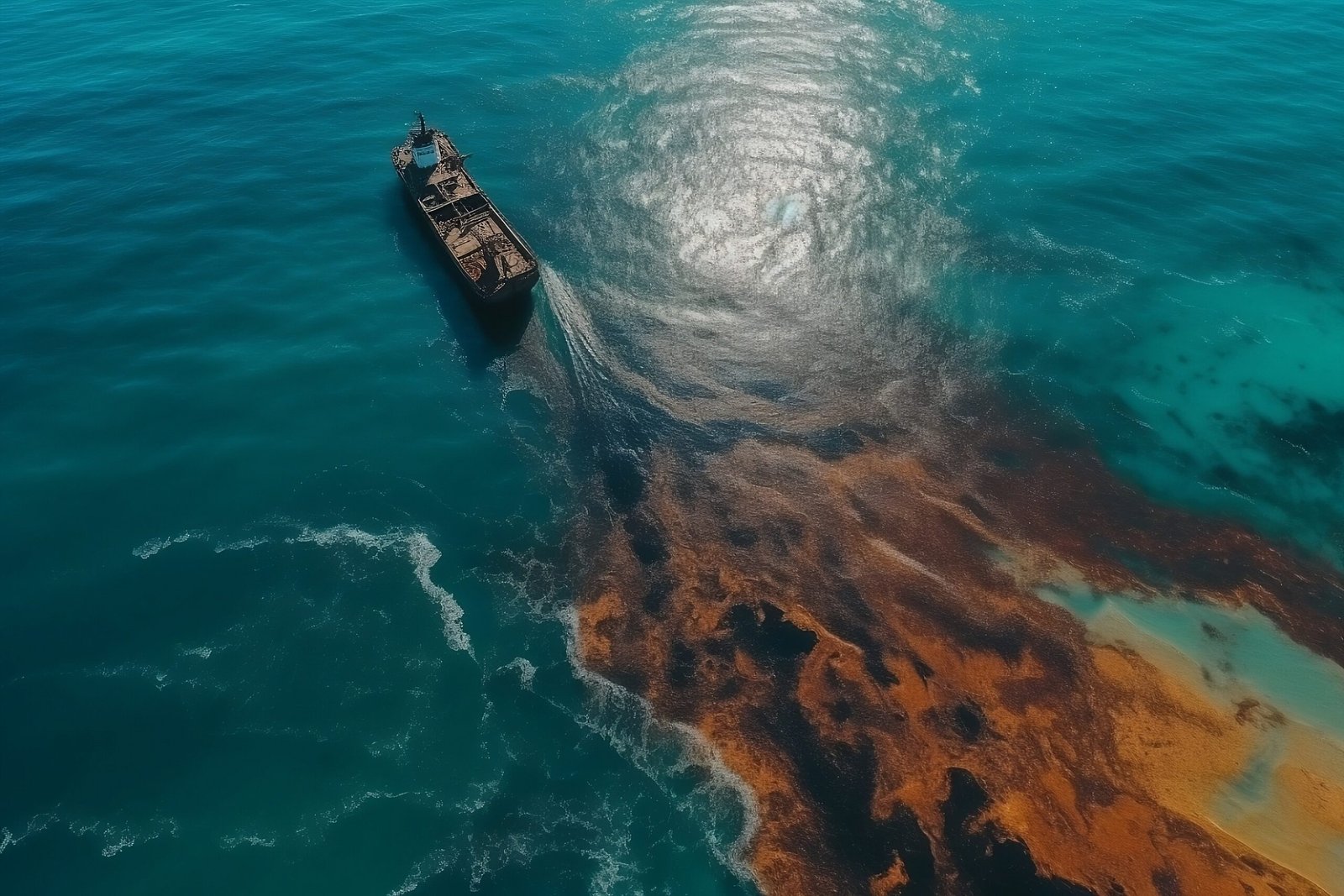
Why Oil Waste Must Not Reach the Ocean
Our oceans cover more than 70% of the Earth’s surface and are home to an astonishing variety of life. Yet they face growing threats from pollution, including a less visible but deeply damaging source: oil waste. From coastal refineries and shipping routes to land-based runoffs and auto repair workshops, oil pollutants can enter marine environments through both accidental and deliberate discharges. When not managed properly, this waste becomes a toxic invader that alters marine ecosystems in ways that are difficult to reverse.
Used oil, including lubricants and hydraulic fluids, contains a cocktail of contaminants such as heavy metals, polycyclic aromatic hydrocarbons (PAHs), and other persistent organic pollutants. When discharged into the environment, even in minute amounts, these substances create long-lasting slicks that float on the surface of the water and spread rapidly with currents. One litre of used oil can contaminate up to one million litres of seawater, severely degrading water quality and making entire ecosystems uninhabitable for marine species.
Oil pollution has a cascading effect on marine biodiversity. It affects the mobility and insulation of marine mammals, poisons fish and shellfish, disrupts reproductive cycles, and damages coral reefs. Coastal habitats like mangroves and salt marshes, which act as nurseries for marine life and natural filters for pollutants, are particularly sensitive to oil contamination. The result is not just ecological damage, but also economic loss to communities dependent on fishing, aquaculture, and tourism.
Despite the known dangers, a significant portion of oil pollution in the ocean originates from non-tanker sources. These include runoff from roads and industrial zones, illegal dumping, leaky storage facilities, and poorly regulated maritime operations. Many of these sources can be managed through better collection systems and stronger accountability mechanisms—particularly Extended Producer Responsibility (EPR), which holds oil producers responsible for the lifecycle impact of their products.
- Oil waste introduces toxic substances like PAHs and heavy metals into marine ecosystems.
- One litre of used oil can contaminate up to a million litres of seawater.
- Non-point sources like industrial runoff and vehicle service stations contribute significantly to marine oil pollution.
- Marine life, including fish, birds, and mammals, suffer long-term physiological harm from even low concentrations of oil.
- Communities reliant on coastal resources face health, livelihood, and food security risks due to oil-contaminated waters.
To protect our oceans, it is essential to prevent oil waste from entering the marine environment in the first place. This requires a robust system of collection, treatment, and regulatory enforcement—ideally under a national EPR framework that integrates oil producers, waste handlers, port authorities, and coastal municipalities. By addressing the problem at its source, we can begin to reverse decades of damage and restore balance to marine ecosystems.
Oil pollution is one of the most persistent threats to our oceans, harming marine ecosystems, fisheries, and coastal communities. While high-profile oil spills get the headlines, everyday improper disposal of used oil from industries, ships, and land-based sources contributes significantly to the problem. That’s where Extended Producer Responsibility (EPR) for oil waste comes in—a tool that, if implemented effectively, can reduce marine pollution and promote more responsible environmental practices across the board.
Understanding the Marine Impact of Improper Oil Disposal
Improper disposal of oil waste has wide-reaching and often underestimated effects on marine environments. Unlike solid waste, which is more visible and easier to collect, oil waste is fluid, mobile, and capable of contaminating vast stretches of coastline and open sea. Its spread is difficult to control once released, and its impacts linger for years, even decades. The moment oil enters the water—whether through industrial runoff, bilge discharge, or leakage from waste storage—it sets off a chain reaction of ecological consequences.
Oil waste floats initially, forming a thin film or slick on the surface of the water that impedes light penetration and gas exchange. This affects the photosynthetic activity of phytoplankton, which serve as the base of the oceanic food chain. Reduced oxygen levels and limited sunlight can significantly alter the productivity and balance of marine ecosystems. Over time, heavier fractions of oil settle into sediments, where they persist and affect benthic organisms like crabs, mollusks, and bottom-feeding fish.
The toxicity of used oil stems from both its chemical composition and the contaminants it accumulates during use. These include metals like lead, arsenic, cadmium, and zinc, as well as cancer-causing hydrocarbons. When marine organisms ingest these toxins—directly or through their food chain—it leads to bioaccumulation and biomagnification, amplifying health risks at each trophic level. This can cause reduced fertility, deformities, immune system suppression, and premature death in marine fauna.
The ripple effects extend to human populations. Coastal communities that rely on seafood may face increased exposure to toxic substances, while economic losses mount due to fishery collapses and beach contamination. Additionally, tourism sectors suffer as oil residues make shorelines unsightly and hazardous. The combination of environmental, economic, and public health damage underscores the urgency of implementing strict control measures on oil waste disposal.
- Oil slicks block sunlight, disrupting photosynthesis and oxygen production.
- Toxic compounds in used oil accumulate in marine life, affecting reproduction and survival.
- Oil waste settles in sediment, causing long-term damage to bottom-dwelling species.
- Human communities face increased health risks from contaminated seafood.
- Improper disposal contributes to habitat loss and declining biodiversity.
Recognizing the marine impact of improper oil disposal is the first step toward preventive action. With oceans already under stress from climate change and plastic pollution, adding oil contamination to the mix only accelerates ecosystem degradation. A stronger focus on regulated collection, treatment, and producer accountability—such as through Extended Producer Responsibility (EPR)—is critical to reducing the flow of oil pollutants into our waters and preserving marine biodiversity for the future.
Oil waste that ends up in rivers and drainage systems often finds its way into the ocean, where even small amounts can have devastating consequences. Just one litre of used oil can contaminate up to one million litres of seawater. It forms surface slicks that block sunlight, smother coral reefs, and disrupt oxygen exchange, affecting marine life from plankton to whales. The need for systematic oil waste management—especially through EPR frameworks—is urgent if we are to protect these fragile ecosystems.
Invisible Sources, Visible Damage
While tanker spills are dramatic, the cumulative impact of dispersed oil waste from ports, offshore platforms, and stormwater runoff is often worse. A 2021 UNEP report noted that land-based sources account for up to 80% of marine pollution, including oil residues from industrial activity and vehicle servicing. Without structured collection and reprocessing, this oil waste quietly enters marine systems, making regulatory enforcement and producer accountability all the more critical.
How EPR Can Drive Cleaner Practices Across the Oil Lifecycle
Extended Producer Responsibility (EPR) offers a transformative way to manage oil waste and reduce the environmental risks associated with its entire lifecycle. Unlike traditional waste disposal models that focus only on the end-of-life stage, EPR encourages producers to take responsibility from the moment their oil-based products are designed to the point they are collected, treated, or reused. This model not only supports regulatory compliance but also incentivizes innovation and environmental stewardship.
In the context of oil products such as engine lubricants, transmission fluids, or hydraulic oils, EPR can be a powerful tool for change. Under an EPR framework, producers are legally obliged to organize, finance, or facilitate the collection and environmentally sound disposal or re-refining of used oil. This ensures that oil does not end up being dumped in drains, open land, or waterways—practices that are common in regions lacking proper infrastructure or oversight.
By shifting responsibility to the producers, EPR systems encourage the adoption of cleaner production techniques. Manufacturers are more likely to use formulations that are less toxic and more recyclable, and they may explore packaging innovations that aid in the recovery and safe return of used oil. These changes help build a circular economy where oil products are seen not as single-use commodities, but as resources that can be recovered and reused responsibly.
Successful implementation of oil EPR programs also depends on collaboration among multiple stakeholders. Waste management companies, local governments, port authorities, and retailers must be brought into the fold. In some cases, producers partner with third-party organizations known as Producer Responsibility Organizations (PROs) to fulfill their obligations, ensuring that logistics, compliance tracking, and reporting are handled efficiently and transparently.
- Encourages producers to develop cleaner, less hazardous oil formulations.
- Supports infrastructure for safe oil collection and recycling.
- Promotes transparency and accountability across the supply chain.
- Reduces illegal dumping and improves traceability of oil waste.
- Aligns environmental goals with producer responsibility and innovation.
As countries like India expand their EPR mandates under CPCB guidelines, oil producers will need to adapt to a new reality—one in which they are not only sellers but also environmental stewards. When applied properly, EPR has the potential to drastically reduce marine pollution, conserve resources, and drive sustainable industry practices across the oil lifecycle.
Extended Producer Responsibility is a policy approach that mandates producers to take responsibility for the post-use management of the products they put into the market. In the case of oil, this includes lubricants, hydraulic fluids, and other petroleum-based products. By placing legal and financial responsibility on producers, EPR frameworks encourage upstream design changes, support oil recovery systems, and reduce the environmental burden downstream—especially in marine zones.
Designing Out Ocean Risk at the Source
Reducing the risk of oil pollution in marine environments begins long before the oil is used—it starts with how oil products are designed. Extended Producer Responsibility (EPR) encourages manufacturers to consider the environmental impact of their products at the design stage, which includes selecting raw materials, packaging, and end-of-life recovery options. This shift in mindset promotes preventive strategies rather than reactive ones, minimizing the chances of oil waste entering aquatic ecosystems in the first place.
One of the most effective ways to ‘design out’ ocean risk is through improved packaging and labeling. Producers can incorporate features such as leak-proof, tamper-resistant containers and clear disposal instructions that make it easier for users to return used oil. Additionally, integrating QR codes or digital tracking on oil containers can enhance traceability, helping ensure that oil waste doesn’t go unaccounted for. On the formulation side, investing in biodegradable base oils or low-toxicity additives can significantly reduce environmental harm if accidental spills do occur.
Design innovations aligned with EPR goals not only reduce the risk of marine contamination but also contribute to a more circular and sustainable economy. By prioritizing safety, recoverability, and environmental performance from the outset, producers can play a proactive role in safeguarding marine ecosystems from oil pollution.
Producers are now being encouraged to develop oil products that are easier to collect and re-refine. For example, oil packaging with built-in return mechanisms or labeling that supports responsible disposal can improve user behavior. Moreover, EPR schemes are funding research into biodegradable or less harmful formulations, reducing long-term toxicity if accidental discharge occurs.
Funding Collection and Safe Disposal Infrastructure
EPR frameworks can also channel resources toward creating widespread collection centers and refining infrastructure near coastal and port regions. This ensures that fishing harbors, marine service yards, and tourism hotspots have access to oil waste recovery options, limiting illegal dumping and accidental leaks. In India, CPCB’s draft guidelines for used oil EPR outline traceability mechanisms that could serve as a model for ocean-focused interventions.
- Encourages innovation in cleaner oil products
- Finances safe collection near vulnerable marine zones
- Promotes traceability to prevent illegal disposal
Global Lessons and the Way Forward for India
Around the world, Extended Producer Responsibility (EPR) schemes for oil waste have demonstrated that strong regulatory frameworks, backed by industry cooperation, can make a measurable difference in reducing environmental pollution. Countries like Canada, Germany, and Australia have implemented structured EPR systems for used lubricating oil, leading to high recovery and recycling rates. These international experiences offer valuable insights for India, which is now expanding its own EPR guidelines under the Central Pollution Control Board (CPCB).
In Canada, the National Used Oil Management Association (NUOMA) has successfully coordinated oil collection and re-refining efforts through a decentralized yet harmonized EPR system. Producers fund the program through eco-fees embedded in product pricing, ensuring that the cost of recovery is shared and sustainable. Similarly, Germany mandates that oil retailers accept used oil returns equal to the quantity sold, effectively building a closed-loop system that prevents leakage into the environment. These approaches show that with the right incentives and infrastructure, even small-scale oil waste from dispersed sources can be efficiently managed.
For India, the challenge is twofold: building a nationwide oil waste collection infrastructure and enforcing accountability across a fragmented supply chain. With a growing population, expanding automotive sector, and vast coastline, India faces a unique mix of logistical and environmental vulnerabilities. However, this also presents an opportunity to design a tailored EPR model that integrates local needs, informal sector participation, and digital compliance tools.
CPCB’s draft EPR framework for used oil already introduces provisions for producer registration, waste tracking, and digital reporting. To strengthen this further, India can adopt global best practices while promoting community-level awareness and industry incentives. Public-private partnerships (PPPs), decentralized collection centers, and robust verification mechanisms can help scale up efforts and curb marine-bound oil pollution effectively.
- Leverage international models like Canada’s eco-fee system to fund oil recovery.
- Incentivize collection and return through retailer take-back obligations.
- Use digital platforms for real-time tracking and waste traceability.
- Build regional infrastructure in coastal and industrial zones.
- Engage the informal sector and local governments for last-mile coverage.
India’s path forward lies in embracing an adaptive and inclusive approach to oil EPR—one that goes beyond compliance to foster long-term environmental responsibility. By learning from global leaders and scaling solutions locally, India can position itself at the forefront of marine pollution prevention while building a circular economy for oil products.
Countries like Canada and Germany have already implemented EPR systems for lubricating oils, with demonstrable reductions in illegal dumping and improved oil recovery rates. India, with its extensive coastline and growing industrial base, stands to benefit immensely by adapting such global best practices to its local context. Integrating EPR with coastal zone management and blue economy strategies can ensure that ocean protection becomes a shared priority across ministries and sectors.
Strengthening Compliance and Monitoring
For EPR to be truly effective in protecting marine ecosystems, robust compliance mechanisms are essential. Digital tracking, waste audits, and regular reporting can help authorities monitor how much oil is being collected, re-refined, or lost. Satellite surveillance and AI-driven tools could also support enforcement, especially in maritime and port environments where violations are harder to detect.
Oceans at a Crossroads: The Role of Responsibility in Marine Health
Our oceans are approaching a critical juncture. Pressures from climate change, overfishing, plastic debris, and chemical runoffs have already strained marine ecosystems—and now, oil pollution is emerging as a significant but often under-acknowledged contributor to their decline. The ocean’s health is directly linked to the choices we make on land, especially when it comes to how we manage hazardous substances like used oil. If not addressed through coordinated and responsible action, the long-term consequences could be irreversible.
Extended Producer Responsibility (EPR) offers a practical, forward-looking solution to this complex challenge. By assigning oil producers and distributors the duty to ensure proper waste management, EPR shifts the system from reactive cleanup to proactive prevention. This change in responsibility promotes systemic improvements across the oil value chain—from better product design to the establishment of collection and re-refining infrastructure—all of which directly benefit marine environments.
But policy alone is not enough. The success of EPR depends on widespread stakeholder engagement, including government bodies, industries, waste processors, coastal communities, and consumers. Public awareness campaigns and transparent reporting can help build trust and drive participation, while enforcement measures ensure that those avoiding responsibility are held accountable. Protecting ocean health must be seen as a shared duty, not just a regulatory checkbox.
By embracing EPR as a central strategy for managing oil waste, India—and the world—can take a meaningful step toward restoring marine ecosystems and securing ocean sustainability. Cleaner seas are not just an environmental goal; they are essential to food security, climate resilience, and economic well-being for millions who depend on the oceans for their livelihoods.
- The ocean’s health is deeply connected to responsible land-based waste practices.
- EPR encourages upstream accountability, reducing the chances of oil reaching marine ecosystems.
- Collective action—across sectors and borders—is key to building resilient and pollution-free oceans.
As we stand at this crossroads, the choices we make today will determine the fate of our oceans tomorrow. It’s time to view oil waste not as an unavoidable by-product, but as a manageable resource within a circular system. Through responsible policies like EPR, combined with public participation and industry innovation, we can chart a new course—one where the oceans are protected, not polluted.
As climate change accelerates and marine ecosystems become more vulnerable, every action counts. Implementing oil EPR not only makes environmental sense—it’s a necessary strategy to preserve our oceans for future generations. Policymakers, producers, and consumers all have a role to play in closing the loop on oil waste. If done right, EPR could be one of our strongest allies in keeping the seas clean, the coastlines resilient, and marine life thriving.
Leave a Reply