How to Choose Greener Gadgets in a Waste-Conscious World
In today’s fast-paced digital world, gadgets are everywhere—from smartphones and tablets to smartwatches and laptops. But behind every device lies an environmental footprint that starts from raw material extraction and extends to disposal. As consumers become more eco-conscious, understanding how to choose electronics that align with environmental responsibility is more important than ever. This is where Extended Producer Responsibility (EPR) and eco-design come into play.
EPR is a policy approach that makes producers responsible for the entire lifecycle of their products, especially at the end-of-life stage. For consumers, this means that some gadgets are specifically designed and managed to minimize environmental harm. These devices are often built to last longer, use recyclable or renewable materials, and come with take-back or recycling options. Choosing such gadgets helps close the loop in the electronics lifecycle and reduces the burden on landfills and informal recycling sectors.
Making a green tech choice isn’t always about buying the most expensive or ‘trendy’ product. Instead, it’s about being informed and intentional with purchases. Consumers can look beyond surface-level marketing claims and assess real indicators of sustainability. Factors such as repairability, energy efficiency, and corporate recycling initiatives all play a part in a gadget’s eco-credentials. Gadgets that are modular or designed for easy disassembly are easier to repair and recycle, making them far more environmentally friendly in the long run.
- Look for devices from brands with published EPR or sustainability commitments.
- Choose gadgets that offer software support for multiple years, reducing obsolescence.
- Opt for electronics with recyclable packaging or certified eco-labels (e.g., EPEAT, Energy Star).
- Avoid impulse upgrades—use your existing devices longer when possible.
- Consider refurbished devices as a low-impact alternative to buying new.
By making these thoughtful decisions, consumers play a direct role in shaping a market that values sustainability. Every gadget purchase is also a vote—for companies that prioritize long-term environmental impact and for practices that reduce the ever-growing stream of e-waste. As awareness around climate change and pollution grows, choosing greener gadgets becomes not only a responsible decision but also a powerful step toward a cleaner planet.
In a time when our devices become obsolete faster than ever, it’s essential to rethink how we purchase and dispose of electronics. Choosing gadgets that align with Extended Producer Responsibility (EPR) frameworks is no longer just a nice-to-have—it’s a key part of building a sustainable digital future. This guide walks you through how to make smarter, greener tech choices without compromising performance or innovation.
What Makes a Gadget EPR-Compliant?
When it comes to making environmentally sound choices in electronics, understanding what qualifies a gadget as EPR-compliant is essential. Extended Producer Responsibility (EPR) isn’t just about recycling—it’s a comprehensive policy framework that holds manufacturers accountable for the entire lifecycle of their products, from design to disposal. An EPR-compliant gadget is one that meets specific regulatory and operational criteria aimed at reducing its environmental impact, especially at the end-of-life stage.
In India, the Central Pollution Control Board (CPCB) mandates that producers of electronic products register under the EPR framework and ensure environmentally safe collection, recycling, and disposal of their products. A gadget becomes EPR-compliant when its manufacturer not only meets these legal obligations but also integrates design features and logistical support that make recycling feasible and responsible. This includes traceability through EPR registration, partnerships with authorized recyclers, and a functioning take-back mechanism.
Beyond regulatory compliance, the design of the gadget itself plays a crucial role. EPR-compliant gadgets are often built with recyclability in mind—they avoid hazardous substances like lead and mercury, use modular components, and enable easy disassembly. Such design choices help recyclers safely extract valuable materials like copper, aluminum, and rare earth elements, minimizing landfill use and reducing demand for virgin mining.
- Manufacturer is registered with CPCB or a recognized EPR authority.
- Product is designed for disassembly, reuse, or recycling.
- Take-back or collection mechanisms are publicly available and accessible.
- Use of hazardous substances is minimized in accordance with RoHS standards.
- Recyclers handling the product are authorized and environmentally compliant.
Consumers can verify EPR compliance by checking the manufacturer’s sustainability webpage, looking for EPR registration numbers, or reviewing public disclosures about waste management practices. Some global and Indian brands also publish annual EPR performance reports, listing the volumes of e-waste collected and treated. Ultimately, a gadget’s EPR compliance reflects the producer’s responsibility, but it empowers the user to be part of the solution to growing e-waste challenges.
EPR-compliant gadgets are products that are designed with end-of-life responsibility in mind. These items are manufactured by companies that have systems in place for take-back, recycling, and safe disposal. They typically include eco-design features, use recyclable materials, and are registered under authorized recycling programs mandated by environmental authorities like the CPCB in India.
Designing for the Circular Economy
Designing gadgets for the circular economy means moving away from the traditional linear model of ‘take, make, dispose’ and instead embracing a regenerative approach. In this model, products are built to stay in use longer, be easily repaired or upgraded, and eventually be recycled back into the production cycle. For electronics, this requires thoughtful engineering from the start—prioritizing durability, modularity, and material selection.
Manufacturers embracing circular principles often create devices with replaceable components, such as batteries, screens, or memory modules. This not only extends product life but also simplifies end-of-life recycling. Using fewer mixed materials and avoiding toxic substances like mercury or brominated flame retardants makes disassembly safer and more efficient. Moreover, software longevity is just as important—frequent updates and compatibility support help consumers keep devices functional for years, reducing premature obsolescence and electronic waste.
Brands like Fairphone and Framework have set examples by offering modular phones and laptops that users can repair themselves with basic tools. Even mainstream manufacturers are beginning to follow suit, recognizing that design for circularity aligns with growing regulatory pressure and consumer expectations. Ultimately, designing for the circular economy transforms how products are conceived and consumed, making sustainability a built-in feature rather than an afterthought.
Eco-conscious manufacturers now prioritize modularity, durability, and easy disassembly. Devices with replaceable parts or longer software support cycles contribute less to the growing pile of e-waste. For example, Fairphone offers smartphones with swappable batteries and camera modules, extending usability and reducing waste.
The Role of Take-Back Programs
A key feature of EPR-compliant products is the manufacturer’s commitment to collecting used devices. Many brands now operate drop-off centers, reverse logistics partnerships, or online collection services. Consumers should look for companies that clearly communicate their recycling channels and provide accessible return options.
Reading Between the Labels: How to Spot a Responsible Product
As sustainability becomes a more prominent concern in tech purchasing, many brands are quick to advertise their products as ‘green’ or ‘eco-friendly’. But not all claims are created equal. Spotting truly responsible gadgets requires more than just reading the marketing on the box—it means understanding what lies beneath the labels, logos, and buzzwords. Consumers need to assess both the environmental credentials of the product and the track record of the company that makes it.
The first step is to recognize meaningful certifications and registrations. In India, producers are required to register under the E-Waste (Management) Rules if they sell electronics that fall under EPR mandates. This registration ensures they have systems in place for safe collection, transportation, and recycling. Globally, certifications such as EPEAT (Electronic Product Environmental Assessment Tool), RoHS (Restriction of Hazardous Substances), and Energy Star indicate that the product meets established environmental and energy efficiency standards. However, their presence should be verified through official databases, not just assumed based on packaging.
Equally important is the company’s transparency. Responsible producers typically publish detailed sustainability or ESG (Environmental, Social, and Governance) reports that outline their EPR performance, recovery rates, materials used, and goals for emissions reduction. These documents, often found on company websites, are valuable tools for evaluating how deeply environmental responsibility is embedded into their business practices—not just used as a marketing tactic.
- Check for verifiable certifications like EPEAT, Energy Star, and RoHS.
- Look for brands registered with the CPCB or local pollution control boards.
- Review public sustainability or EPR reports from the manufacturer.
- Be cautious of vague claims such as ‘eco’ or ‘green’ without supporting data.
- Confirm whether the brand offers accessible recycling or take-back programs.
By digging a little deeper and asking the right questions, consumers can cut through greenwashing and make choices that genuinely align with sustainability. The right labels and certifications can guide decisions, but a critical eye ensures that your next gadget doesn’t just look green—it actually supports the broader goals of environmental responsibility and circular design.
With greenwashing on the rise, it’s not always easy to tell if a product is genuinely eco-friendly or just marketed that way. To identify electronics designed for EPR compliance, consumers should verify certifications, manufacturer policies, and sustainability reports. Clarity and transparency are often good indicators of a brand’s authenticity.
Trustworthy Certifications to Look For
In a crowded electronics market, third-party certifications provide a trusted way to identify gadgets that meet specific environmental standards. These labels signal that a product has undergone independent evaluation for criteria like energy efficiency, material toxicity, recyclability, and lifecycle impact. Recognizing these certifications empowers consumers to make informed, eco-conscious choices that go beyond surface-level marketing claims.
Among the most recognized certifications is EPEAT (Electronic Product Environmental Assessment Tool), which ranks products based on sustainability criteria across their lifecycle—from design and manufacturing to packaging and end-of-life management. Another important mark is RoHS (Restriction of Hazardous Substances), which confirms that a device is free from substances like lead, cadmium, and mercury that pose environmental and health risks. For energy efficiency, the Energy Star label is a global standard that highlights products using less power during operation, contributing to reduced carbon footprints. In India, consumers can also look for gadgets whose manufacturers are registered with the Central Pollution Control Board (CPCB), a clear indicator of formal EPR compliance. These certifications are not just symbols—they reflect a commitment to transparency and environmental responsibility.
Certifications like EPEAT, RoHS, and Energy Star help verify that a product meets environmental performance standards. In India, CPCB registration and adherence to e-waste rules under EPR mandates offer local credibility. These certifications ensure that the product meets safety and recyclability criteria from the outset.
Investigating the Brand’s EPR Track Record
Before buying, visit the manufacturer’s website and look for information on recycling partners, past EPR performance, and material recovery efforts. Brands like Apple, Dell, and Samsung publish detailed environmental responsibility reports, while others may list authorized recyclers or recovery statistics.
- Verify CPCB registration or equivalent environmental certification
- Check for accessible return or recycling options
- Look for devices with upgradeable or replaceable parts
The Consumer’s Role in Responsible Tech Use
While producers carry the primary responsibility under EPR regulations, the role of the consumer is equally important in making sustainable electronics usage a reality. Responsible tech use doesn’t end at the point of purchase—it continues through how we use, maintain, and eventually dispose of our gadgets. Every individual action contributes to reducing e-waste, conserving resources, and supporting ethical recycling ecosystems.
The first step is to be intentional when buying new electronics. Consumers should avoid unnecessary upgrades and focus on long-term value over short-term trends. Choosing durable, repairable, and energy-efficient gadgets from brands with proven environmental commitments is one of the most impactful ways to reduce waste. Once a device is in use, practices like regular maintenance, safe charging habits, and using protective cases can significantly extend its lifespan.
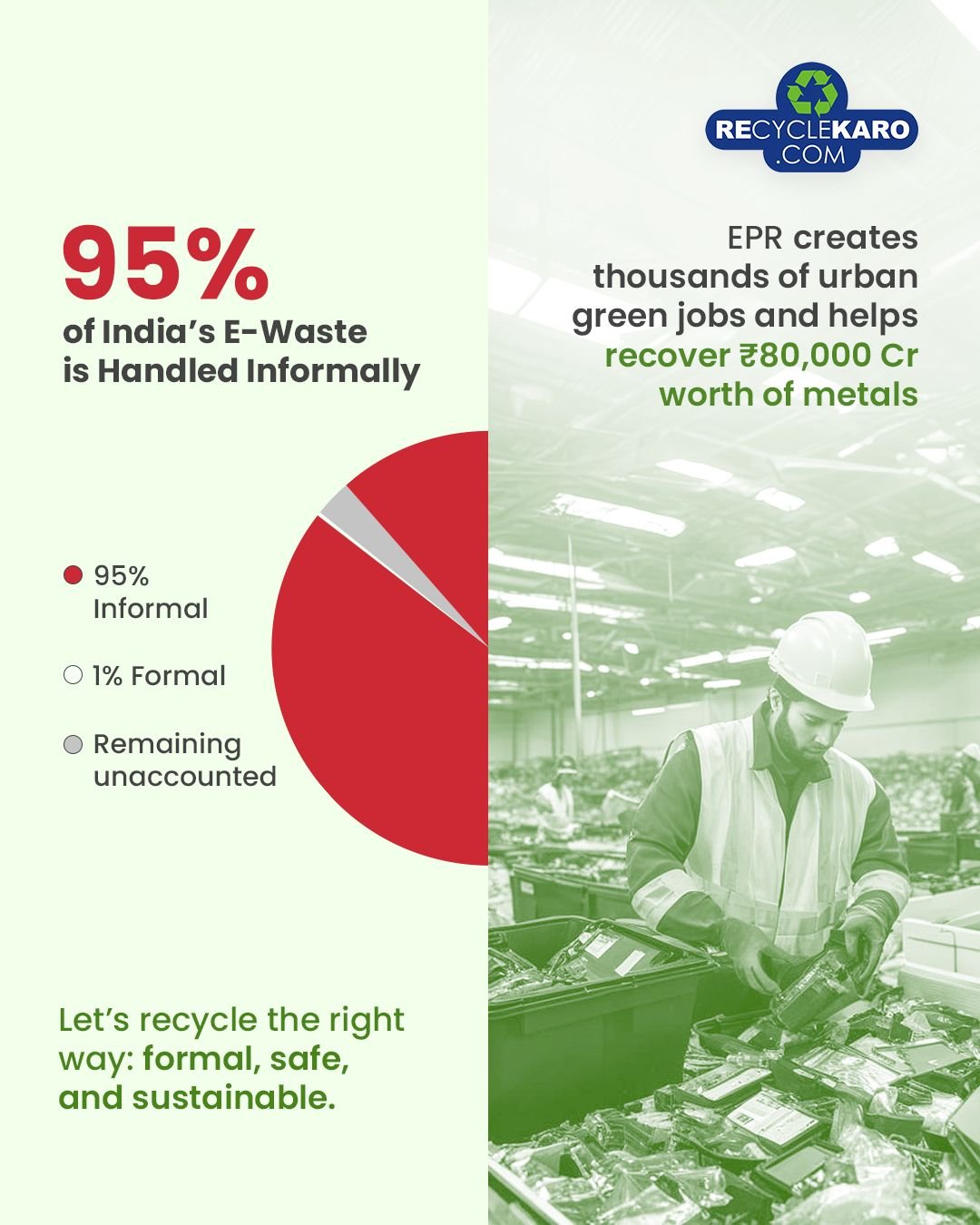
When a device reaches the end of its usefulness, responsible disposal becomes critical. Improperly discarded electronics often end up in informal recycling hubs where unsafe practices harm both workers and the environment. Instead, consumers should seek out authorized e-waste collection points, brand-run take-back programs, or government-certified recyclers. Even donating still-functional devices to NGOs or educational institutions can delay their entry into the waste stream and give them a second life.
- Buy fewer but better-quality gadgets designed for durability and repair.
- Extend product life through proper care and maintenance.
- Dispose of end-of-life electronics only through authorized recycling channels.
- Participate in manufacturer take-back schemes and collection drives.
- Donate functional devices to schools, community centers, or NGOs.
Being a responsible tech user means looking at the entire lifecycle of your gadgets—from selection and usage to final disposal. Every conscious choice helps ease the pressure on natural resources and supports a healthier e-waste management ecosystem. With awareness and small behavioral shifts, consumers can become powerful allies in the global push for sustainable electronics.
While producers are mandated to manage waste under EPR, consumer choices significantly influence the success of these systems. By choosing devices from compliant brands and properly disposing of outdated electronics, users actively contribute to a circular electronics economy and help reduce the environmental burden of e-waste.
Mindful Purchasing and Minimalism
Mindful purchasing is about making deliberate choices that prioritize long-term value and environmental impact over short-term convenience or impulse. In the context of electronics, this means resisting the frequent upgrade cycle that many brands encourage through marketing and planned obsolescence. Instead of chasing the latest model, consumers can ask themselves whether the new device offers significant functional improvements or if their current gadget can serve for a few more years with repairs or software updates.
Minimalism goes hand in hand with mindful tech consumption. By owning fewer devices and selecting multifunctional tools—like a smartphone that doubles as a camera and GPS, or a laptop that serves both work and entertainment—users can reduce the environmental burden associated with manufacturing, packaging, and disposing of excess electronics. This approach not only supports sustainability but often leads to better financial decisions and less digital clutter. Ultimately, embracing minimalism helps consumers align their tech habits with broader environmental goals, reducing demand for raw materials and energy while contributing to a circular economy.
Buy fewer, better devices. Avoid impulse gadget purchases and prioritize multifunctional, long-lasting items. Refraining from unnecessary upgrades not only saves money but also reduces overall consumption and the demand for virgin resources.
Recycling and Donating Responsibly
When a device reaches the end of its life, explore brand-run recycling programs, CPCB-approved collection centers, or donation channels like schools and NGOs. Avoid informal sector disposal, which often leads to improper dismantling and pollution.
Toward a Greener Future, One Gadget at a Time
The path to a more sustainable future doesn’t require massive overhauls overnight. It begins with conscious choices made by individuals, one gadget at a time. As technology continues to evolve, so too must our relationship with it—one that favors longevity, responsibility, and a clear understanding of the impact our purchases make. By choosing electronics designed with environmental responsibility in mind, consumers become active participants in a global movement toward sustainability.
EPR policies have created a strong framework for producers to take ownership of their products’ entire lifecycle. However, the real-world success of these systems depends heavily on public awareness and participation. When consumers select certified products, utilize take-back programs, and demand greater transparency from manufacturers, they help create market pressure for better practices and greener innovations. Over time, this demand can shift industry standards, encouraging more companies to integrate sustainability into their design and operations.
The shift doesn’t have to be overwhelming. Even small actions, when taken consistently, can have a meaningful cumulative impact. Every responsible disposal, every longer-lasting gadget, and every avoided unnecessary upgrade helps conserve energy, protect ecosystems, and reduce the strain on waste management systems.
- Support brands that demonstrate transparency and invest in circular design.
- Extend the life of your devices through repairs and updates.
- Spread awareness by helping others make informed tech choices.
Technology is an integral part of modern life, but it doesn’t have to come at the expense of the planet. As we move forward, let’s reimagine our gadgets not just as tools for convenience or productivity, but as products that reflect our values and our vision for a cleaner, more responsible world. With every mindful purchase and responsible action, we’re building that future—one gadget at a time.
E-waste is one of the fastest-growing waste streams, but with conscious consumer choices and EPR-driven design, we can reduce its impact. Whether you’re buying a new phone or a laptop, taking a few extra minutes to research the product’s environmental credentials can make a big difference. Choose smart. Choose sustainable. Let your next gadget reflect not just your tech needs, but your values too.
Leave a Reply