Understanding the Global Tyre Waste Problem
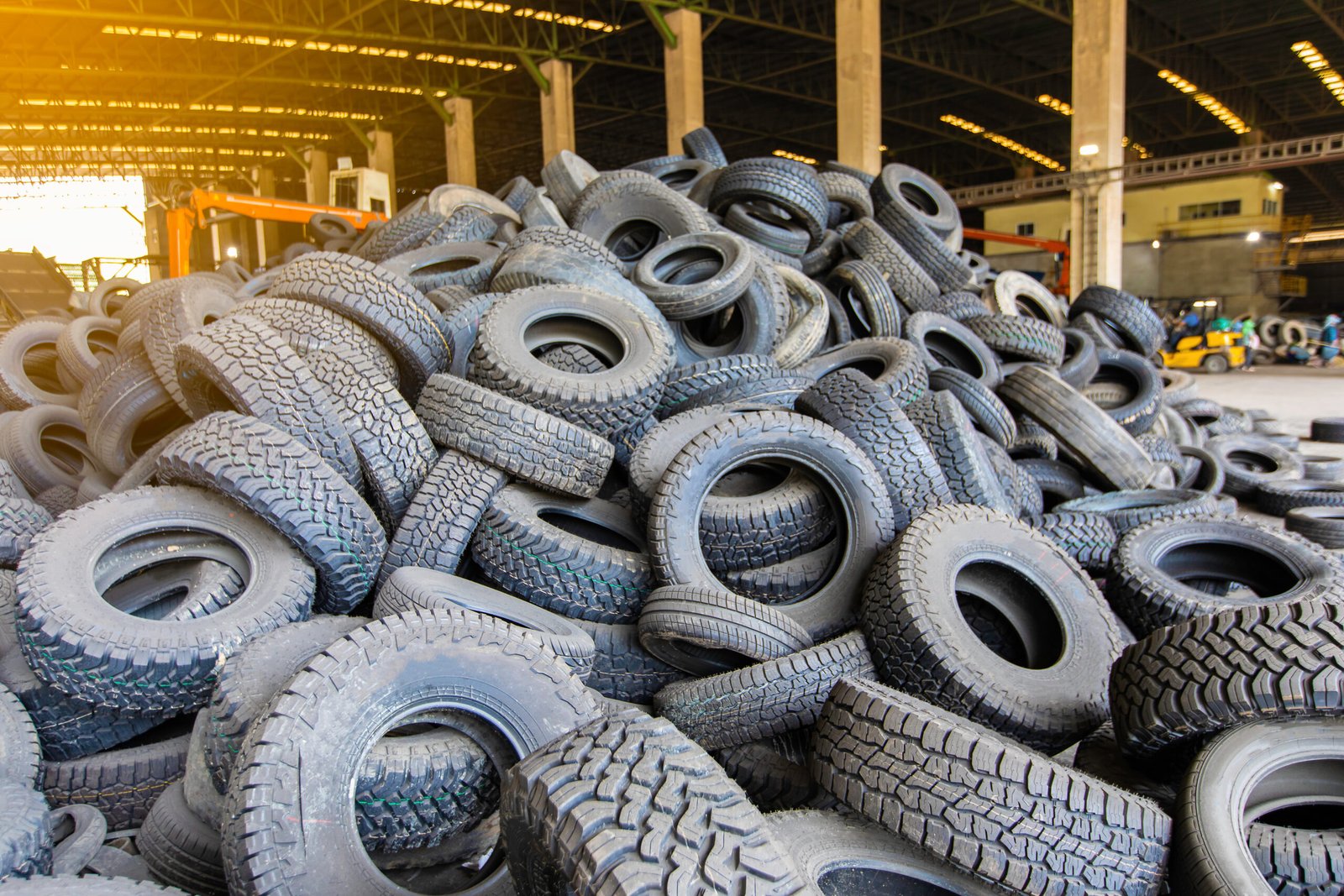
Every time a car rolls down the road, its tyres slowly wear out. Eventually, those tyres reach the end of their useful life and become waste tyres, also called end-of-life tyres (ELTs). While this may sound like a minor waste stream compared to plastic or food waste, the scale is actually staggering. Around the world, the automotive boom has produced a tidal wave of discarded tyres that cities, governments, and recycling industries are struggling to manage.
Globally, more than 1 billion tyres become waste each year, making tyre waste one of the fastest-growing environmental challenges tied to transportation. With the global vehicle population rising rapidly—especially in developing economies—the number of discarded tyres is expected to climb even further in the coming decades. By some estimates, up to 5 billion waste tyres could accumulate in landfills and stockpiles by 2030 if effective management strategies are not implemented.
India illustrates the scale of the problem vividly. The country generates 1.5–2 million tonnes of waste tyres annually, fueled by expanding vehicle ownership and growing logistics networks. Another estimate suggests the country produces more than 112 million waste tyres every year, placing enormous pressure on waste management systems.
The challenge isn’t simply the quantity of tyres. Their composition makes them incredibly difficult to dispose of responsibly. Tyres are engineered for durability—they contain complex blends of rubber, steel, synthetic polymers, and chemicals designed to withstand extreme stress. That same durability means they take hundreds of years to decompose, making landfill disposal neither practical nor sustainable.
Without effective recycling or recovery systems, discarded tyres pile up in open dumps, landfills, and illegal stockpiles. These stockpiles can become environmental hazards that linger for decades. In many countries, the lack of proper waste management infrastructure has turned tyre waste into a ticking environmental time bomb.
Environmental and Public Health Risks of Tyre Waste
At first glance, a pile of old tyres might not look particularly dangerous. Yet these piles are surprisingly destructive to ecosystems, human health, and local communities. When improperly managed, waste tyres become a source of air pollution, soil contamination, fire hazards, and disease outbreaks.
One of the most severe risks comes from tyre fires. Tyres burn extremely hot and release a toxic cocktail of chemicals including benzene, styrene, and heavy metals. Once ignited, tyre fires are notoriously difficult to extinguish and can smolder for weeks or even months. The smoke produced contains carcinogenic compounds that threaten nearby communities and emergency responders.
Another environmental danger is the contamination of soil and water. As tyres degrade slowly in landfills or open dumps, they can leach chemicals into the surrounding environment. Rainwater passing through tyre piles may carry harmful substances into groundwater systems, affecting agricultural land and drinking water sources.
Waste tyres also create unexpected public health problems. Their hollow shape traps rainwater, forming stagnant pools that become breeding grounds for mosquitoes. In many tropical regions, this has contributed to the spread of diseases such as dengue, malaria, and chikungunya.
These environmental risks demonstrate why tyre waste management is not merely a recycling issue—it’s a public health and climate challenge. Governments around the world are increasingly recognizing that leaving tyre disposal entirely to municipalities or informal sectors is unsustainable. A more structured and accountable system is needed, which is where policy tools like Extended Producer Responsibility (EPR) come into play.
Illegal Dumping and the Informal Recycling Economy
Illegal dumping remains one of the biggest obstacles to responsible tyre waste management. Even when recycling systems exist, the high costs associated with proper disposal often push waste into informal or illegal channels.
Imagine a transporter carrying a truckload of worn-out tyres. If recycling facilities charge fees for processing them, dumping the tyres in a remote field or abandoned quarry may appear cheaper and easier. Multiply that behavior across thousands of transporters, repair shops, and scrap dealers, and you suddenly have a massive environmental crisis unfolding quietly across the landscape.
In many countries, especially developing economies, tyre recycling is dominated by informal operators. While some informal recyclers play an important role in recovering valuable materials, others operate unsafe facilities with little oversight. In India, a large share of end-of-life tyres is processed through small pyrolysis units that convert tyres into fuel oil and carbon black.
These operations can be highly polluting if not properly regulated. Illegal pyrolysis plants often release toxic emissions, contaminate nearby soil and water, and expose workers to dangerous chemicals. Regulatory loopholes and weak enforcement have allowed many of these units to operate outside environmental standards.
Another complicating factor is international waste trade. Some developed countries export waste tyres to developing nations for “recycling,” but the actual processing conditions may be far from environmentally safe. In recent years, India has even seen a fivefold surge in waste tyre imports, increasing the burden on its waste management infrastructure.
These realities make it clear that traditional waste management policies alone cannot solve the tyre waste crisis. To reduce illegal dumping, the responsibility for waste must shift upstream—from municipalities to the companies that produce the tyres in the first place.
What Is Extended Producer Responsibility (EPR)?
Extended Producer Responsibility, commonly abbreviated as EPR, is an environmental policy concept designed to tackle waste at its source. Instead of leaving waste management entirely to governments or consumers, EPR makes manufacturers and producers responsible for the entire lifecycle of their products.
Think of it as a “polluter pays” principle applied to product design and waste management. If a company profits from selling tyres, it must also help finance or organize the recycling and disposal of those tyres once they reach the end of their life.
Under an EPR system, producers typically have several obligations:
-
Register with environmental authorities
-
Report the number of products sold
-
Ensure a certain percentage of waste is collected and recycled
-
Finance recycling programs or infrastructure
In many cases, producers fulfill these obligations by partnering with authorized recyclers, waste collectors, and compliance organizations. Governments track compliance through reporting systems and audits.
EPR schemes have been widely adopted in sectors such as electronics, plastics, batteries, and packaging. For tyres, these policies aim to create a closed-loop recycling ecosystem where manufacturers take an active role in ensuring responsible disposal.
In the European Union, for example, EPR schemes have significantly improved tyre collection and recycling rates. Evidence suggests that these systems reduce illegal dumping and stockpiling of tyres while increasing recovery rates for valuable materials.
India’s EPR Framework for Waste Tyres
Recognizing the scale of the tyre waste crisis, India introduced Extended Producer Responsibility regulations for waste tyres in 2022 under amendments to hazardous waste management rules. The policy aims to bring structure, accountability, and transparency to the tyre recycling ecosystem.
Under the new framework, producers, importers, and brand owners that sell tyres in India must ensure that an equivalent quantity of waste tyres is collected and recycled. This responsibility applies not only to domestic manufacturers but also to companies importing tyres into the country.
One of the most innovative aspects of the system is the digital EPR credit mechanism. Producers must purchase recycling certificates generated by registered recyclers. Each certificate represents a verified quantity of tyres that has been properly recycled.
How EPR Helps Prevent Illegal Tyre Dumping
The biggest advantage of EPR is that it changes the financial dynamics of waste management. Instead of municipalities bearing the cost of collecting and processing waste tyres, the responsibility shifts to the companies that produce them.
This shift has several important effects.
First, it introduces financial accountability. Producers must fund recycling programs or purchase recycling credits, making it economically beneficial to ensure tyres are collected rather than dumped illegally. If companies fail to meet their EPR obligations, they may face regulatory penalties.
Second, EPR improves traceability. Digital reporting systems track how many tyres are produced, sold, collected, and recycled. This transparency makes it harder for waste tyres to disappear into illegal dumping sites or unregulated facilities.
Third, EPR stimulates the development of formal recycling infrastructure. As demand for verified recycling grows, investors and entrepreneurs have stronger incentives to build environmentally compliant recycling plants.
These effects collectively help reduce the incentive for illegal dumping while strengthening legitimate recycling markets. Countries that have implemented strong EPR frameworks have seen significant improvements in tyre recovery rates and reductions in uncontrolled waste disposal.
The Circular Economy and Tyre Recycling Innovations
Modern recycling technologies are transforming how waste tyres are treated. Instead of being seen as useless waste, tyres are increasingly viewed as valuable raw materials within a circular economy.
Recycled tyre materials can be used in a surprising number of products. One common output is crumb rubber, which is produced by shredding tyres into small particles. This material is widely used in sports fields, playground surfaces, and asphalt roads.
Other innovative uses include:
-
Rubberized asphalt for longer-lasting roads
-
Flooring materials and insulation products
-
Fuel substitutes in cement kilns
-
Industrial carbon black recovery
Technological advances are also improving recycling efficiency. Processes such as advanced pyrolysis, devulcanization, and chemical recycling are allowing manufacturers to recover higher-quality materials from waste tyres.
These innovations are fueling the growth of the tyre recycling industry. The global tyre recycling market was valued at over $6 billion in 2024 and is projected to reach $7.29 billion by 2029, driven by stricter regulations and sustainability goals.
As recycling technologies improve, waste tyres may increasingly become a valuable resource rather than a pollution problem.
Challenges Still Facing Tyre Waste Management
Despite the promise of EPR policies and recycling innovations, significant challenges remain. One of the biggest obstacles is regulatory enforcement. Even the best-designed policies can fail if authorities lack the resources to monitor compliance and shut down illegal operations.
Illegal pyrolysis plants and informal recycling facilities continue to operate in many regions, often due to weak enforcement mechanisms. These facilities can undercut legitimate recyclers by avoiding environmental safeguards and operating costs.
Another challenge is the limited market demand for recycled rubber products. While recycled materials have many potential applications, market adoption sometimes lags behind supply. Without strong demand, recyclers may struggle to remain profitable.
There are also logistical challenges associated with collecting tyres from thousands of scattered sources, including garages, transport companies, and scrap dealers. Building efficient collection networks requires coordination between governments, producers, and waste management companies.
Addressing these challenges will require ongoing collaboration between policymakers, industry leaders, environmental groups, and consumers.
Future Outlook: Building a Sustainable Tyre Lifecycle
Looking ahead, the future of tyre waste management will likely revolve around stronger regulations, smarter recycling technologies, and greater industry collaboration.
Governments are expected to tighten enforcement of EPR regulations while expanding circular economy initiatives. Improved monitoring systems and digital platforms may help track tyre flows more effectively, reducing opportunities for illegal dumping.
At the same time, tyre manufacturers are beginning to rethink product design. Some companies are experimenting with sustainable materials, longer-lasting tyres, and easier-to-recycle compounds. These innovations could significantly reduce the environmental footprint of tyre production and disposal.
Consumer awareness will also play an important role. Vehicle owners, fleet operators, and repair shops must participate in responsible disposal systems. Something as simple as returning old tyres to authorized collection centers can help ensure they are properly recycled.
The tyre waste crisis didn’t appear overnight, and it won’t disappear instantly. But with the combined power of policy innovation, technological progress, and industry accountability, the world is beginning to move toward a more sustainable tyre lifecycle.
Conclusion
The global tyre waste crisis represents a complex environmental challenge driven by rising vehicle ownership, durable materials, and gaps in waste management systems. Discarded tyres can cause severe environmental damage—from toxic fires to mosquito-borne disease outbreaks—when they are dumped illegally or processed in unsafe facilities.
Extended Producer Responsibility is emerging as one of the most effective policy tools for tackling this problem. By shifting responsibility from municipalities to producers, EPR encourages companies to participate actively in recycling and waste management systems. The introduction of digital credit systems and stricter regulations has already begun to formalize tyre recycling markets in several countries.
While challenges remain—particularly around enforcement and market development—the combination of EPR policies, recycling technologies, and circular economy strategies offers a promising path forward. With continued collaboration between governments, industry, and consumers, the mountains of discarded tyres scattered across the planet could one day become valuable resources within a sustainable materials loop.
FAQs
1. What is tyre waste?
Tyre waste refers to end-of-life tyres (ELTs) that are no longer suitable for use on vehicles due to wear or damage. These tyres must be recycled, reused, or safely disposed of to avoid environmental harm.
2. Why are waste tyres dangerous for the environment?
Waste tyres can cause pollution through toxic fires, chemical leaching, and mosquito breeding sites, making them both an environmental and public health hazard.
3. What does EPR mean in tyre recycling?
Extended Producer Responsibility (EPR) is a policy that makes tyre manufacturers responsible for collecting and recycling tyres once they reach the end of their life.
Leave a Reply