Our Daily Dependence on Electronics
Look around you for a moment. Chances are you’re surrounded by electronics—your smartphone buzzing with notifications, a laptop glowing on your desk, wireless earbuds nearby, and maybe even a smartwatch on your wrist. Modern life is practically woven together with technology. These devices keep us connected, productive, entertained, and informed. Yet beneath the sleek glass screens and polished aluminum casings lies something far less glamorous: toxic materials that pose real risks to people and the planet.
The irony is striking. Technology promises progress, efficiency, and innovation, but it also hides environmental and health hazards. Every device we use—from smartphones to televisions—contains components built from a complex mixture of metals and chemicals. Many of these materials are hazardous when improperly handled or discarded. Because electronics are replaced faster than ever, the accumulation of toxic waste is accelerating at an alarming rate.
Imagine technology as a double-edged sword. On one side, it empowers humanity with unprecedented tools and connectivity. On the other, it quietly generates mountains of waste packed with dangerous substances. As our appetite for gadgets grows, so does the urgency to address the hidden dangers embedded in them. Understanding this issue is the first step toward responsible tech consumption.
Why Toxic Tech Is a Growing Concern
The concern about toxic electronics isn’t hypothetical—it’s backed by sobering statistics. In 2022 alone, the world generated 62 million tonnes of electronic waste, making it one of the fastest-growing waste streams on the planet. Alarmingly, only 22.3% of that e-waste was properly recycled, leaving the vast majority to accumulate in landfills or informal recycling sites.
Why does this matter? Because electronics aren’t ordinary trash. Unlike food scraps or paper, electronic devices contain hazardous substances like lead, mercury, and cadmium that can cause serious health and environmental problems. When devices are dumped in landfills or burned in informal recycling operations, these toxins can leach into soil, water, and air.
The problem is only getting worse. Global e-waste production is projected to reach 82 million tonnes by 2030, reflecting a dramatic increase driven by rapid technological upgrades and consumer demand. In other words, the more devices we buy, the larger the toxic footprint we leave behind.
This growing crisis raises uncomfortable questions. What exactly is inside our devices? How dangerous are these materials? And perhaps most importantly, what can we do to reduce the toxic impact of our digital lifestyles?
Understanding Electronic Waste (E-Waste)
What Counts as E-Waste
Electronic waste—often called e-waste—includes any discarded device that uses electricity or batteries. This category is surprisingly broad. It ranges from obvious items like smartphones, computers, and televisions to less obvious gadgets such as printers, headphones, digital cameras, and even smart home devices.
In simple terms, if it has a plug, battery, or circuit board, it will eventually become e-waste. The problem is that many of these devices contain dozens of materials that are difficult to separate or recycle safely. Circuit boards, lithium batteries, plastic casings, and metal components are often fused together in ways that make recycling complicated and expensive.
Another challenge lies in the rapid pace of technological obsolescence. Devices are designed with short life cycles, encouraging consumers to upgrade frequently. A smartphone might be replaced every two or three years, even though the hardware could last much longer. This constant churn fuels a massive stream of discarded electronics.
What makes e-waste particularly troubling is that it’s not just a waste management issue—it’s also a toxic pollution issue. When electronic devices are dismantled improperly, hazardous materials can escape into the environment, turning convenience into contamination.
Global E-Waste Statistics and Trends
The scale of the e-waste crisis is staggering. According to global monitoring reports, electronic waste is increasing by about 2.6 million tonnes every year worldwide. That’s equivalent to adding millions of additional discarded gadgets annually.
Even more concerning is the gap between waste generation and recycling. While recycling programs exist, many countries lack the infrastructure or regulations to handle the sheer volume of electronic waste. As a result, valuable materials—including gold, copper, and rare earth metals—are lost while toxic substances spread into the environment.
There’s also a significant economic dimension. Experts estimate that billions of dollars worth of recoverable materials are trapped in discarded electronics each year. Yet instead of being reclaimed responsibly, much of this waste ends up in landfills or informal recycling sectors.
These trends reveal a troubling paradox: electronics are becoming more advanced and valuable, yet our systems for handling their end-of-life disposal remain dangerously inadequate.
Toxic Materials Hidden Inside Modern Electronics
Heavy Metals in Electronic Devices
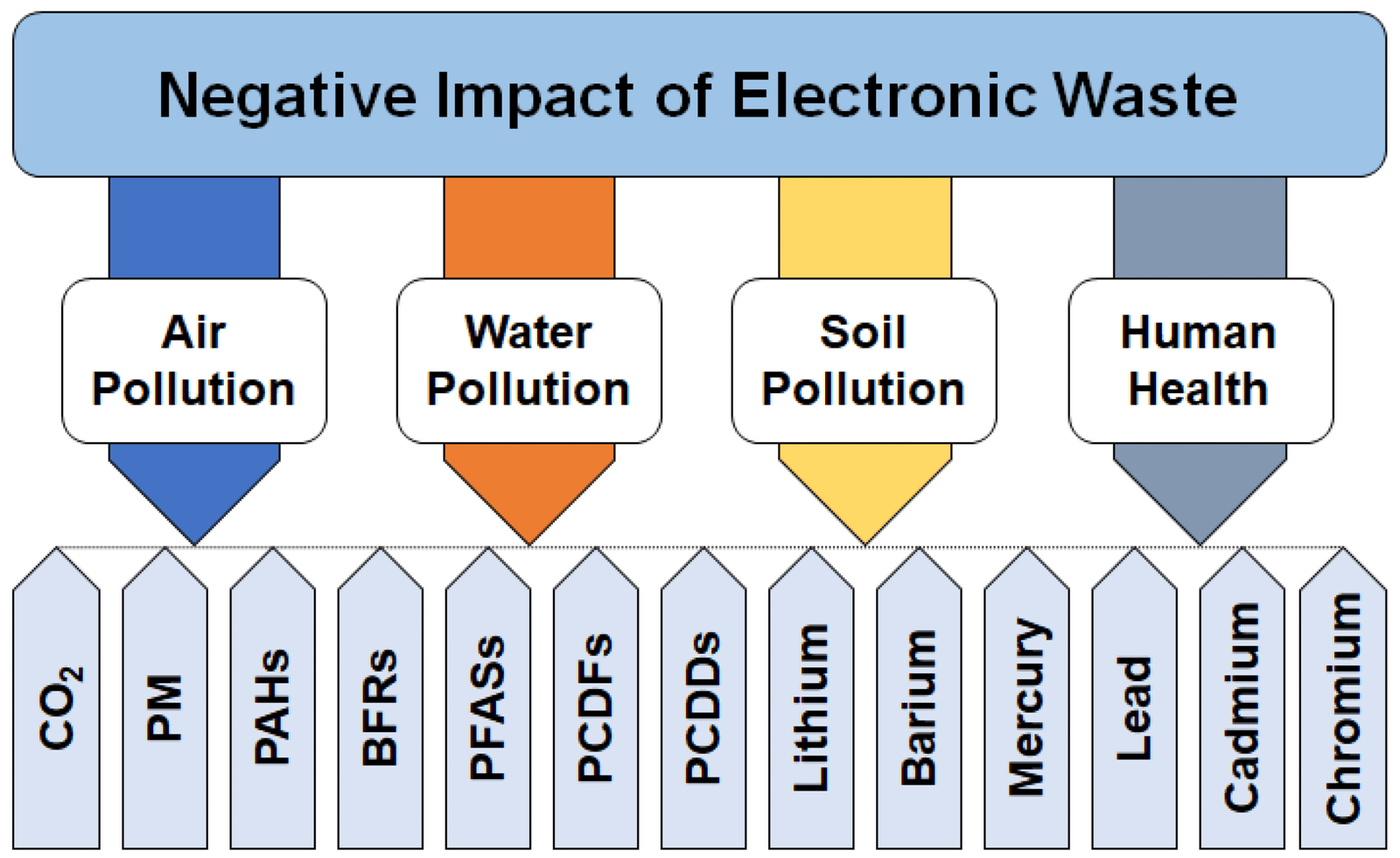
Many electronics contain heavy metals that make them function effectively but also make them hazardous when discarded improperly. The three most common toxic metals found in e-waste are lead, mercury, and cadmium.
These metals play important roles in electronic manufacturing, such as improving conductivity, stabilizing components, or enhancing durability. However, their toxic nature means they must be handled with extreme care during recycling or disposal.
Lead
Lead is one of the most prevalent toxic metals in electronic devices. It is commonly used in solder, circuit boards, and certain types of batteries. While lead helps ensure stable electrical connections, exposure to it can cause serious health problems.
Research shows that lead exposure can damage the brain, kidneys, and nervous system. Children are particularly vulnerable because their developing brains are highly sensitive to toxic metals. Even small amounts of lead exposure can lead to reduced IQ, behavioral problems, and learning difficulties.
Mercury
Mercury is another hazardous material commonly found in electronics, particularly in LCD screens, fluorescent lighting, and some batteries. This metal is highly toxic and can accumulate in ecosystems, contaminating fish and water supplies.
When mercury enters the human body, it can disrupt the nervous system and impair cognitive function. Long-term exposure has been linked to memory loss, tremors, and developmental problems.
Cadmium
Cadmium appears in rechargeable batteries, semiconductors, and certain electronic coatings. Although useful for improving battery performance, cadmium is highly toxic to humans.
Exposure can damage kidneys, weaken bones, and increase the risk of cancer. Because cadmium can persist in the environment for decades, improper disposal of electronic devices can create long-term contamination.
Dangerous Chemical Compounds
Heavy metals aren’t the only toxic ingredients hiding in electronics. Many devices also contain brominated flame retardants, chlorinated compounds, and other synthetic chemicals designed to improve fire resistance or durability.
These compounds can become extremely dangerous when electronics are burned or dismantled improperly. For example, burning plastic components can release dioxins and polycyclic aromatic compounds, which are known carcinogens.
The combination of heavy metals and hazardous chemicals creates a toxic cocktail that can affect ecosystems and human health if not managed responsibly.
How Toxic Electronics Harm Human Health
Neurological and Developmental Risks
The most alarming impact of toxic electronics is their effect on human health, especially the brain and nervous system. Many substances found in e-waste are neurotoxic, meaning they can interfere with the normal functioning of the nervous system.
For example, lead and mercury exposure can disrupt the development of the central nervous system, particularly in children and unborn babies. These toxins can affect cognitive development, memory, attention, and learning ability.
Imagine a child growing up near an informal recycling site where electronic waste is burned or dismantled by hand. The air may contain microscopic particles of toxic metals and chemicals. Over time, inhaling or ingesting these pollutants can lead to serious developmental problems.
This issue highlights the intersection of technology and environmental justice. Communities involved in informal recycling—often in developing countries—are disproportionately exposed to toxic materials.
Long-Term Health Consequences
Beyond neurological damage, toxic electronics can trigger a range of long-term health problems. Exposure to hazardous substances from e-waste has been linked to cancer, kidney damage, immune system disruption, and reproductive problems.
Workers involved in dismantling electronics are particularly at risk. Many informal recycling operations lack protective equipment or safety standards. Workers may manually break apart devices, burn plastic casings, or use acid baths to extract valuable metals.
These practices release dangerous fumes and contaminants, creating a toxic working environment. Over time, repeated exposure can result in chronic illnesses that affect not only workers but also nearby communities.
Environmental Impact of Toxic Electronics
Soil and Water Contamination
When electronic waste ends up in landfills, toxic substances can seep into surrounding soil and groundwater. Metals like lead and mercury are especially dangerous because they do not break down easily in the environment.
Instead, they accumulate in ecosystems and enter the food chain. Plants absorb contaminated soil, animals consume contaminated plants, and eventually humans ingest these toxins through food and water.
This process, known as bioaccumulation, can amplify the concentration of toxins at each level of the food chain. Over time, even small amounts of pollution can lead to widespread environmental damage.
Air Pollution from Informal Recycling
In many parts of the world, e-waste is recycled informally by burning electronic components to recover metals. While this method is cheap and simple, it releases toxic fumes into the atmosphere.
Burning circuit boards and plastic casings produces hazardous gases and fine particulate matter. These pollutants contribute to air pollution and can cause respiratory illnesses.
The result is a toxic cycle: electronics designed to improve our lives end up degrading the environment we depend on.
The Global E-Waste Crisis
Why E-Waste Is the Fastest-Growing Waste Stream
Electronic waste is growing faster than any other type of waste because technology evolves rapidly. Devices become outdated quickly, and manufacturers constantly release new models with improved features.
This cycle of planned obsolescence and consumer upgrades fuels a continuous stream of discarded electronics. As incomes rise and digital connectivity spreads, more people around the world are purchasing gadgets than ever before.
Unfortunately, recycling systems have not kept pace with this growth. Without stronger policies and infrastructure, the gap between waste generation and safe disposal will continue to widen.
The Hidden Economy of Electronic Waste
E-waste isn’t just an environmental problem—it’s also an economic opportunity. Discarded electronics contain valuable materials such as gold, silver, copper, and rare earth elements.
Recovering these resources could reduce the need for mining and create sustainable industries. Yet much of this potential value is lost due to inefficient recycling systems.
Developing a circular economy for electronics—where devices are repaired, reused, and recycled responsibly—could transform the e-waste crisis into a resource opportunity.
Solutions to the Toxic Tech Problem
Responsible Recycling and Circular Economy
One of the most effective ways to reduce toxic tech is through proper recycling and circular manufacturing. Instead of throwing devices away, they should be processed in certified facilities that safely extract valuable materials while preventing toxic pollution.
Governments and manufacturers also play a crucial role. Policies such as extended producer responsibility (EPR) require companies to take responsibility for recycling their products. This encourages manufacturers to design devices that are easier to repair and recycle.
The concept of a circular economy goes even further by emphasizing repair, refurbishment, and reuse. Rather than treating electronics as disposable, this approach treats them as valuable resources.
How Consumers Can Reduce Toxic Tech Impact
Consumers also have significant power in addressing toxic electronics. Small decisions can make a big difference when millions of people adopt them.
For example, extending the lifespan of devices by repairing rather than replacing them reduces waste significantly. Purchasing refurbished electronics also helps reduce demand for new resource extraction.
Responsible disposal is equally important. Many cities offer e-waste collection programs that ensure electronics are recycled safely.
When consumers, manufacturers, and governments work together, the toxic tech problem becomes far more manageable.
Conclusion
Technology has transformed modern life, but it also carries hidden consequences. Beneath the convenience of smartphones, laptops, and smart devices lies a complex web of toxic materials that can harm both human health and the environment. As electronic waste continues to grow worldwide, the risks associated with toxic tech become increasingly urgent.
The good news is that solutions exist. Responsible recycling, better product design, stronger regulations, and conscious consumer behavior can dramatically reduce the toxic impact of electronics. Instead of viewing devices as disposable tools, society must begin treating them as valuable resources within a sustainable system.
The future of technology shouldn’t come at the cost of our planet or our health. By confronting the hidden dangers of toxic electronics today, we can build a smarter, cleaner, and more responsible digital world tomorrow.
FAQs
1. What is toxic tech?
Toxic tech refers to electronic devices that contain hazardous materials such as lead, mercury, cadmium, and brominated flame retardants that can harm human health and the environment if improperly handled.
2. Why is electronic waste dangerous?
Electronic waste is dangerous because it contains toxic metals and chemicals that can contaminate soil, water, and air when devices are dumped or burned.
3. What are the most toxic materials in electronics?
The most common toxic materials in electronics include lead, mercury, cadmium, chromium, and brominated flame retardants.
Leave a Reply