Why End-of-Life Tyres Are an Environmental Threat
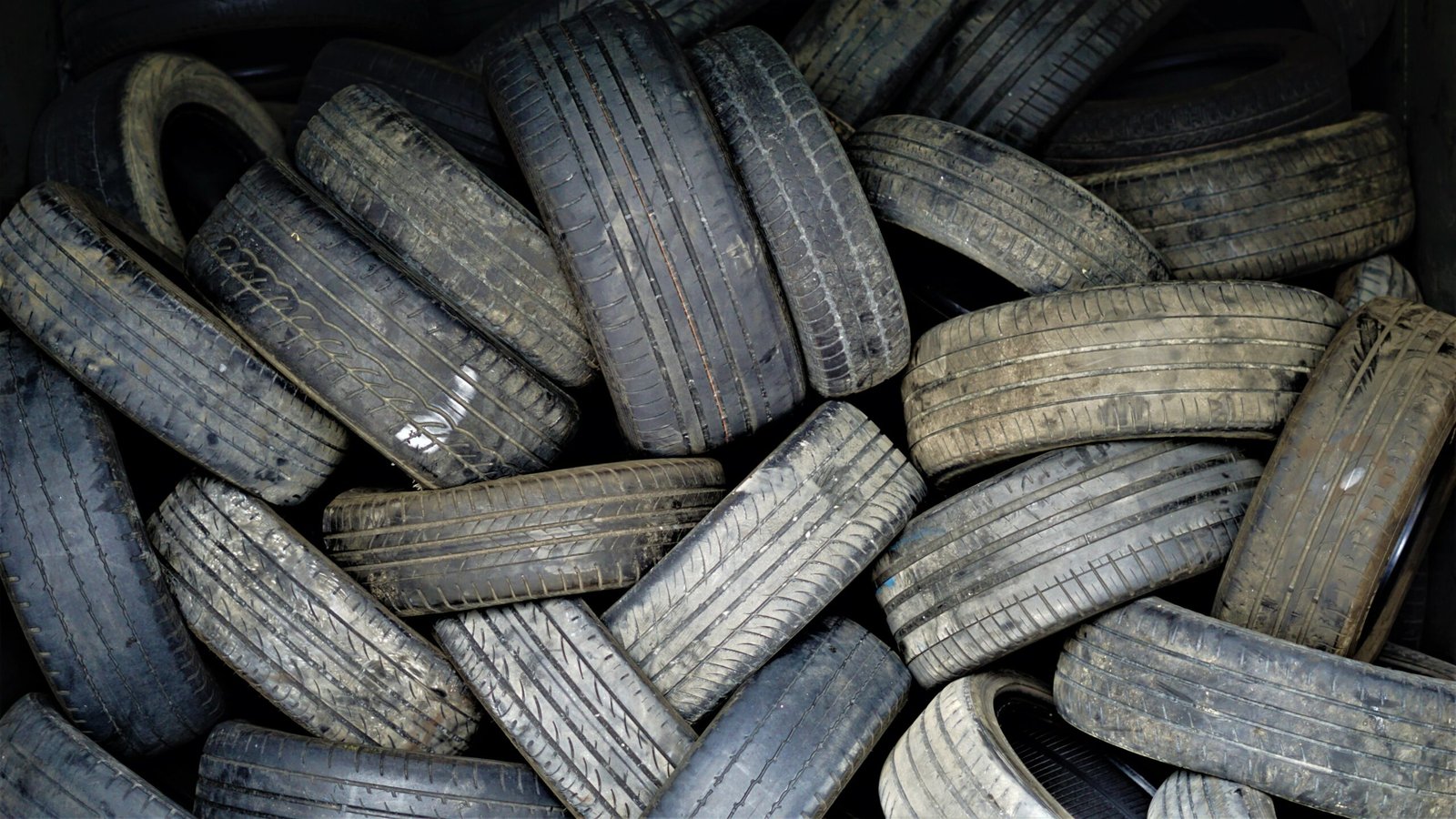
Take a moment and imagine the sheer number of vehicles on Indian roads today. From two-wheelers buzzing through narrow streets to heavy trucks hauling goods across the country, each vehicle depends on tyres that eventually wear out. When those tyres reach the end of their life, they don’t simply disappear. Instead, they often pile up in scrapyards, open dumps, or illegal landfills. Over time, these discarded tyres become a silent but serious environmental threat.
Tyres are extremely durable products. They are designed to withstand intense friction, heat, and pressure on roads. That same durability makes them notoriously difficult to break down naturally. A single tyre can take decades to degrade in the environment, and during that time it can release toxic chemicals into soil and water. If burned improperly—a common practice in unregulated recycling—it produces harmful emissions that contribute to air pollution and respiratory health issues.
Another hidden danger comes from the shape of tyres themselves. Their hollow structure easily traps rainwater, creating breeding grounds for mosquitoes and other disease-carrying insects. In densely populated regions, large tyre dumps can quickly become public health hazards. Add to that the fact that tyre fires are extremely difficult to extinguish, and the environmental risk becomes even more serious.
India’s growing vehicle ownership means the problem is only getting bigger. Without structured systems for collecting, processing, and recycling used tyres, millions of end-of-life tyres could continue accumulating in the environment. That is precisely why policymakers began searching for a more responsible and sustainable approach to tyre waste management.
Scale of the Tyre Waste Challenge
The scale of tyre waste in India is staggering, and it’s closely tied to the rapid expansion of the country’s automotive sector. As the economy grows and transportation demand increases, more vehicles hit the road every year. Naturally, this leads to a surge in discarded tyres once they wear out.
Estimates suggest India generates roughly 1.5 million tonnes of end-of-life tyres annually, making it one of the largest producers of tyre waste in the world. The challenge becomes even more complex because a large portion of this waste is handled by informal or poorly regulated recycling operations. Many of these facilities rely on crude processes such as open burning or unsafe pyrolysis methods that release pollutants into the air.
Historically, only a fraction of tyre waste was processed through formal recycling channels. In fact, reports indicate that less than 1% of tyre recycling costs were historically borne by tyre producers themselves, leaving the burden largely on informal waste systems. That imbalance created an unsustainable model where environmental damage was essentially externalized.
The growth of e-commerce logistics, infrastructure development, and ride-sharing services has further increased tyre consumption. Trucks and commercial vehicles require frequent tyre replacements due to heavy loads and long travel distances. Two-wheelers and passenger cars, which dominate India’s vehicle fleet, also contribute significantly to the total volume of used tyres.
When you multiply these factors across a country of over a billion people, the magnitude becomes clear. Mountains of discarded rubber represent both an environmental crisis and a massive untapped resource. Recognizing this dual reality led India to adopt a powerful policy tool designed to shift responsibility where it belongs: Extended Producer Responsibility (EPR).
Understanding Extended Producer Responsibility (EPR)
What EPR Means for the Tyre Industry
Extended Producer Responsibility, often abbreviated as EPR, is a policy concept that flips the traditional waste management model on its head. Instead of leaving governments and municipalities to deal with discarded products, EPR places the responsibility on the companies that produce and sell them. In other words, if you manufacture tyres, you must also ensure they are safely managed once they reach the end of their useful life.
This approach fundamentally changes the economics of waste. Under EPR, producers and importers are required to create systems for collecting, recycling, or disposing of used tyres in an environmentally sound manner. Rather than viewing waste management as someone else’s problem, manufacturers become active participants in the recycling ecosystem.
For the tyre industry, the implications are significant. Producers must now track the volume of tyres they introduce into the market and ensure an equivalent amount is processed through authorized recycling channels. They can do this either by setting up their own collection networks or by purchasing recycling credits from certified recyclers.
Think of EPR as a circular accountability system. The more tyres a company sells, the more responsibility it carries for managing the resulting waste. This creates strong incentives to design more durable tyres, promote retreading, and support advanced recycling technologies.
Ultimately, EPR encourages a circular economy where materials remain in use for as long as possible rather than ending up in landfills. Instead of viewing waste tyres as a problem, the policy pushes businesses to treat them as valuable resources that can be transformed into new products and energy.
Legal Framework Behind India’s Tyre EPR Rules
India formally introduced EPR for waste tyres through amendments to the Hazardous and Other Wastes (Management and Transboundary Movement) Rules in 2022. These rules were issued by the Ministry of Environment, Forest and Climate Change (MoEFCC) to address the mounting environmental risks associated with discarded tyres.
Under the regulations, tyre producers, importers, and brand owners must register with the Central Pollution Control Board (CPCB) and comply with annual recycling obligations. The CPCB also operates a dedicated digital portal that tracks compliance and facilitates the trading of recycling certificates between companies and recyclers.
The policy introduced phased recycling targets to help the industry gradually adapt. Initially, companies were required to manage a portion of the tyres they sold. Over time, those obligations increased significantly. By the financial year 2024-25, the recycling responsibility reaches 100% of the quantity of tyres manufactured or imported.
This means that for every tonne of tyres sold in India, an equivalent amount must eventually be recycled through approved facilities. Producers that fail to meet their obligations can face environmental penalties, suspension of registration, or other regulatory actions.
To make enforcement transparent and efficient, the government introduced a digital certificate system. Every tonne of tyres processed by authorized recyclers generates a tradable EPR certificate that producers can purchase to offset their obligations. This system creates a market-based mechanism for recycling while ensuring accountability across the entire supply chain.
This structured timeline ensured that companies could adapt without causing sudden disruptions to the market. By 2024-25, however, producers must ensure that the entire quantity of tyres they introduce into the market is eventually recycled.
The rules also include special provisions for new manufacturers entering the market. Companies established after April 2022 are required to meet full compliance within a few years of operation. This ensures that newer entrants do not gain unfair advantages by avoiding environmental responsibilities.
Another important element is the requirement for regular reporting. Companies must submit quarterly and annual returns detailing their tyre sales, collection activities, and recycling compliance. These reports are filed through the CPCB’s digital EPR portal, which allows regulators to monitor progress and identify violations.
The Digital EPR Certificate Trading System
A standout innovation within India’s tyre EPR framework is the EPR certificate trading mechanism. Instead of forcing every manufacturer to run its own recycling facilities, the system allows specialized recyclers to process tyres and generate credits.
Here’s how it works:
-
Authorized recyclers process waste tyres into approved products such as crumb rubber, reclaimed rubber, or pyrolysis oil.
-
For every tonne of tyres recycled, the recycler receives an EPR certificate.
-
Tyre producers purchase these certificates to demonstrate compliance with their recycling obligations.
This digital marketplace connects waste generators with recycling businesses, effectively creating an economic incentive for sustainable waste management. According to industry estimates, recyclers can earn an additional 10–15% profit margin annually from EPR certificate sales, making recycling operations more financially viable.
The entire process is tracked through the CPCB portal, ensuring transparency and preventing fraudulent reporting. This digital governance model represents a major shift from traditional waste management systems that relied heavily on manual oversight.
Roles and Responsibilities Under the EPR Framework
Duties of Tyre Producers and Importers
Under India’s EPR regime, tyre producers and importers carry the primary responsibility for managing waste generated by their products. This represents a major shift from the past, where companies focused solely on manufacturing and sales while leaving waste disposal to municipal systems.
Manufacturers must begin by registering with the Central Pollution Control Board. Once registered, they must track the volume of tyres they produce or import each year. This information forms the basis for calculating their recycling obligations. Companies are also required to maintain documentation, submit regular reports, and ensure transparency in their waste management activities.
To meet these obligations, producers can adopt several strategies. Some companies establish their own collection networks to gather used tyres from dealerships, service centers, and scrap markets. Others partner with specialized recycling firms that process tyres into reusable materials. A large number rely on the EPR certificate trading system, purchasing credits from authorized recyclers to offset their responsibilities.
Financial accountability is another crucial aspect of the policy. Producers must allocate funds for recycling activities, effectively internalizing the environmental costs of their products. This economic pressure encourages companies to design tyres that last longer, are easier to retread, or contain recyclable materials.
The Role of Recyclers and Retreaders
While producers bear the legal responsibility, recyclers and retreaders form the backbone of the EPR ecosystem. These businesses transform discarded tyres into useful materials, helping close the loop in the circular economy.
Recyclers process waste tyres using various technologies. Mechanical recycling methods grind tyres into crumb rubber that can be used in road construction, playground surfaces, and sports tracks. Chemical recycling processes convert tyres into oil, gas, and carbon black, which can serve as raw materials in industrial manufacturing.
Retreaders play a different but equally important role. Instead of recycling tyres immediately, they extend their lifespan by replacing worn treads with new rubber. This practice is especially common for commercial truck tyres, which are designed to be retreaded multiple times. By prolonging the life of tyres, retreading reduces the overall volume of waste entering the recycling stream.
Both recyclers and retreaders must also register with the CPCB portal and submit detailed operational reports. This ensures that all processing activities comply with environmental standards and that recycling data remains transparent.
How EPR Is Transforming the Tyre Recycling Industry
Rise of Circular Economy Models
The introduction of tyre EPR rules is pushing India toward a circular economy—a system where resources are reused, recycled, and regenerated rather than discarded. Instead of viewing tyres as single-use products, companies are beginning to consider their entire lifecycle.
This shift has encouraged new collaborations between tyre manufacturers, waste management companies, and technology providers. Producers are investing in recycling partnerships and exploring innovative ways to recover valuable materials from old tyres. At the same time, startups and entrepreneurs are entering the market with specialized recycling solutions.
Circular economy thinking also promotes product redesign. Some tyre manufacturers are experimenting with alternative materials, improved durability, and designs that make recycling easier. These innovations could significantly reduce the environmental footprint of the automotive industry in the long run.
Growth of Innovative Recycling Technologies
Technology is playing a major role in making tyre recycling more efficient and environmentally friendly. Traditional recycling methods often relied on crude pyrolysis techniques that released harmful emissions. Today, modern facilities use advanced processes that minimize pollution while maximizing material recovery.
Some recycling plants employ cryogenic grinding, which freezes tyres before breaking them into fine rubber particles. Others use controlled pyrolysis reactors that convert tyres into fuel oil, carbon black, and steel while capturing emissions. These technologies allow recyclers to extract valuable resources from what was once considered waste.
As EPR policies guarantee a steady supply of recyclable tyres and create financial incentives through certificate trading, investment in recycling technology is increasing rapidly. This technological evolution is transforming tyre waste from an environmental burden into a valuable industrial resource.
Economic Opportunities from Waste Tyres
New Business Models and Startups
The tyre EPR framework has opened the door to entirely new business opportunities. Recycling companies, logistics providers, and technology startups are entering the waste management ecosystem, attracted by the growing demand for sustainable solutions.
Entrepreneurs are developing innovative products made from recycled rubber, including construction materials, road asphalt additives, sports surfaces, and even fashion accessories. These products not only reduce waste but also create additional revenue streams from recycled materials.
The EPR certificate market itself has become a new economic sector. Recyclers that process large volumes of tyres can generate and sell certificates to producers, creating a predictable income source. This financial model encourages investment in larger and more efficient recycling facilities.
Job Creation in Recycling and Logistics
The growth of the tyre recycling industry is also creating thousands of new jobs across India. Waste collection networks require workers to gather, transport, and sort used tyres from various locations. Recycling plants employ technicians, engineers, and machine operators to process materials.
Beyond direct employment, the industry supports ancillary services such as equipment manufacturing, environmental consulting, and digital compliance management. As recycling capacity expands, these sectors are likely to experience continued growth.
Environmental Benefits of the Tyre EPR System
Reduction in Illegal Dumping and Burning
One of the most immediate benefits of EPR regulations is the reduction in illegal tyre dumping and open burning. Since producers are legally responsible for recycling their products, they have strong incentives to ensure tyres are collected and processed through authorized channels.
This reduces the likelihood of tyres being abandoned in landfills, roadside dumps, or vacant lots. It also discourages unregulated recycling operations that burn tyres to recover fuel, a practice that releases toxic pollutants into the atmosphere.
Lower Carbon Footprint Through Recycling
Recycling tyres also helps reduce the carbon footprint associated with rubber production. Natural rubber extraction and synthetic rubber manufacturing both require significant energy and resources. By reusing materials from old tyres, manufacturers can reduce their reliance on virgin raw materials.
Additionally, recycled rubber products often require less energy to produce than their traditional counterparts. This contributes to lower greenhouse gas emissions and supports global climate goals.
Challenges and Criticisms of the EPR Policy
Informal Sector Integration Issues
Despite its many advantages, the tyre EPR system still faces challenges. One of the most significant is the integration of the informal recycling sector. For decades, small operators and scrap dealers have played a major role in collecting and processing used tyres.
Transitioning these workers into formal systems requires training, regulatory support, and financial assistance. Without careful planning, stricter regulations could disrupt livelihoods for thousands of people who depend on the tyre recycling trade.
Compliance Costs and Market Adjustments
Another concern involves compliance costs for manufacturers. Meeting EPR obligations requires investment in reporting systems, recycling partnerships, and certificate purchases. Smaller companies may struggle to adapt to these new requirements.
However, many experts argue that these costs simply reflect the true environmental price of tyre production. By internalizing waste management expenses, the industry moves closer to sustainable and responsible manufacturing practices.
Future of Tyre Waste Management in India
Policy Evolution and Circular Economy Vision
India’s tyre EPR framework is still evolving, and policymakers continue to refine regulations based on industry feedback and environmental needs. Future updates may introduce stricter recycling standards, improved monitoring systems, and incentives for advanced recycling technologies.
At the same time, the broader vision extends beyond tyres. Similar EPR models are already being implemented for plastics, batteries, and electronic waste. Together, these policies aim to create a nationwide circular economy where materials remain in use for as long as possible.
If implemented effectively, tyre EPR rules could transform India into a global leader in sustainable waste management. Instead of viewing waste as a problem, the country could harness it as a valuable resource that fuels economic growth and environmental protection.
Conclusion
India’s Extended Producer Responsibility rules for tyres represent a turning point in the country’s approach to waste management. By shifting responsibility from governments to producers, the policy creates powerful incentives for recycling, innovation, and sustainable manufacturing. What was once seen as an environmental nuisance—mountains of discarded tyres—is now emerging as a valuable resource within a growing circular economy.
The transition is not without challenges. Integrating informal recycling networks, ensuring compliance across thousands of companies, and building modern recycling infrastructure will require sustained effort. Yet the direction is clear. EPR policies are pushing the tyre industry toward greater accountability while unlocking new economic opportunities in recycling and resource recovery.
In the coming years, India’s tyre waste management system could become a model for other developing economies facing similar environmental challenges. By transforming old tyres into new opportunities, the country is proving that smart policy can turn waste into wealth.
FAQs
1. What is Extended Producer Responsibility (EPR) for tyres?
EPR is a policy that requires tyre manufacturers and importers to manage the recycling or safe disposal of tyres once they reach the end of their life. This ensures producers take responsibility for the environmental impact of their products.
2. When did India implement EPR for waste tyres?
India introduced EPR for tyres in 2022 through amendments to the Hazardous and Other Wastes Management Rules issued by the Ministry of Environment, Forest and Climate Change.
3. What are EPR certificates in tyre recycling?
EPR certificates are digital credits generated when authorized recyclers process waste tyres. Producers purchase these certificates to demonstrate compliance with their recycling obligations.
Leave a Reply