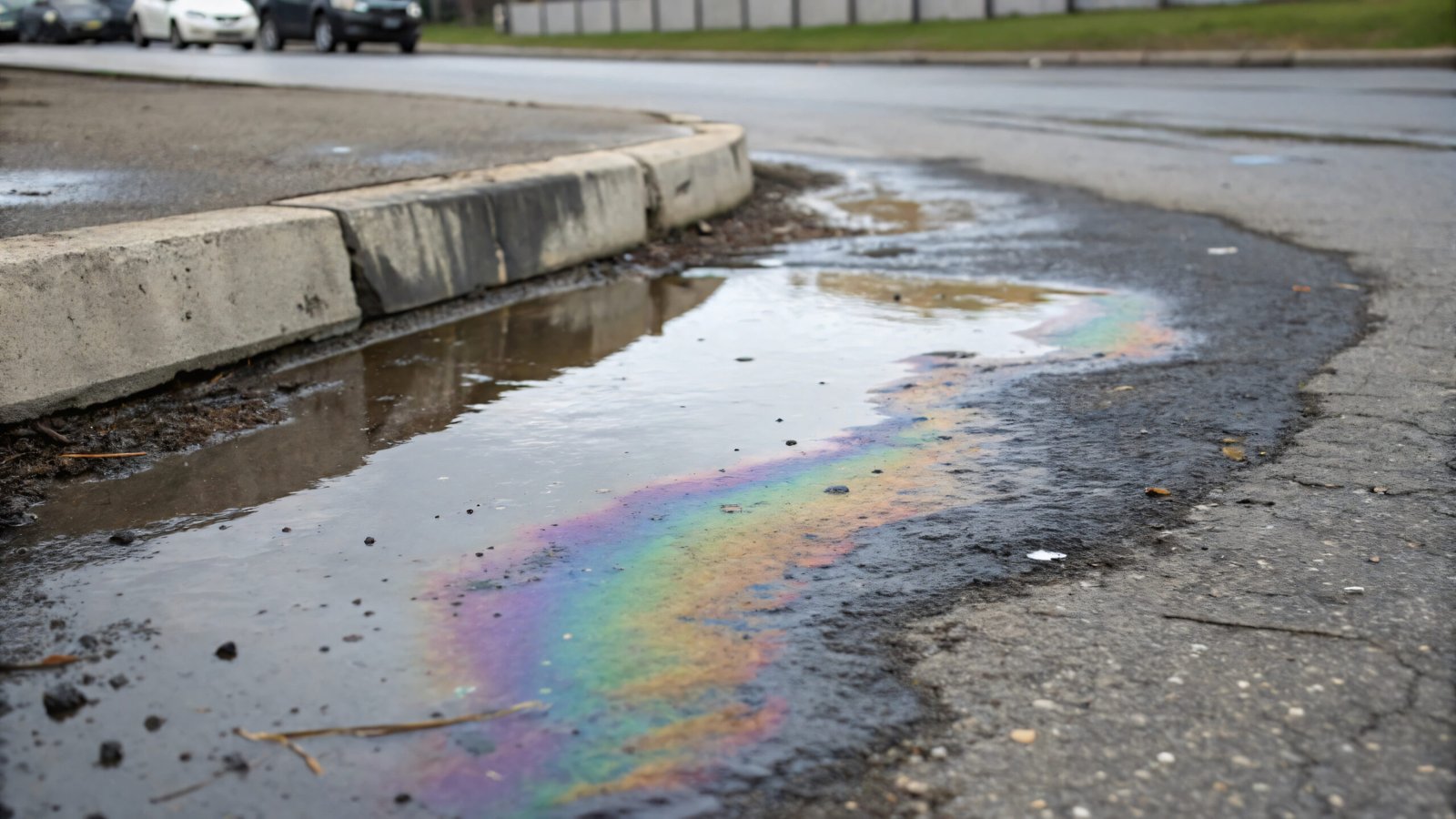
Uncovering the Real Cost of Careless Oil Disposal
Used oil is one of the most overlooked yet hazardous types of waste generated across industries and households. Whether it’s engine oil from vehicles, lubricants from heavy machinery, or hydraulic fluids from manufacturing units, these substances, once spent, contain a cocktail of toxic pollutants. Unfortunately, much of this waste ends up being disposed of improperly—poured into drains, dumped on open land, or burned in open air—creating a chain reaction of environmental harm that is often invisible until the damage becomes severe.
Improper disposal practices are widespread in developing economies, including India, where regulatory enforcement is often weak and awareness is low. A litre of used oil can contaminate up to one million litres of water, making it a potent pollutant. Once released into the environment, oil waste infiltrates ecosystems, disrupts microbial balance in soil, and pollutes rivers, lakes, and groundwater. The toxicity doesn’t stop at the environment—it extends to people, animals, and food systems.
The issue is exacerbated by the informal recycling sector, which often lacks the infrastructure to manage oil safely. Many small workshops and garages either discard used oil irresponsibly or reuse it without treating it, releasing heavy metals and carcinogens into the air or water. This not only endangers workers and surrounding communities but also undermines the potential for a sustainable, circular approach to oil use.
- Oil dumped into drains clogs sewers and pollutes waterways, affecting aquatic life.
- Land disposal leads to long-term soil degradation and reduced agricultural productivity.
- Airborne pollutants from burning oil contribute to respiratory illnesses and air quality deterioration.
The true cost of careless oil disposal goes beyond visible pollution. It includes ecosystem degradation, public health risks, economic losses from contaminated resources, and the missed opportunity to recover valuable base oil through re-refining. Without intervention, the cumulative impact could compromise biodiversity, food safety, and clean water access for generations to come. Recognizing this, India has introduced Extended Producer Responsibility (EPR) rules to ensure oil is managed safely throughout its lifecycle. But for EPR to be effective, the scale and seriousness of the environmental threat must be fully understood—and that starts with acknowledging the real cost of improper disposal.
Used oil may seem harmless once drained from an engine or industrial machine, but when disposed of improperly, it becomes a serious environmental hazard. Every year, millions of litres of waste oil end up in soil, water bodies, or open drains—leading to long-term damage to ecosystems and human health. This blog explores the hidden impacts of improper oil disposal and why Extended Producer Responsibility (EPR) is vital for addressing this overlooked issue.
The Environmental Fallout: What Happens When Oil Enters the Ecosystem
Once oil waste escapes regulated disposal channels and enters the environment, it sets off a cascade of harmful effects. Unlike biodegradable organic waste, used oil contains persistent and toxic compounds such as lead, cadmium, arsenic, and polycyclic aromatic hydrocarbons (PAHs). These substances do not break down easily, meaning they can linger in the environment for years, continuing to pose risks long after the initial dumping has occurred.
In aquatic ecosystems, even a thin film of oil on the water’s surface can block sunlight from reaching underwater plants and reduce oxygen levels, killing off fish and disrupting aquatic food chains. When waste oil enters rivers, lakes, or groundwater, it degrades water quality and contaminates drinking water sources, leading to serious consequences for both human and animal populations. A single litre of used oil has the potential to pollute one million litres of freshwater—an alarming statistic given the already strained water resources in many parts of the world.
Soil is not spared either. Oil dumped on land can bind to soil particles, reducing fertility and making the land unusable for agriculture. Contaminants from the oil infiltrate the soil layers, harming beneficial microorganisms and altering the natural chemistry of the ground. Over time, this leads to land degradation and erosion, rendering once-productive areas barren and toxic. The pollutants may also leach into nearby groundwater supplies, compounding the damage.
- Oil slicks on water prevent sunlight penetration and block oxygen exchange, affecting aquatic life.
- Contaminated soil loses its ability to support crops, threatening food security and livelihoods.
- Toxic compounds in oil can bioaccumulate in organisms, leading to health problems higher up the food chain.
The cumulative effect of these environmental consequences is not limited to natural systems. Local economies—especially those dependent on agriculture, fishing, or tourism—suffer as resources become polluted and unusable. Ecosystem services such as clean water, fertile soil, and healthy biodiversity, which are often taken for granted, begin to collapse under the strain. In the long run, the environmental fallout of improper oil disposal erodes not only ecological balance but also human resilience to climate change and environmental stressors. Recognizing these impacts is essential for driving change in oil waste management practices through measures like Extended Producer Responsibility.
When used oil is dumped on land or into waterways, it doesn’t just vanish. It lingers, contaminating everything it touches. One litre of used oil can pollute up to one million litres of water. The toxic compounds present in waste oil—such as heavy metals, polycyclic aromatic hydrocarbons (PAHs), and other carcinogens—can poison aquatic life, damage soil fertility, and seep into drinking water sources.
Soil and Water Contamination: A Silent Crisis
When oil infiltrates soil, it disrupts microbial life and prevents water absorption, leading to reduced agricultural productivity. In aquatic environments, oil forms a thin film on water surfaces, blocking sunlight and oxygen exchange. This harms plankton and fish populations, disrupting food chains and ecosystems. Over time, this ecological damage has economic consequences for farming, fishing, and water purification.
From Pollution to Policy: Why EPR Makes a Difference
The sheer scale of environmental damage caused by improperly disposed oil has made it clear that reactive measures alone are not enough. A shift toward proactive policy and regulatory frameworks is necessary—and this is where Extended Producer Responsibility (EPR) becomes a game changer. EPR is a principle that places the responsibility for the end-of-life management of products squarely on producers, importers, and brand owners. In the context of oil, this means those who manufacture or place lubricant oil on the market are now accountable for ensuring its safe collection, handling, and recycling after use.
India’s EPR regulations for used oil, issued under the Hazardous and Other Wastes (Management and Transboundary Movement) Rules, 2016 and refined further in subsequent guidelines by the Central Pollution Control Board (CPCB), aim to formalize and systematize oil waste management. Registered producers must fulfill annual collection targets and work with authorised recyclers who meet specific re-refining quality standards. This approach ensures traceability and minimizes the risk of oil being mismanaged or dumped by informal operators.
EPR not only mitigates environmental and health risks but also drives a shift in how producers view product design and lifecycle planning. By making producers responsible beyond the point of sale, EPR encourages better formulations that are less toxic, more recyclable, and aligned with circular economy principles. It also stimulates investment in collection infrastructure, eco-friendly technologies, and capacity-building for authorised waste handlers.
- Assigns clear legal and financial responsibility for oil waste to producers and importers.
- Promotes traceable, accountable waste flows through registered channels and documentation.
- Encourages the development of a structured recycling ecosystem, reducing reliance on crude oil.
EPR policies represent a critical pivot from voluntary compliance to regulatory accountability. They not only address the symptoms—pollution and environmental degradation—but also the root cause: a linear, careless approach to consumption and waste. As implementation improves and more producers come into the fold, EPR has the potential to significantly reduce oil-related pollution, protect ecosystems, and support India’s broader climate and sustainability goals.
To curb the environmental damage from used oil, India’s EPR framework mandates that producers and importers ensure safe collection, transportation, and re-refining of oil waste. This policy-based approach shifts the responsibility back to manufacturers and suppliers, incentivising cleaner product design and investment in recycling infrastructure.
EPR in Action: Compliance and Accountability
Under the EPR rules, producers must register with the Central Pollution Control Board (CPCB) and submit annual returns demonstrating responsible oil waste management. Recyclers must meet quality benchmarks for re-refined oil. These compliance measures reduce illegal dumping, promote traceability, and create a structured recycling economy that reduces reliance on crude oil imports.
- EPR holds producers accountable for the full life cycle of oil products
- It encourages re-refining instead of one-time use and disposal
- Traceability ensures that oil waste is handled by authorised recyclers
Economic and Public Health Dimensions of Oil Waste
Improper disposal of used oil not only endangers the environment—it also creates substantial economic and public health challenges. When waste oil is dumped into soil, water, or open drains, the resulting pollution has long-term repercussions that go beyond ecological damage. These repercussions are often borne by communities and public institutions in the form of increased healthcare costs, lost livelihoods, and expensive remediation efforts.
The economic toll begins with contamination of natural resources. When agricultural soil is degraded by oil seepage, crop yields suffer, leading to financial losses for farmers and food insecurity in surrounding regions. In coastal and inland communities dependent on fishing, oil-polluted waters destroy fish habitats and breeding grounds, directly impacting incomes. Tourism can also take a hit, as oil-contaminated beaches, rivers, or landscapes deter visitors, affecting local businesses.
Public health is another critical concern. Used oil contains hazardous substances like lead, chromium, benzene, and dioxins—many of which are known carcinogens. Exposure to these substances, whether through contaminated water or air, can lead to respiratory illnesses, neurological disorders, skin problems, and long-term chronic diseases. Children and elderly populations are especially vulnerable. In urban areas, the practice of burning used oil as a cheap fuel alternative releases harmful particulates into the air, worsening air quality and contributing to respiratory problems such as asthma and bronchitis.
- Healthcare systems face rising burdens from oil-related illnesses caused by water and air pollution.
- Local economies suffer losses in agriculture, fishing, and tourism due to contamination of natural assets.
- Municipal and state governments incur high costs in cleaning up oil spills and rehabilitating polluted land.
These economic and health costs are often hidden from plain view, emerging slowly over time but accumulating significantly. Without proper policy enforcement and investment in infrastructure, these burdens continue to grow, shifting the responsibility from polluters to the public. EPR frameworks can help reverse this dynamic by mandating that oil producers and importers take financial and operational responsibility for managing oil waste. Through better waste recovery, safer recycling, and reduced environmental exposure, EPR can lower both public spending and health risks—making oil use not only cleaner, but also more economically and socially sustainable.
Improper oil disposal isn’t just an environmental issue—it’s a public health risk and an economic burden. Used oil can leach into groundwater, exposing communities to toxins linked to respiratory illnesses and cancers. Cleanup costs for contaminated land and water are immense, often falling on taxpayers. EPR helps offset these risks by ensuring that producers invest in cleaner disposal systems from the outset.
Hidden Costs: Healthcare, Cleanup, and Resource Loss
Governments often spend crores annually to remediate oil-contaminated land and water. At the same time, when oil isn’t re-refined, we lose a resource that can be regenerated and reused. According to CPCB data, efficient re-refining can recover 70–80% of base oil, reducing dependence on virgin crude and lowering carbon emissions from extraction and refining.
Towards a Sustainable Future: Building an Oil Circular Economy
As the environmental and economic costs of linear oil consumption become increasingly evident, the concept of a circular economy is gaining traction. A circular economy for oil waste is built on the principle of keeping resources in use for as long as possible by recovering, reprocessing, and reintegrating them into the production cycle. Instead of treating used oil as a disposable byproduct, it becomes a valuable input for re-refining and reuse—reducing dependence on virgin crude and minimizing environmental impact.
In practice, this means collecting used oil from industries, workshops, and transport fleets, then processing it through authorized re-refiners who can extract base oil that meets quality standards. The re-refined oil can then be used again in manufacturing, automotive, or industrial applications, closing the loop. Studies show that re-refining can recover up to 70–80% of the base oil content, with far lower energy and carbon intensity compared to producing oil from raw crude.
India’s EPR framework plays a critical role in enabling this circular model. By mandating producer responsibility for end-of-life oil and setting targets for collection and recycling, the policy creates an incentive structure for building the necessary logistics, infrastructure, and quality control systems. This helps shift the market away from informal, unregulated recycling methods—which are often unsafe and polluting—toward formal systems that are traceable and sustainable.
- Reduces the extraction and consumption of virgin crude oil, conserving finite natural resources.
- Creates a closed-loop system where used oil is safely reprocessed and reused, minimizing waste.
- Supports green job creation in the collection, transport, and re-refining sectors.
However, achieving a fully functional oil circular economy requires more than policy—it demands coordination across stakeholders. Producers must partner with licensed recyclers, while local authorities and CPCB must ensure robust monitoring. Public awareness is also key; generators of used oil, including small garages and service stations, need training and incentives to participate in proper disposal channels. With the right ecosystem in place, India can transform its used oil challenge into a model of circular resource efficiency—setting a precedent for other waste streams to follow.
India is making strides in regulating used oil, but stronger enforcement, better infrastructure, and public awareness are needed to close the loop. A circular model—where oil is recovered, reprocessed, and reused—is achievable with coordinated efforts among producers, recyclers, regulators, and consumers. EPR is the cornerstone of this transition, aligning environmental responsibility with industrial growth.
Cleaning Up Our Act: The Time to Act Is Now
The environmental and public health consequences of improperly disposed oil are no longer abstract or distant—they are here, and they are intensifying. With soil degradation, water contamination, and air pollution already impacting communities across India, the urgency to act has never been greater. Yet, this challenge also presents an opportunity to transform the way we manage oil waste and rethink responsibility across the product life cycle.
India’s Extended Producer Responsibility (EPR) framework offers a pathway toward a more accountable, cleaner system. But for it to be truly effective, participation must expand, enforcement must tighten, and awareness must grow. Stakeholders across the value chain—including producers, recyclers, regulators, service centres, and end-users—must collaborate to ensure that used oil is tracked, collected, and reprocessed safely. Moreover, state pollution control boards must be empowered with the resources and tools to monitor compliance and penalize non-conformance.
- Strengthening EPR enforcement and making compliance transparent and auditable.
- Encouraging innovation in re-refining technologies to improve quality and efficiency.
- Educating small-scale oil users about proper disposal practices and connecting them with authorised collectors.
This is not just a regulatory issue—it is a societal one. Public health, environmental integrity, and long-term economic resilience are all at stake. The transition to a circular and sustainable oil economy is within reach, but only if we address the root causes of mismanagement now. Delaying action will only deepen the cost—environmentally, socially, and economically. On the other hand, early and decisive steps can yield dividends in the form of cleaner water, healthier communities, and more responsible industry practices.
The time to clean up our act is now. By embracing EPR, promoting safe oil recycling, and engaging all sectors of society, India can lead the way in responsible oil waste management—turning a looming environmental hazard into an example of sustainable reform. It’s a challenge we can no longer afford to ignore, and a future we have the tools to build—today.
Improper oil disposal is a slow-moving disaster with long-term repercussions for ecosystems, public health, and the economy. But with the right policies—like EPR—and a collective push from industries and regulators, we can transform oil waste from an environmental liability into a sustainable resource. It’s time to shift from reactive cleanup to proactive responsibility.
Leave a Reply