Understanding Your Impact in the Tyre Waste Journey
Every tyre has a lifecycle—and while manufacturers and recyclers play vital roles, the final stage of that journey is in the hands of consumers. Most vehicle owners are unaware that how they dispose of their worn-out tyres can either support a sustainable future or contribute to long-term environmental harm. With India’s Extended Producer Responsibility (EPR) regulations now formally addressing tyre waste, the importance of consumer involvement has grown exponentially.
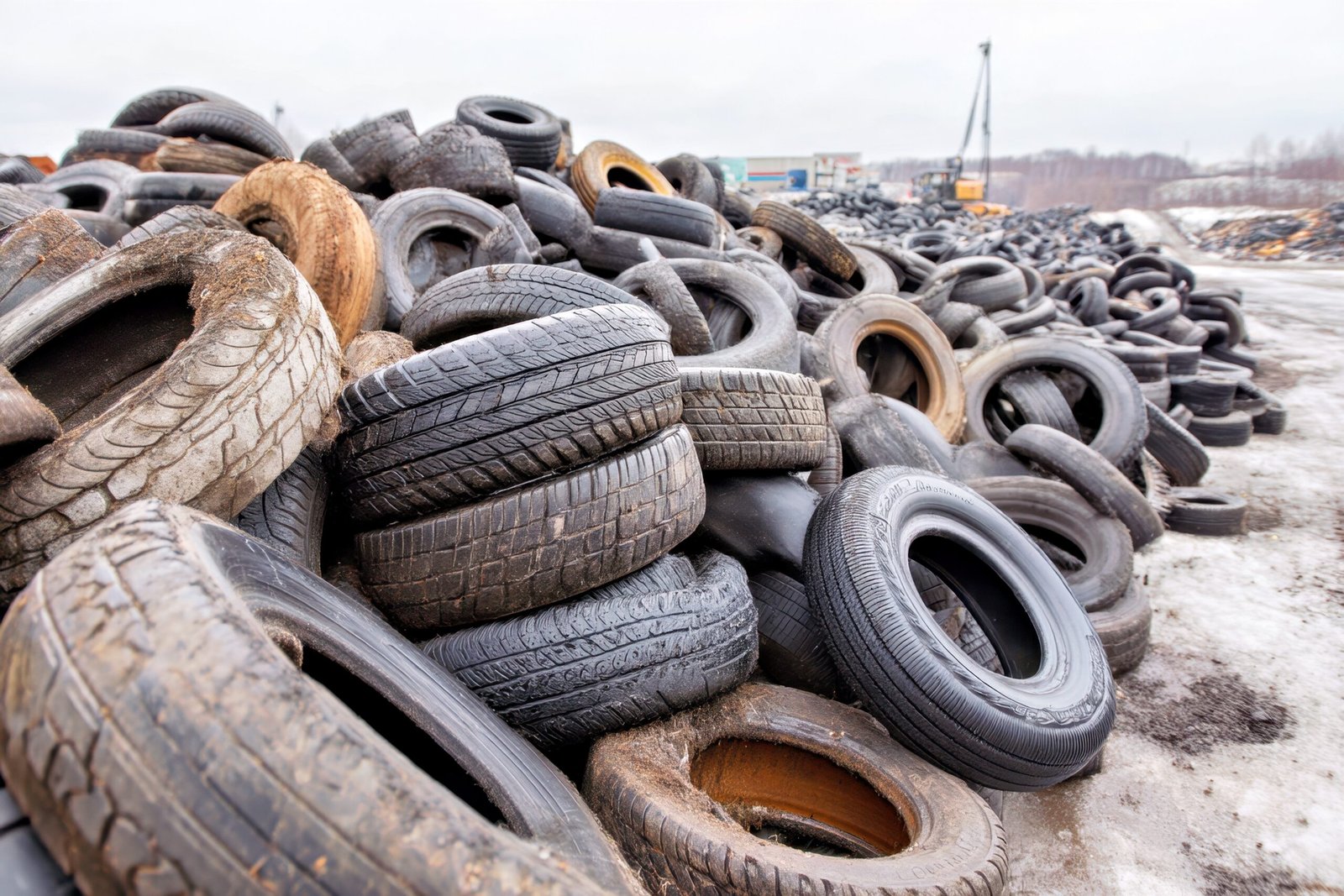
Tyres, when not properly disposed of, often end up in unauthorized scrapyards, landfills, or even illegal dump sites. These discarded tyres pose serious environmental hazards, such as breeding grounds for mosquitoes or fueling toxic fires. The EPR framework aims to correct this by holding tyre producers and importers accountable for the collection and recycling of their products. But this accountability only works when consumers take the right first step—returning their used tyres to certified dealers or collection centers.
Despite growing infrastructure for tyre recycling and a regulatory push from agencies like the Central Pollution Control Board (CPCB), public awareness remains low. Many vehicle owners are still unfamiliar with proper tyre disposal channels or the risks of handing tyres over to informal recyclers. This disconnect weakens the EPR system, preventing the materials from reaching authorized facilities equipped to safely recover rubber, steel, and other components.
Understanding your role as a responsible consumer is the first step in closing the tyre recycling loop. Whether you’re a private vehicle owner, a commercial fleet manager, or even a mechanic, your choices directly influence how effectively the EPR system performs. Your participation not only reduces pollution but also supports India’s transition to a circular economy where waste becomes a valuable resource.
- Tyres dumped improperly can cause severe environmental and health risks.
- Returning tyres to EPR-compliant vendors enables safe and legal recycling.
- Consumer awareness is crucial for the success of India’s EPR implementation.
As tyre waste volumes grow with expanding vehicle use across the country, the collective impact of informed consumers becomes more powerful. Small decisions—like asking your tyre dealer about recycling procedures or checking for CPCB authorization—can have a big effect. It’s not just about doing the right thing; it’s about being part of a system that turns waste into opportunity and responsibility into impact.
Every year, millions of tyres reach the end of their life cycle—and what happens next is increasingly shaped by consumers like you. With India’s Extended Producer Responsibility (EPR) regulations now covering tyre waste, public participation has never been more critical. This article explores the everyday consumer’s role in promoting effective tyre recycling, reducing environmental harm, and supporting a sustainable waste ecosystem.
How EPR Connects Producers, Recyclers—and You
Extended Producer Responsibility (EPR) is not just a compliance tool for manufacturers—it’s an entire ecosystem that hinges on the cooperation of multiple stakeholders. In the case of tyre waste, EPR regulations mandate that producers, importers, and brand owners (PIBOs) must take accountability for the end-of-life management of the tyres they place on the market. But the system only works when there’s active participation from both ends of the chain—recyclers at one end and consumers at the other.
The core idea of EPR is simple: the responsibility of what happens to a product after it’s used should not fall solely on municipalities or the environment. Instead, producers are legally required to ensure their products are collected, transported, and processed in an environmentally sound manner. This includes setting up or working with authorized collection centers, transporters, and recyclers who can convert tyre waste into reusable materials such as crumb rubber, oil, or fuel.
Recyclers play a critical role by handling the processing side, but they rely on a steady and traceable supply of end-of-life tyres. That’s where the consumer comes in. When a vehicle owner disposes of tyres responsibly—by handing them over to a CPCB-registered collection point or a dealer participating in a producer’s EPR program—they ensure the material stays within the formal economy. Conversely, tyres that are sold to informal scrap dealers or dumped illegally fall out of the loop, making it harder for producers to meet their targets and for recyclers to access material safely.
The government has put in place digital tracking systems, such as the CPCB’s EPR portal, to monitor the movement of tyre waste from source to final processing. This creates transparency and accountability, but it also relies on accurate data from dealers and consumer-facing points of sale. If consumers are unaware of this system or do not engage with it, even the best-designed policies can falter in execution.
- Producers are responsible for collecting and processing tyre waste they generate.
- Authorized recyclers rely on traceable tyre waste from compliant sources.
- Consumers must choose proper disposal channels to keep the system functional.
In essence, EPR creates a shared responsibility model. The roles are different, but the goal is the same: reduce the environmental footprint of used tyres and recover their value through safe, sustainable channels. When consumers understand their role and act accordingly, they unlock the full potential of this collaborative framework—and ensure that tyre waste doesn’t just disappear, but re-enters the economy in useful forms.
Extended Producer Responsibility is designed to make tyre producers accountable for what happens after their products are used. However, without consumer cooperation—such as properly disposing of old tyres—this system cannot function effectively. EPR isn’t just a policy for corporations; it’s a framework where consumers are the link between waste generation and responsible disposal.
Why Tyre Disposal Is a Shared Responsibility
The responsibility for managing tyre waste doesn’t rest solely on the shoulders of manufacturers or recycling companies. While EPR regulations place legal obligations on producers to recover and recycle used tyres, the process begins with the choices made by consumers. If tyres are not returned through the correct channels, they often end up in informal markets or dumped in the environment, undermining the entire EPR framework.
When a vehicle owner opts to discard a worn tyre at a certified dealer or collection point, that action feeds the formal recycling supply chain. This ensures that the tyre is properly recorded, transported, and treated in accordance with CPCB guidelines. On the other hand, disposing of tyres through unauthorized sellers or junkyards breaks this link, making it impossible to trace the material or ensure its safe handling. This not only leads to environmental hazards like tyre fires or groundwater contamination but also disrupts the accountability that EPR is designed to uphold.
By recognizing tyre disposal as a shared responsibility, consumers can play an active role in supporting a more sustainable system. Just as producers must meet recycling targets, the public must take simple, yet impactful steps—like choosing verified dealers and being aware of disposal norms. This collaborative approach strengthens the efficiency of the EPR ecosystem and promotes the broader goal of circular resource use.
While tyre manufacturers and importers are legally obligated to ensure recycling or safe disposal, they depend on consumers to return used tyres through authorized channels. When tyres are sold for scrap to unauthorized handlers or dumped, it breaks the EPR chain and often leads to environmental damage like soil contamination or toxic fires. Raising awareness about certified collection centers and buy-back programs is essential for bridging this gap.
How Consumers Influence Recycling Efficiency
Consumer behavior can make or break the efficiency of the tyre recycling ecosystem. Choosing to work with tyre shops that are EPR-compliant or asking about proper disposal practices when replacing tyres empowers more sustainable habits. Even small acts—like not storing used tyres at home or reselling them informally—can prevent illegal dumping and support the circular economy envisioned by EPR.
What Happens to Tyres After You’re Done With Them?
When a tyre reaches the end of its useful life on a vehicle, its journey is far from over. If disposed of properly, that tyre can enter a highly specialized processing chain that gives it a second life in various industrial applications. Under India’s Extended Producer Responsibility (EPR) framework, producers are obligated to ensure that used tyres are collected and recycled or recovered through approved channels. But this is only possible when consumers return their tyres to designated collection points or authorised dealers.
Once collected, tyres are typically sent to licensed recycling or recovery facilities, where they undergo mechanical, chemical, or thermal processes depending on the intended use. The most common approach is mechanical shredding, which breaks the tyre down into rubber granules and steel components. These granules, often referred to as crumb rubber, are then used in applications like road surfacing, flooring, playgrounds, and even athletic tracks. In this way, old tyres become raw materials for new infrastructure and consumer products.
Another growing pathway for end-of-life tyres is pyrolysis, a process where tyres are heated in the absence of oxygen to produce fuel oil, carbon black, and gas. These byproducts can be used in cement kilns, steel plants, or as industrial fuel, reducing dependence on fossil resources. Retreading, where tyres with intact casings are given new tread layers, is also a sustainable option—especially for commercial fleets looking to reduce both costs and environmental impact.
It’s important to note that none of these options are possible if the tyre is lost to the informal sector or dumped illegally. That’s why the role of consumers in initiating this downstream journey is critical. A tyre disposed of through the right channel contributes not only to resource recovery but also to pollution reduction and job creation in the formal recycling industry.
- Shredding converts tyres into crumb rubber and steel for reuse in roads and sports surfaces.
- Pyrolysis extracts fuel oil and carbon black from waste tyres, aiding energy recovery.
- Retreading gives tyres a second life, particularly in the commercial vehicle segment.
By understanding what happens to tyres after disposal, consumers can make more informed and responsible choices. Proper tyre recycling not only diverts waste from landfills but also supports innovation, reduces environmental impact, and helps India move closer to its circular economy goals.
Used tyres have many potential second lives—from being processed into crumb rubber for road construction to becoming fuel in pyrolysis plants. But they only get there if disposed of correctly. Consumers play a key role in initiating this value chain, making informed disposal decisions that enable recovery, reuse, and recycling.
The Path from Tyre Shop to Recycling Facility
When you hand over an old tyre to a compliant retailer or designated collection center, it is tagged for EPR reporting and transported to an authorized recycler. Here, it may be shredded for rubber applications, converted into oil or gas via pyrolysis, or refurbished if still usable. The transparency and traceability built into this process make it essential that consumer disposal choices follow the proper route.
- Improper disposal breaks the EPR chain and increases environmental risk
- Authorized collection ensures tyres reach verified recyclers
- Recycled tyres support infrastructure, energy, and industrial reuse
Making Smart Choices as a Vehicle Owner
As a vehicle owner, you make many decisions that affect your car’s performance, fuel efficiency, and safety—but your role doesn’t end when a tyre wears out. One of the most important yet overlooked responsibilities is ensuring that used tyres are disposed of correctly. These decisions not only impact the environment but also determine how effectively India’s tyre recycling system, governed by Extended Producer Responsibility (EPR), functions.
Most people change tyres at workshops or dealerships and rarely ask what happens to the old ones. But this moment is critical. Tyres handed over to non-compliant vendors may end up in illegal scrapyards, where they are either burned or discarded in landfills—practices that are harmful to the environment and violate waste management regulations. Instead, when you choose an EPR-compliant tyre dealer or garage, you help ensure that your old tyres are fed into a formal, traceable recycling system.
Being a smart vehicle owner today means being informed. Consumers should be proactive in understanding the lifecycle of the products they use. With growing awareness around environmental sustainability, it’s no longer just about choosing fuel-efficient engines or low-emission vehicles—it’s also about how responsibly vehicle waste, like tyres, is handled. Choosing service centers or retailers who participate in tyre take-back programs can make a measurable difference.
Fortunately, the Central Pollution Control Board (CPCB) provides resources that help consumers identify compliant recyclers and collection points. If you’re unsure where your tyres are going, ask your tyre provider. It’s your right to know—and your responsibility to care.
- Verify that your tyre retailer or garage is registered under an EPR program.
- Ask where your used tyres will be sent and whether they are handled by certified recyclers.
- Avoid selling tyres to unauthorized scrap dealers or storing them at home.
- Encourage your community and peers to practice responsible disposal habits.
- Stay informed by consulting CPCB’s EPR portal or your city’s waste management resources.
Every vehicle owner has the power to shape a cleaner future. When you take the time to make informed disposal choices, you become part of a nationwide effort to reduce tyre waste, conserve resources, and support ethical recycling practices. It’s a small act with far-reaching consequences—and it starts with asking the right questions.
Whether you’re replacing a single tyre or upgrading an entire set, your decisions matter. Being an informed buyer means asking the right questions about recycling and choosing service providers who follow legal norms. These small but significant choices help strengthen India’s EPR implementation and prevent illegal dumping of hazardous waste.
Tips for Responsible Tyre Disposal
1. Always ask your tyre dealer if they’re EPR-compliant and where used tyres go.n2. Avoid selling old tyres to unregistered scrap dealers.n3. If you’re unsure, consult CPCB’s online portal to find authorized collection points near you.n4. Encourage friends, neighbors, and fleet owners to adopt proper disposal practices.n5. Keep an eye out for community tyre recycling drives or return programs offered by manufacturers.
Steering Toward a Cleaner Future—One Tyre at a Time
India is at a pivotal moment in its journey toward more sustainable waste management, and the way we handle used tyres is a critical part of that story. With rising vehicle ownership and increasing tyre waste, the importance of responsible disposal cannot be overstated. Extended Producer Responsibility (EPR) provides a robust framework, but its success depends on the active participation of every stakeholder—including you, the consumer.
The choices you make today—whether it’s asking your mechanic about tyre disposal, choosing an EPR-compliant dealer, or simply spreading awareness among your peers—directly contribute to a cleaner and more accountable waste ecosystem. These actions may seem small, but when multiplied across millions of consumers, they can create a powerful ripple effect that transforms how waste tyres are treated in India.
More than just an environmental concern, tyre recycling also presents a significant economic opportunity. By keeping tyres within the formal recycling system, we enable industries such as rubber recovery, pyrolysis, and infrastructure development to thrive. This not only reduces pollution but also creates jobs, supports innovation, and helps the country meet its circular economy and climate goals.
- Returning used tyres to authorized channels supports clean and safe recycling.
- Public participation strengthens the enforcement of India’s EPR regulations.
- Recycling tyres reduces environmental hazards and conserves natural resources.
Looking ahead, building a culture of environmental responsibility starts with awareness and action. Government initiatives and producer commitments are important, but consumer behavior is the final link in the chain. By disposing of tyres the right way, you are not just following a rule—you are contributing to a broader vision of sustainable development and cleaner communities.
In the end, it’s about understanding that every tyre counts. Each time a tyre is recycled instead of discarded, it marks a step forward in the nation’s environmental progress. So the next time you replace a tyre, take a moment to ask where it’s going. Because steering toward a cleaner future really does begin—one tyre at a time.
The journey toward sustainable tyre waste management isn’t just about policy or technology—it starts with awareness and action at the individual level. As consumers become more conscious and proactive, they unlock the full potential of India’s EPR framework. Every tyre recycled correctly is a step toward cleaner cities, healthier ecosystems, and a more responsible economy. Let’s roll forward together.
Leave a Reply